
Piglets for First-Time Mommas, Hatching Chicks & Rearranging Flocks, Lush Spring Pastures for Goats & Cattle
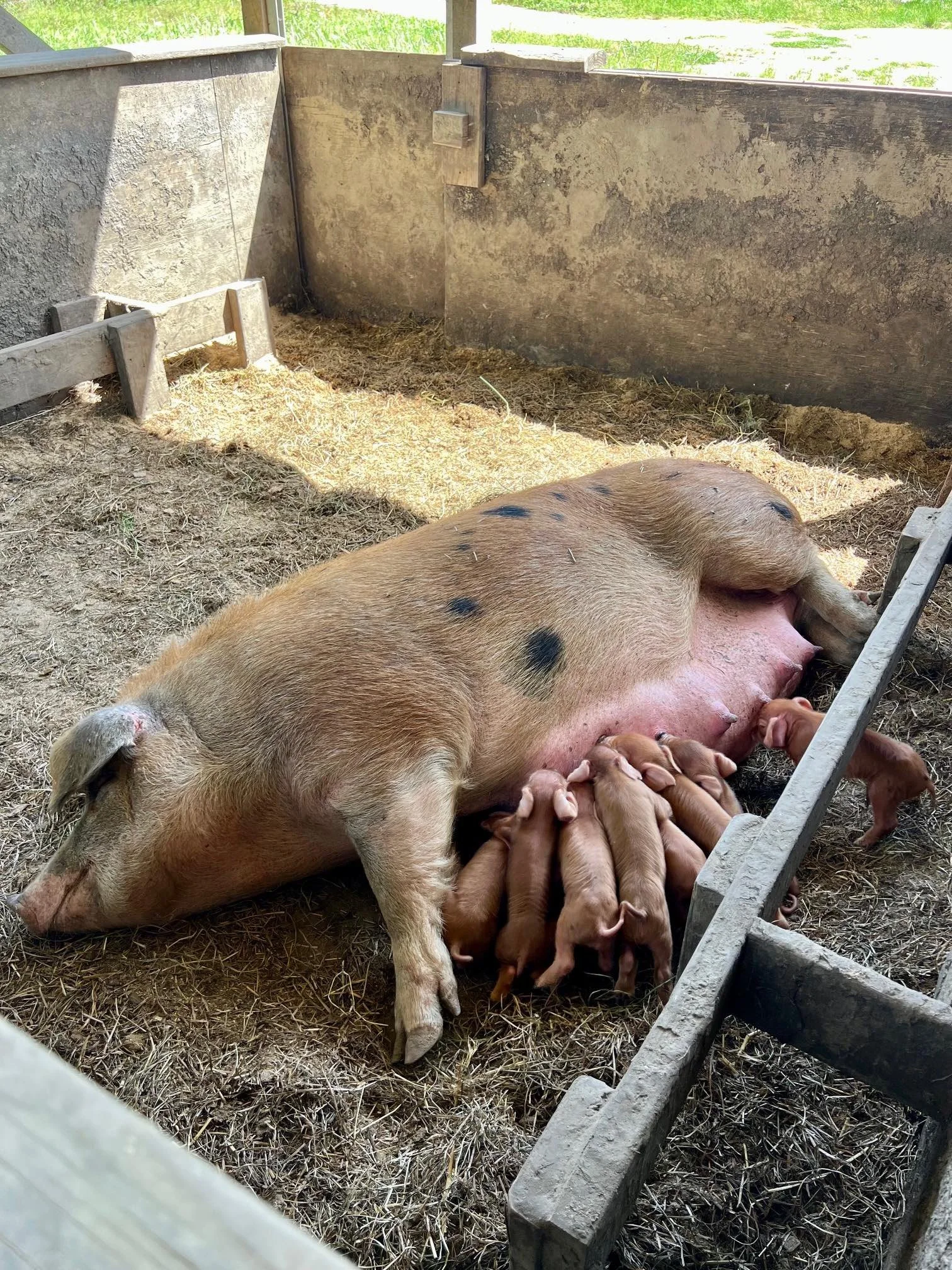
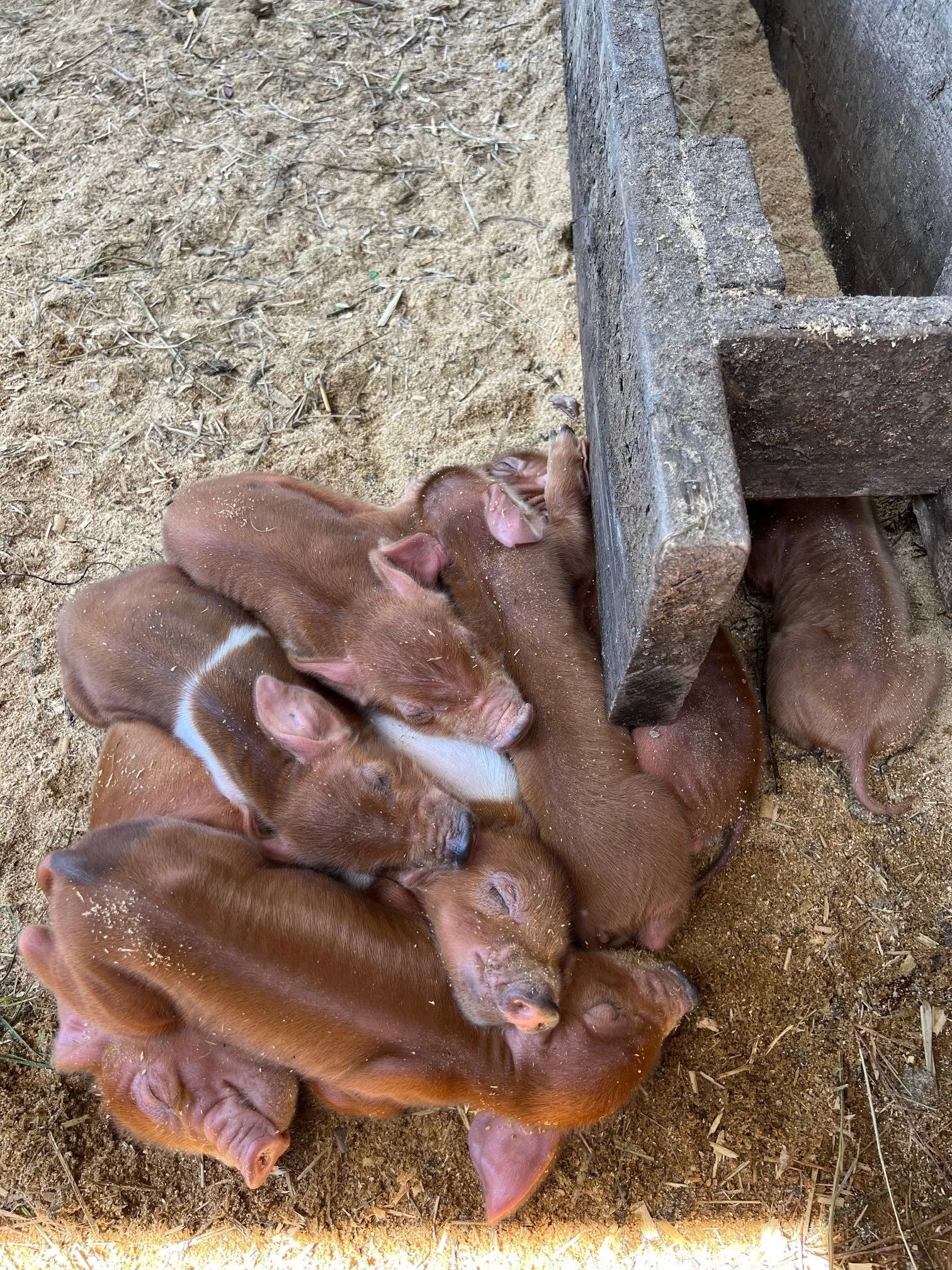
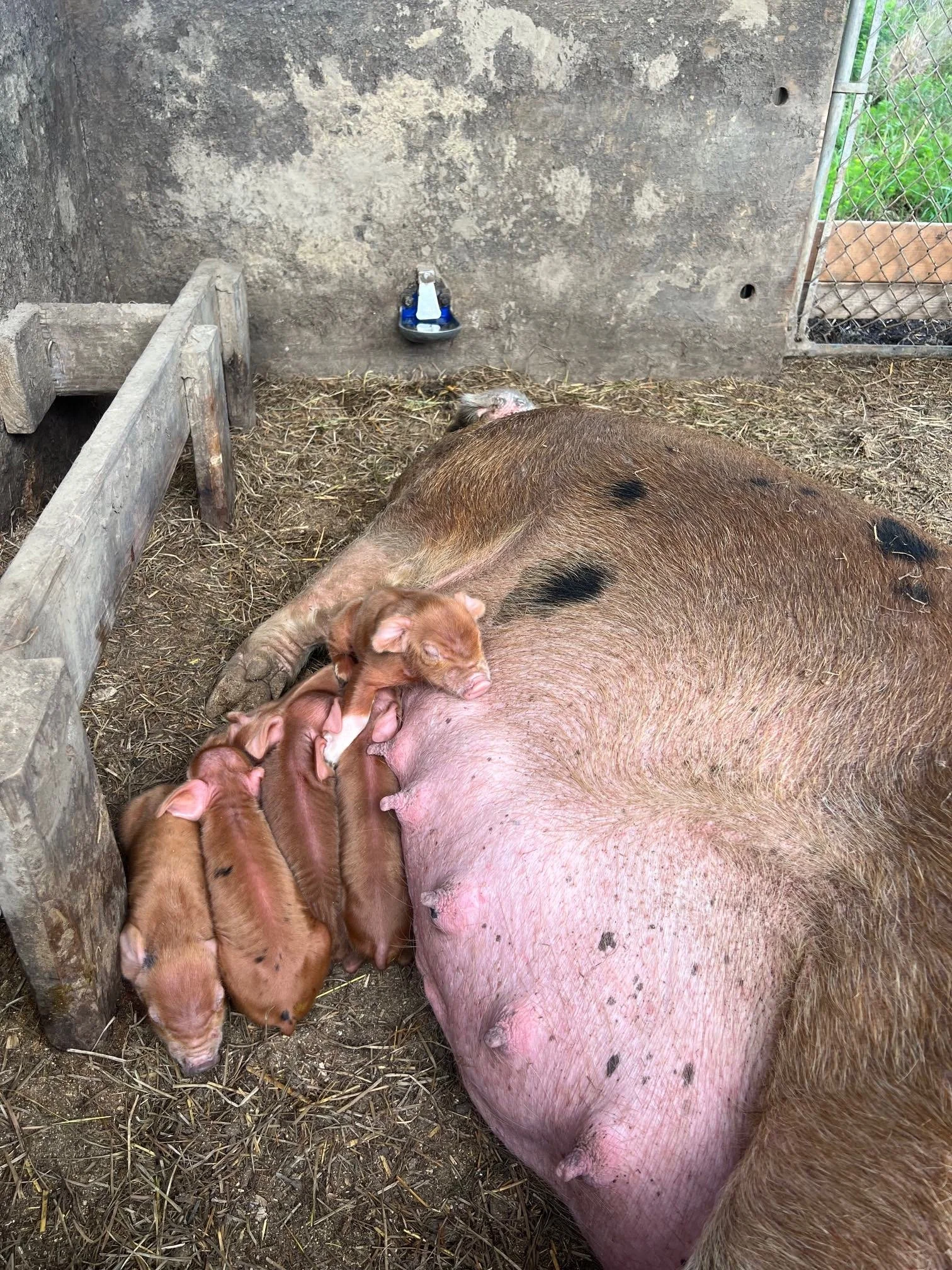
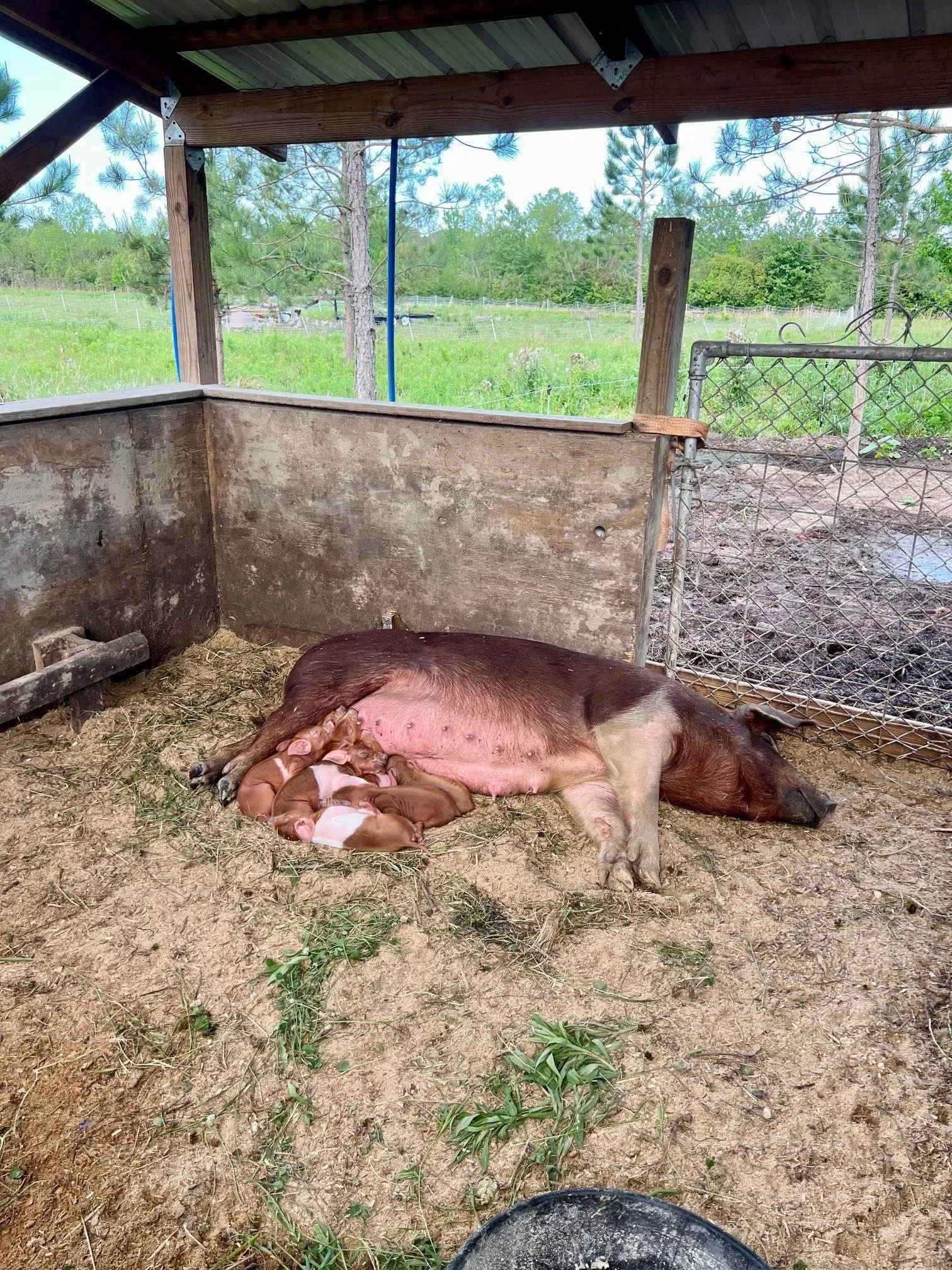
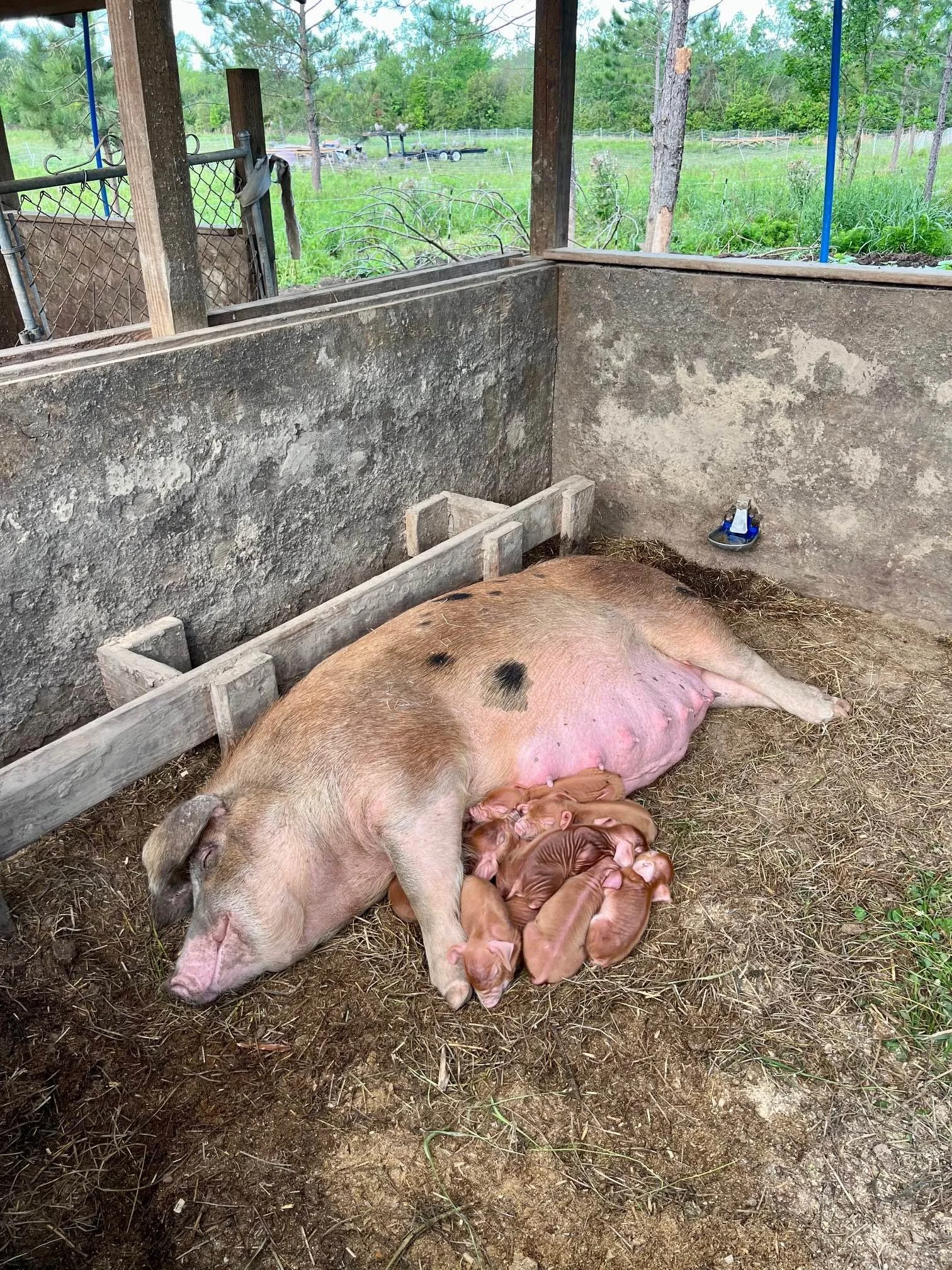
It’s piglet time!
Three first-time momma pigs had their litters last week, almost exactly on their first birthdays. We kept back one gilt from each of the three April 2025 litters and moved them in with the boar this past Thanksgiving, just like we did with their moms in 2024.
Gestation is 3 months, 3 weeks and 3 days and just like their moms’ last year, they didn’t go into heat for about two weeks after putting them in with the boar.
Without an exact bred date (since we can’t watch them 24 hours of the day to see when they’re bred), it’s always interesting to gauge the signs the gilts are getting close to going into labor. You look at their developing underline, swelling in their backend and of course monitor their behavior. Being able to express milk from their teats usually means they will go into labor within 24 hours or so. And nesting behavior, like ripping up forage or rearranging hay to make a nest usually means labor is about 12-24 hours away.
With the spotted ginger gilt, I was able to express what I thought was milk out of her teats on Monday, March 30th. So we moved her into her farrowing suite that afternoon. She had many false alarms where it seemed like she was locking into labor with deep breathing, but she didn’t actually have her litter until over a week later, on Tuesday, April 7th!
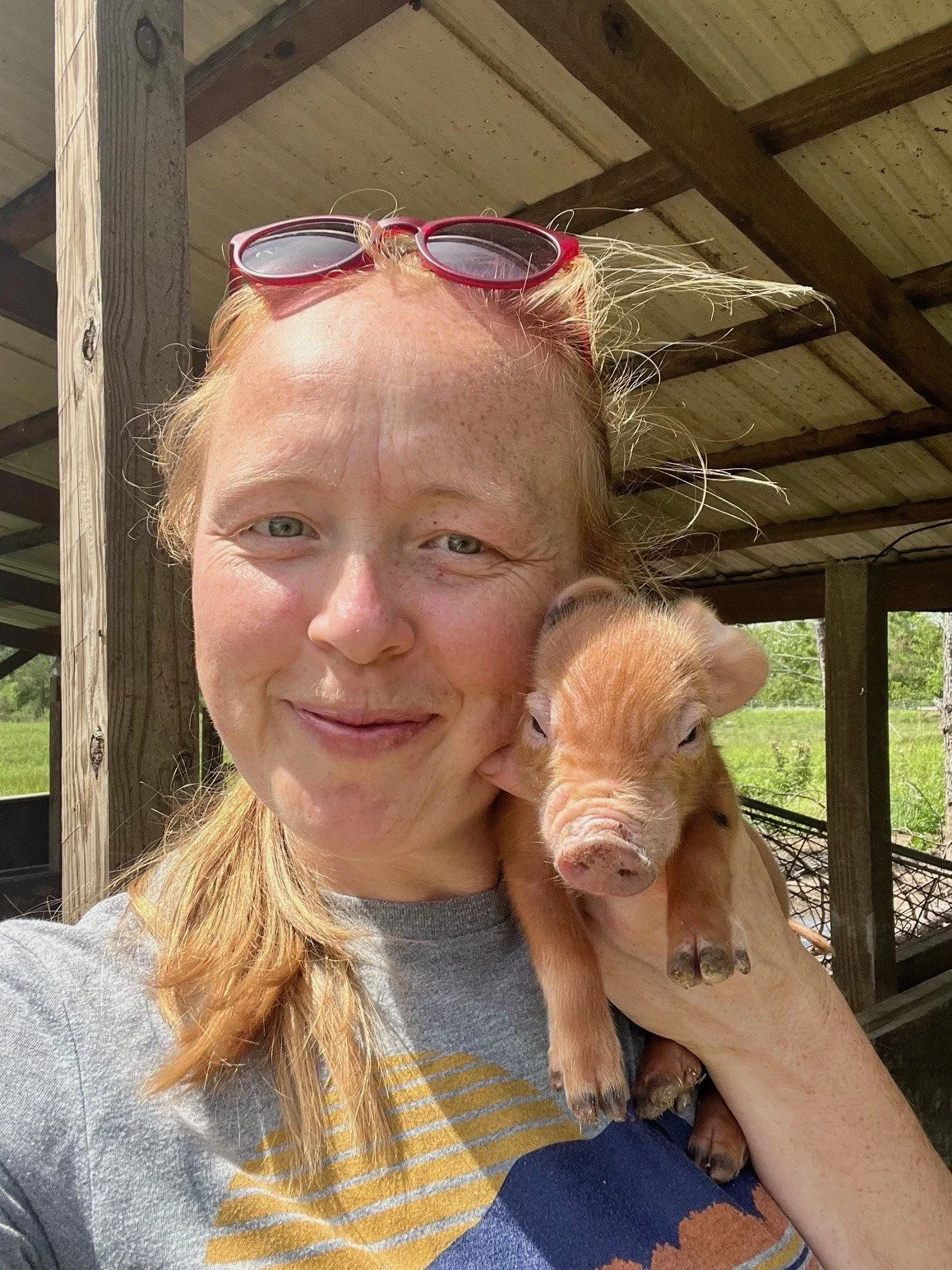
I rarely ever pick piglets up because they squeal and stress out their moms and then chaos and injuries can ensue. The exception is the day they’re born — they are much less feisty and don’t often make noise like that if you pick them up.
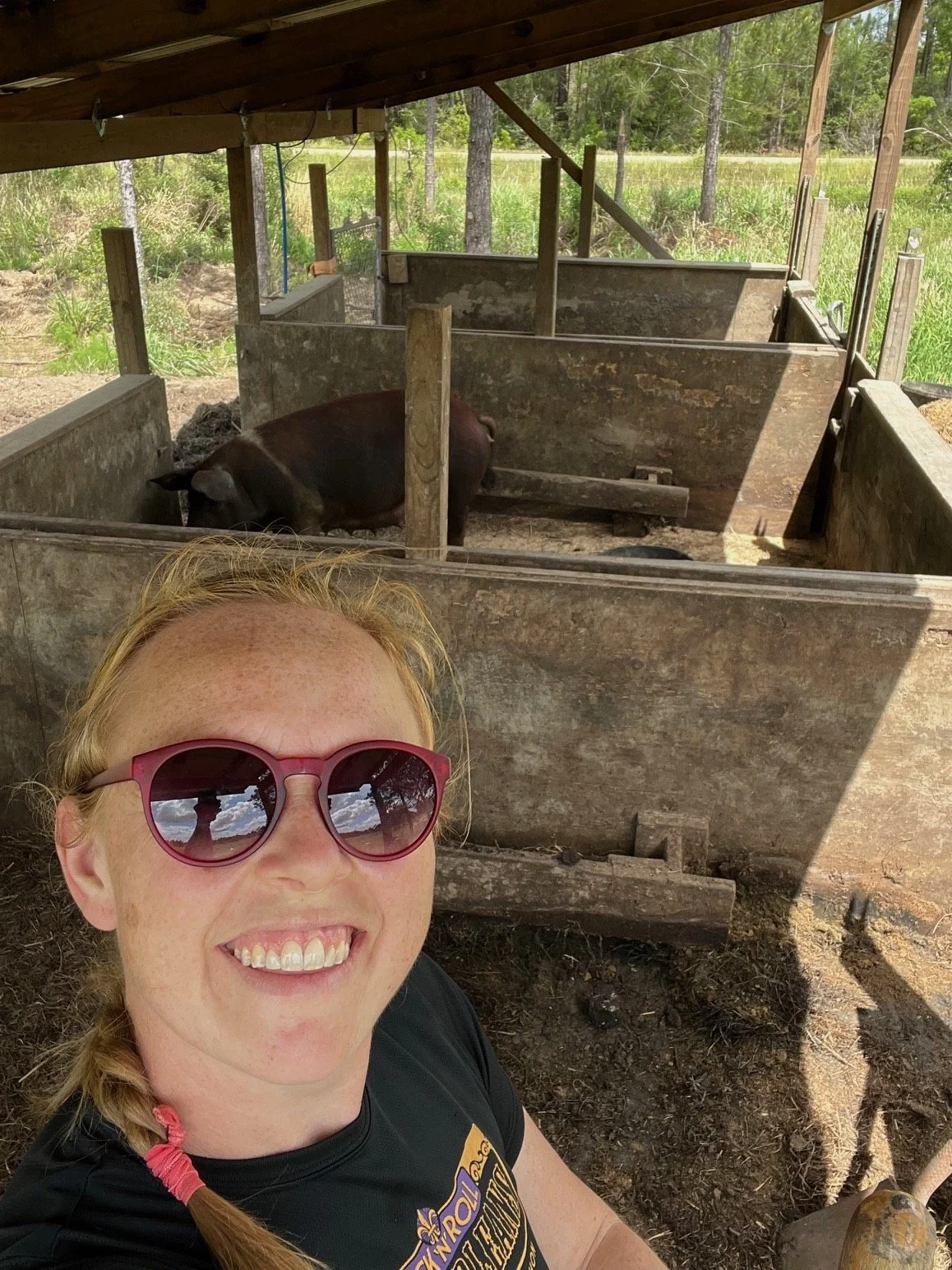
The piglet in the photo kept rooting in the her mom's placenta and almost getting her tiny hooves stuck. I kept having to move her back to the udder, so I grabbed a selfie one of the times I moved her! She has now figured out nursing and is doing fine.
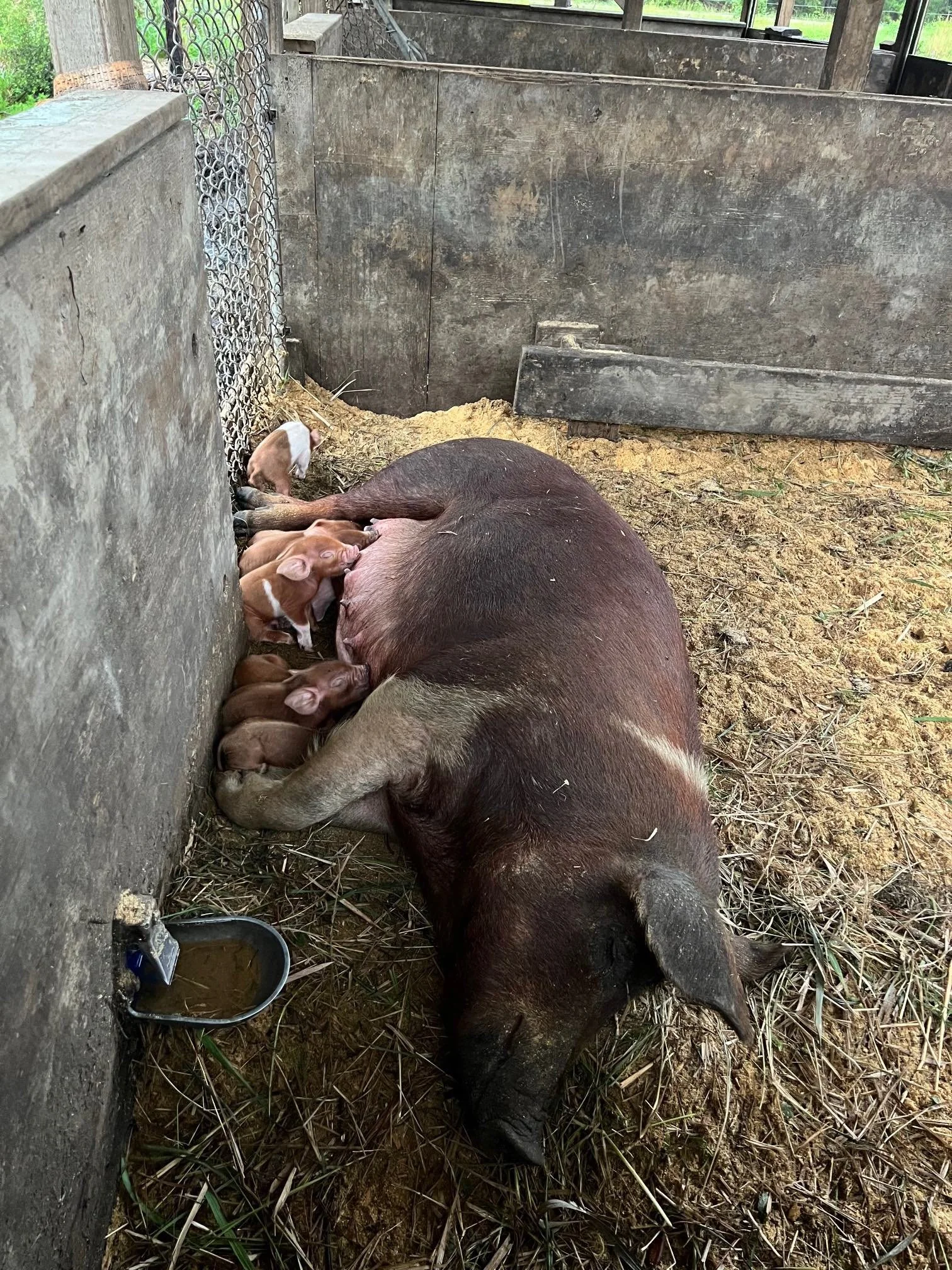
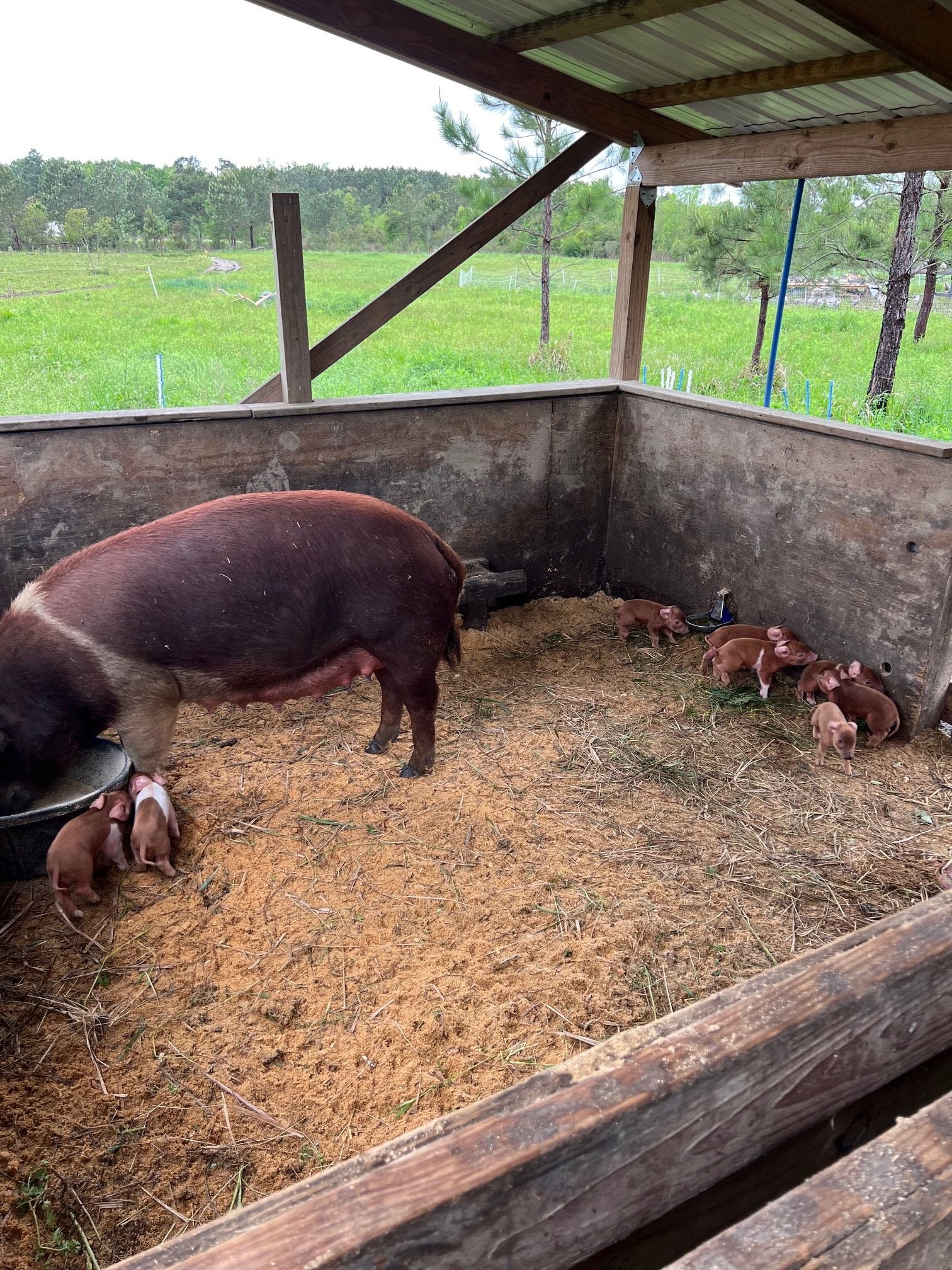
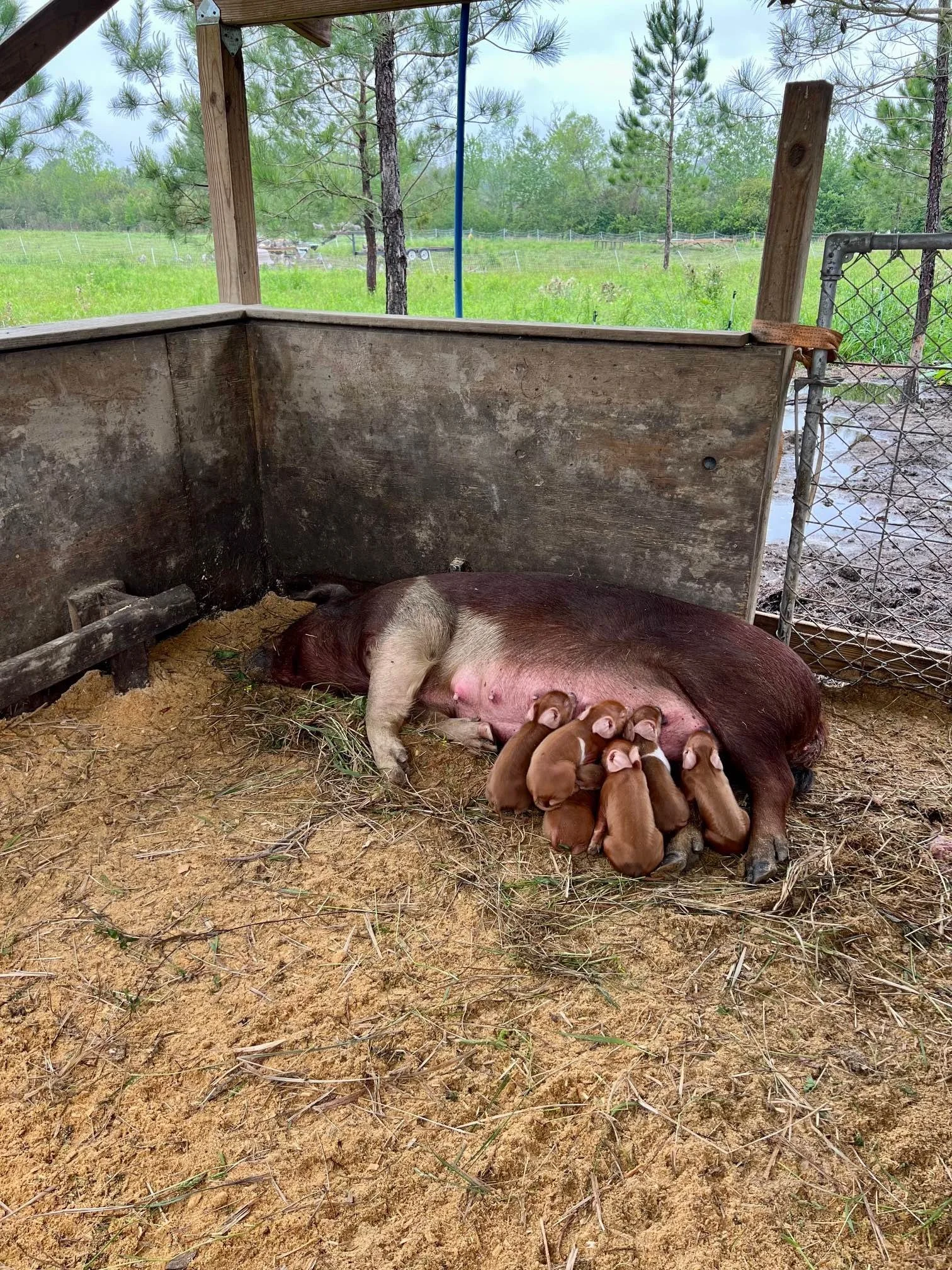
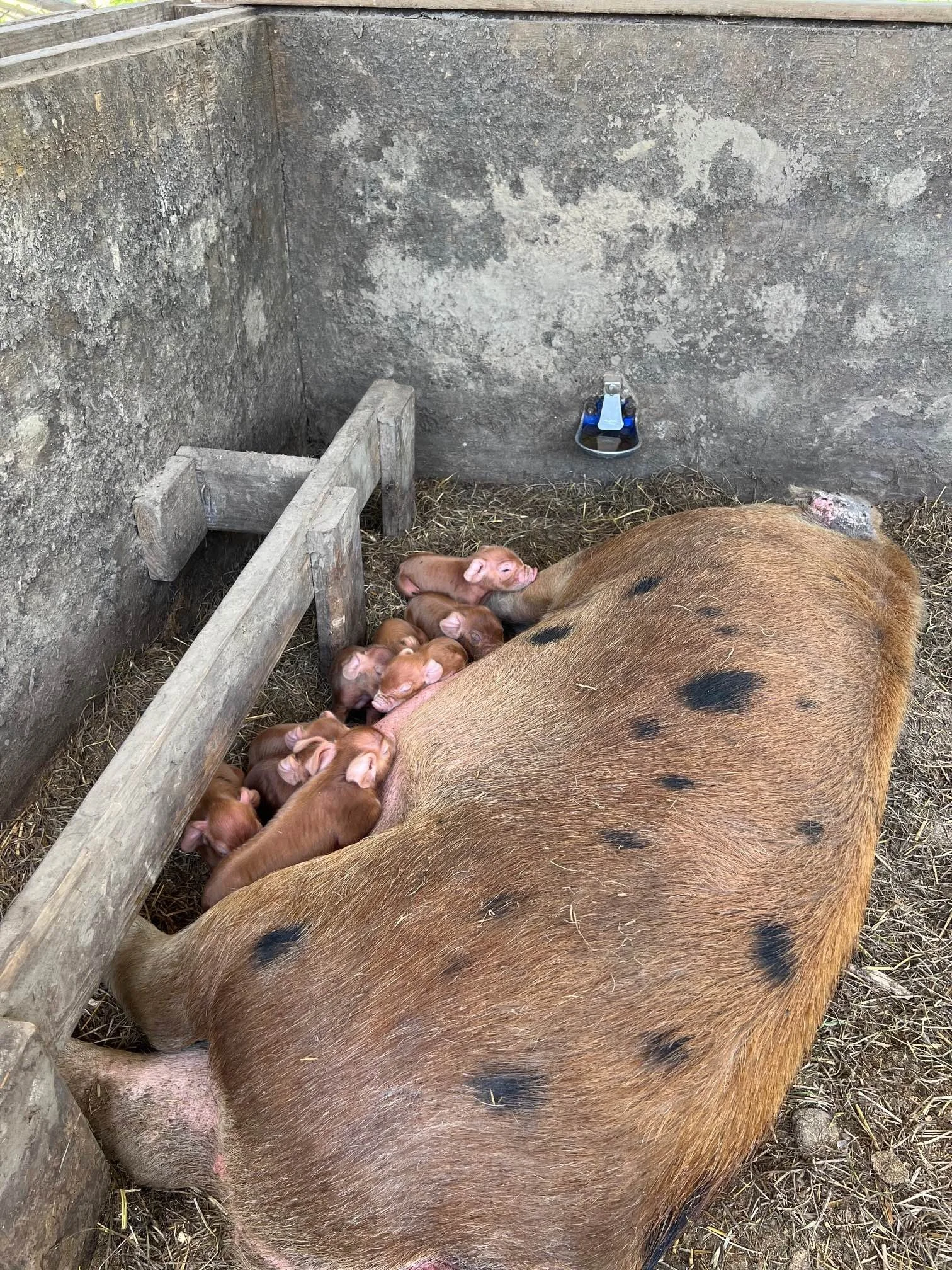
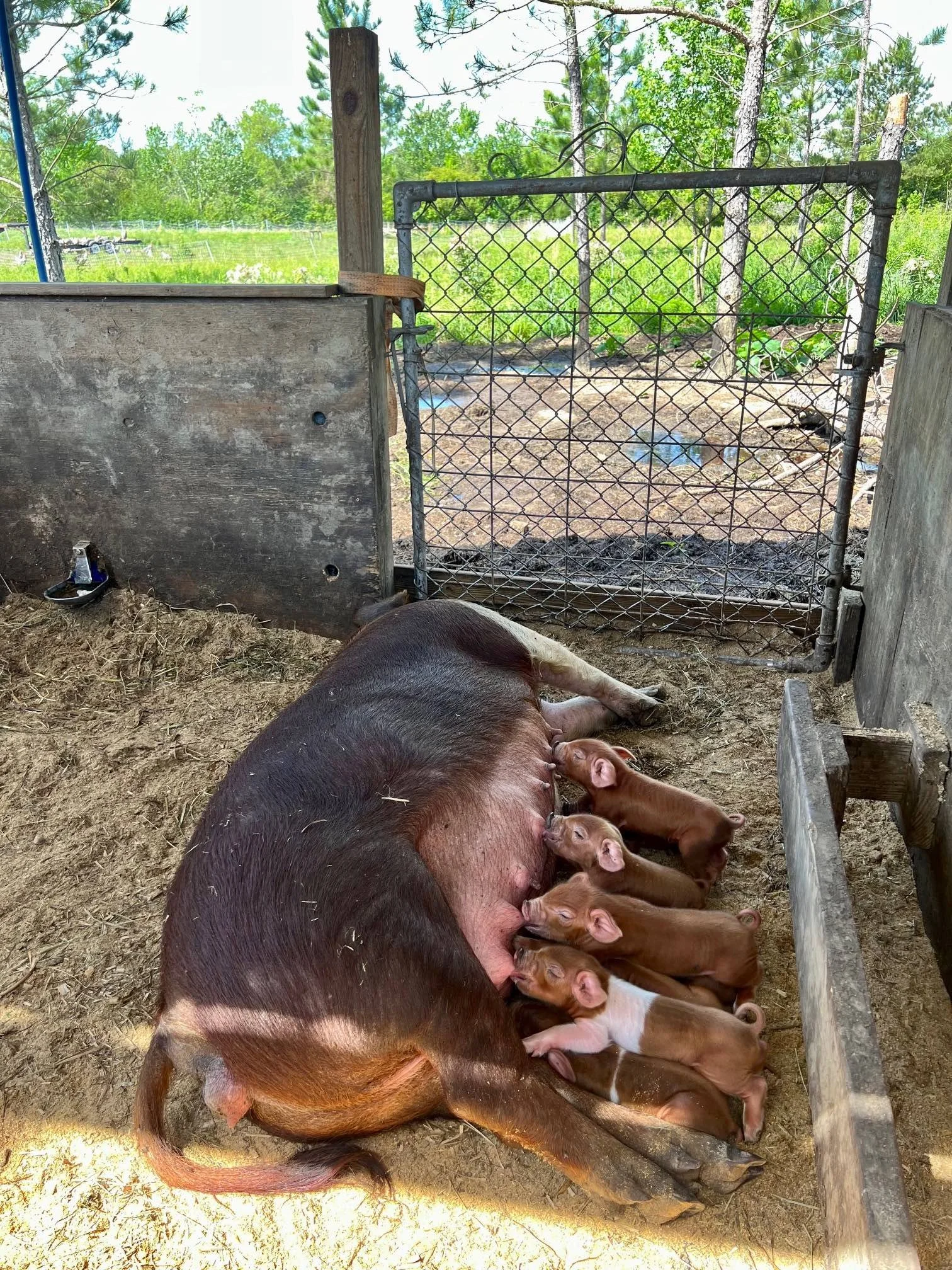
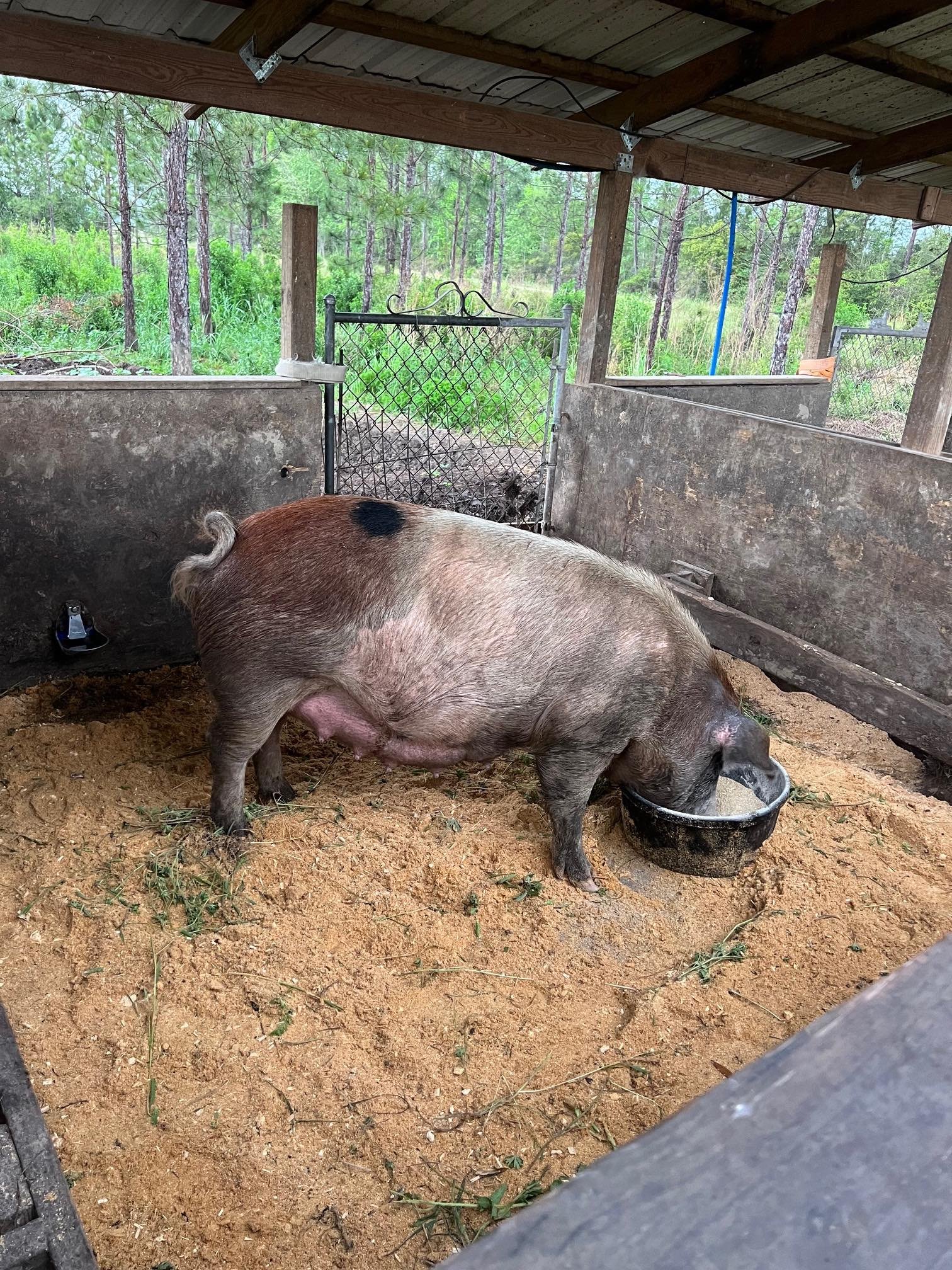
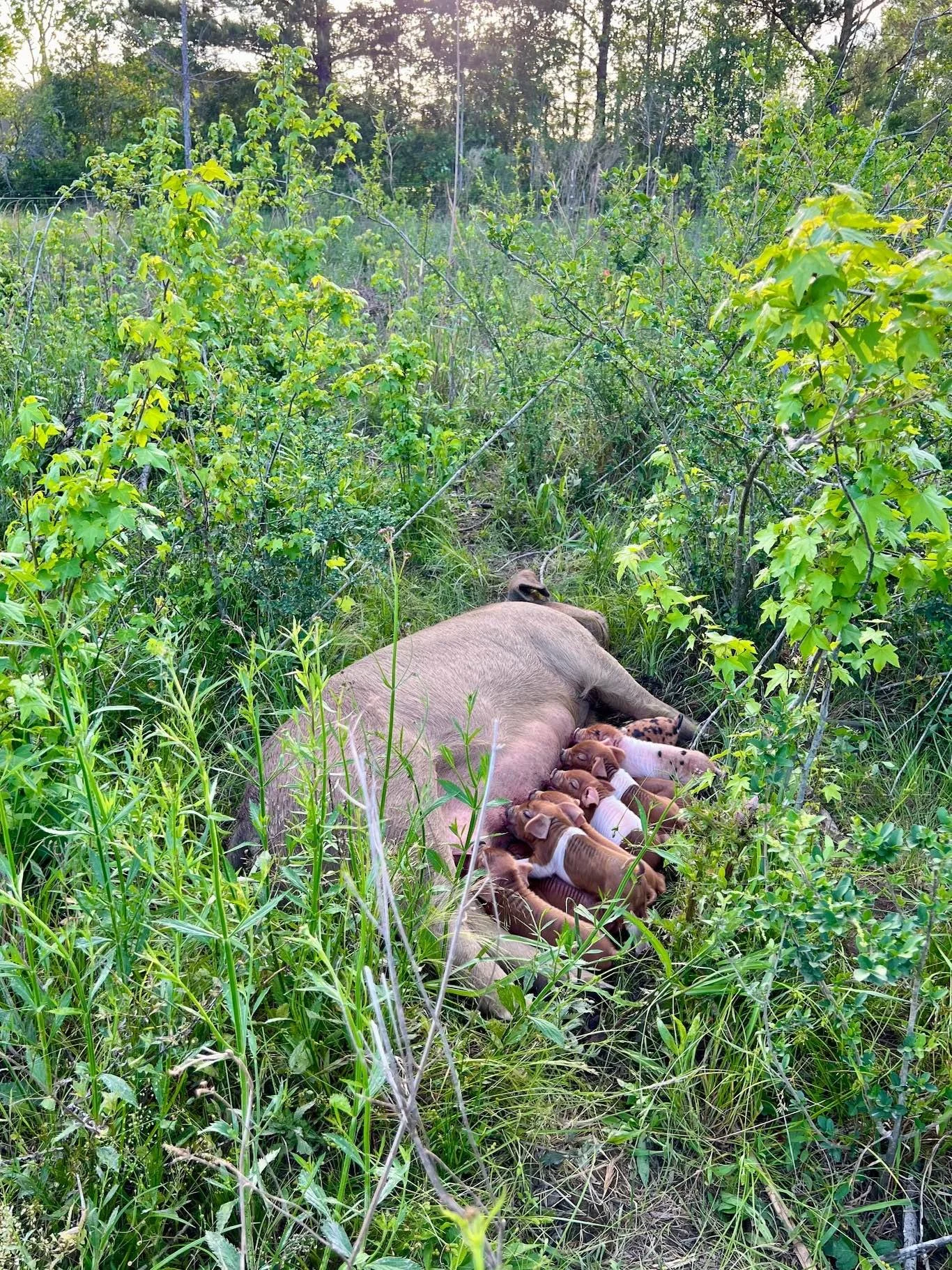
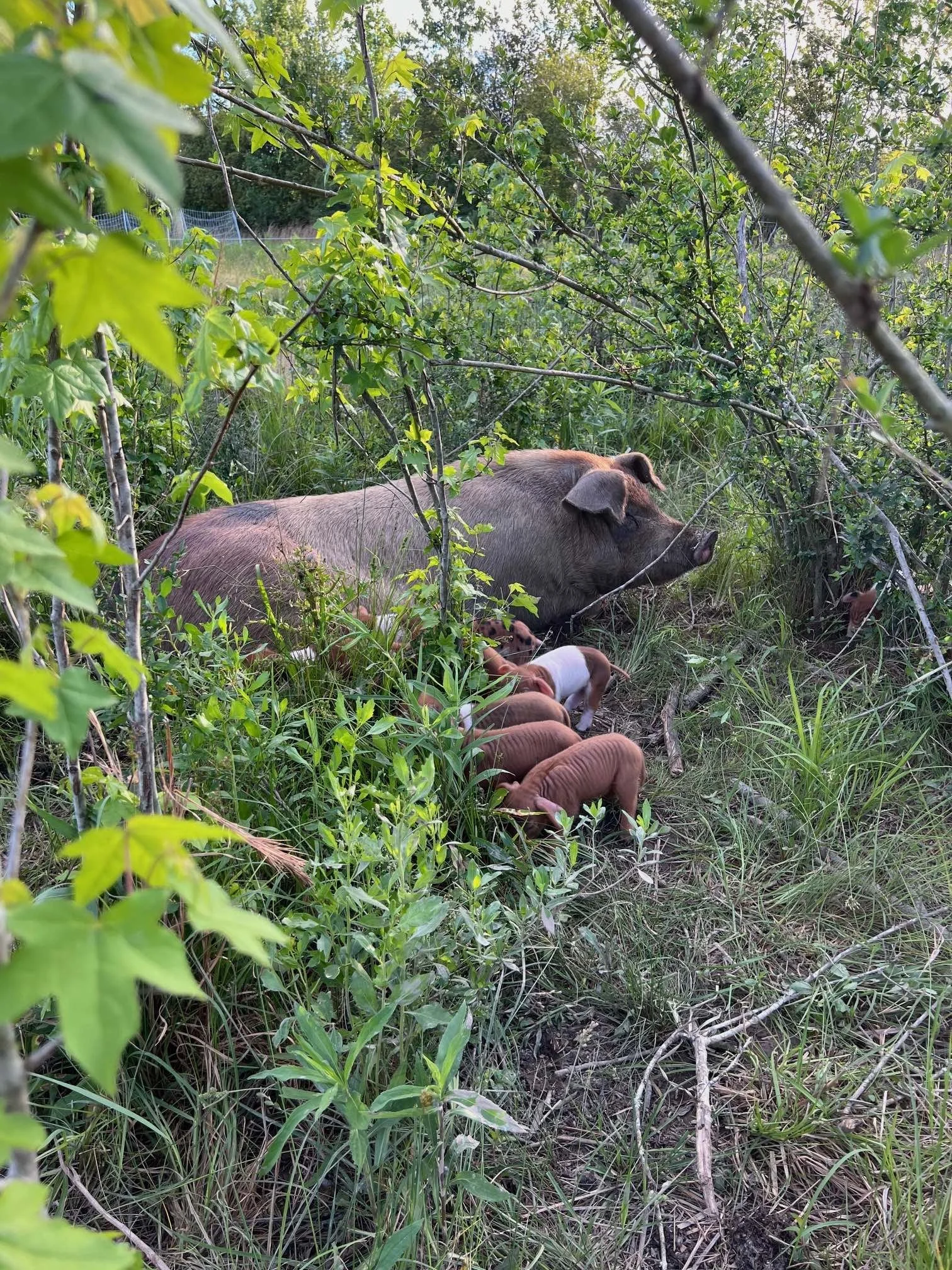
The gorgeous red sow in the photos actually went first, either late Saturday night or early Sunday morning, April 5th.
I spent that Saturday prior mucking out the last of the three stalls from the last round of piglets. Because we had some wet winter days, we moved the piglets back into the stalls at one point after weaning and there was a LOT of bedding composting there.
By the late afternoon, as I was petting both the red gilt and the two-tone gilt, I noticed that I could express milk from both of their teats! Not long after, the red sow started a serious nesting mission. I wasn’t sure they both would have their litters overnight, but with tons of rain forecasted, I didn’t want to take any chances.
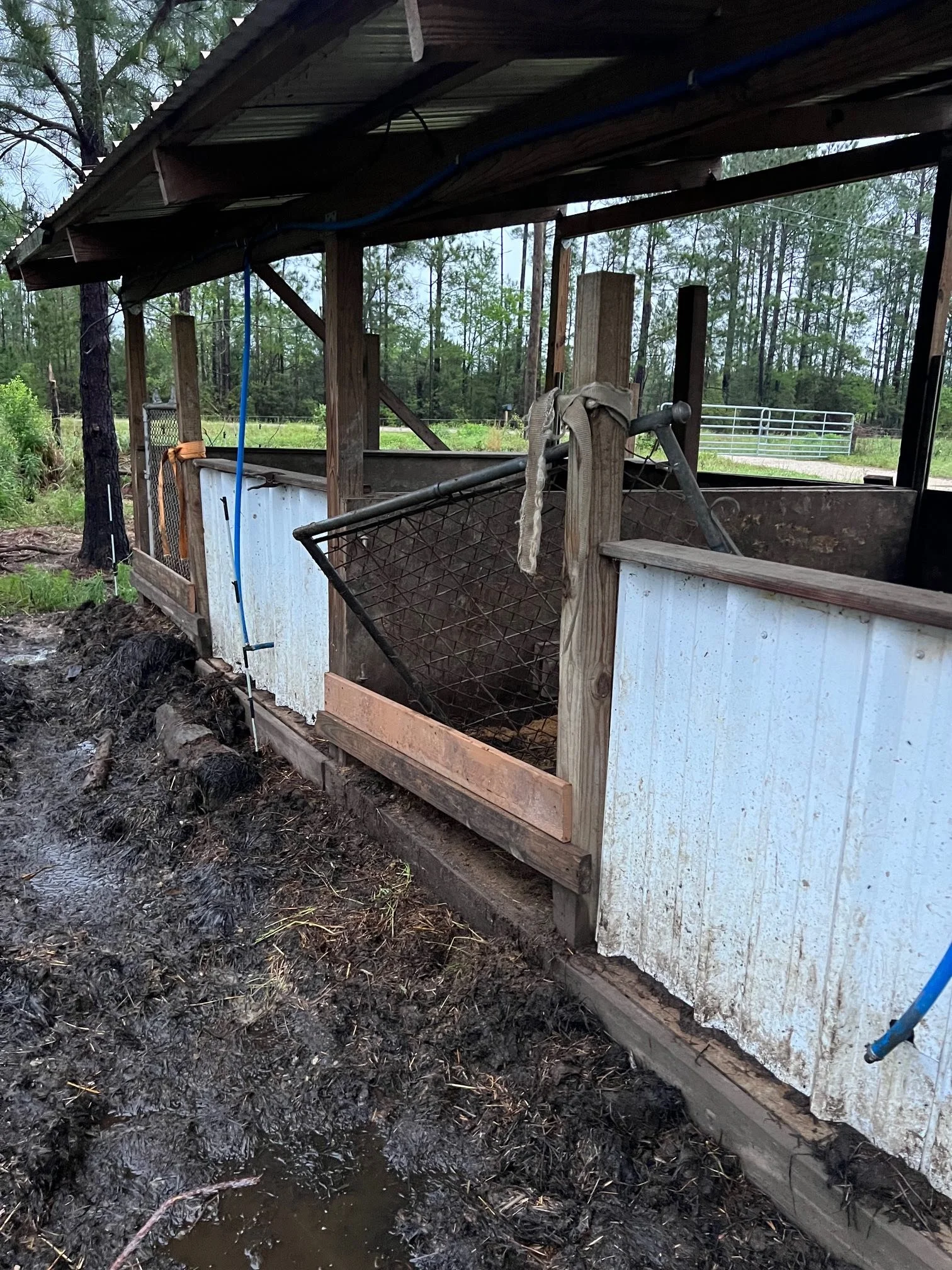
So once Grant got back up to the house field, we teamed up to feed them in their stalls and shut the gates behind them, drilling in some boards so they couldn’t use their powerful snouts to bend the gate.
In addition to the layer of fresh wood shavings in the stall, I retrieved some of the materials the red sow had started making her nest with.
And I went out to a nice healthy litter from her on Sunday morning!
But the other sow was a whole other story!
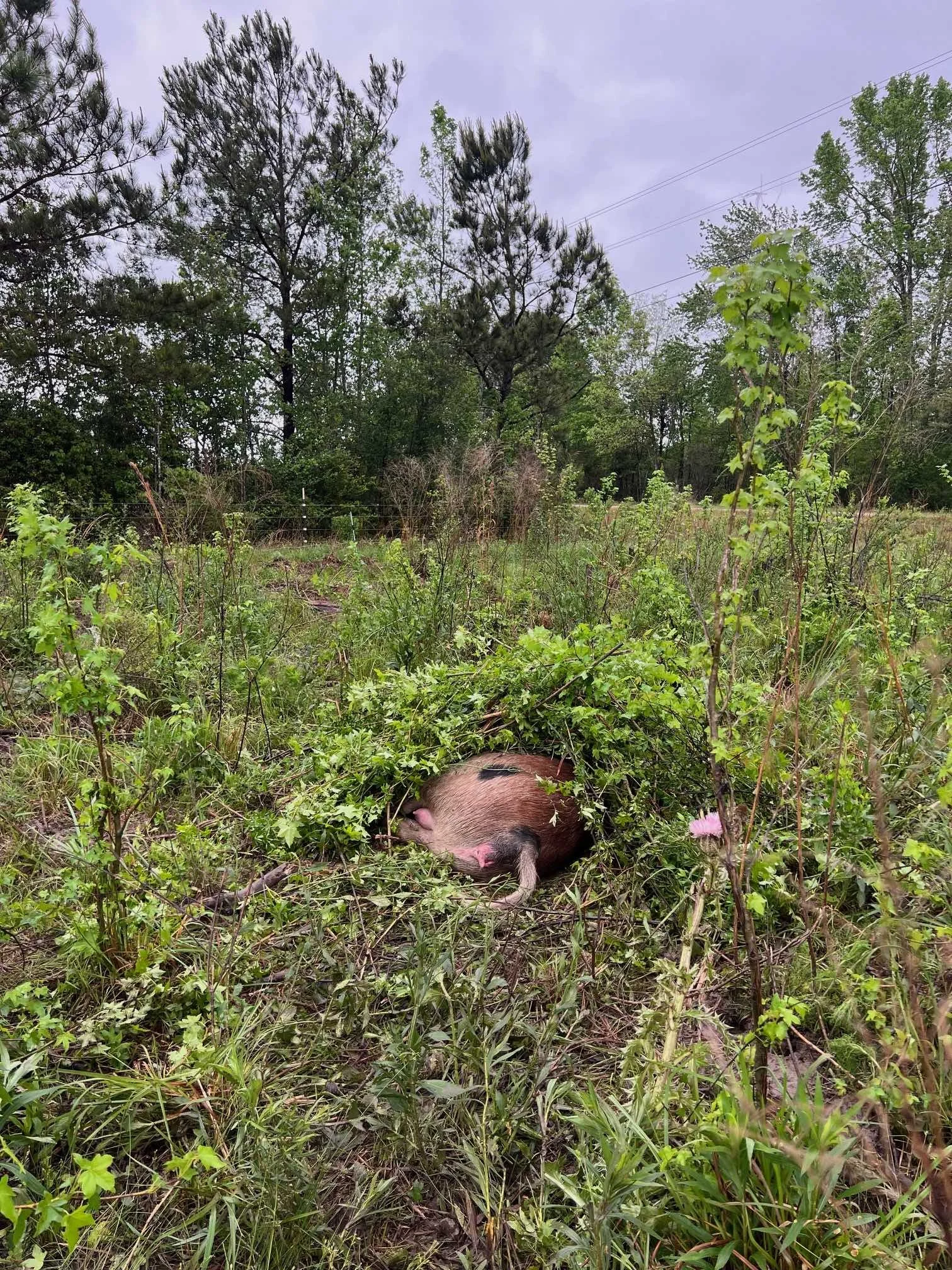
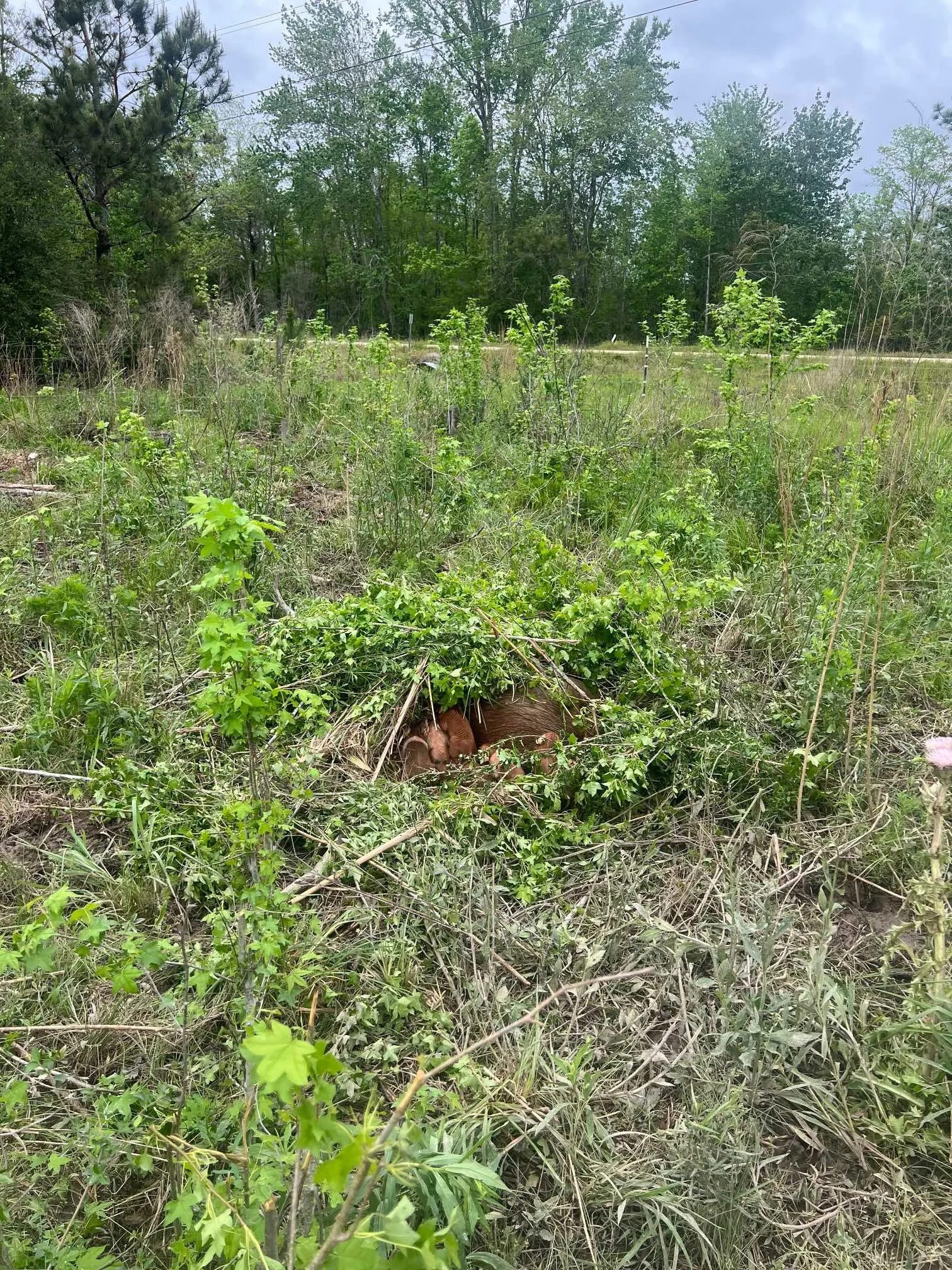
She did NOT like her accommodations and apparently spent the night working and working at the gate until she got it off the hinges and then jumped over the boards. For the size litter she ended up having, it’s wild to think about that jump and how she landed.
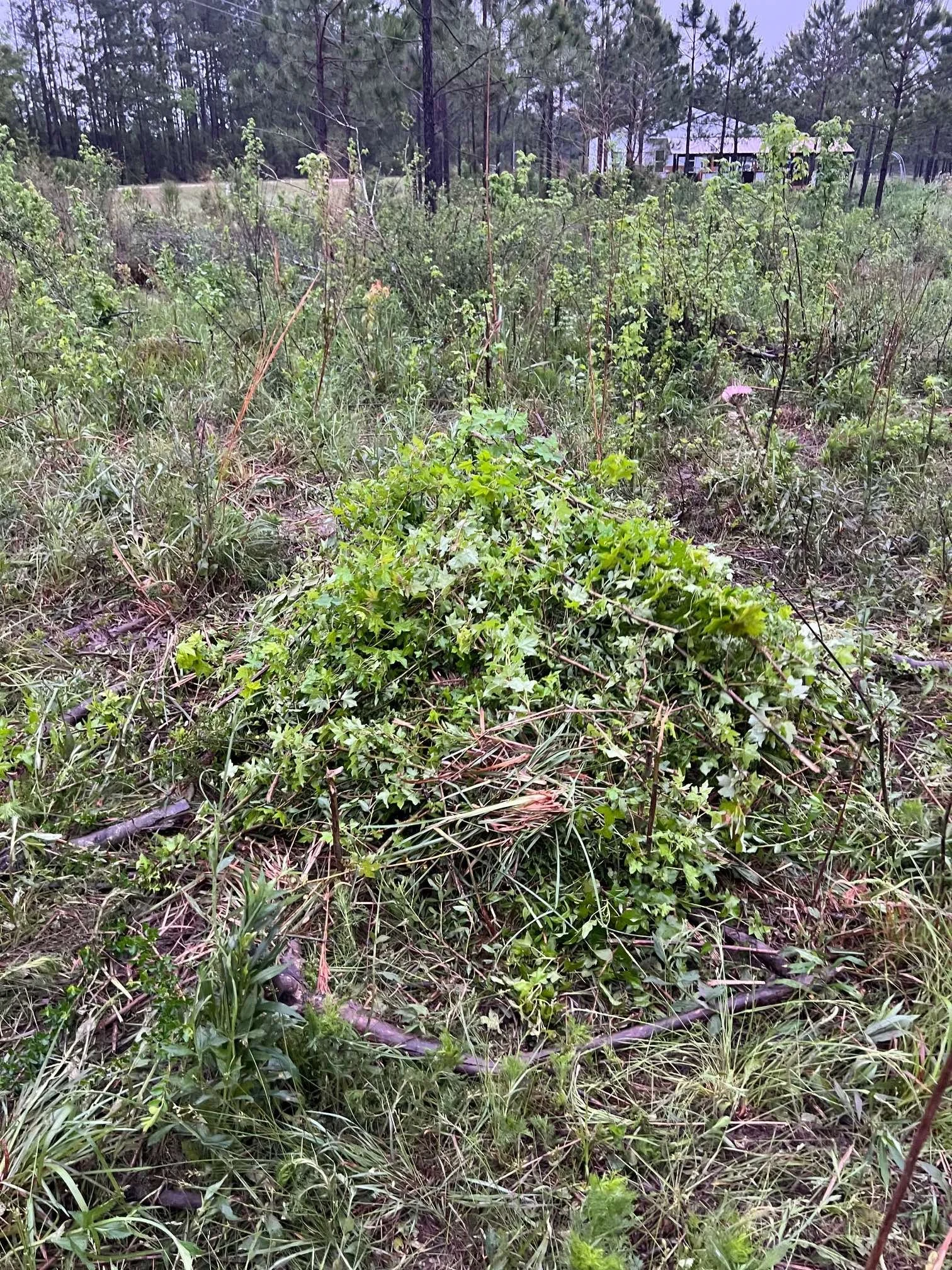
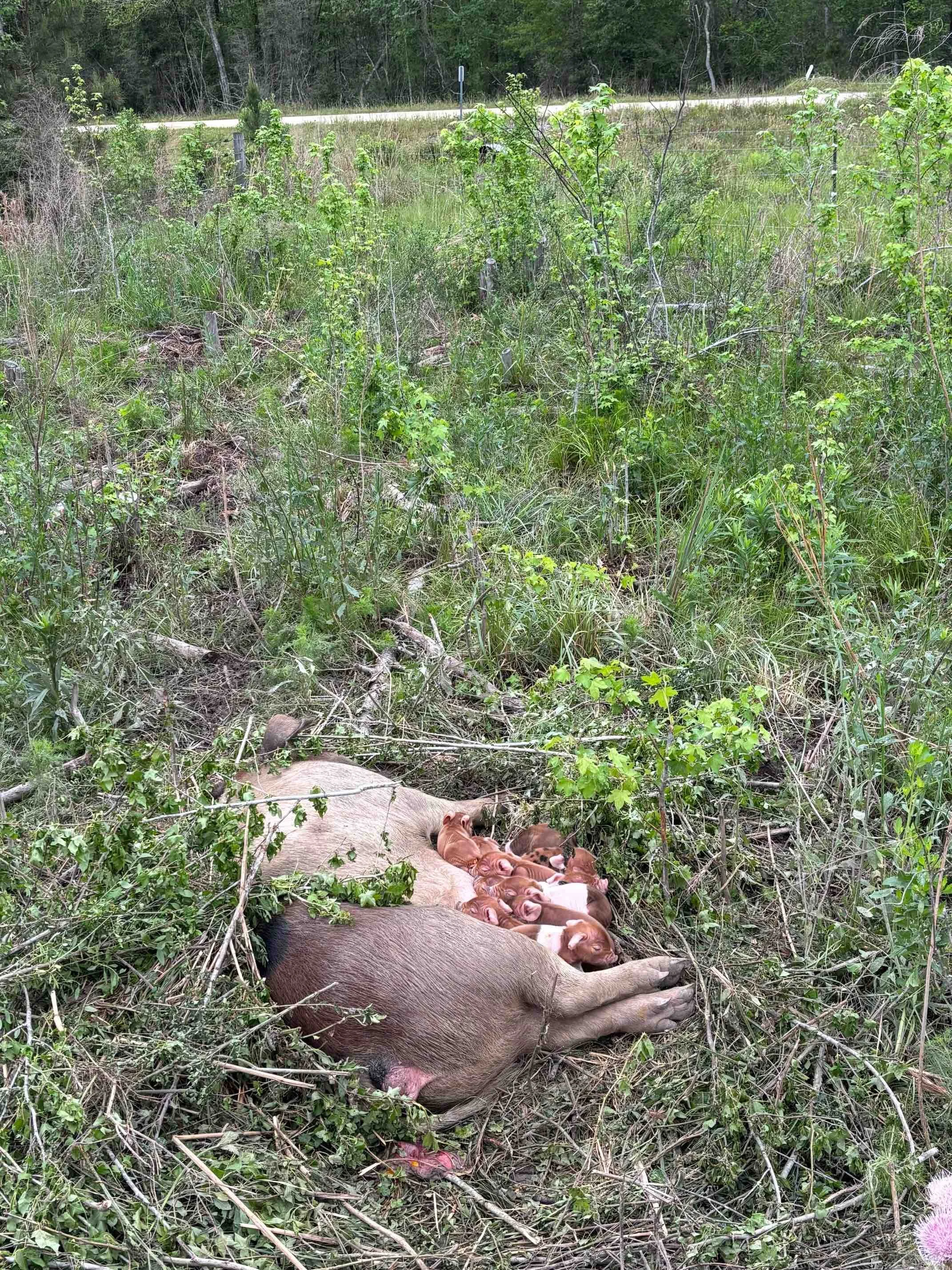
She then proceeded to spend the rest of the late night/early morning building an impressive nest with mostly sweet gum saplings at the far end of the farrowing barn paddock, about 150 feet away from the barn itself. I would give anything to know how much time she spent on it, my guess is at least 6 hours.
She was tunneled in there and when she noticed me, she started snapping her jaw in the warning way that only a hormonal pig does. Not a great sign. Instincts to protect her piglets are all well and good, but we try to select sows that are comfortable with us for our own safety if we have to intervene to help them.
Once she started having her litter, we were able to quietly sneak up on her and move some of the sticks out of the way so the piglets could actually get to the udder. A bunch of them were initially lined up on her back, not nursing and just waiting to get rolled on.
She's also lucky that she started having the piglets after the 4.1 inches of rain we got Saturday and Sunday morning and there wasn’t any more rain forecasted for the rest of the week!
By this point, a week later, she has been bringing them up to the farrowing barn and has been using her push drinker in there and we’ve gone back to feeding her in there instead of closer to her initial nest. Because of the lack of rain forecasted, her aggressiveness and her ability to keep all but one alive in the field, there’s no reason to confine them in the stall at this point.
By this weekend, we should get hog panels up next to the farrowing barn to let the other two litters out, too!
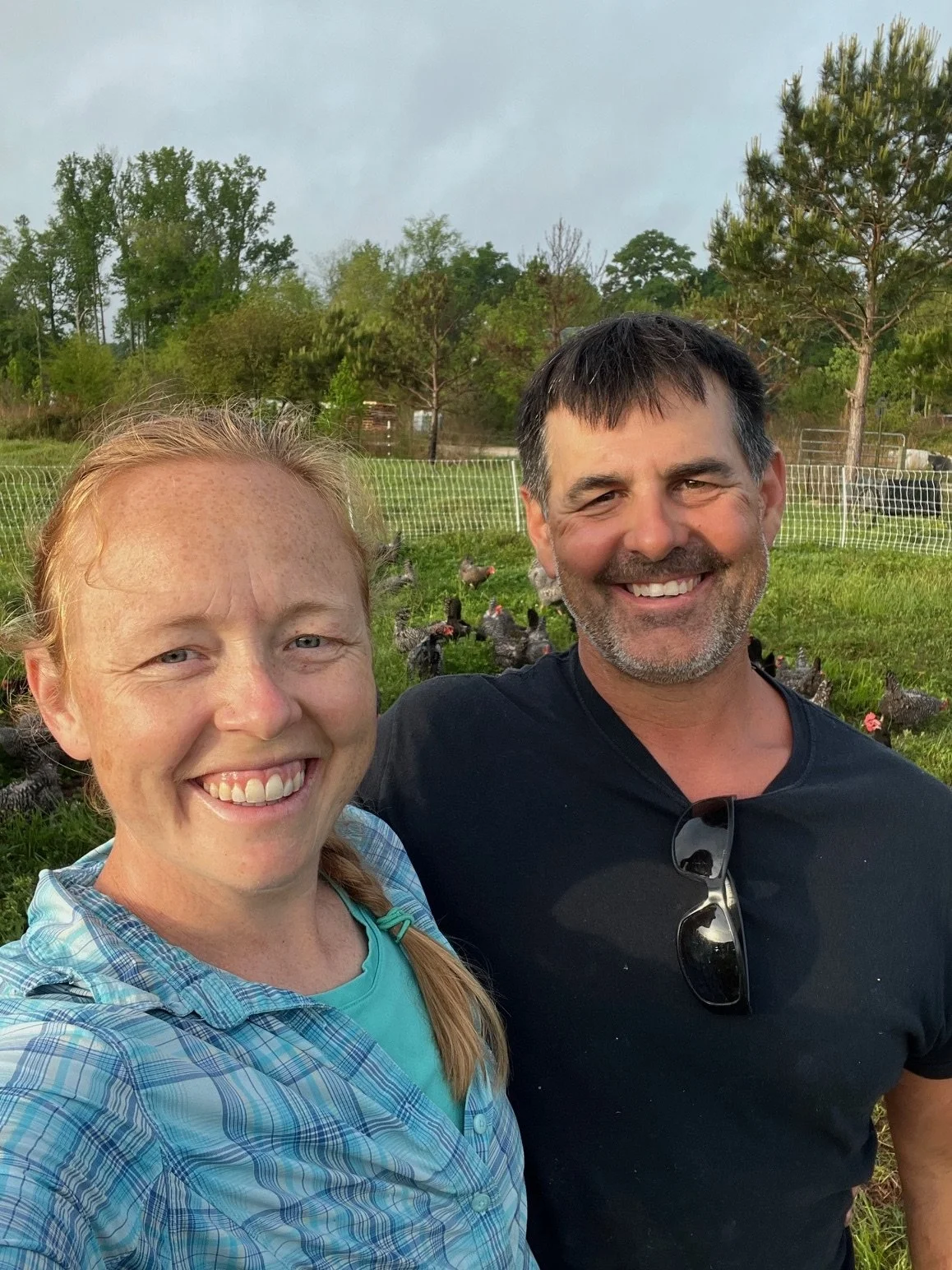
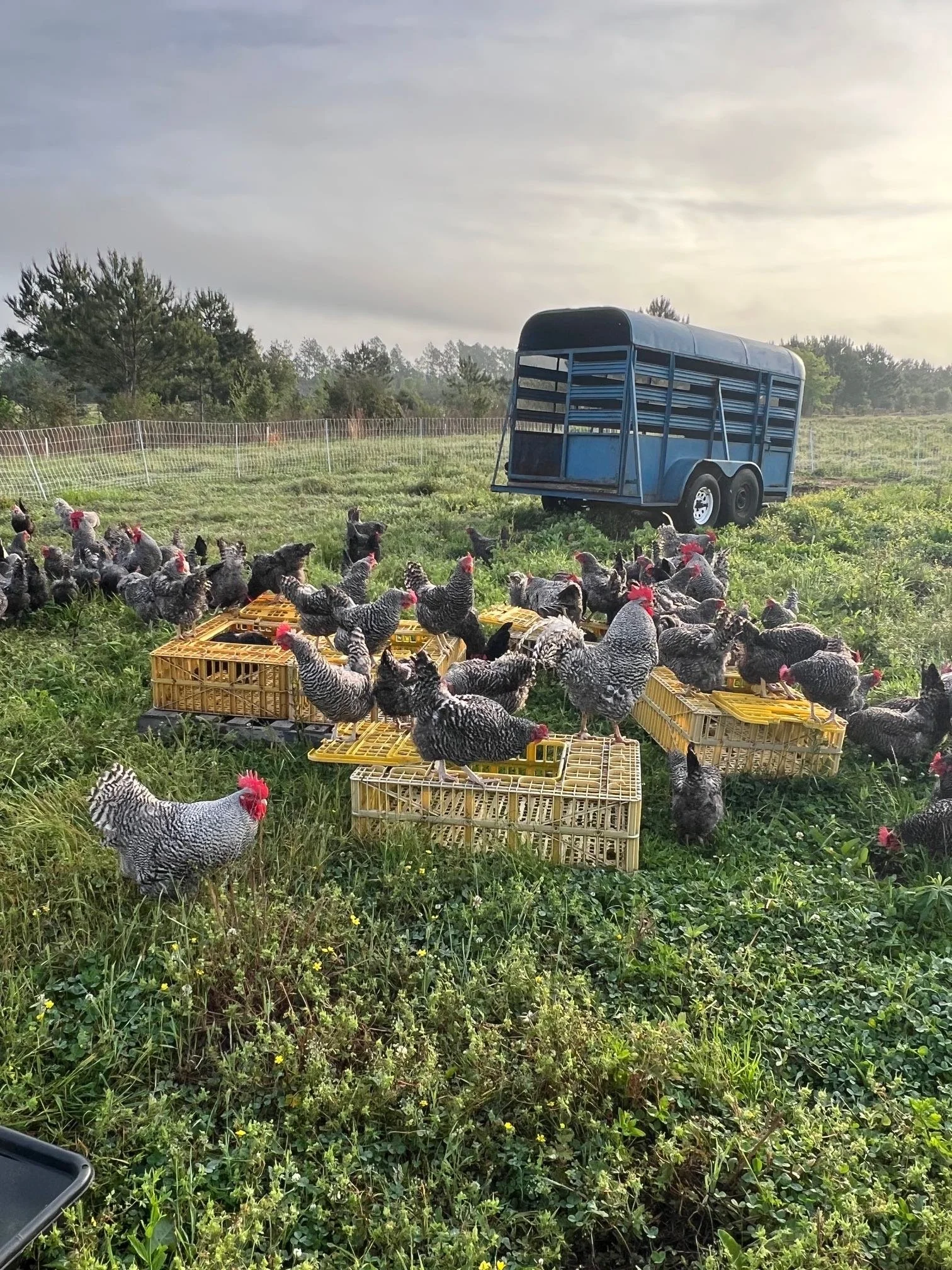
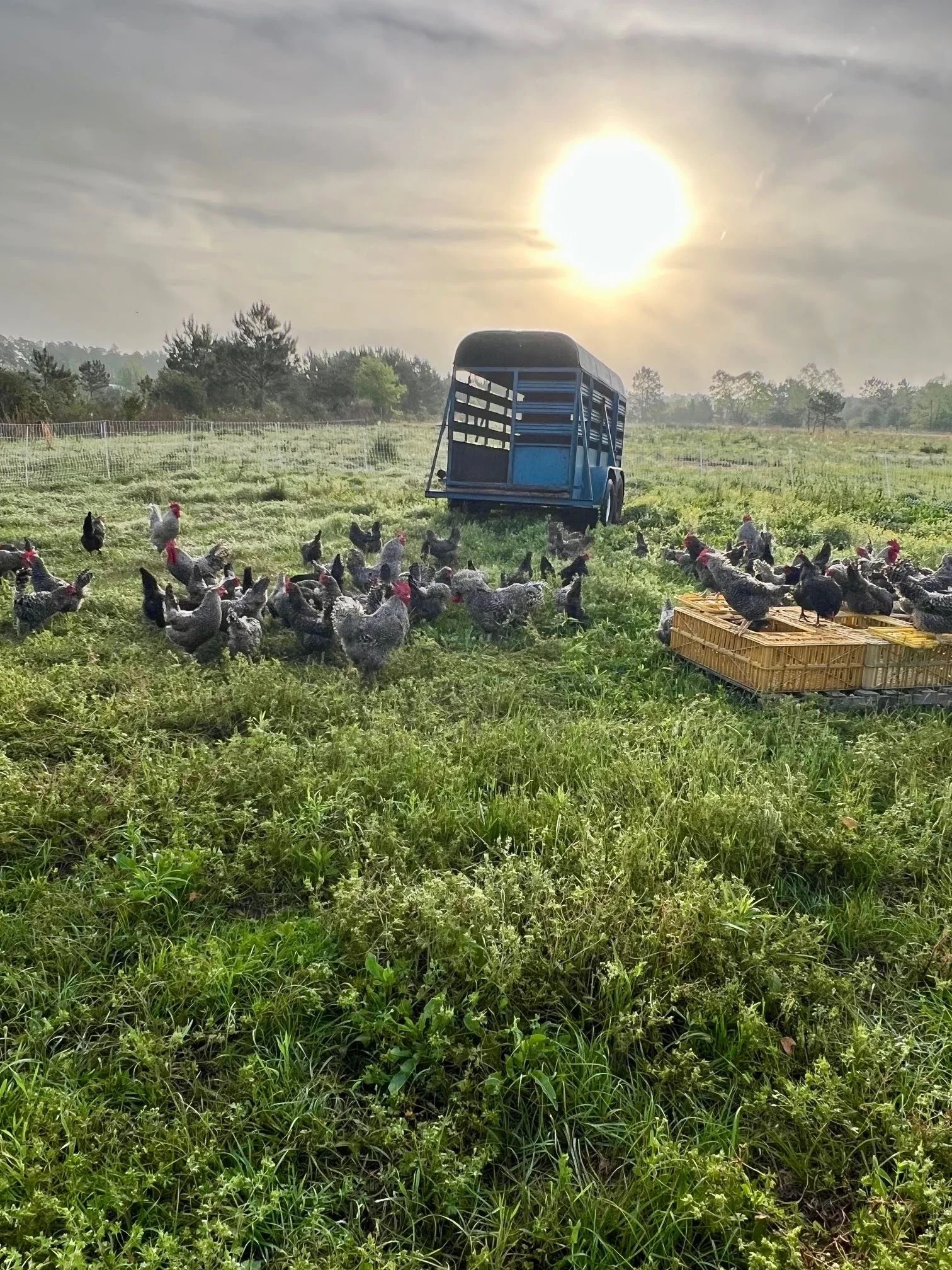
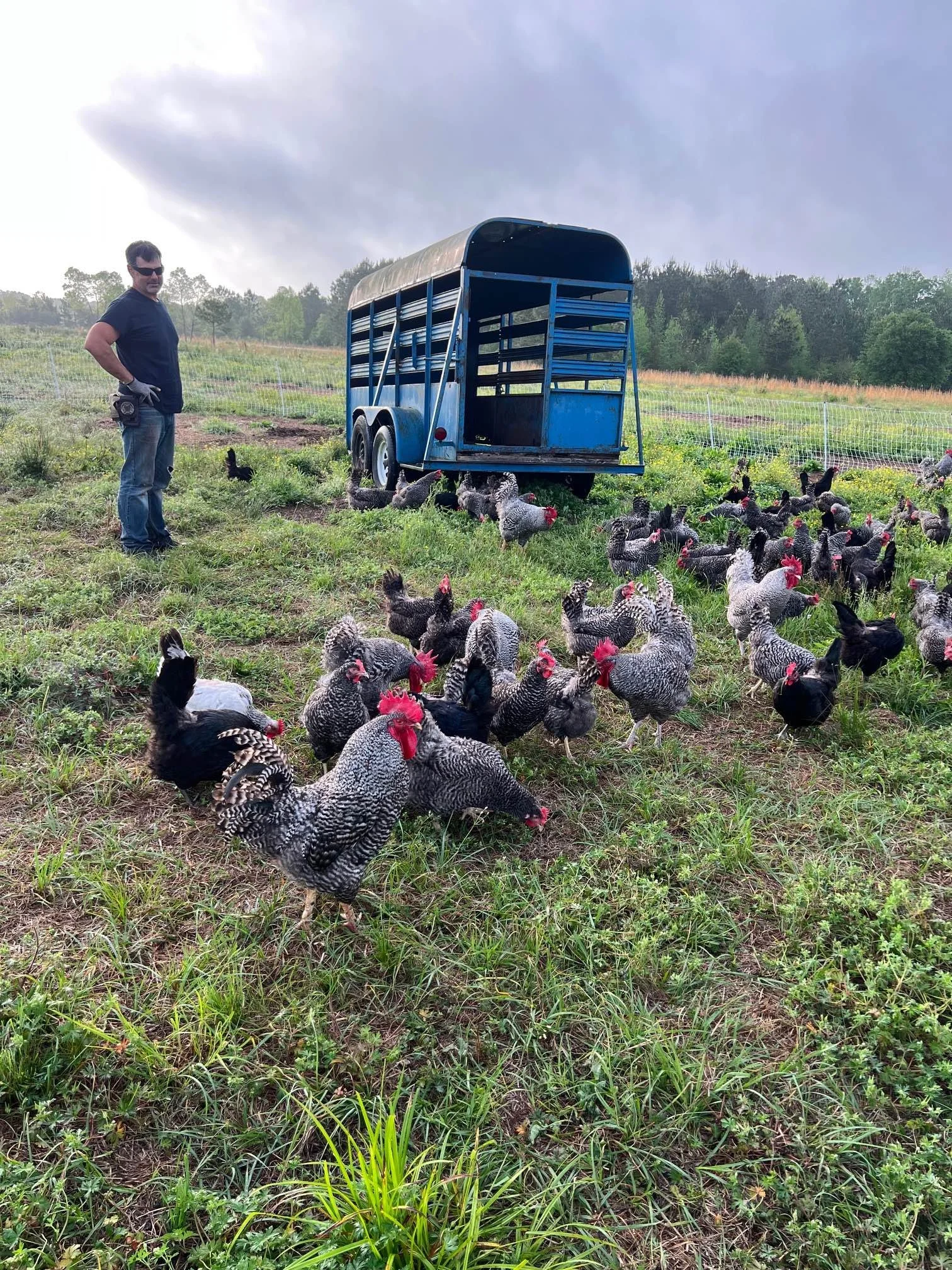
Grant and I celebrated our 10th wedding anniversary on April 2nd by getting outside at 5 am to move a flock of chickens in the dark!
Chickens are night blind and therefore are calmer and easier to catch in the dark.
We moved the breeding flock of birds we ordered as hatching eggs from one of our mentor farms last year.
They hatched in June, we raised them up to laying age, waited for their eggs to get to full size and then we wanted to get two full incubator hatches of 528 eggs out of them before we moved from their protected and secured hoophouse to pasture, where they're more susceptible to predation.
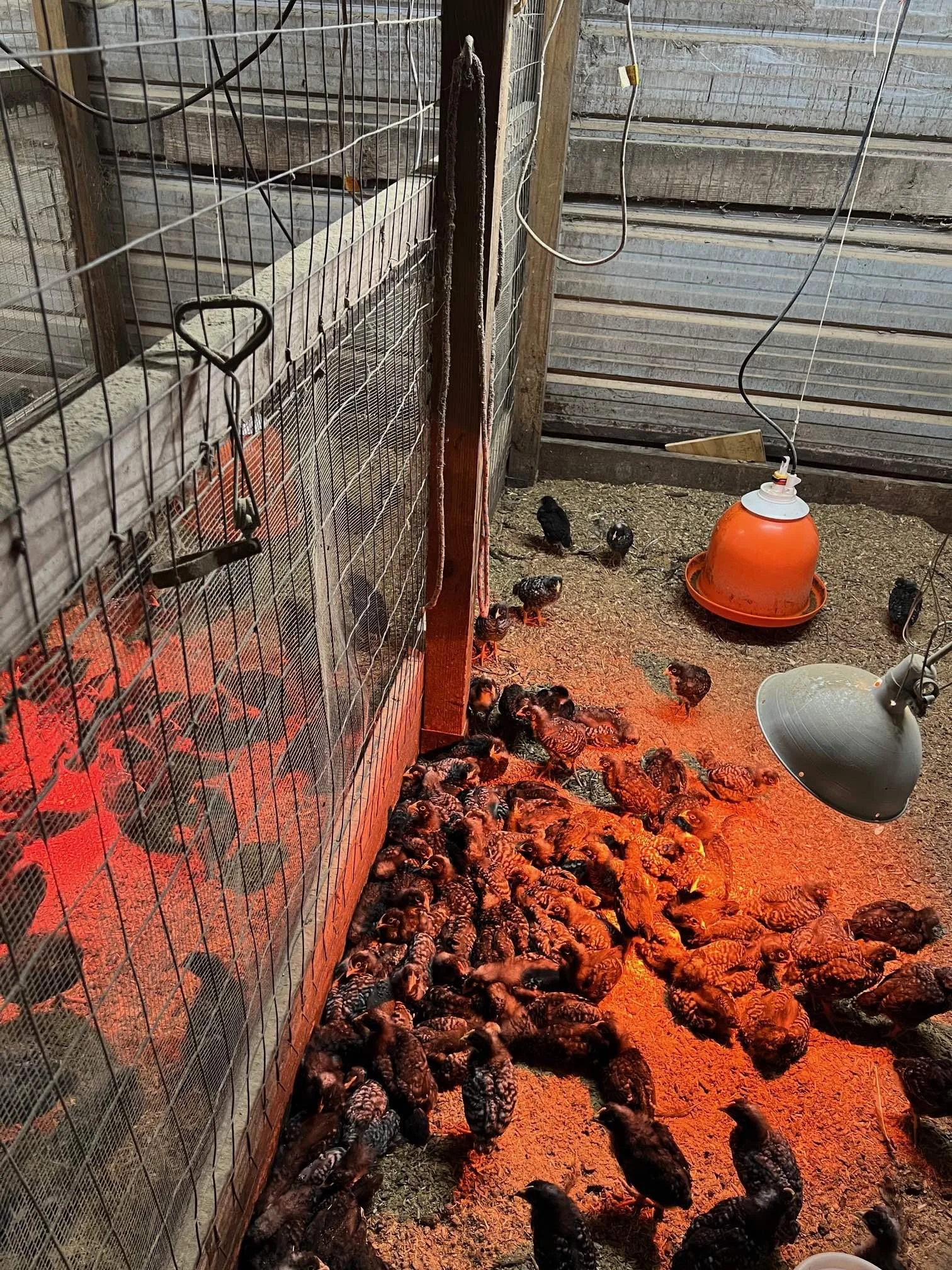
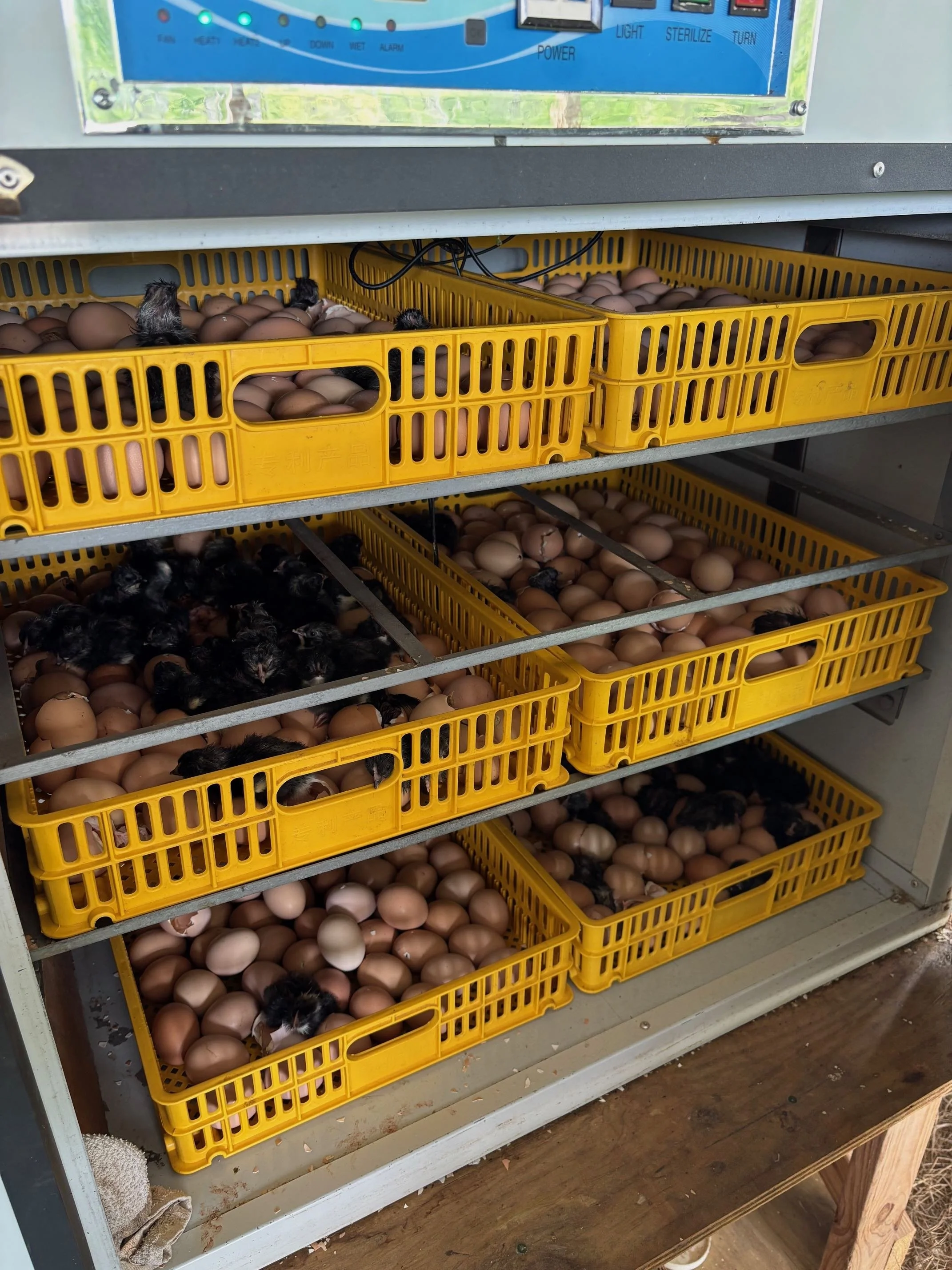
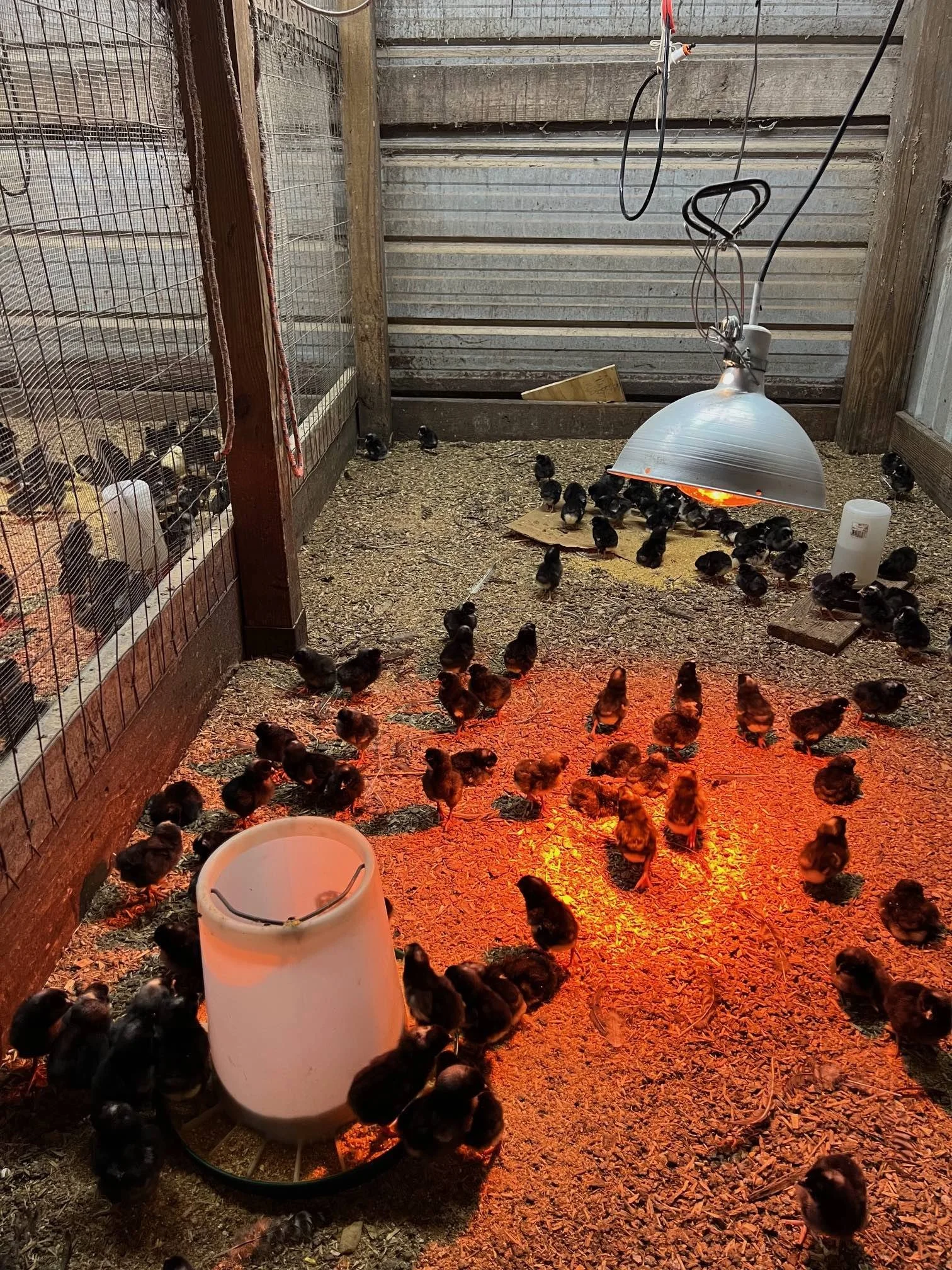
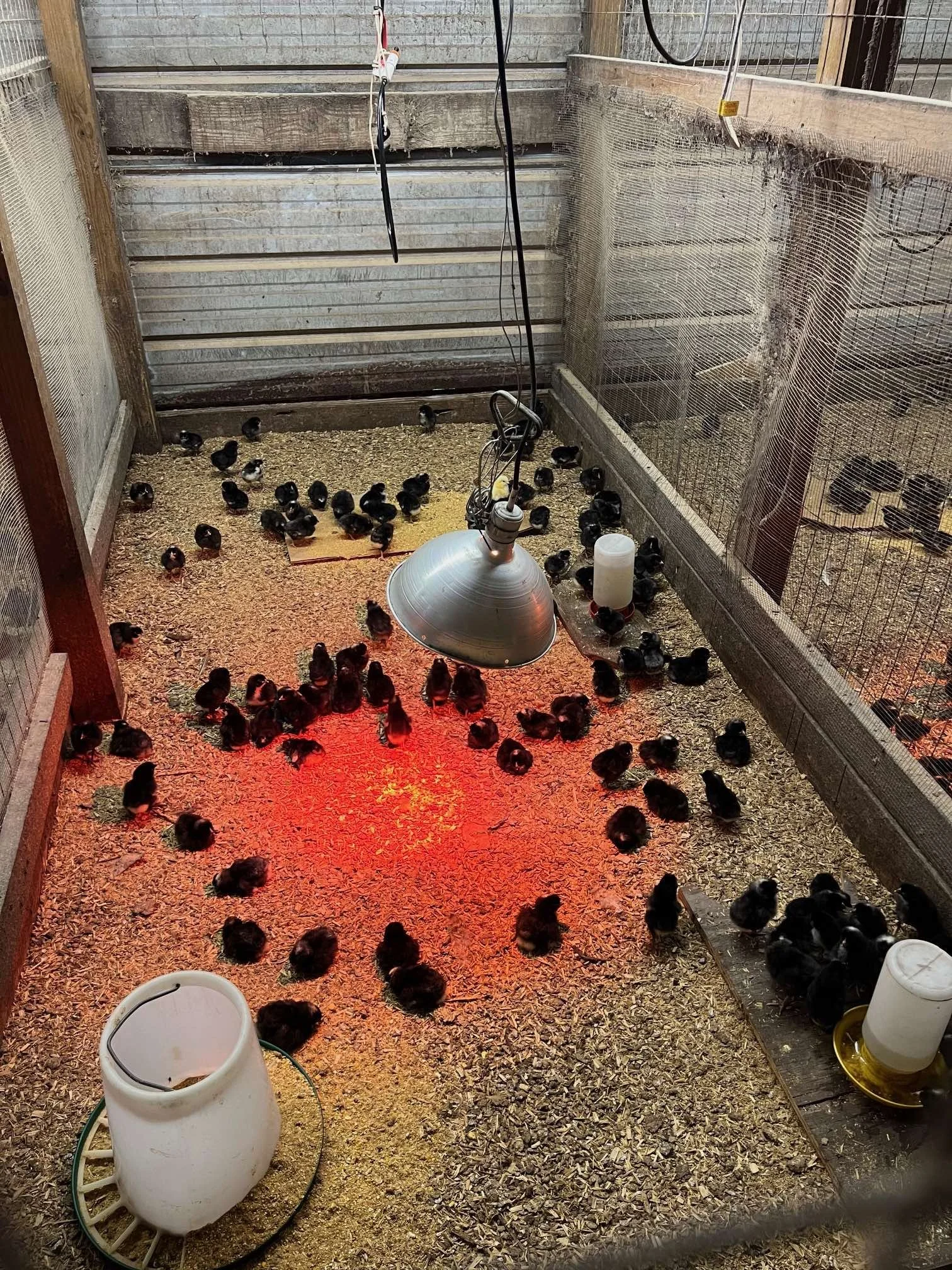
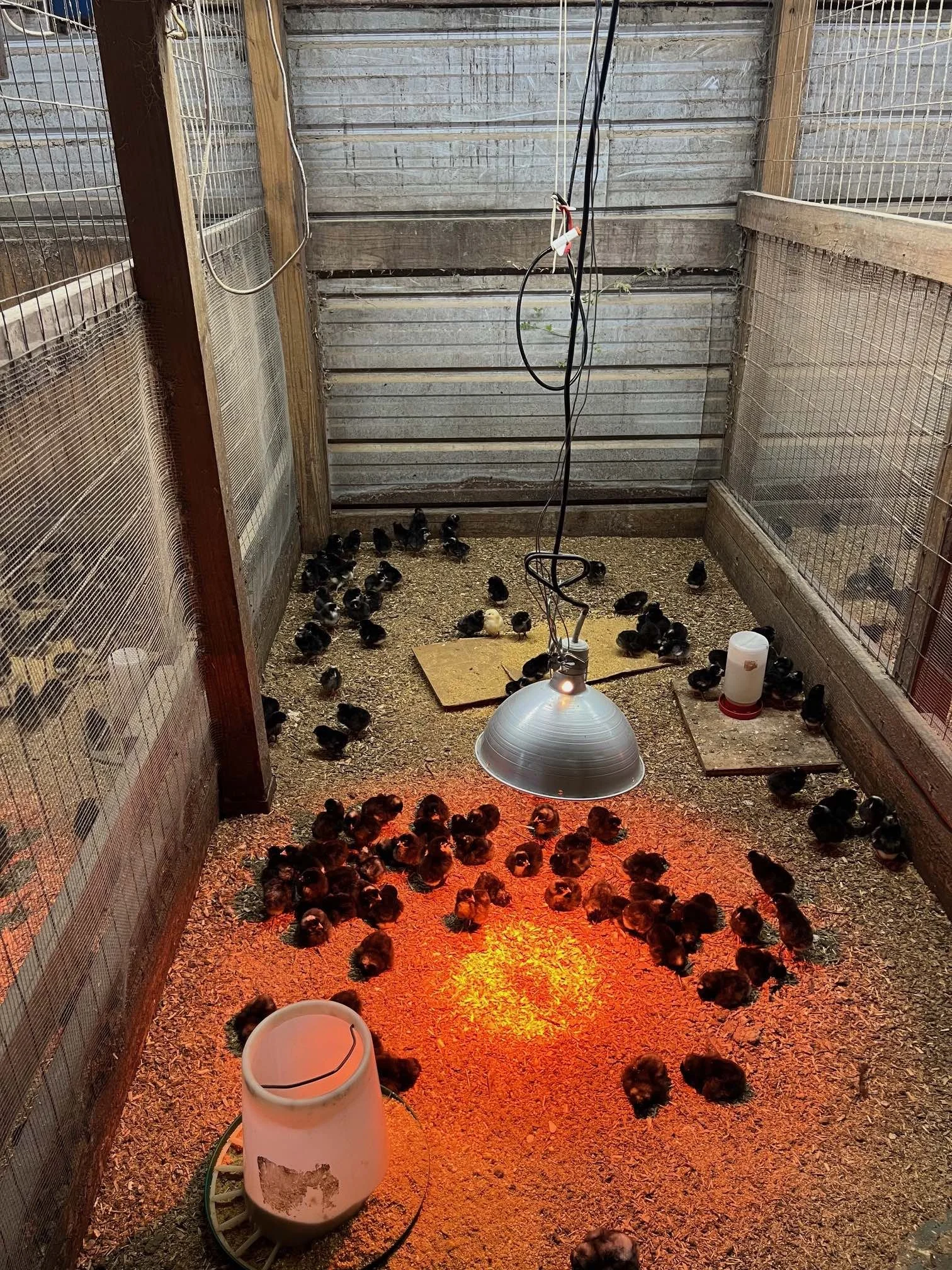
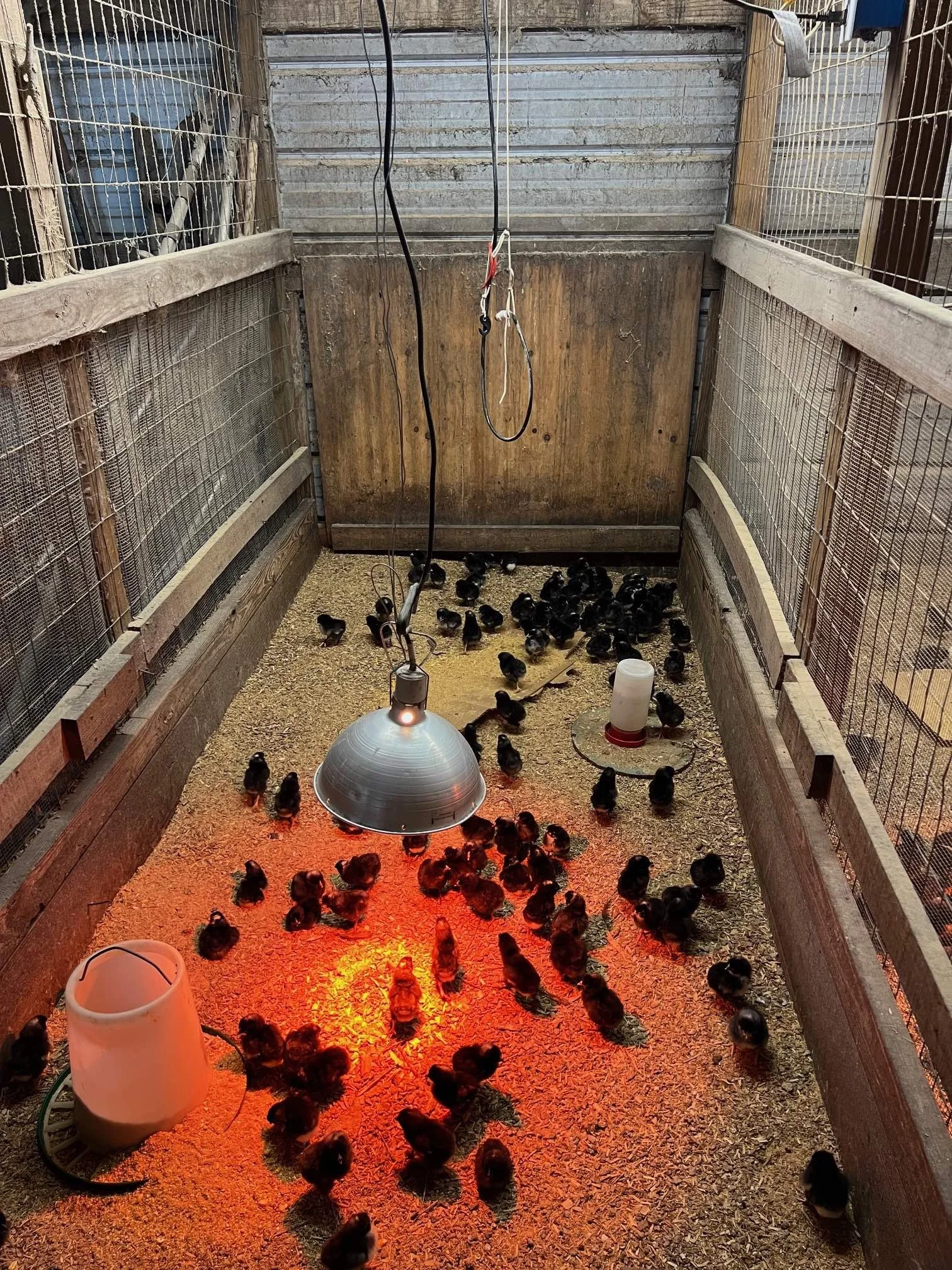
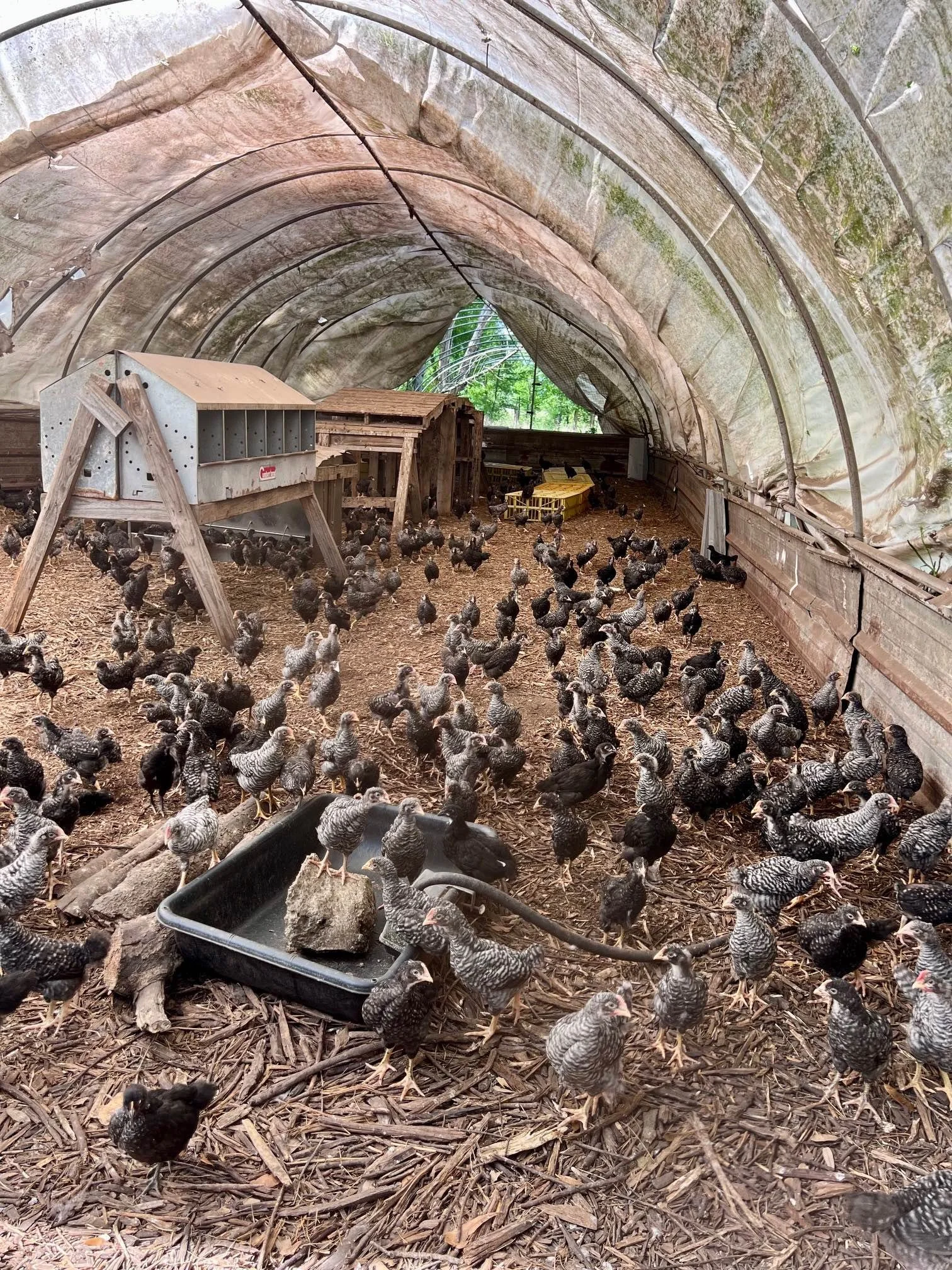
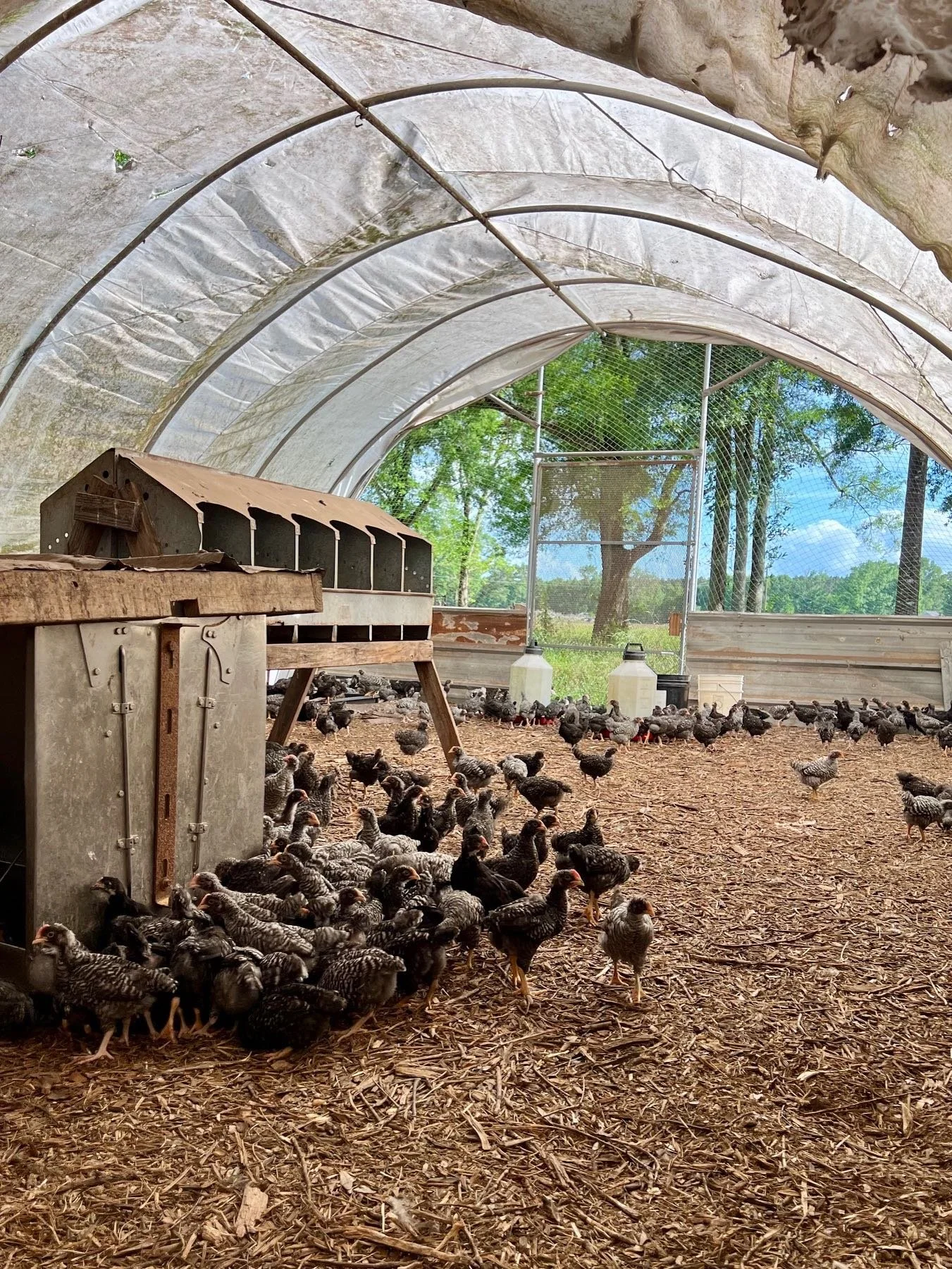
The first batch hatched on March 11th and are continuing to do very well. The first picture is one of the four stalls of them at three weeks old, just before we moved them to the hoophouse. The last two pictures are from this weekend and they’ve grown a lot even in the 10 days since they moved over there!
We had to get the brooder stalls free to move in the next batch of 460+ chicks that hatched on April 2nd. They’ve been doing great, too!
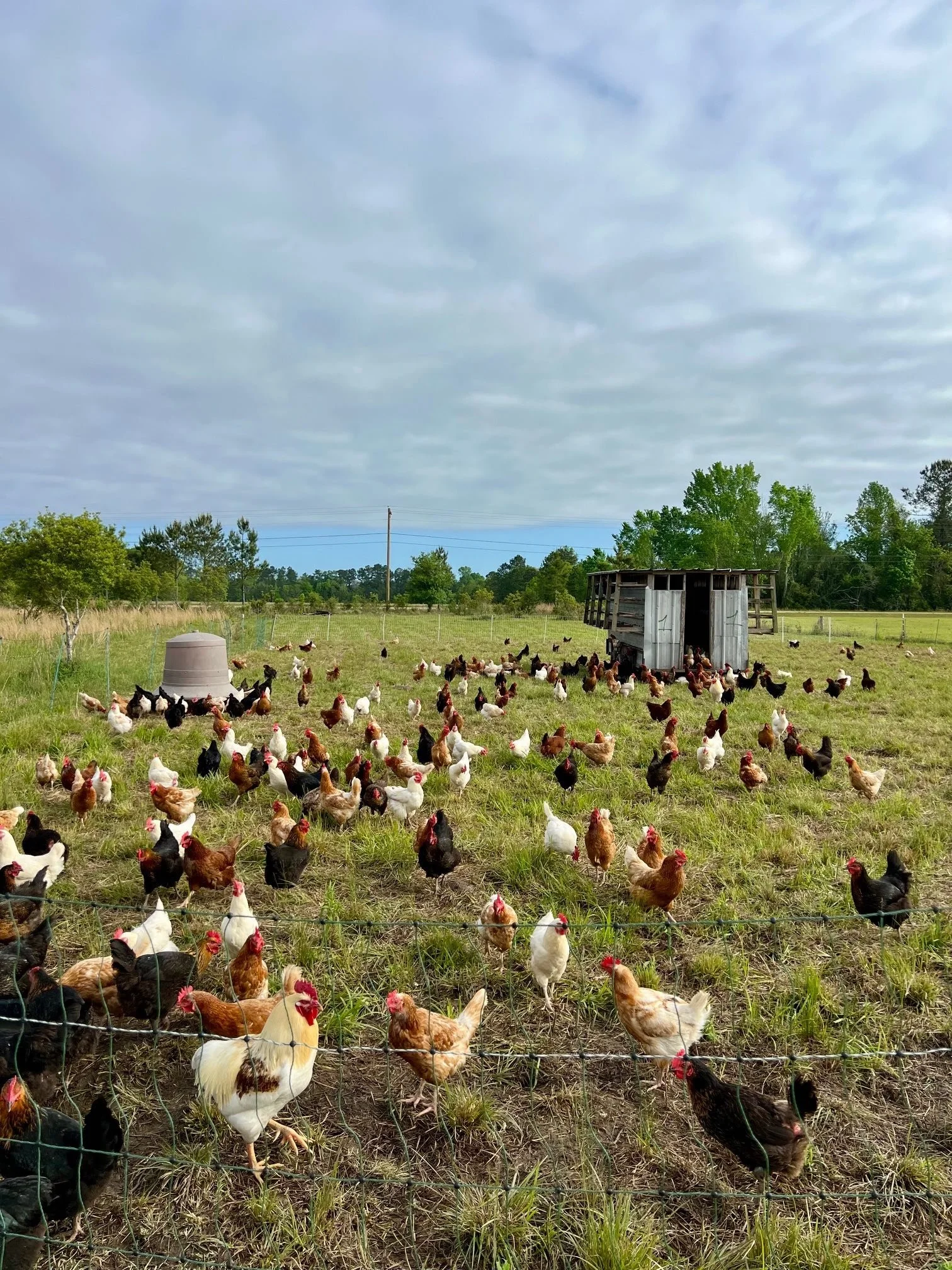
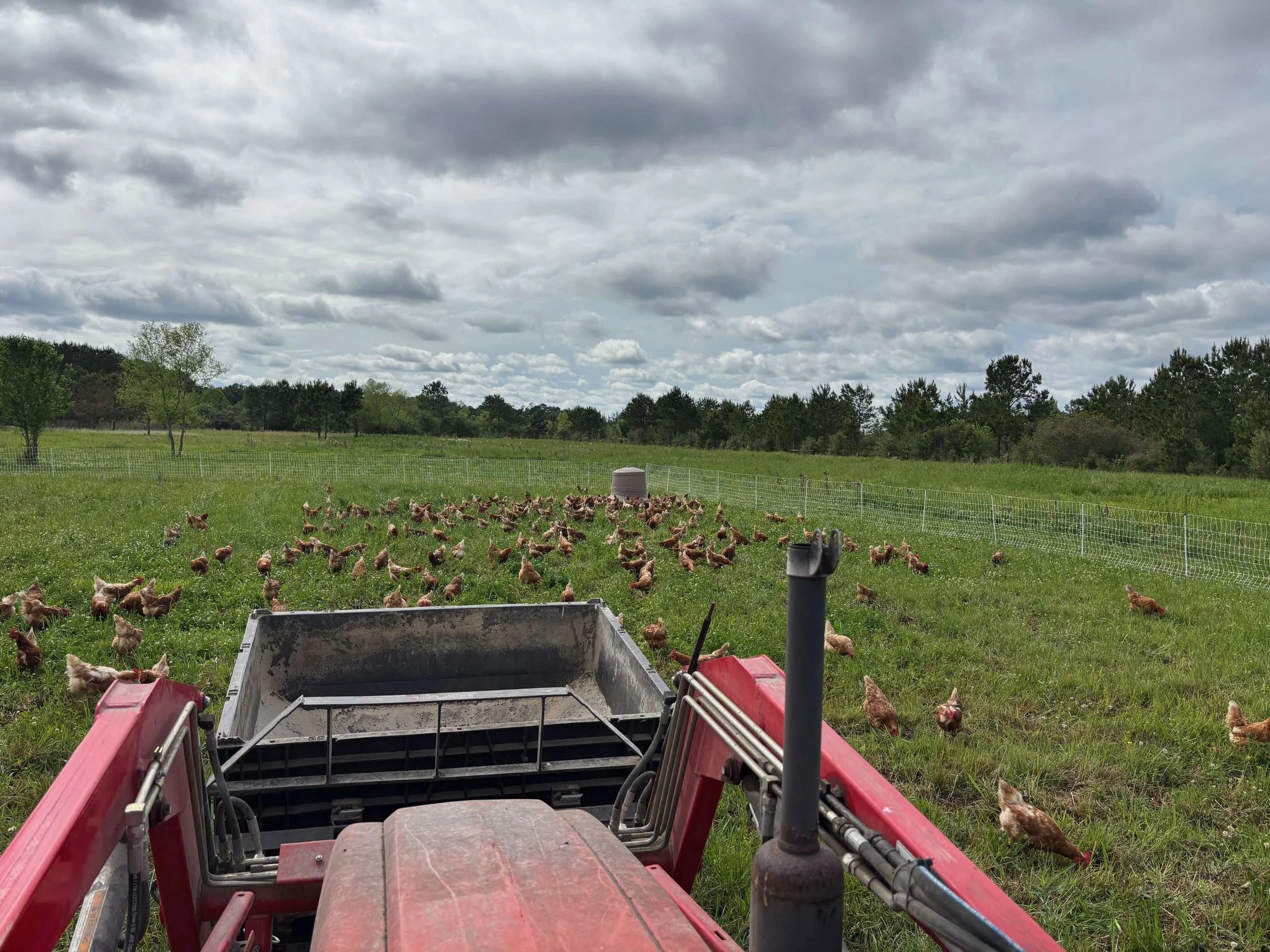
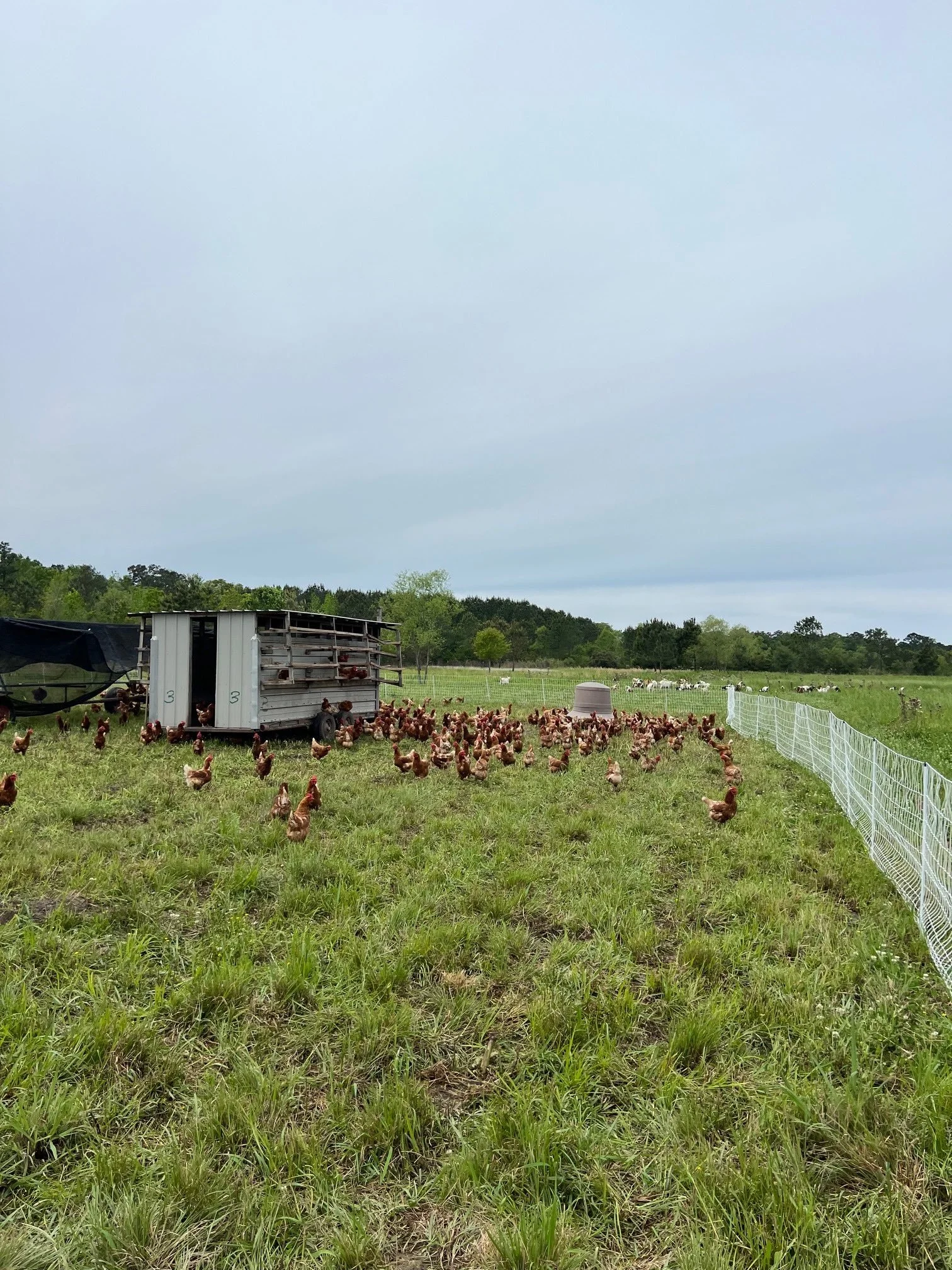
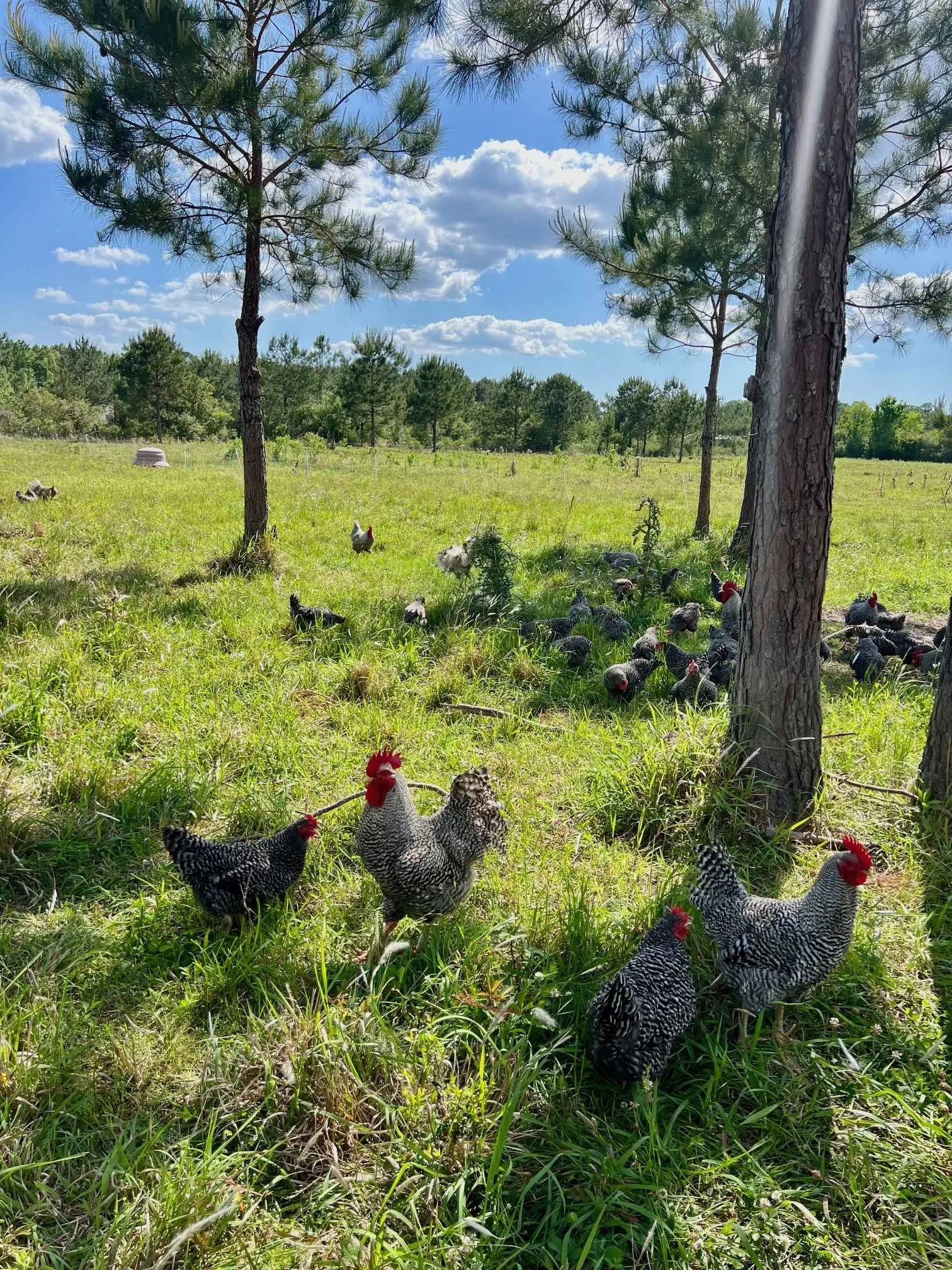
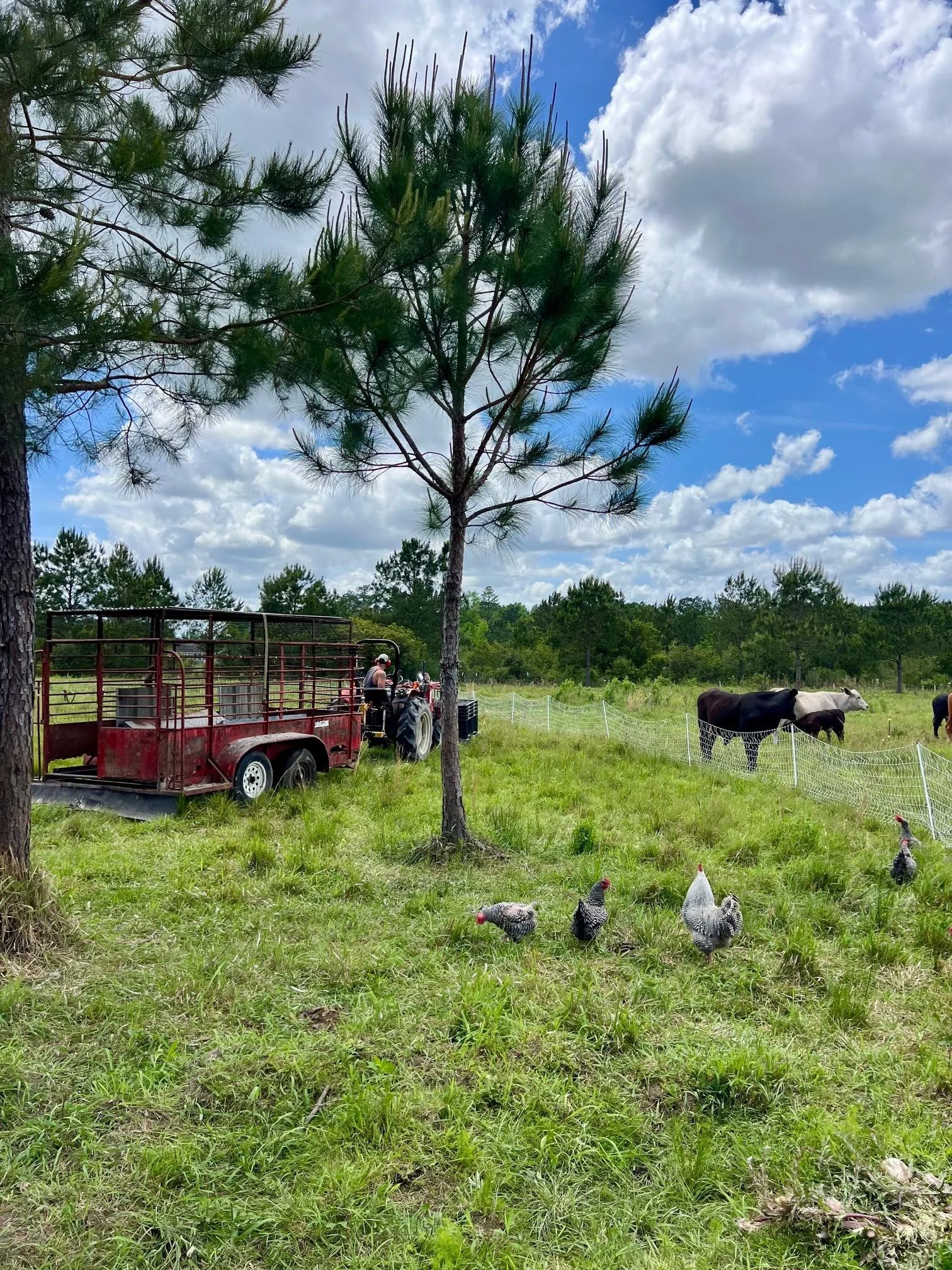
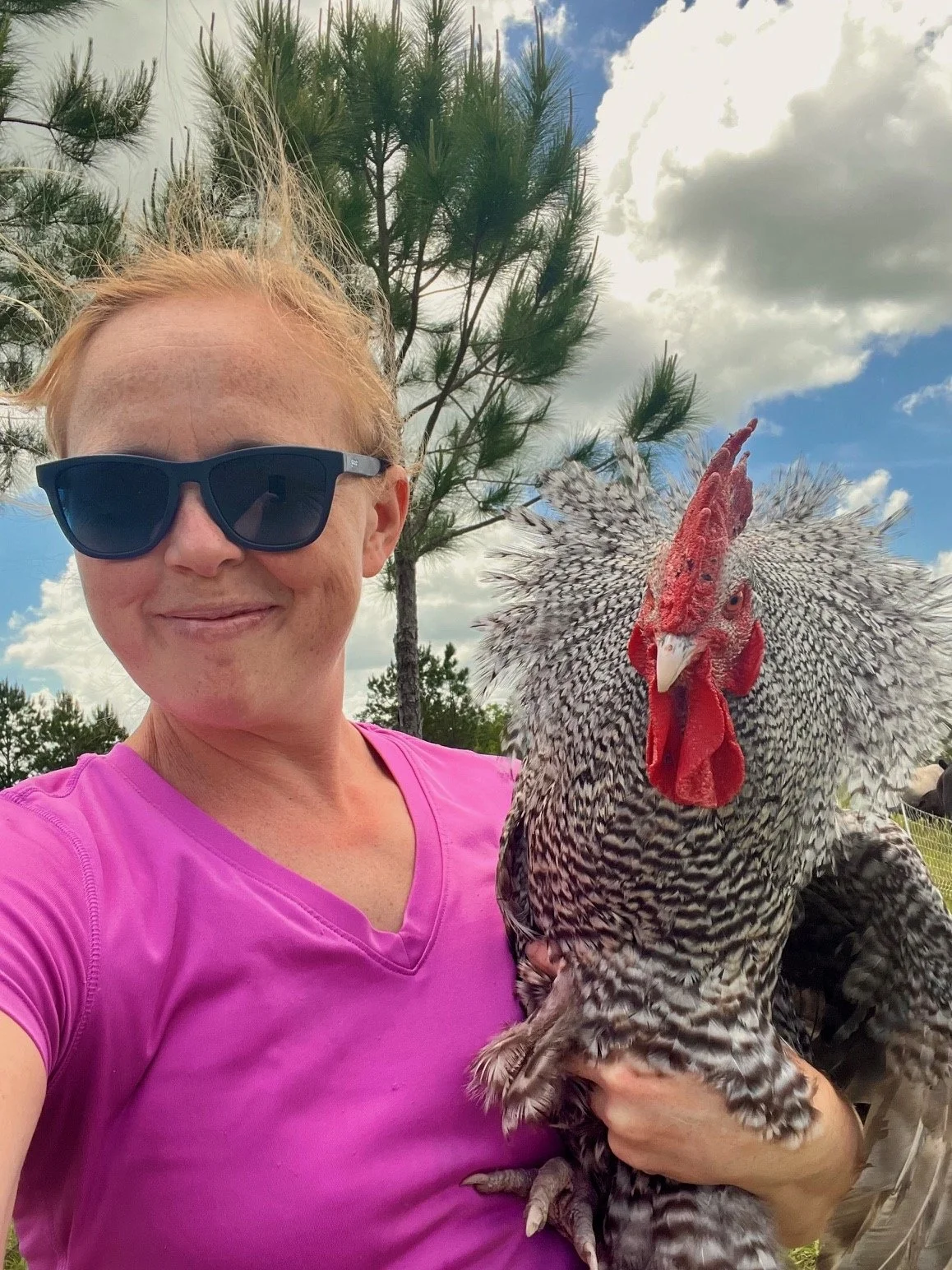
Meanwhile the Gerrys (the combined oldest flock, aka the Geriatrics), Flock 3 of Isa Browns and our Barred Rock breeding flock are continuing their spring pasture rotations. The cattle were very curious about the moving the Barred Rock flock this weekend (and jealous of their chicken feed since we don’t feed them grain!).
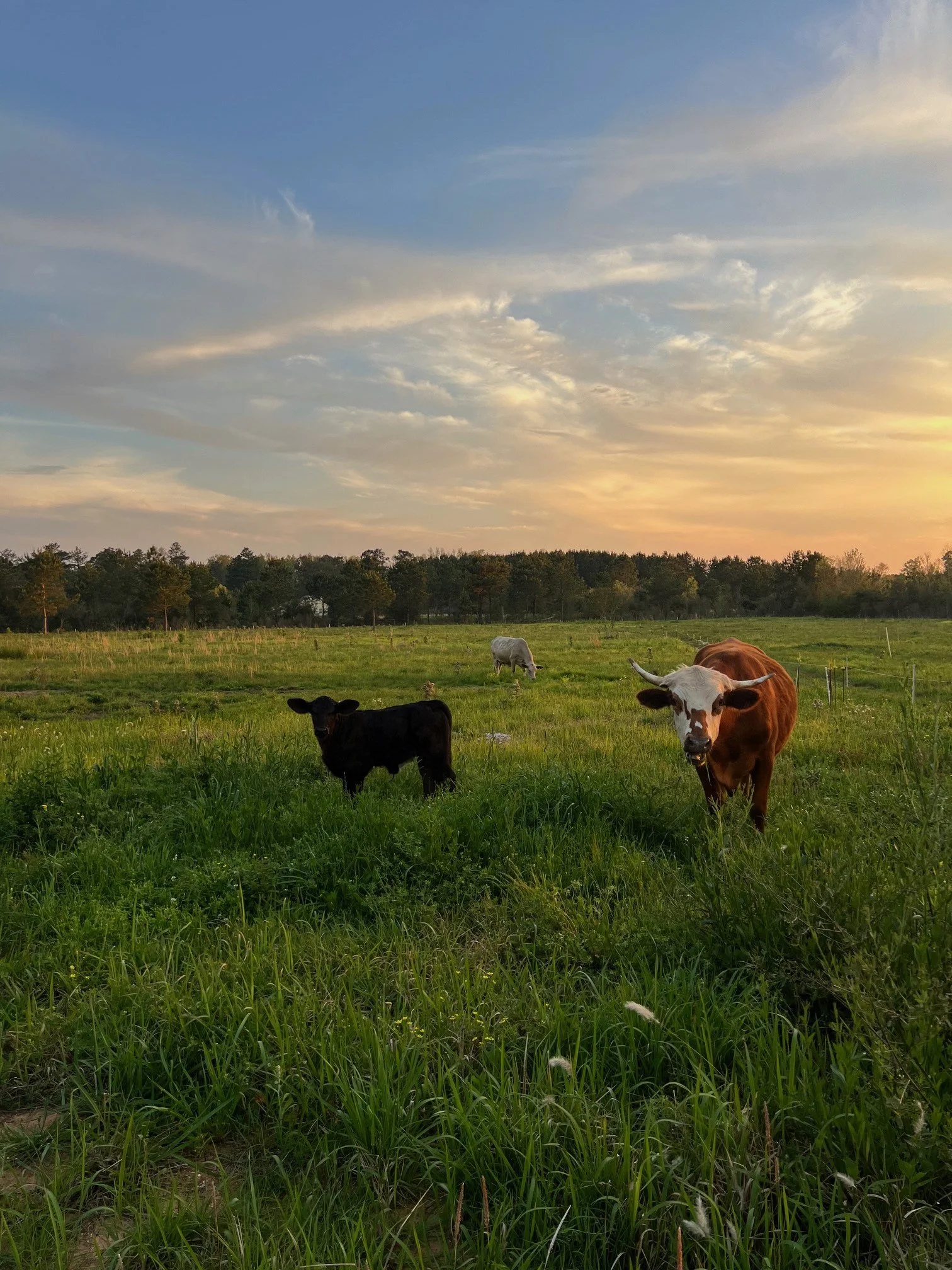
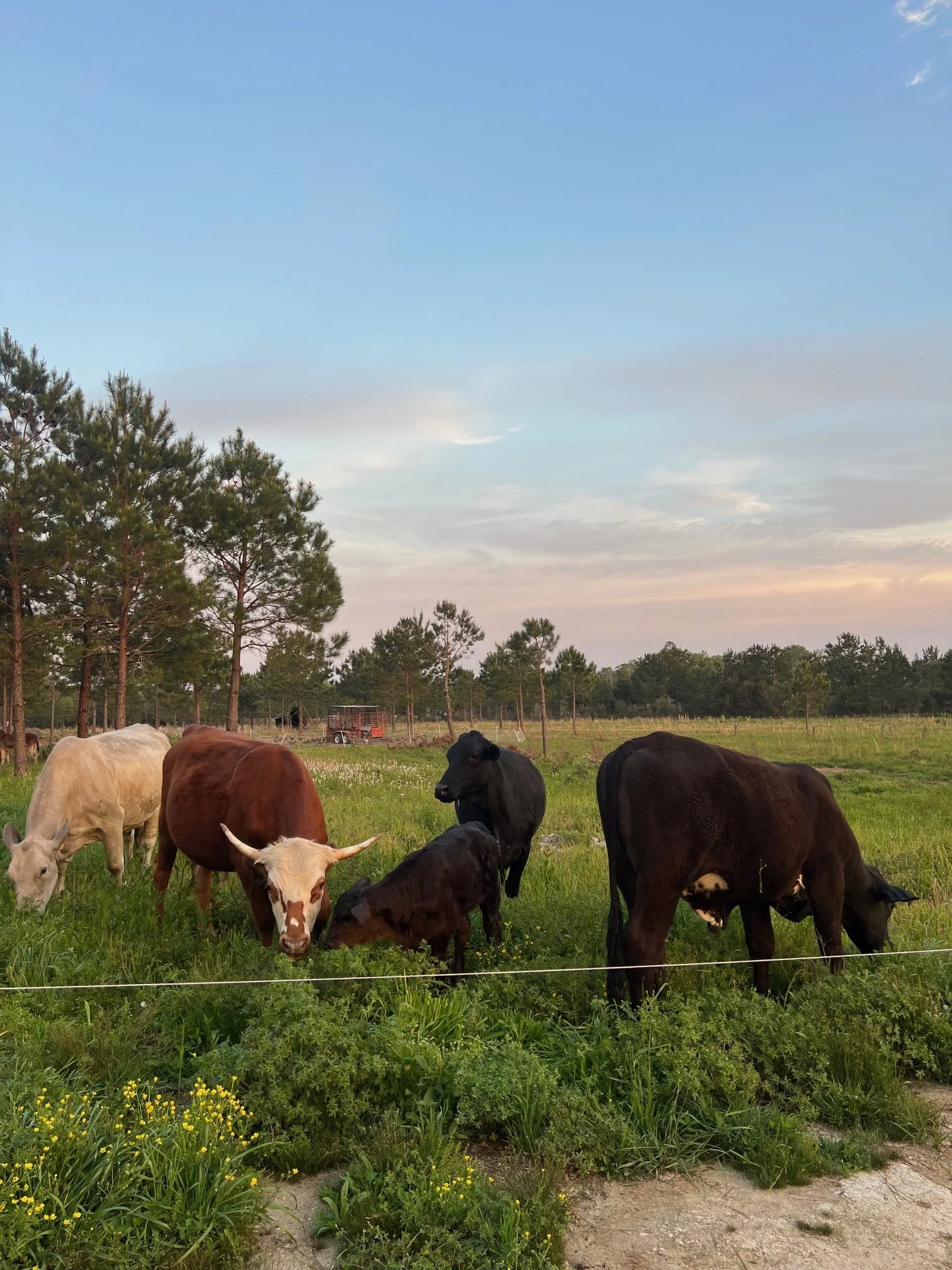
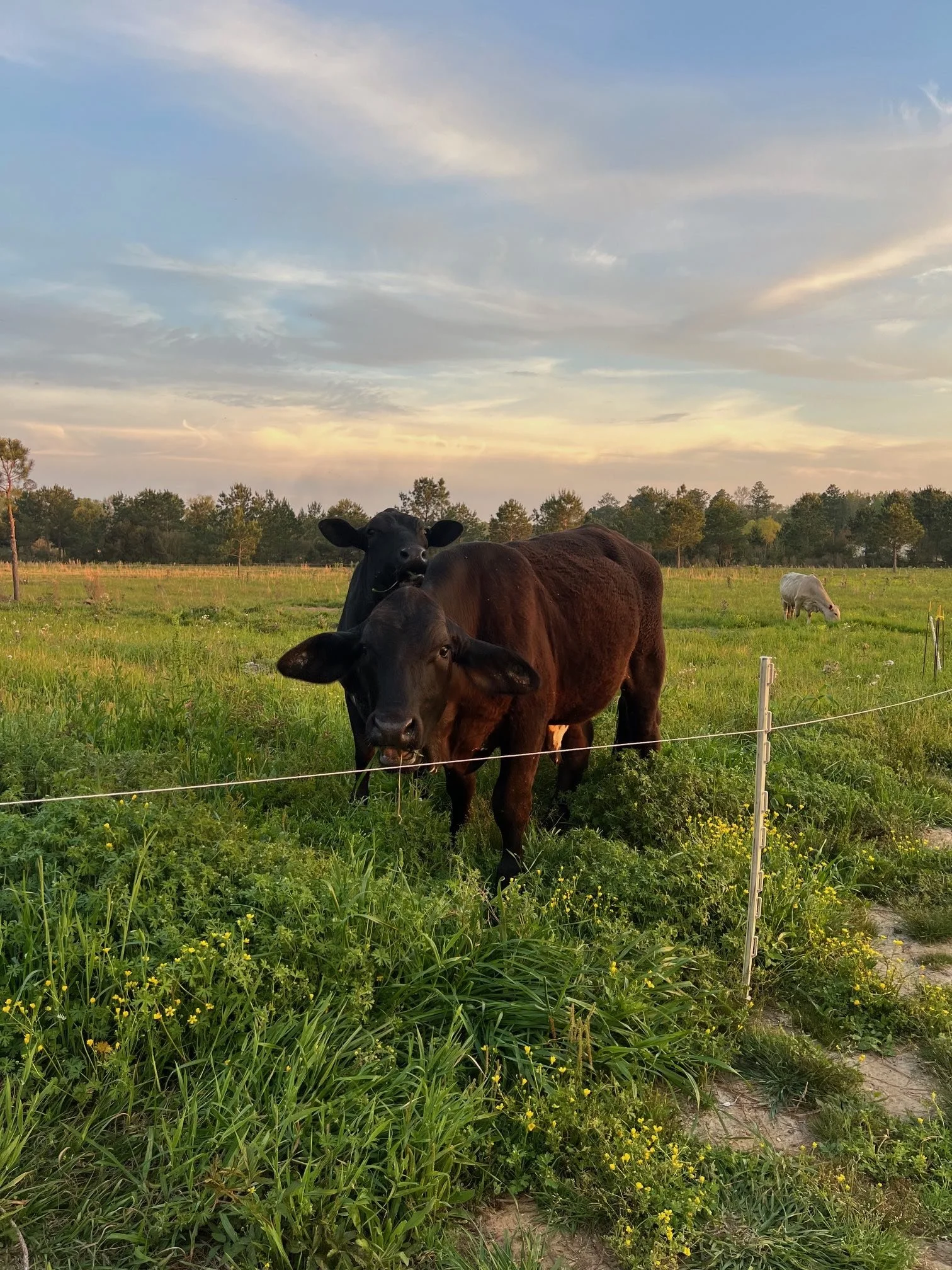
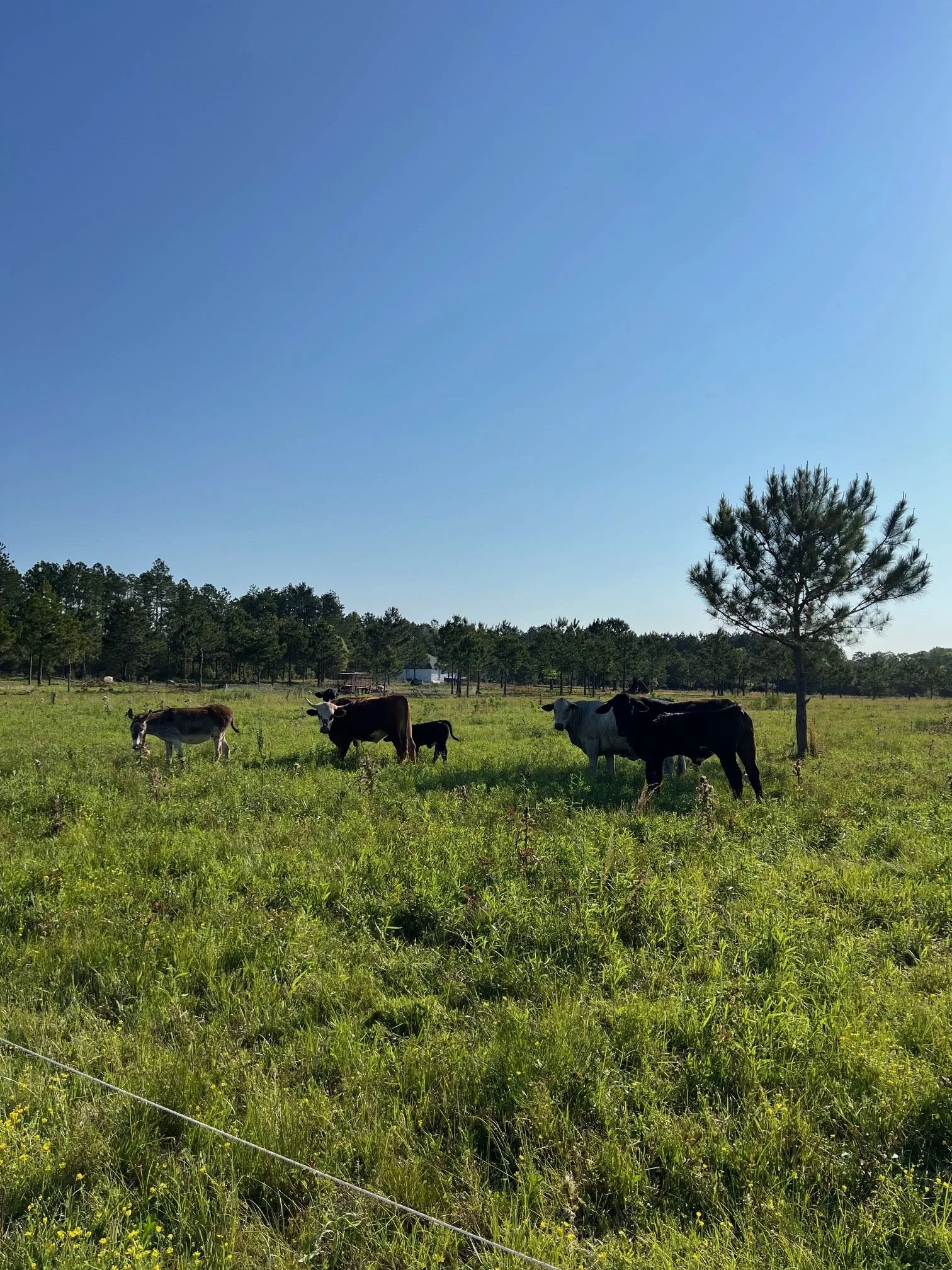
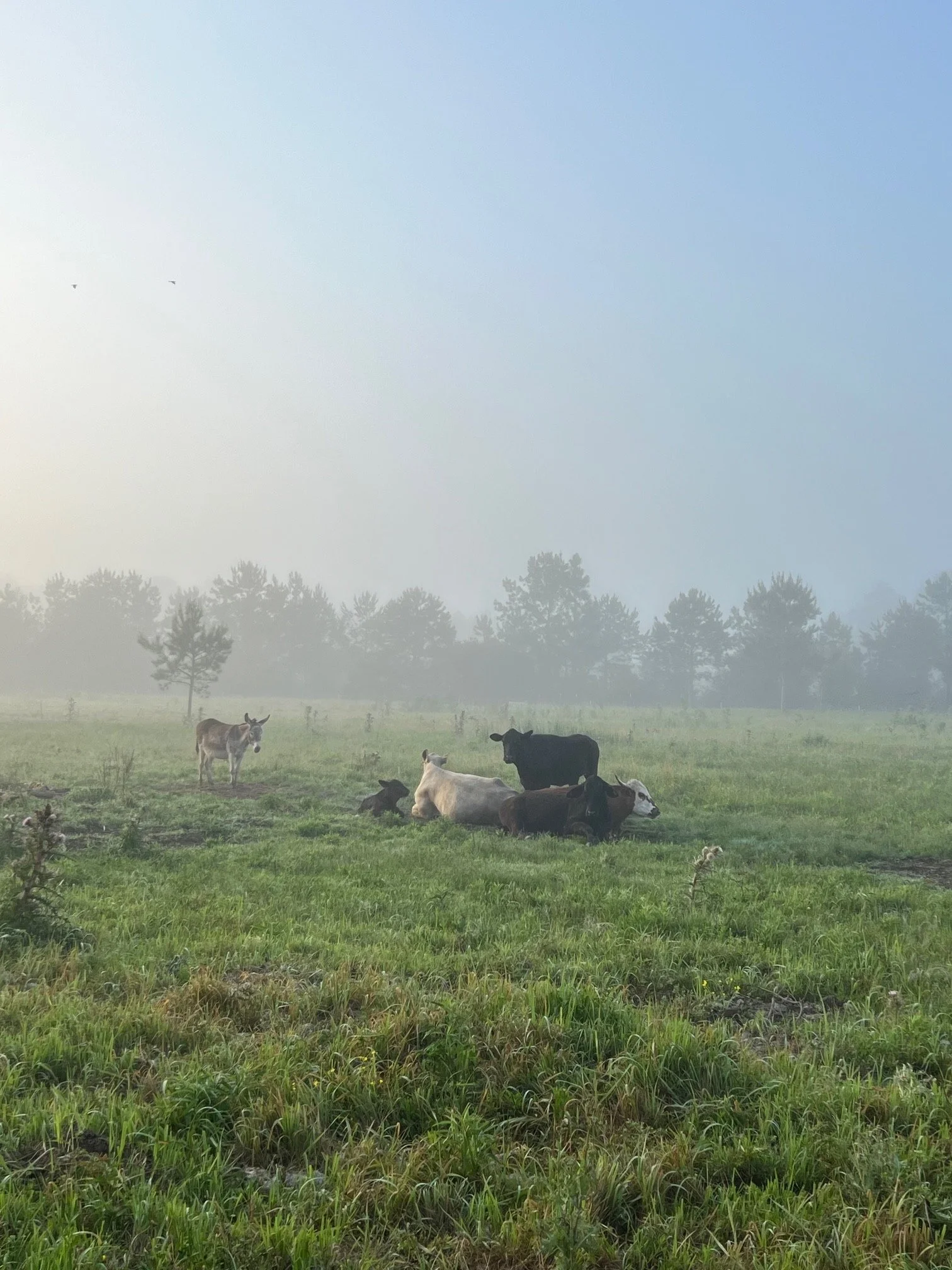
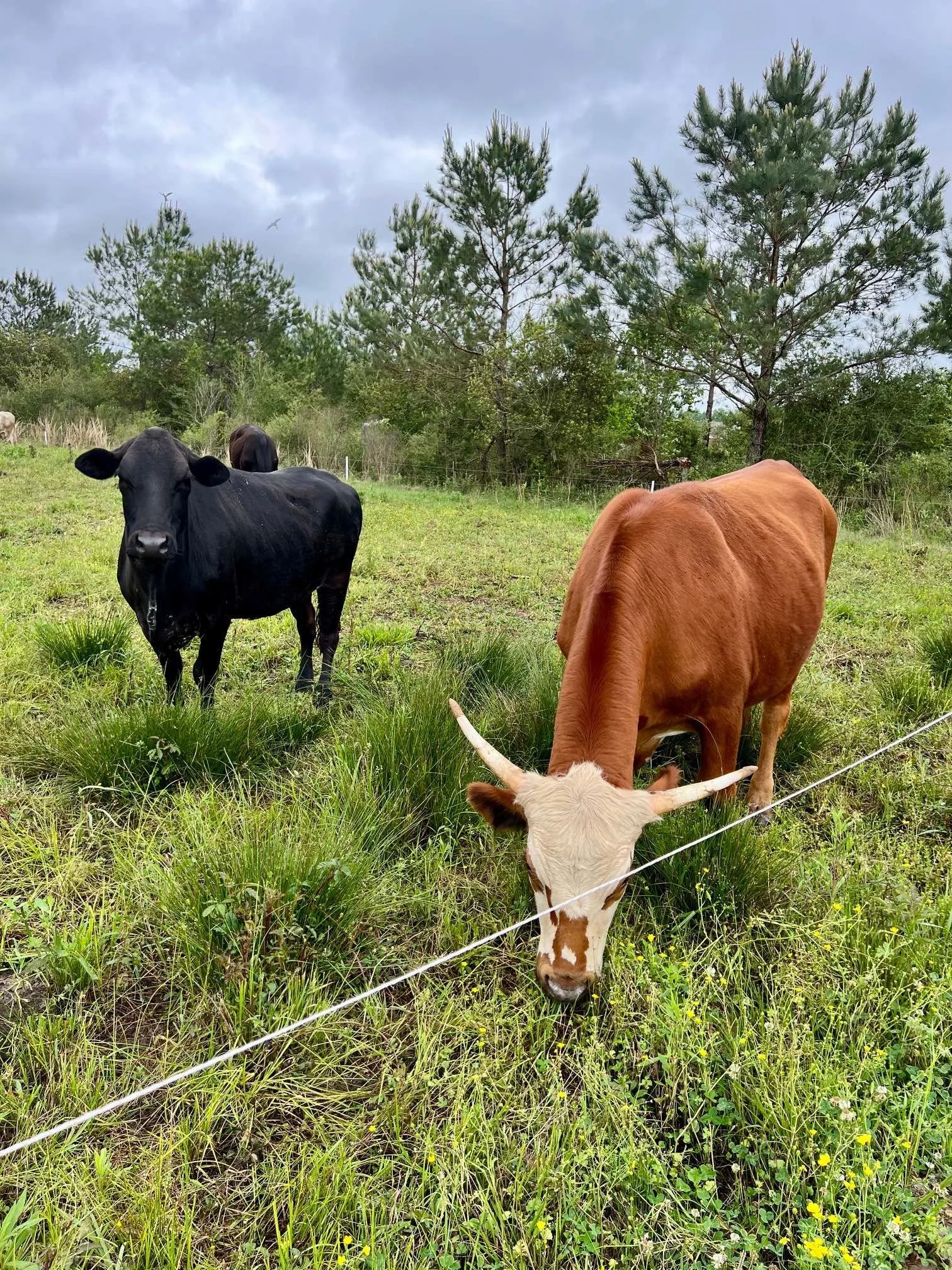
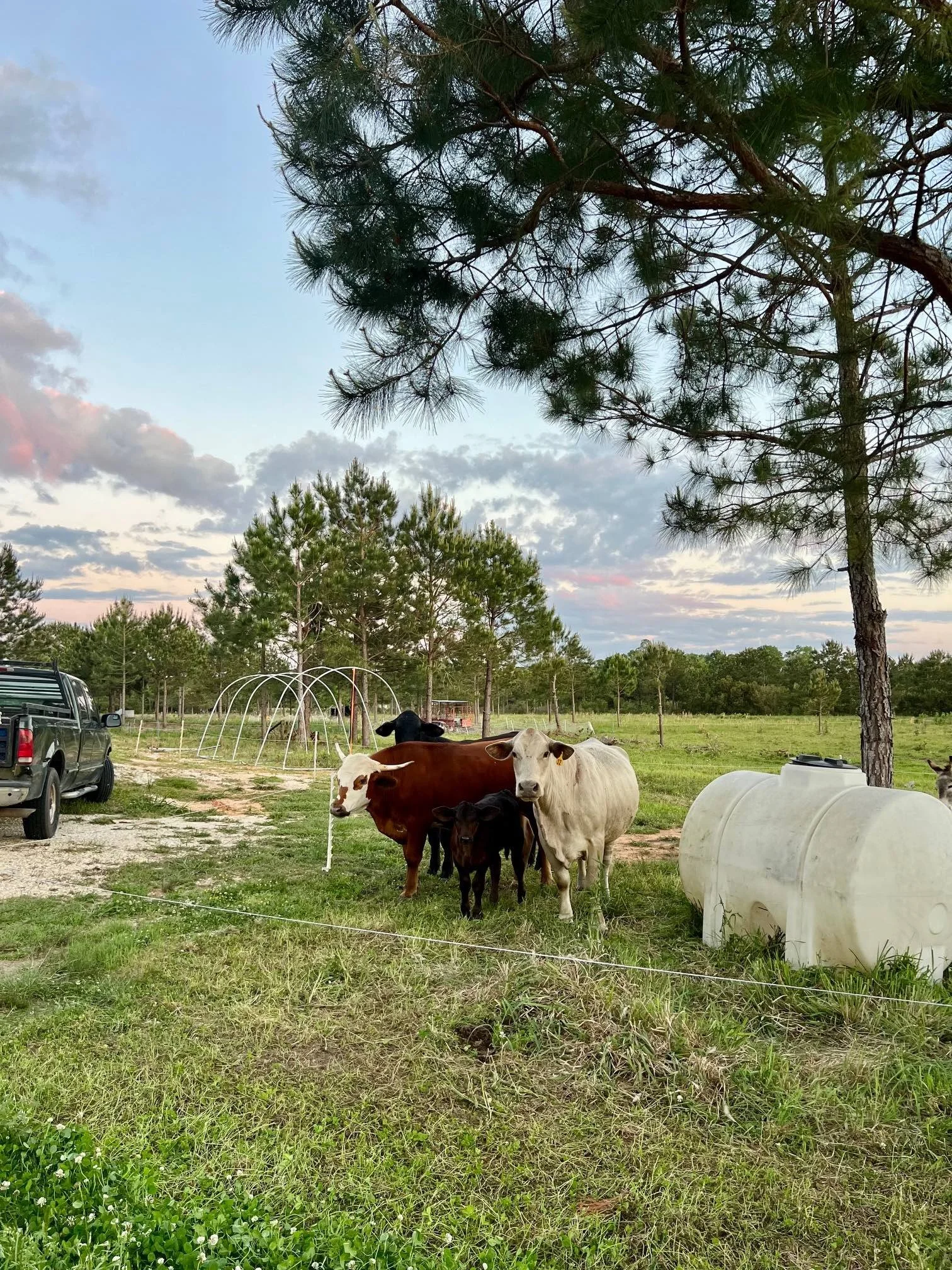
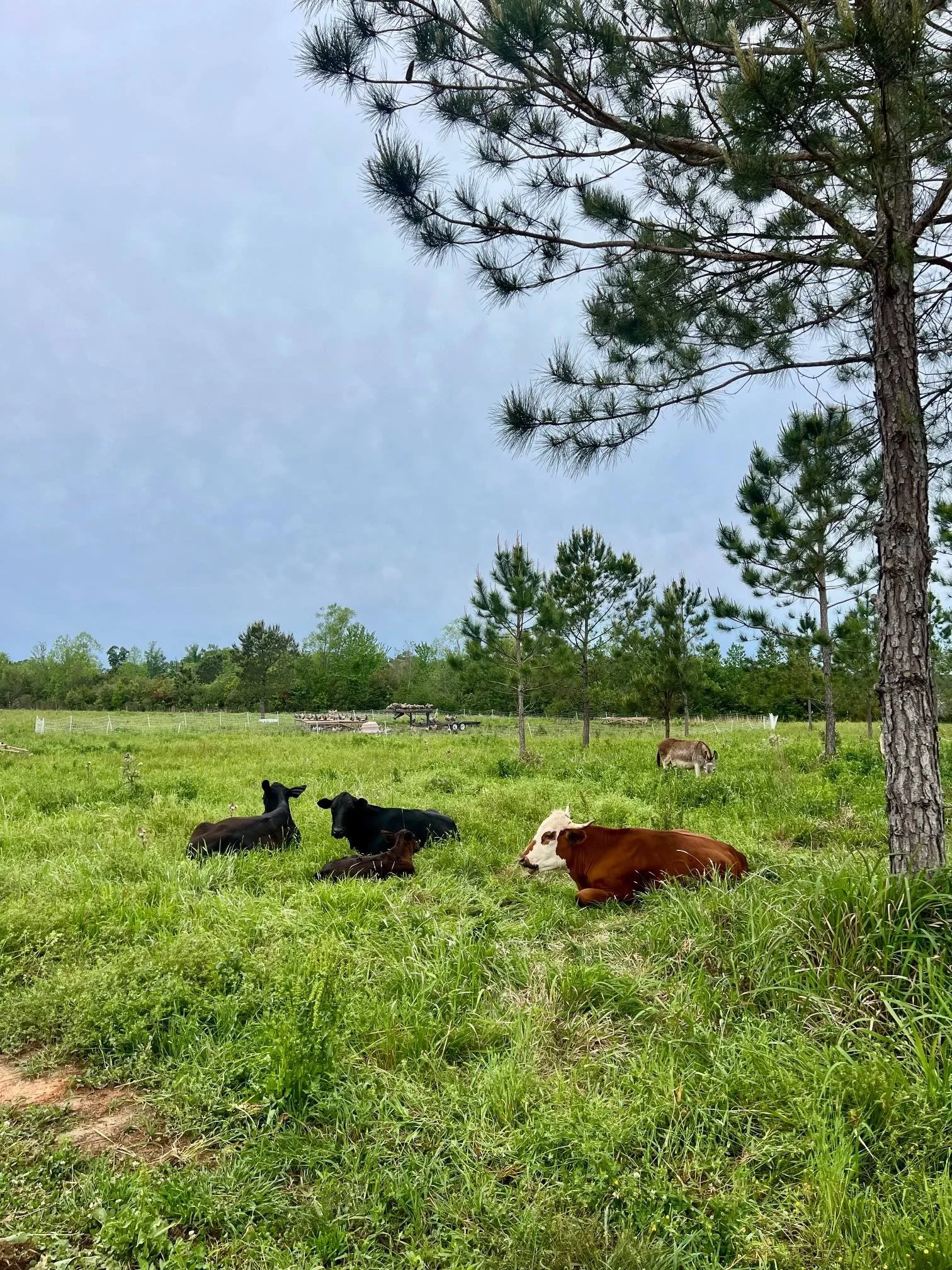
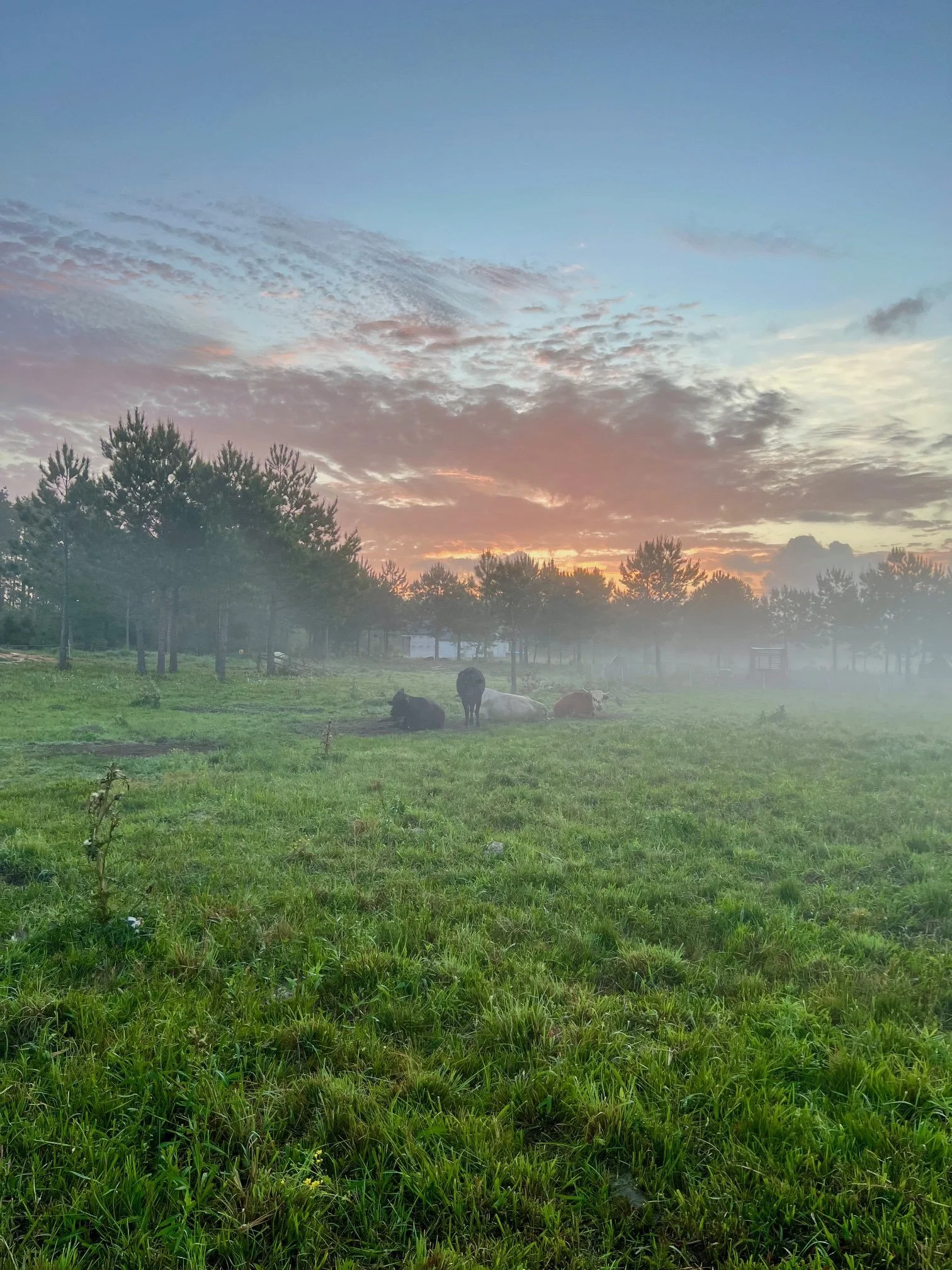
Since we have so few cattle right now, we’re moving them a little slower through each field to force them to eat some of the forage that wouldn’t always be their first choice.
So they’ve been rotating through our house field for longer than usual, but they will be moving down the internal road to the next field later today and then it’ll be weeks and weeks until they’re back and I can see them through my windows again!
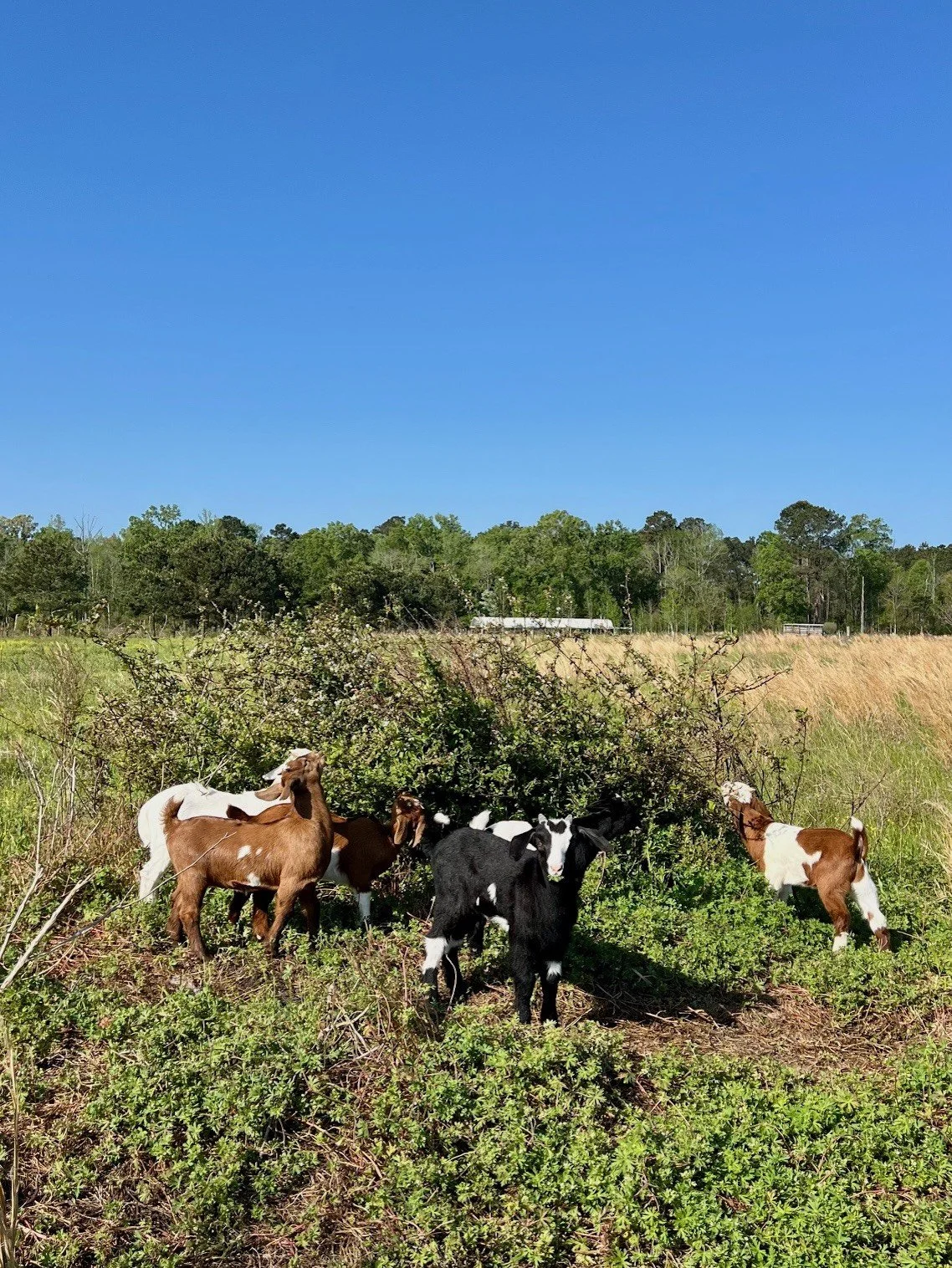
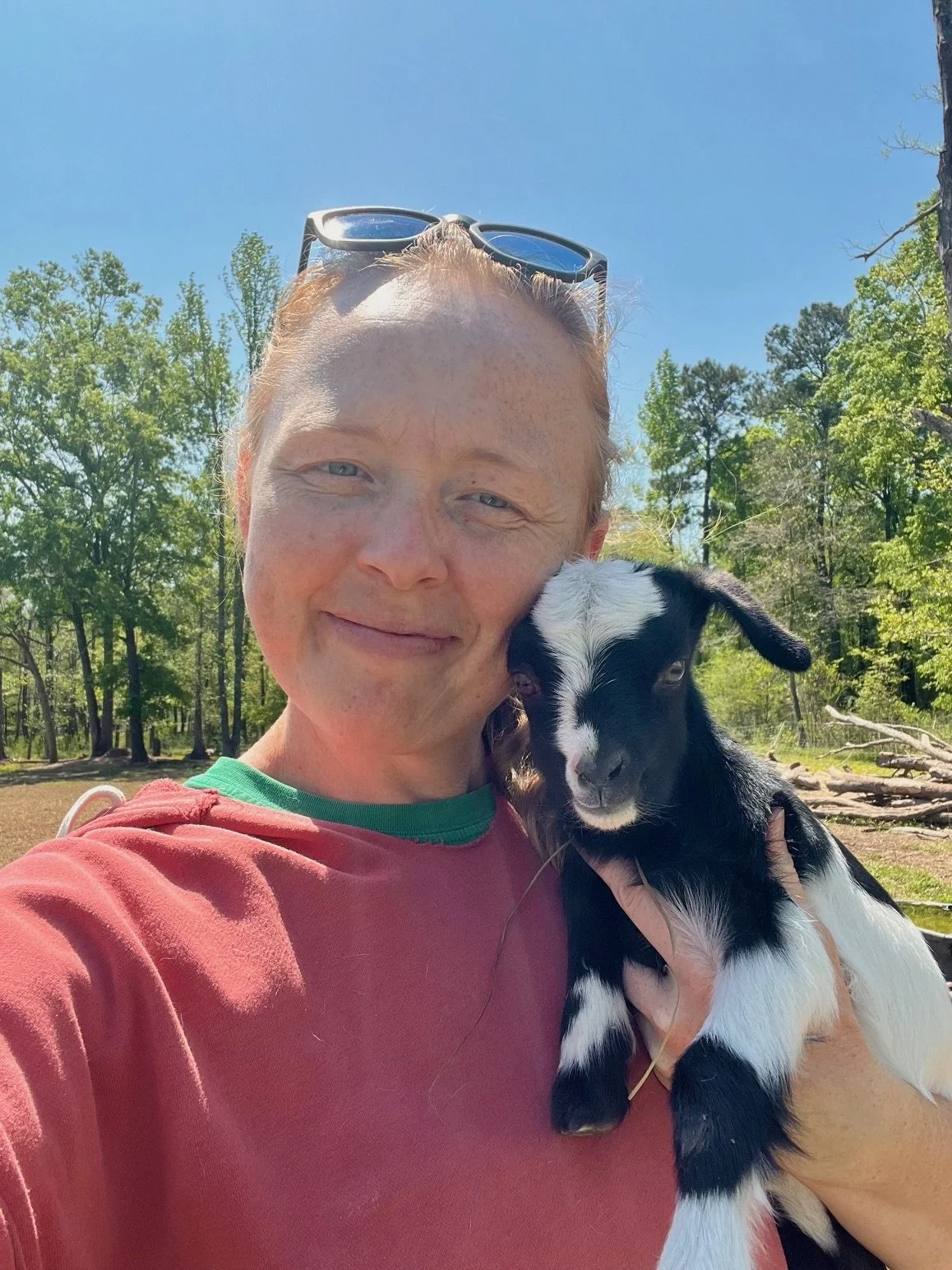
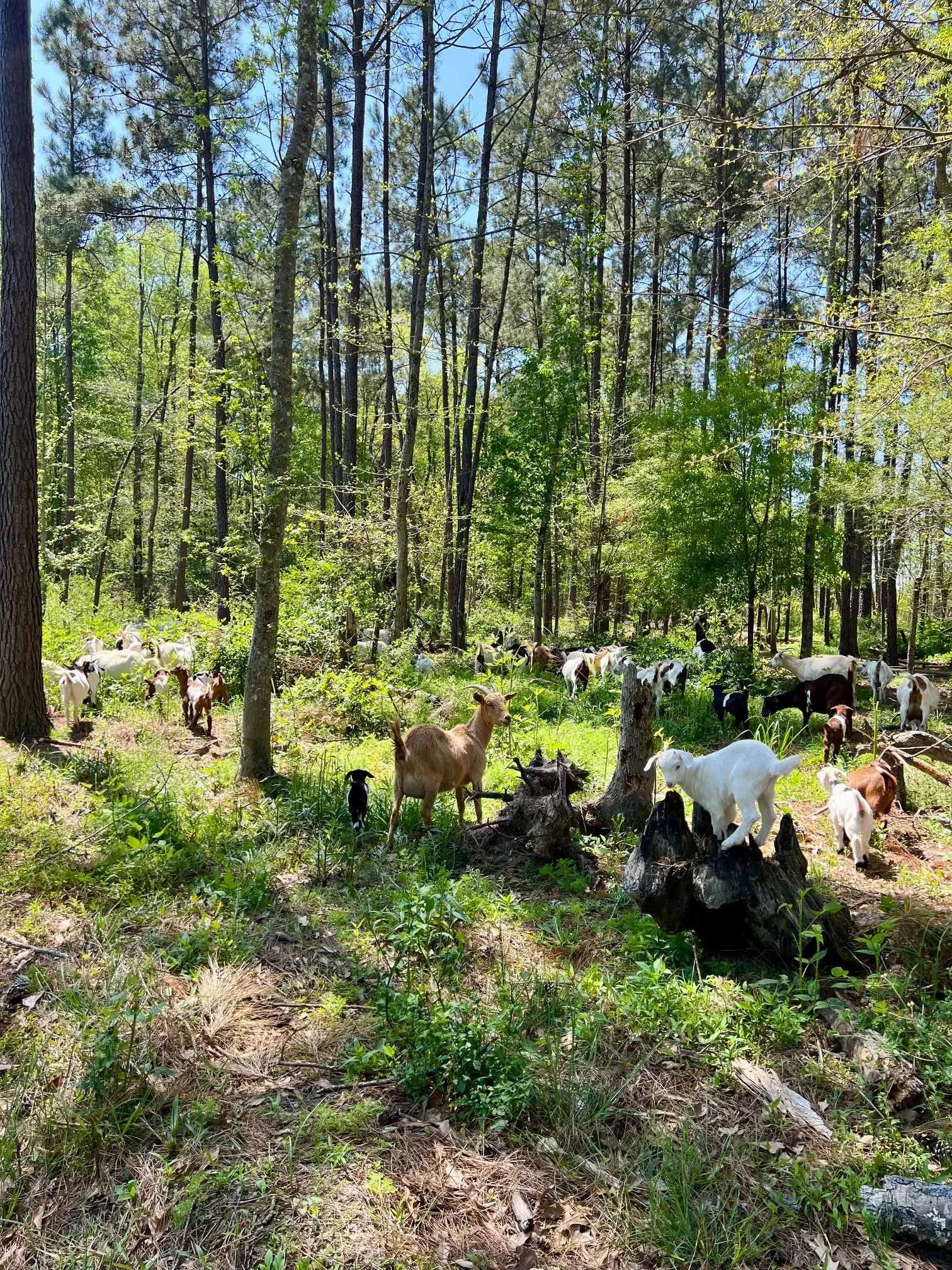
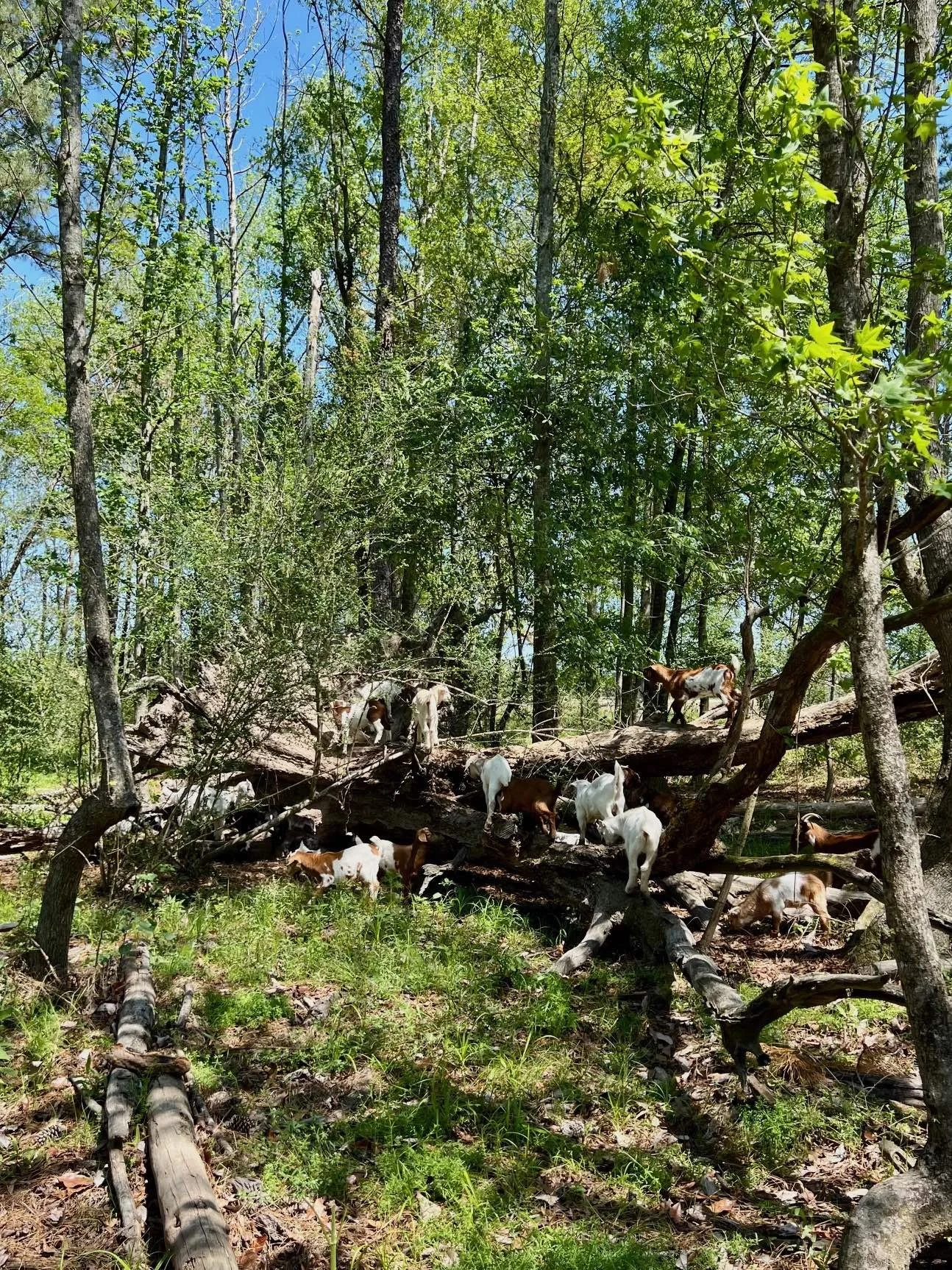
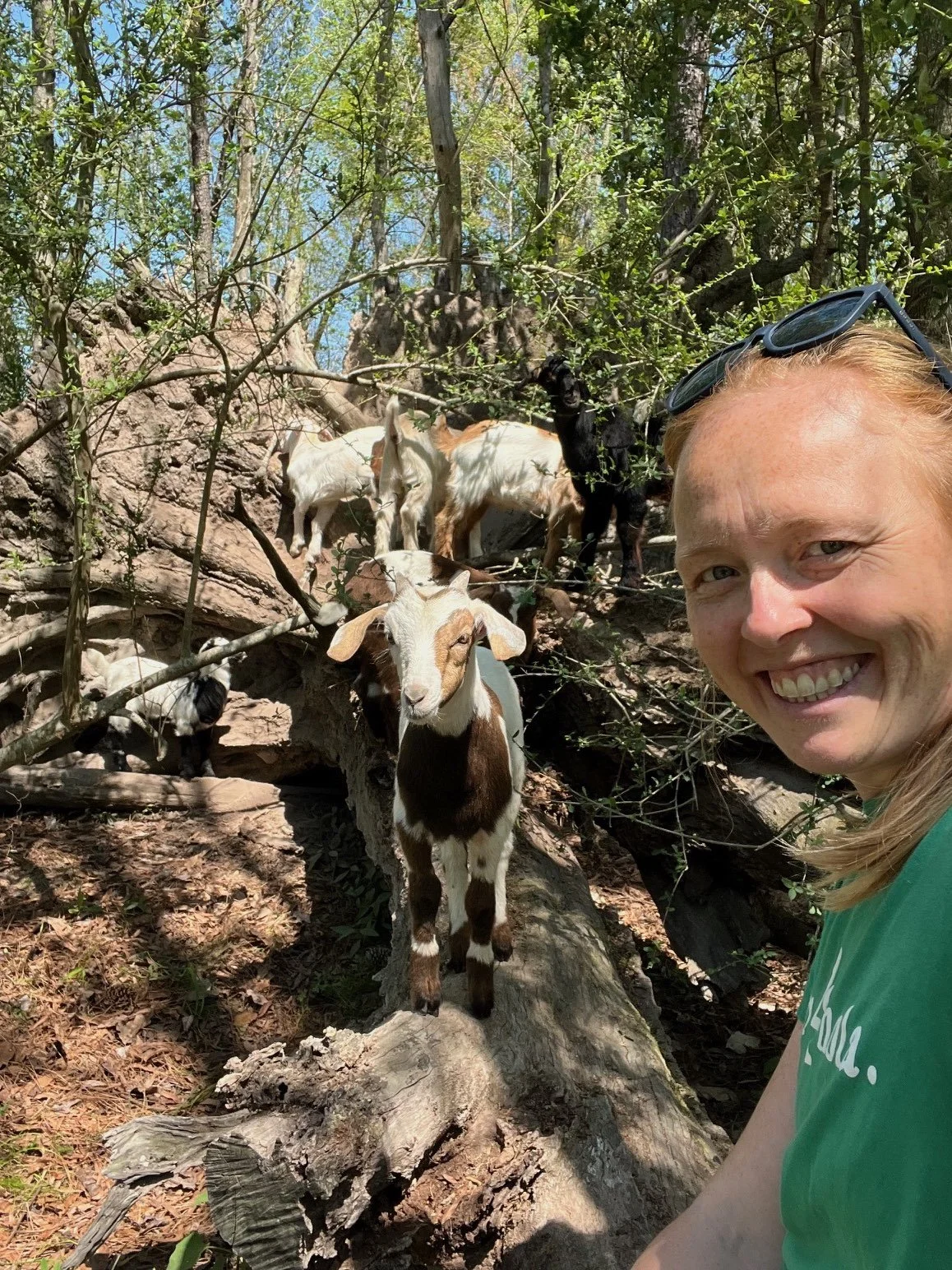
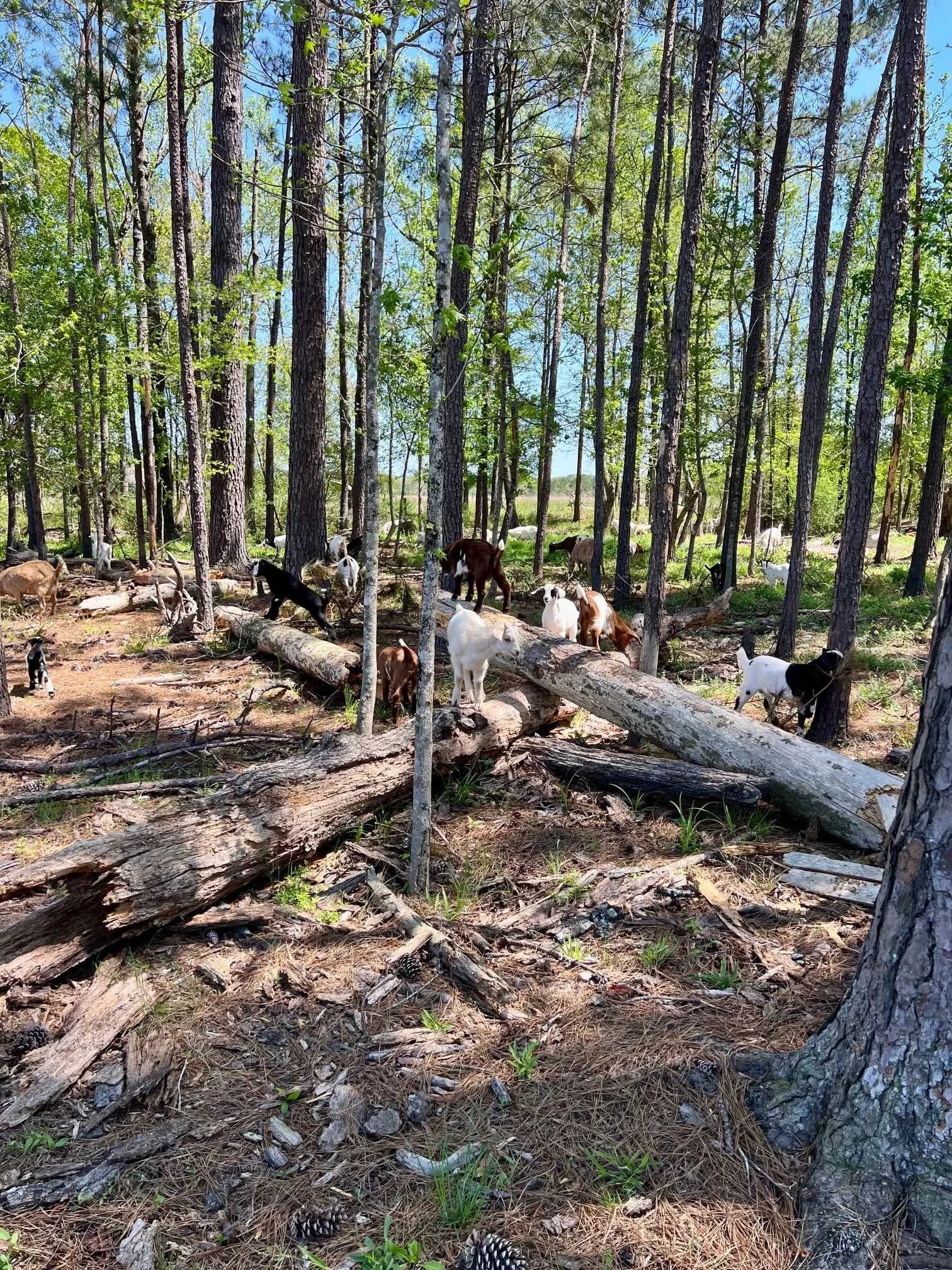
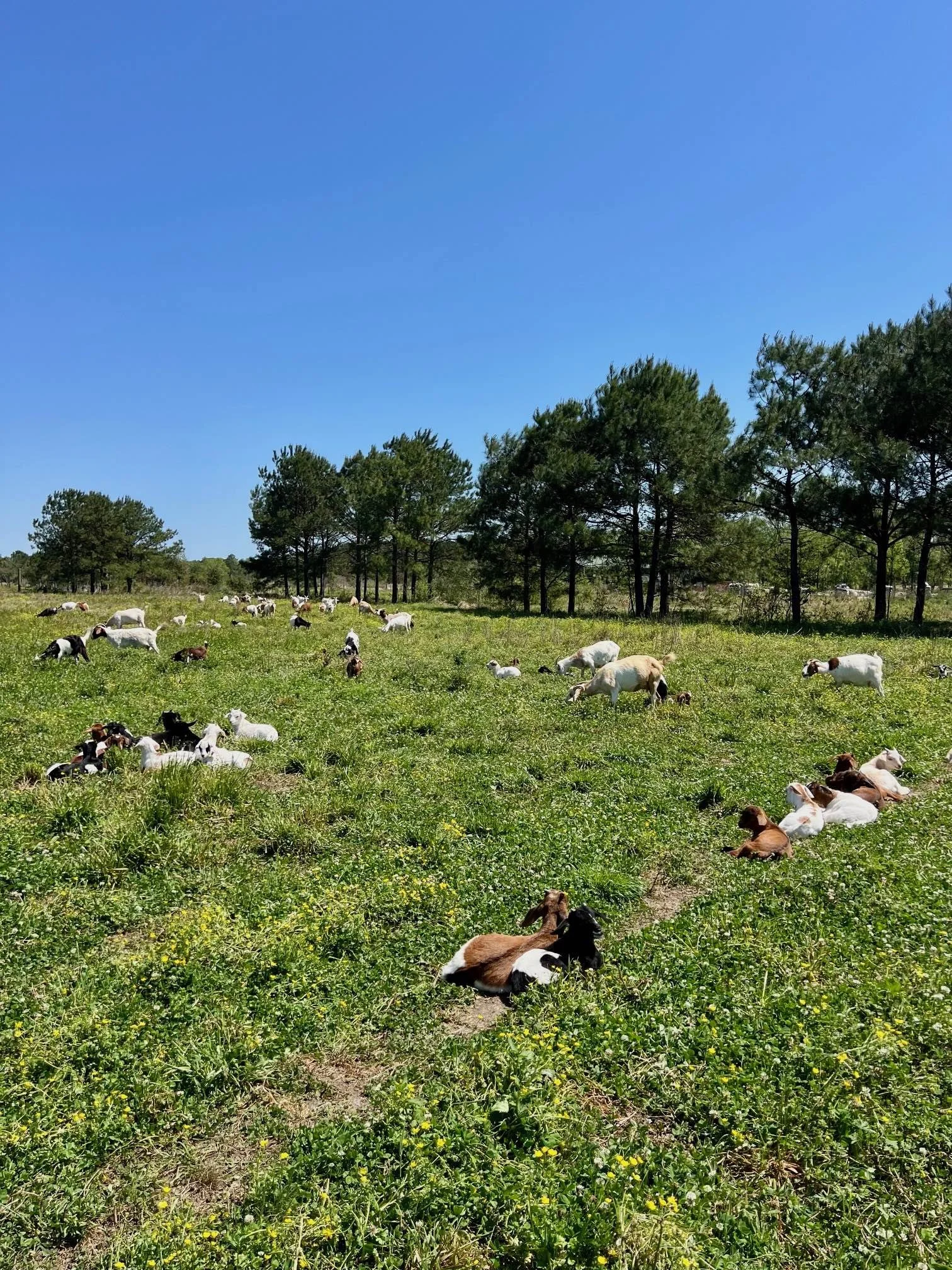
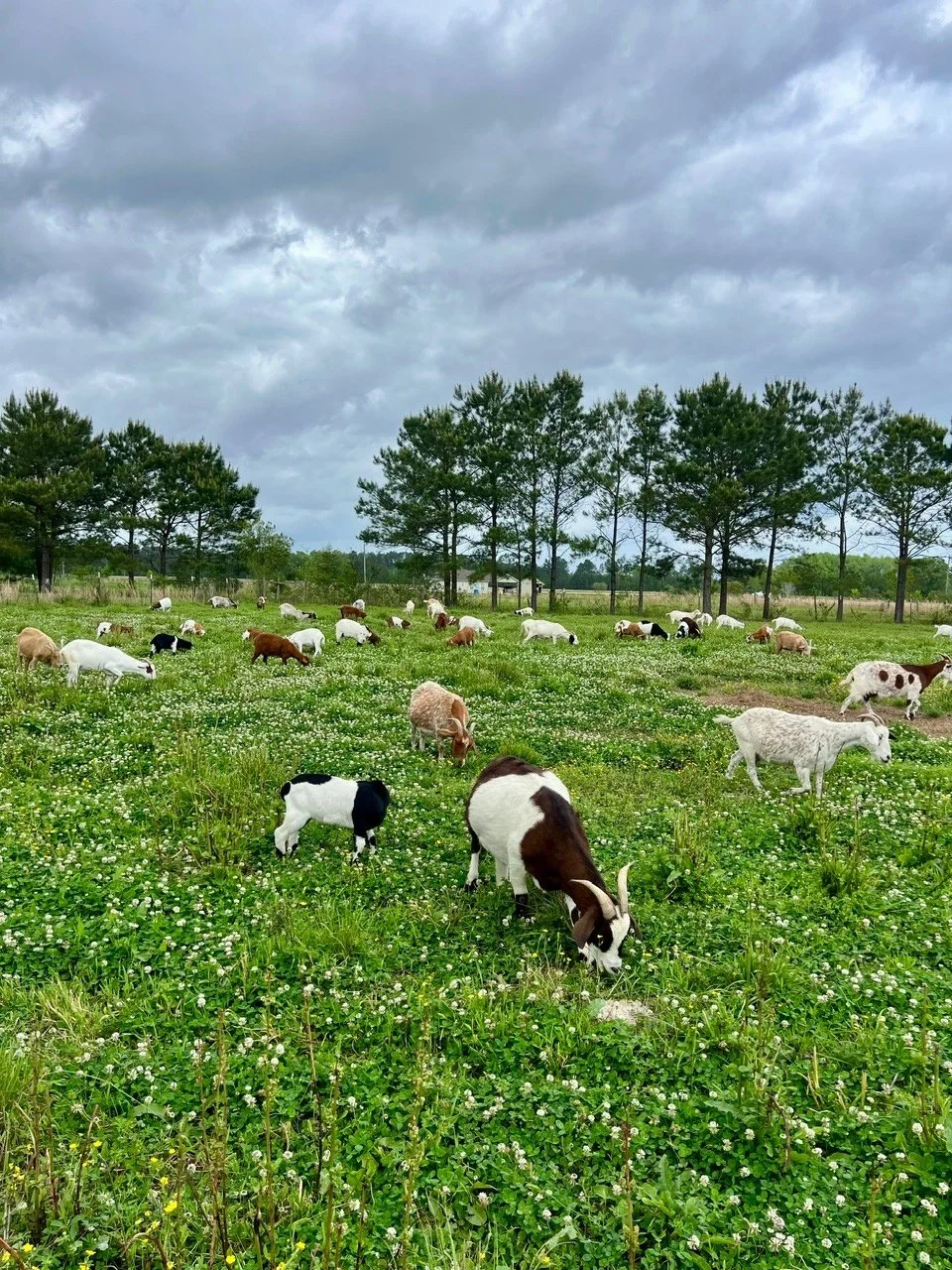
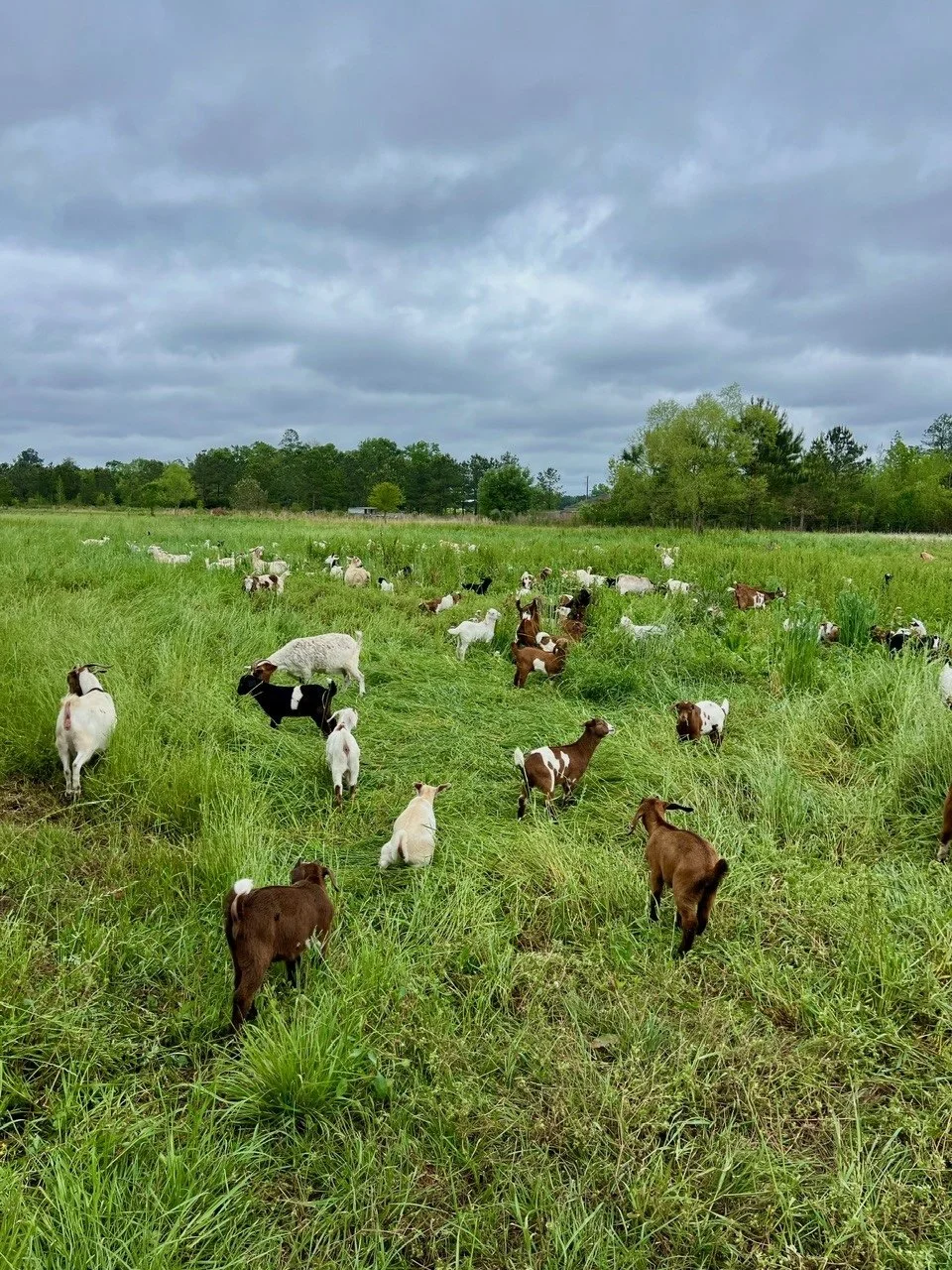
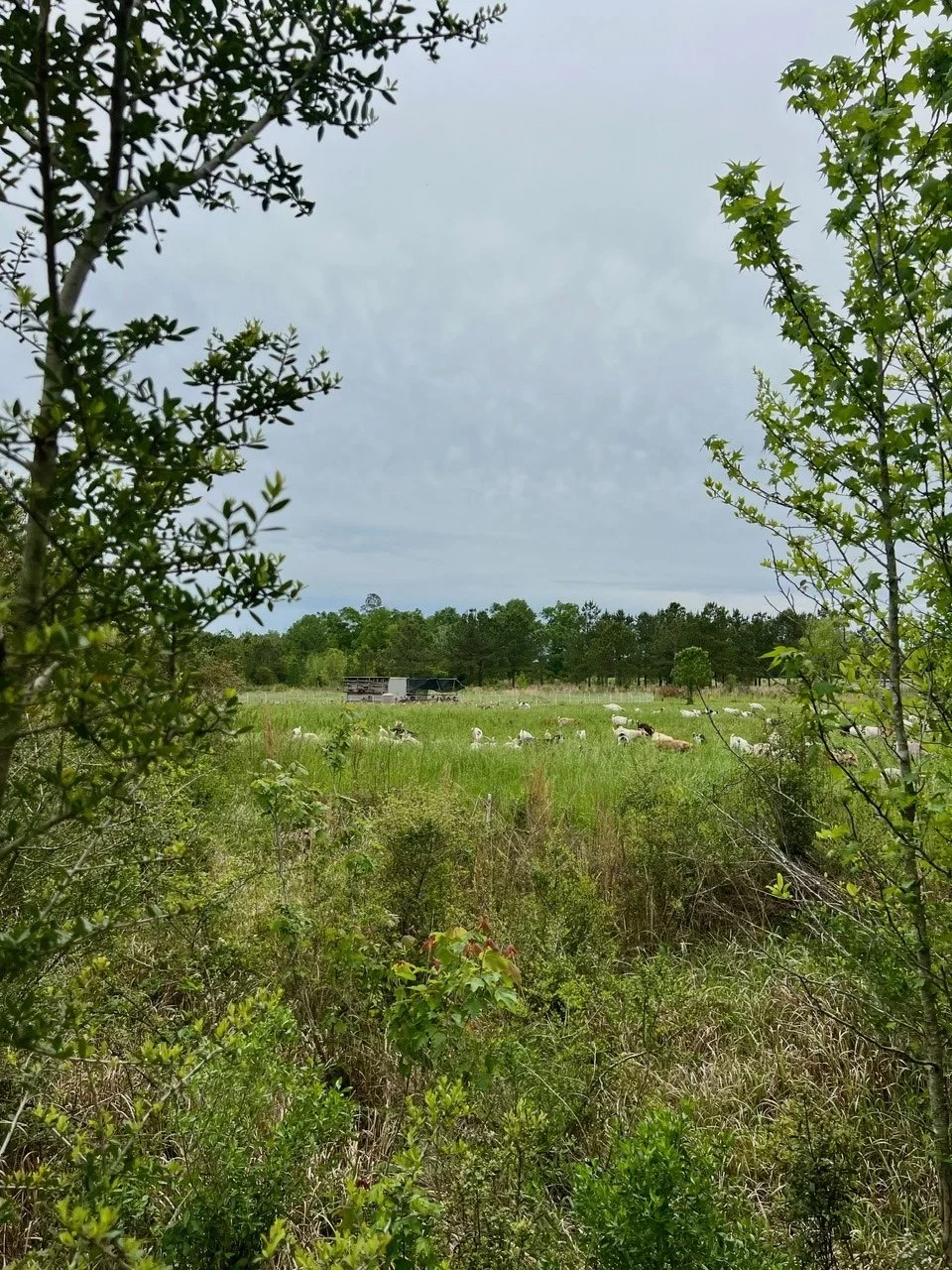
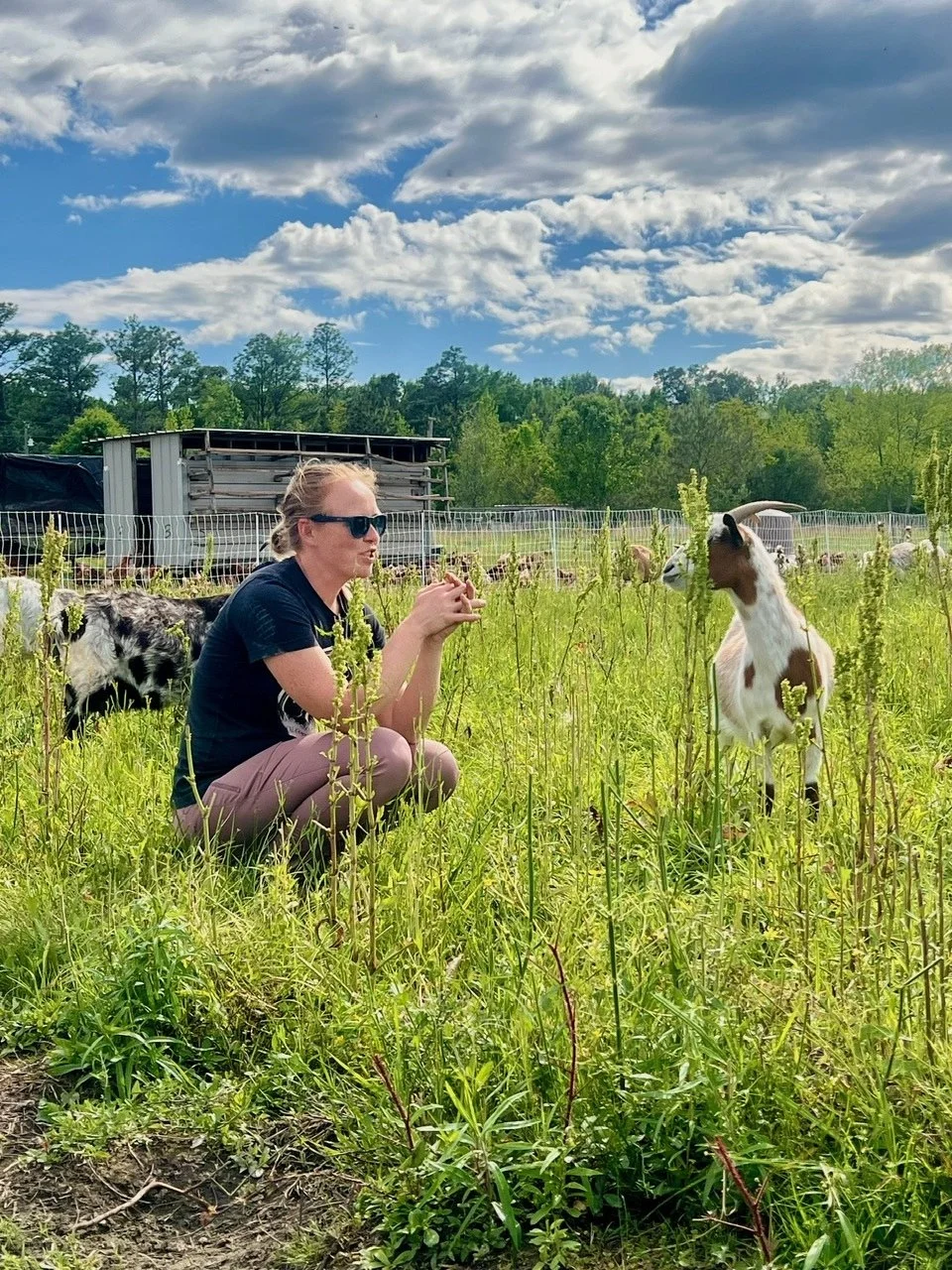
The goats spent many weeks hitting all the fields closest to the hoophouse paddock, including a wooded paddock nearby that provided all kinds of new jungle gyms in the form of downed trees for the kids to play on.
The outlier younger kids are finally old enough to be trusted to follow the herd and not get lost, which means we can be in the full swing of grazing season once again!
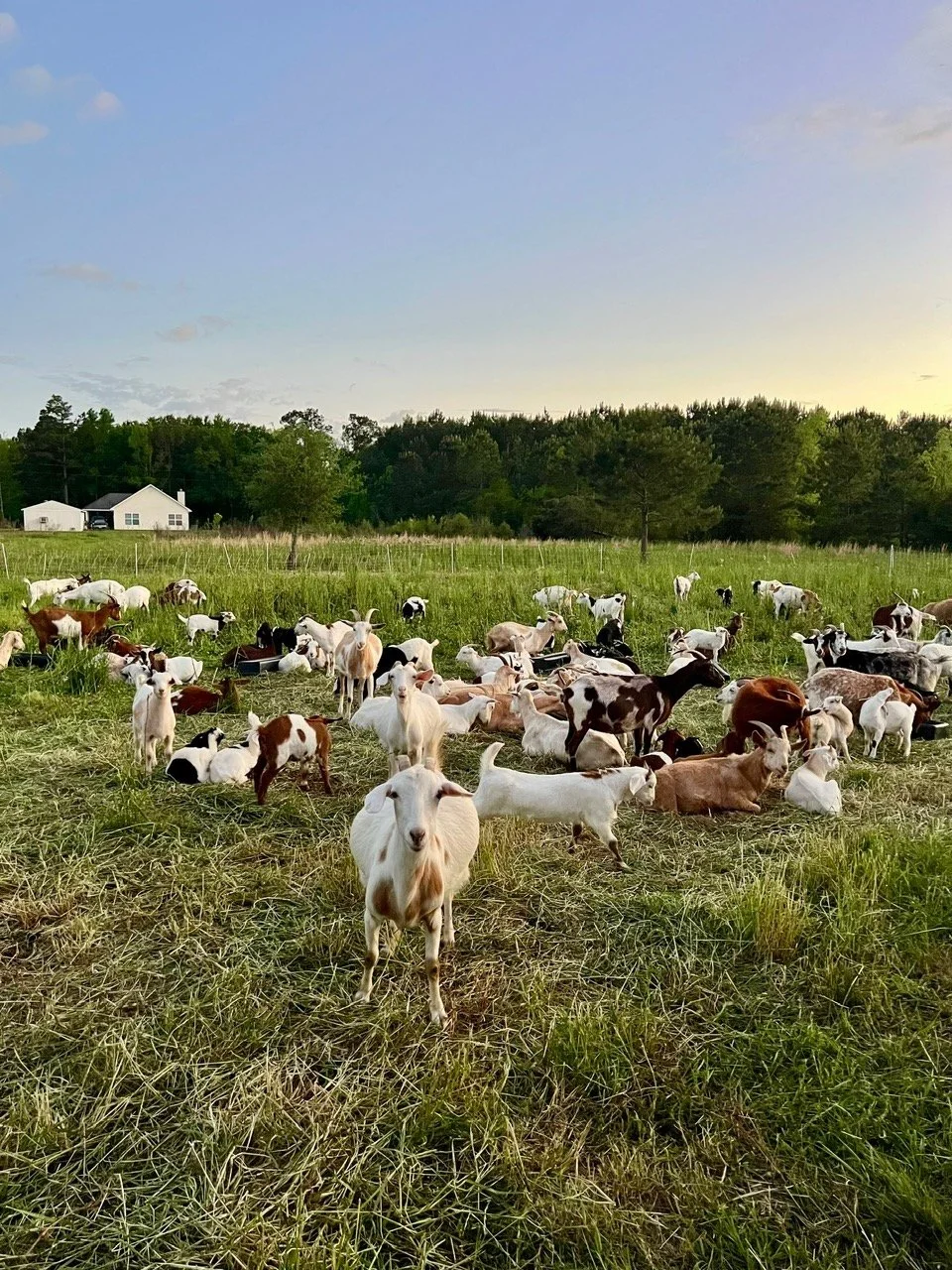
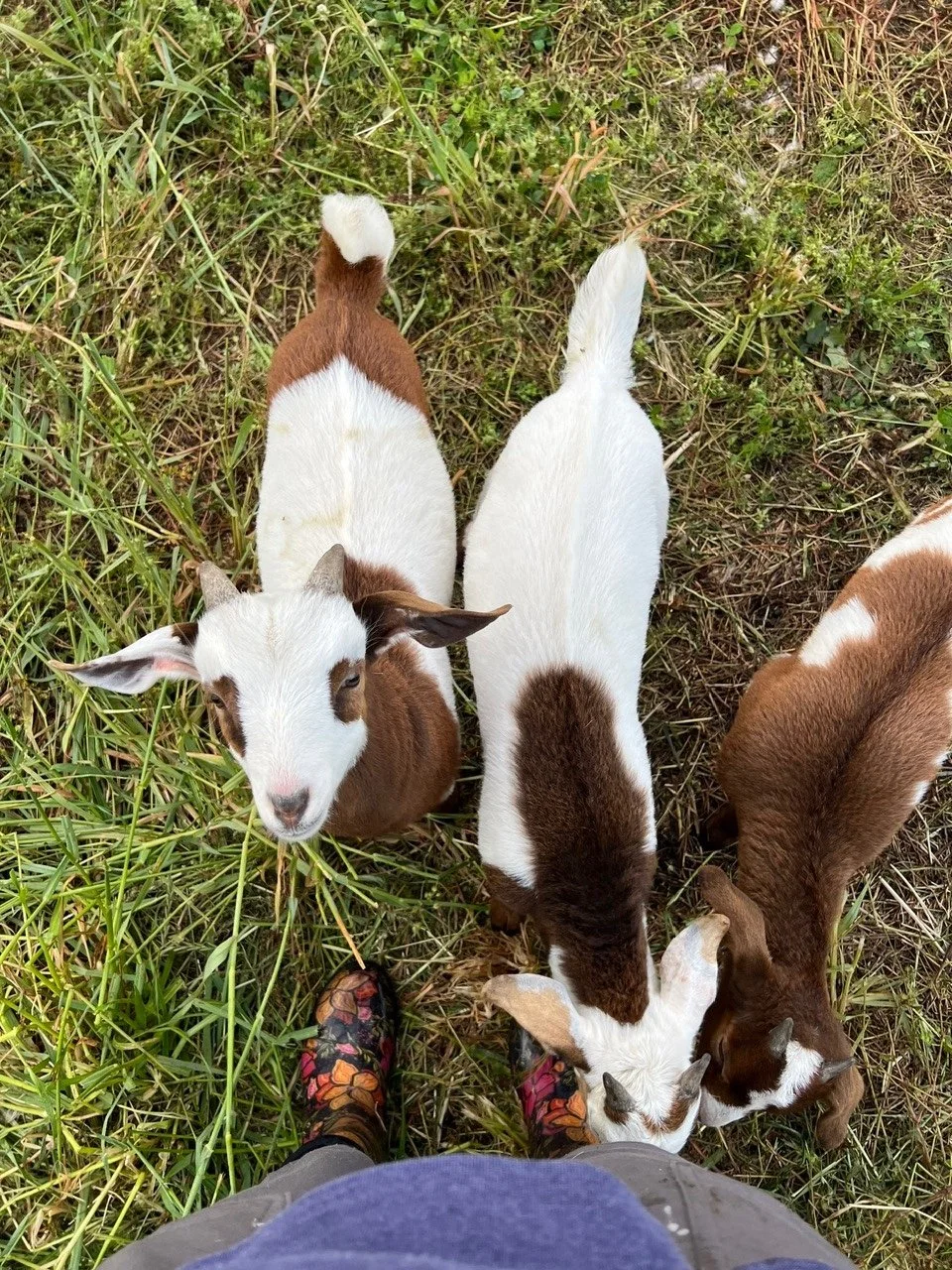
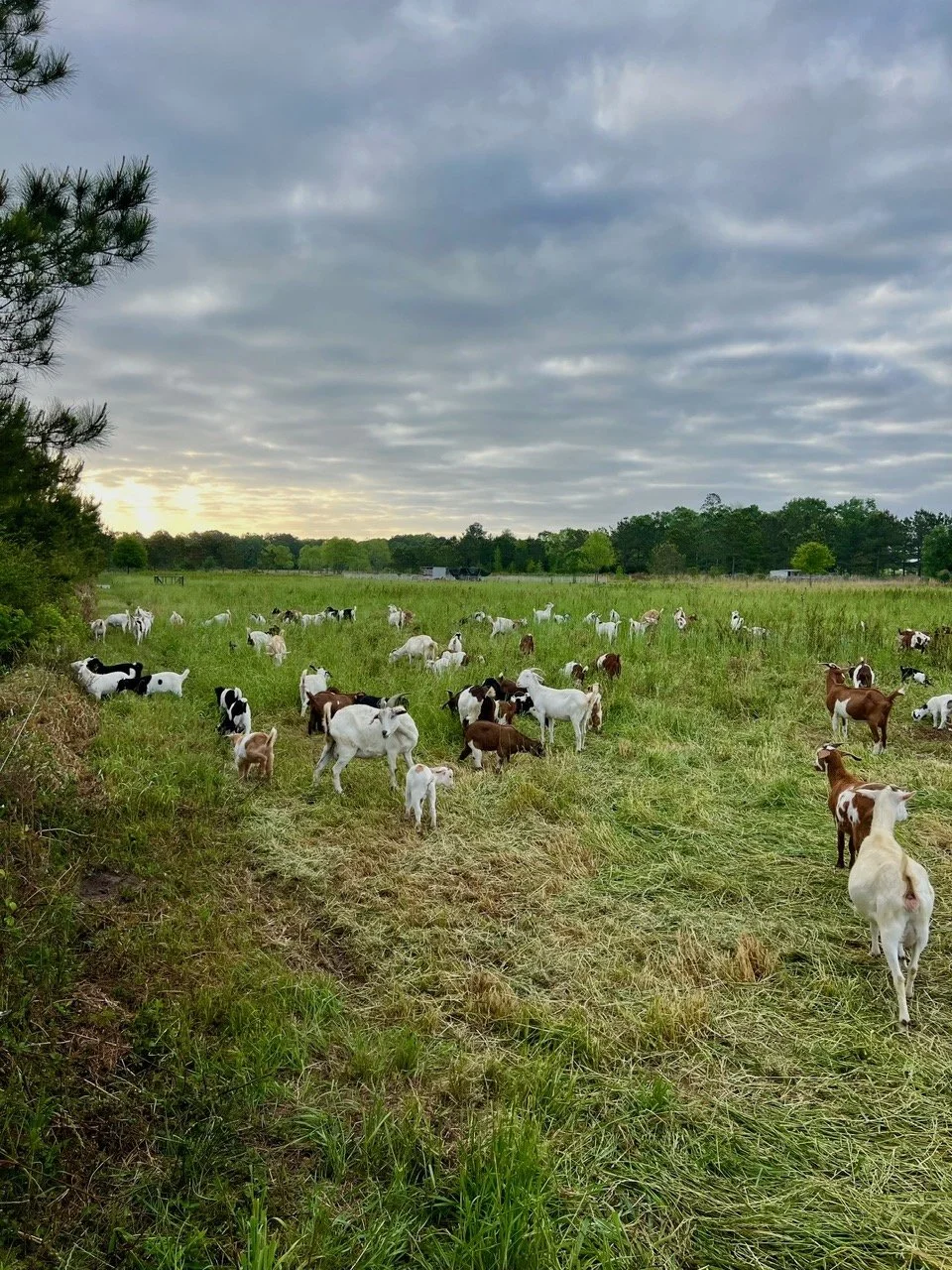
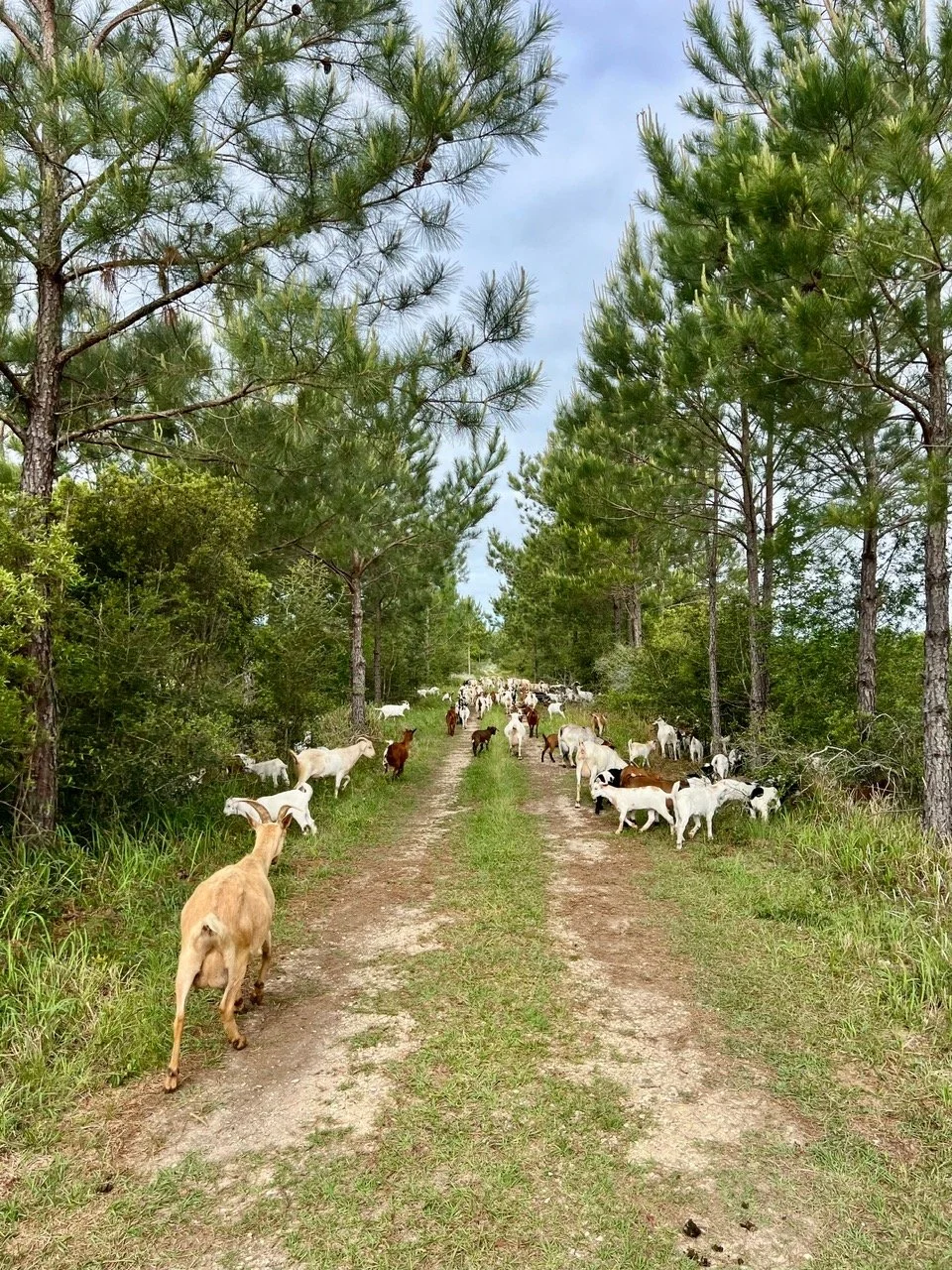
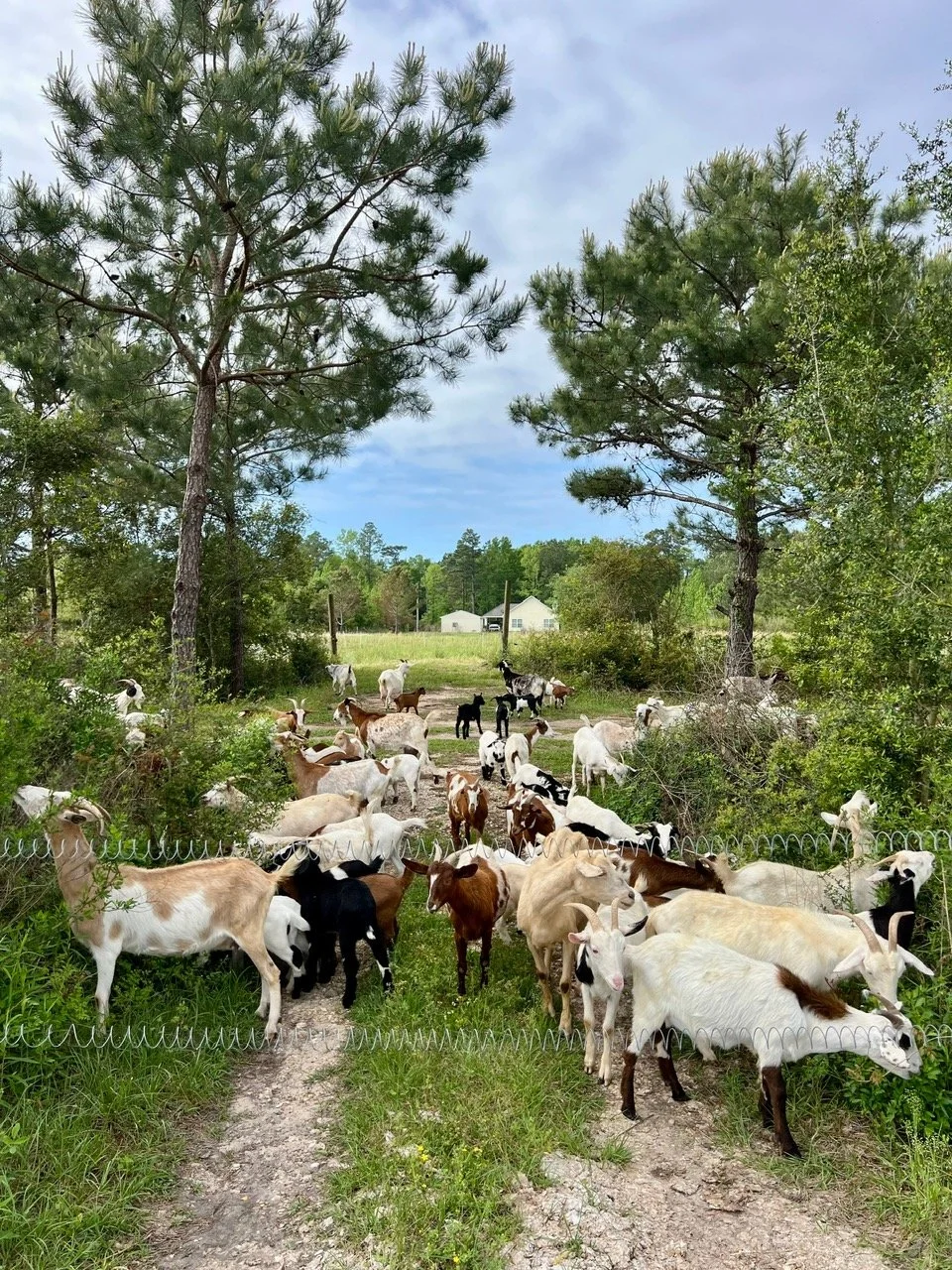
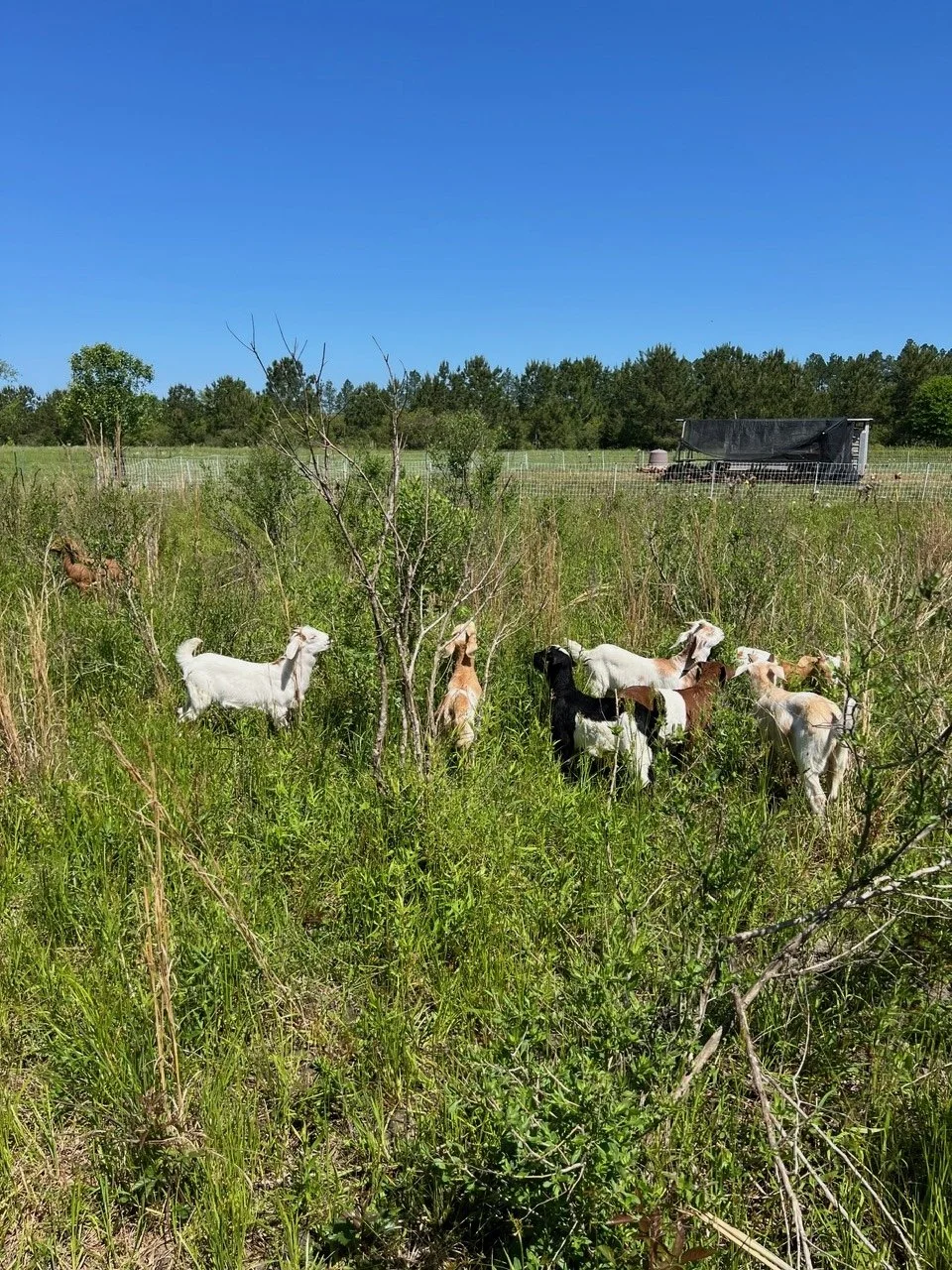
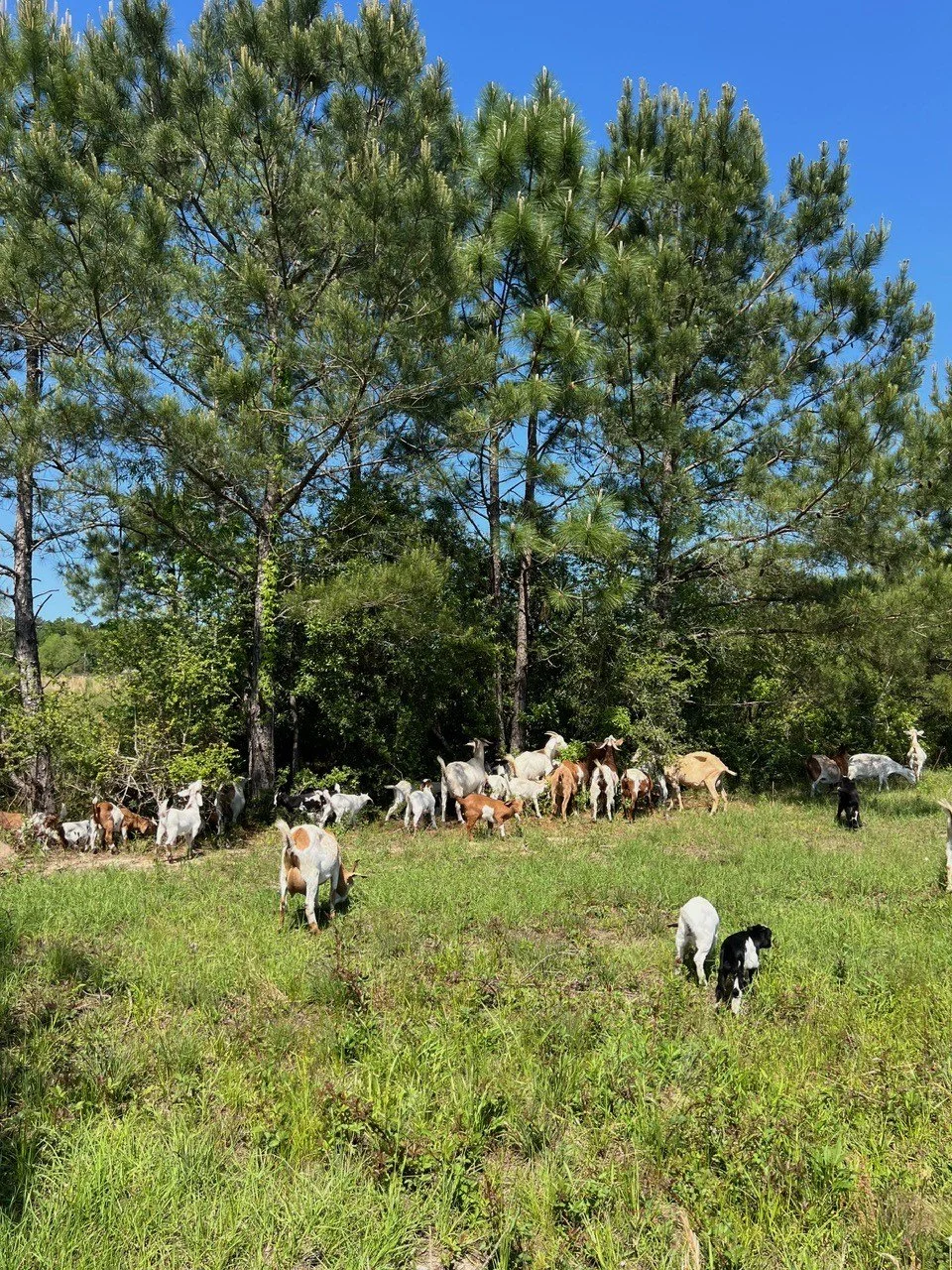
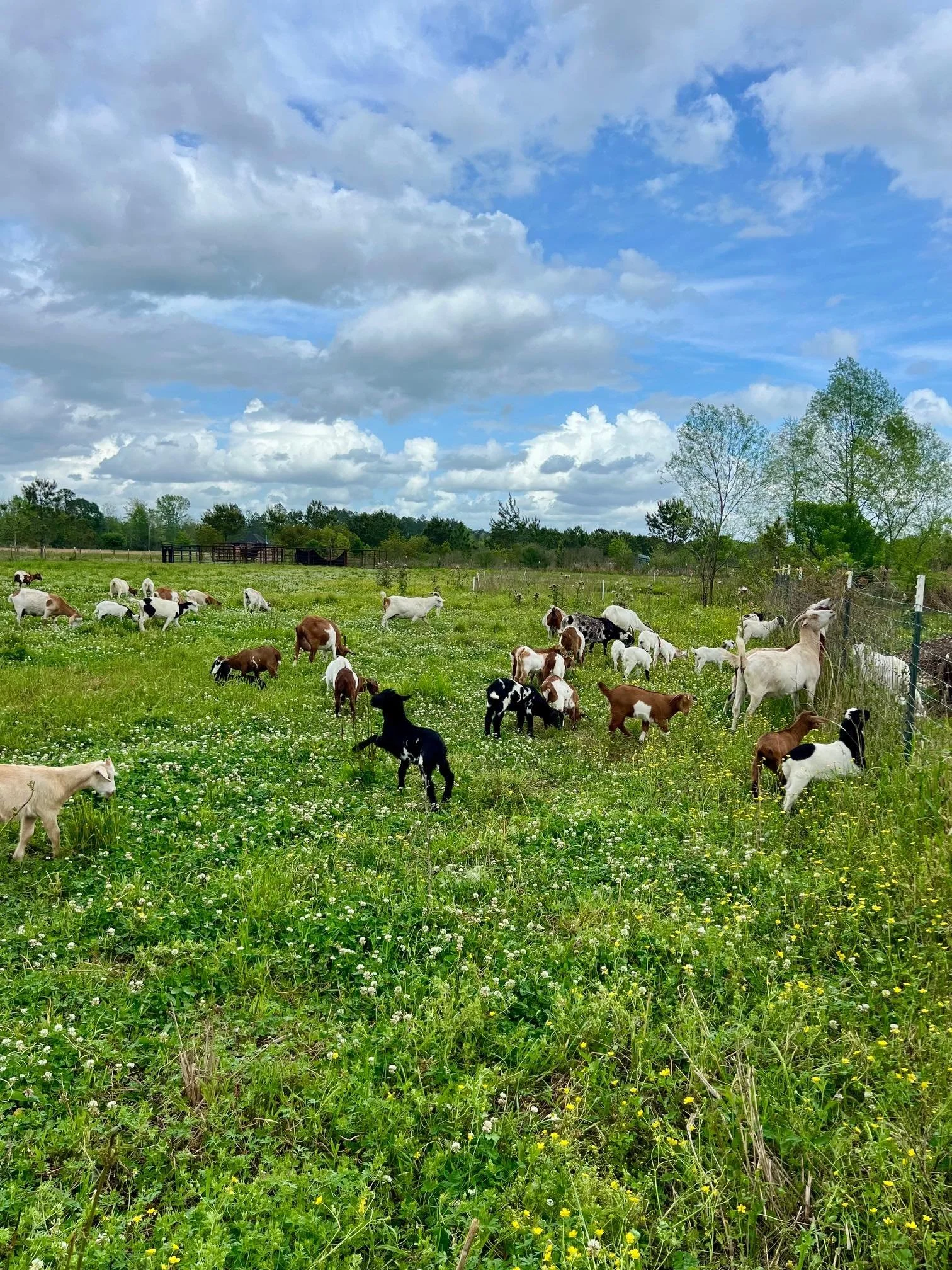
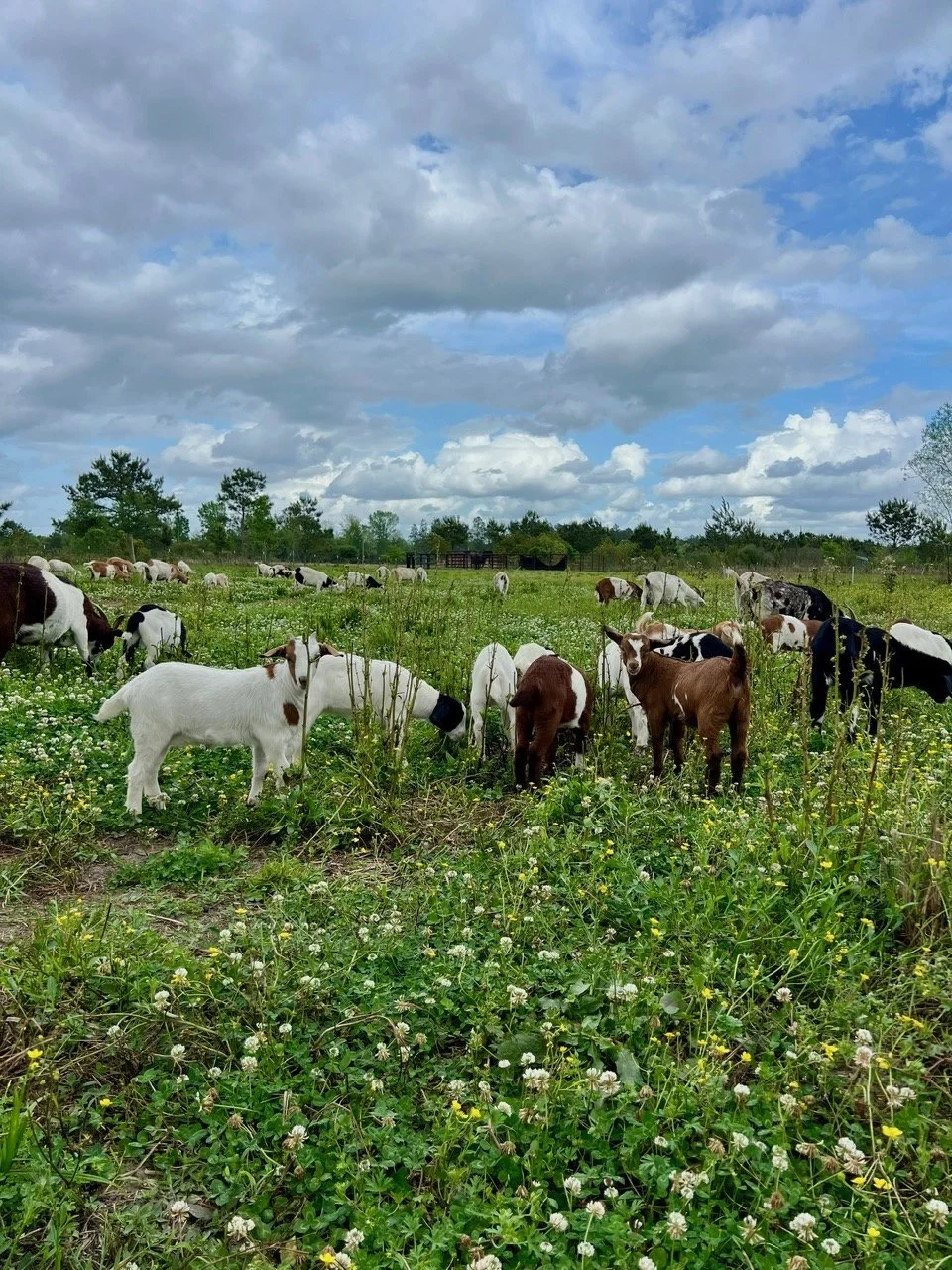
So this past week, again without rain forecasted, we moved them to field 3, thick with rye and oat grasses, some seeded out and set up their nighttime corral in that field. It’s the first time they didn’t sleep at the hoophouse paddock since the late fall!
We are way overdue to do some serious maintenance of all the brush and shrubs growing on the perimeter and internal high tensile electric fences. All of that draws down the voltage in the fence and it means that when the goats exhaust the forage they want to eat in the field they’re in, they have no problem going through the fence to the next field!
So that’s what they did at one point last week, deciding it was time to graze on the internal road paddock.
Once day we will be totally caught up on everything and things will be even more streamlined and easier. That day is not here quite yet, though!
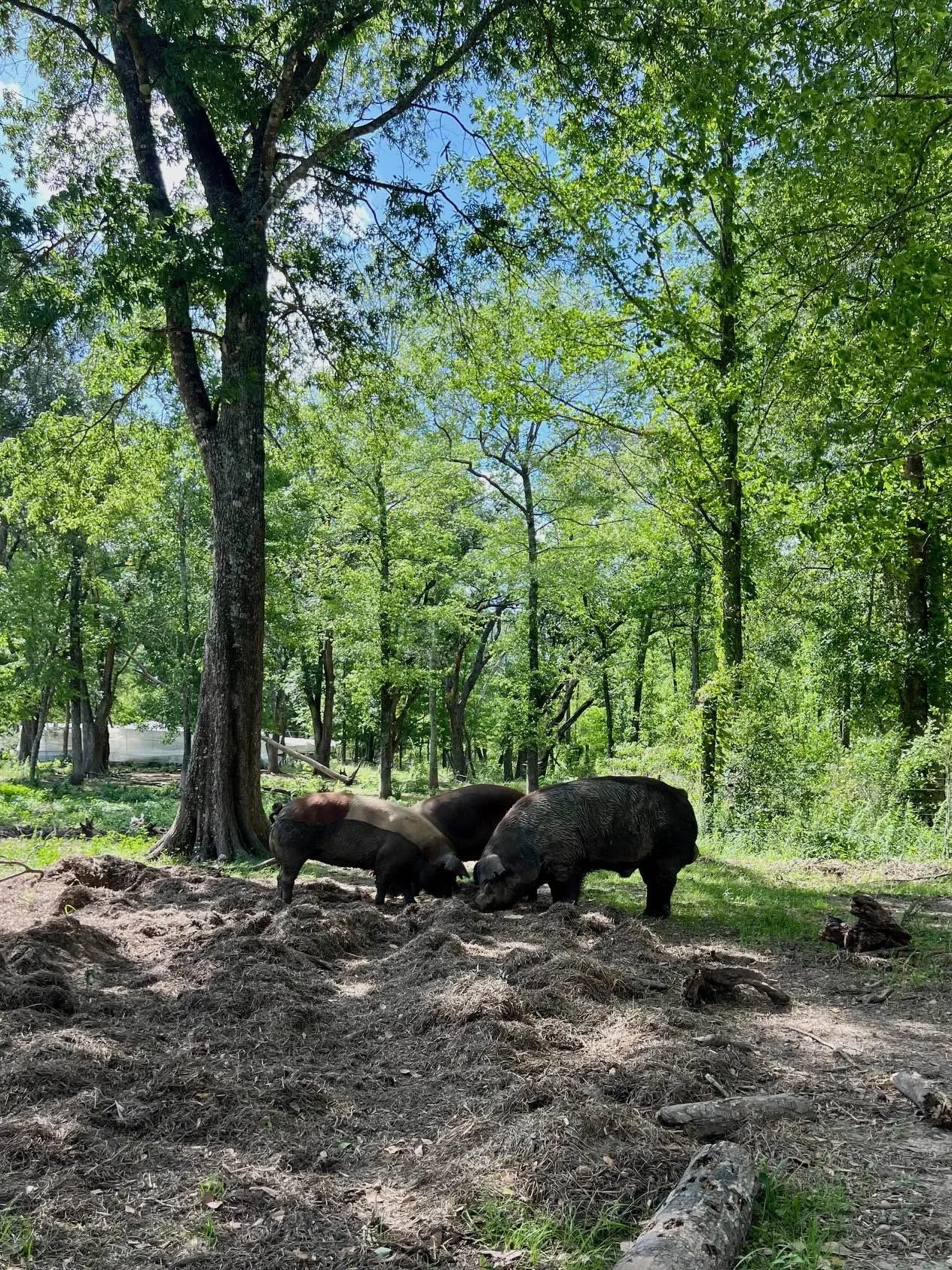
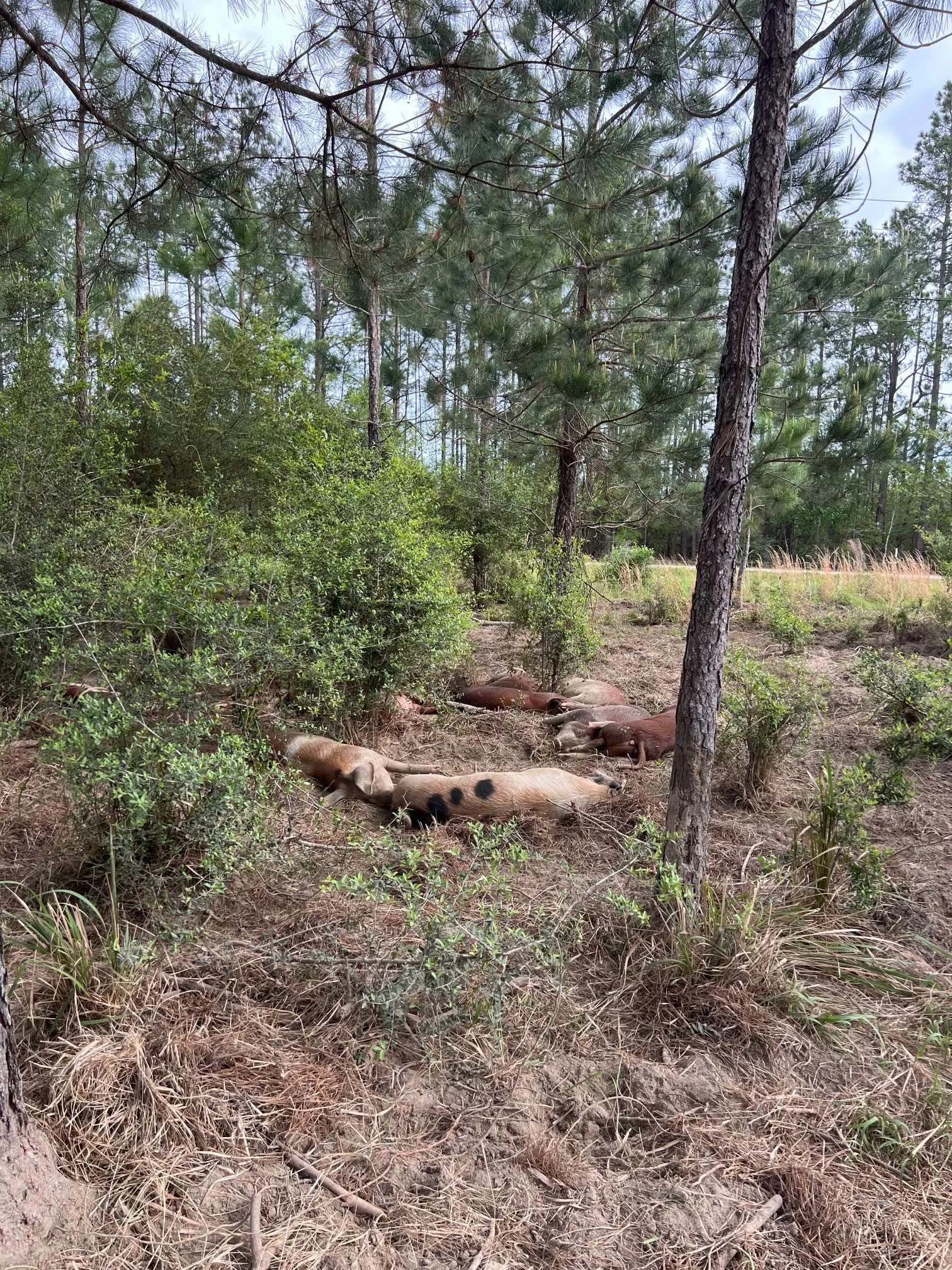
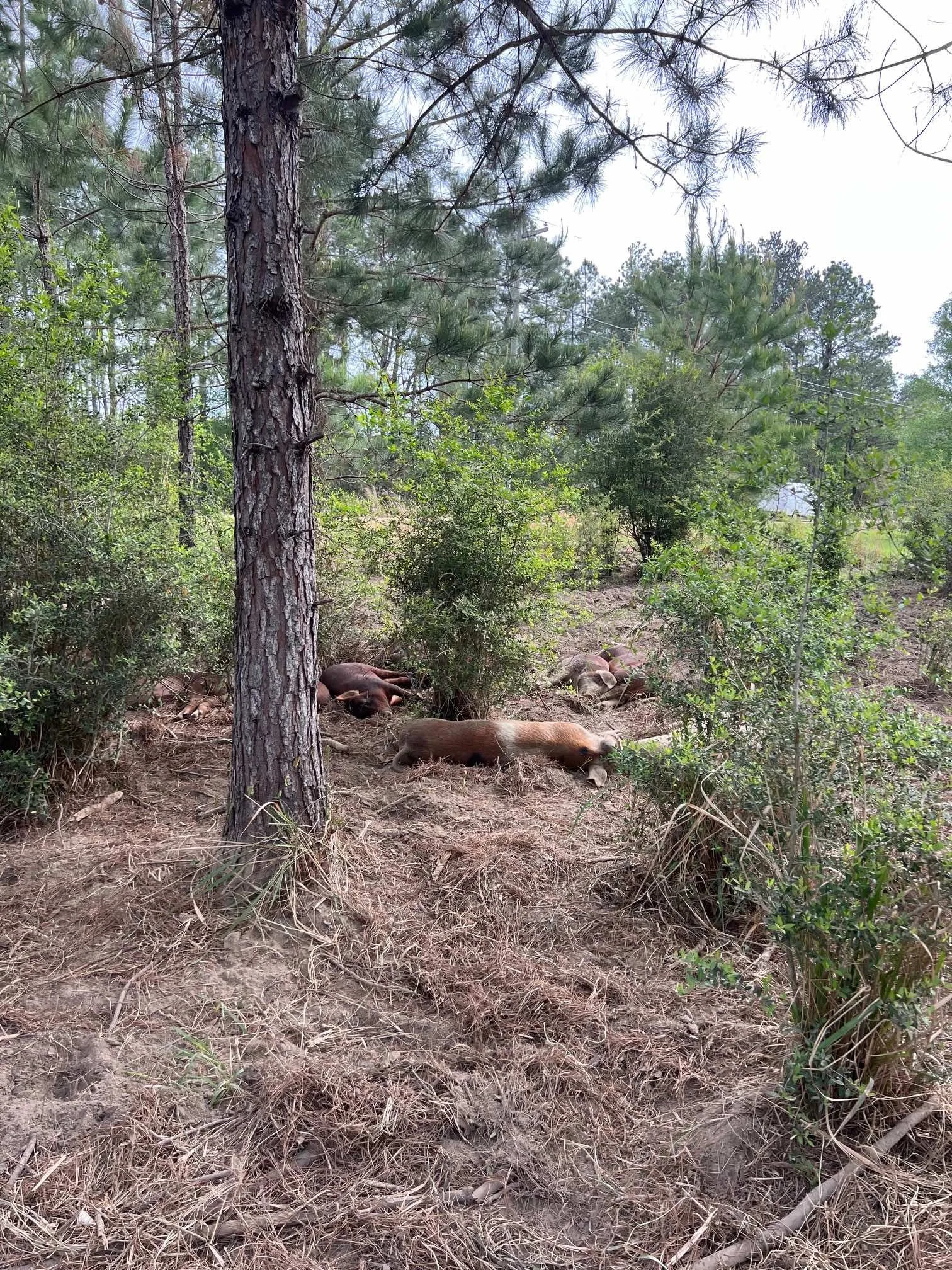
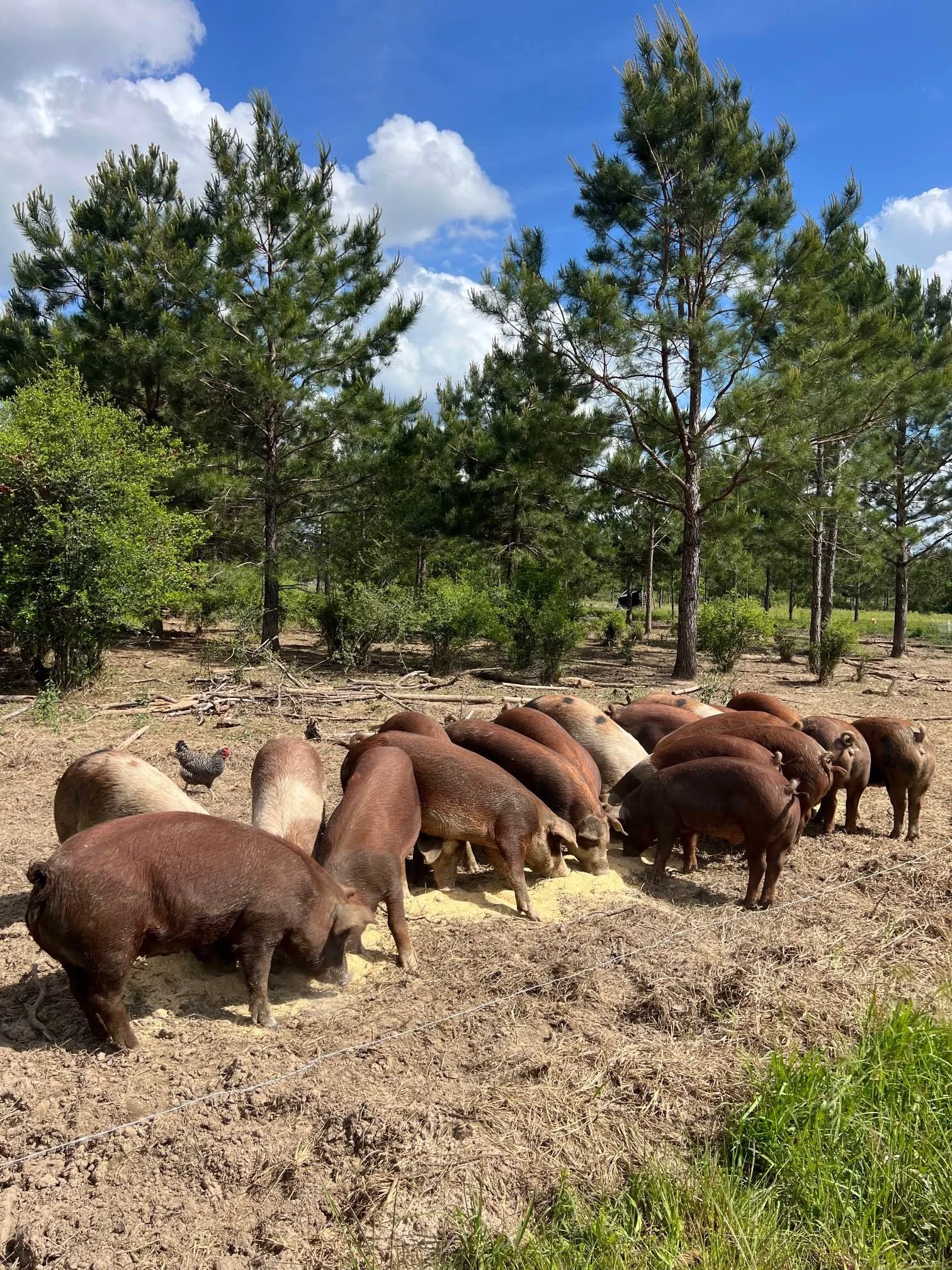
And last but not least, the other gilts we kept from the April litters and the pigs born in October are all doing great, too!
The gilts moved in with the boar a few weeks ago and we expect them to have their first litters in July. They have been romping through a lovely wooded section of the farm.
The feeder pigs are still making their rotations in our house field, hitting some thick sections of invasive cogon grass hard. The grass has a rhizome root structure and the pigs do a good job of rooting it up and munching on it if you leave them long enough.
We’re just about ready to shift them over to another adjacent section of the field and then work them towards a wooded section at the end of the property for the summer!