
Grass-Finished Beef Takes Time: Our Steers, Heifer & Cow from December 2023 to December 2025
I took a trip down memory lane (and my camera roll) to reflect on the last two years of raising the cattle we just harvested in December.
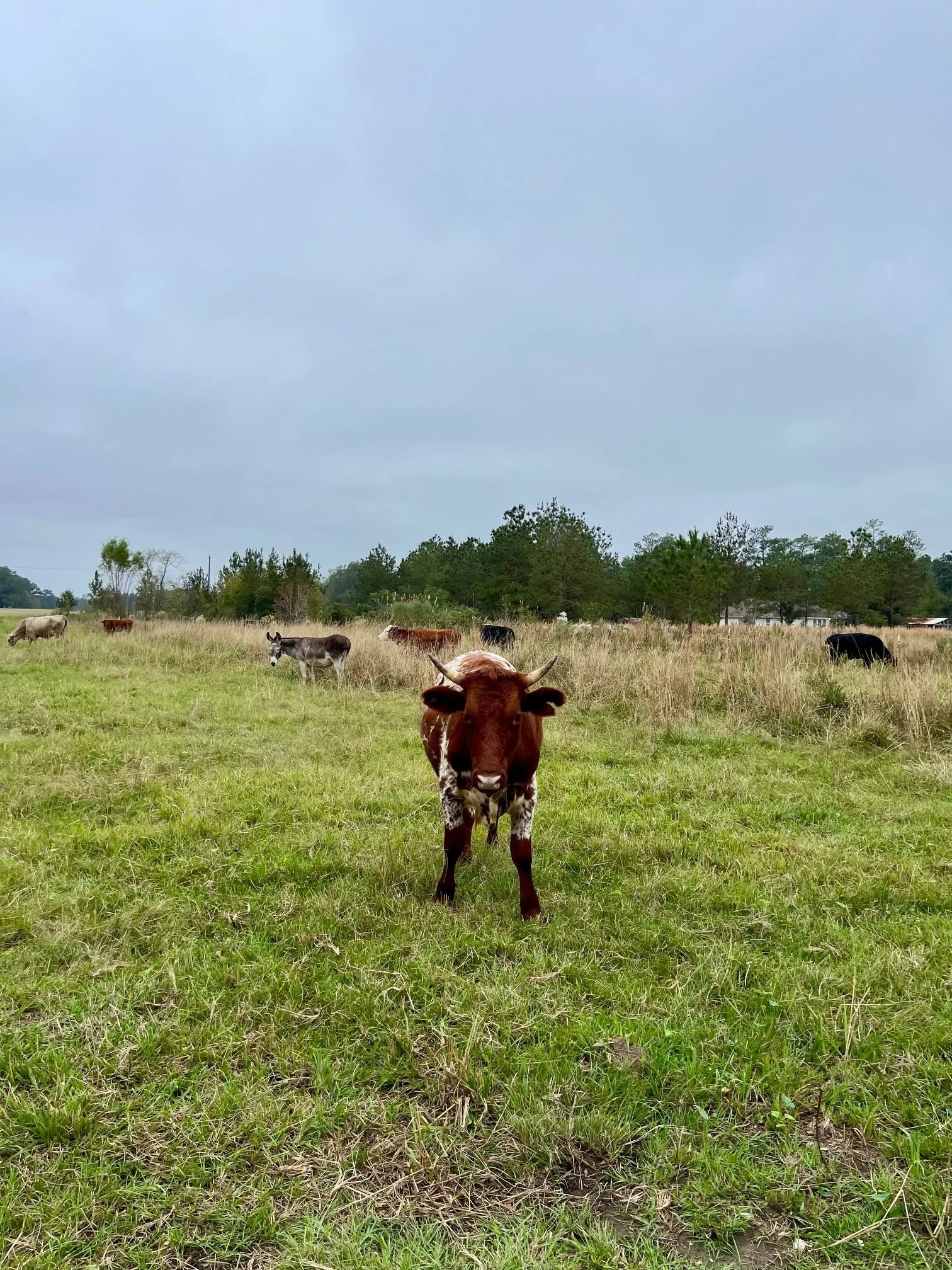
It’s wild seeing how small they were, especially the two Pineywoods steers we got as weaned calves in December 2023. Those two ended up dressing out at 650 and 661 pounds hanging weight, very respectable for Pineywoods (and meaning their live weights were around 1300 pounds or so).
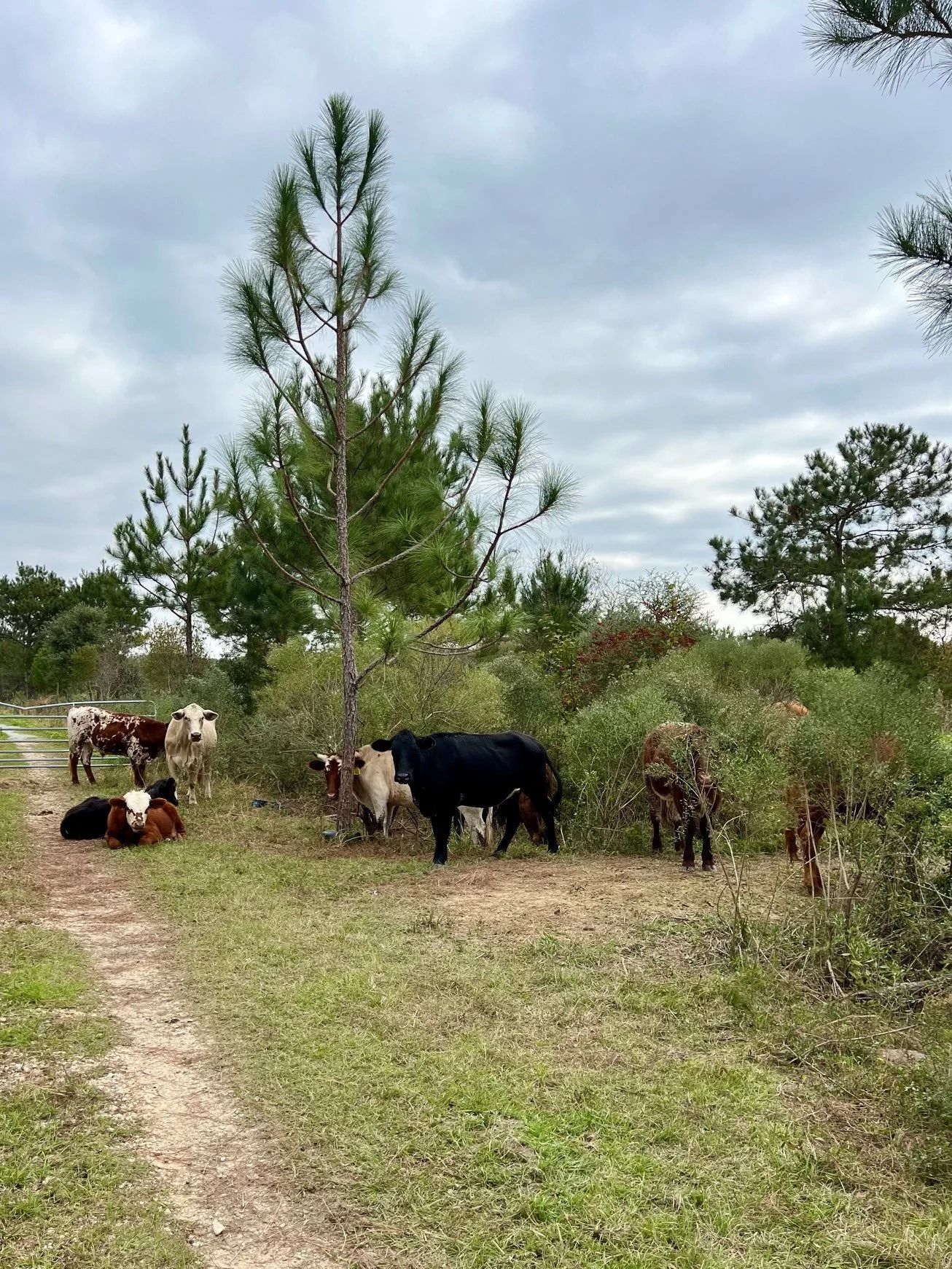
And some of the other Red Angus crosses got to 725 and 777.5 pounds hanging weight, too! (These we received in mid January 2024). We also had one heifer in the group that came with the group of steers and one cow that came in February 2024. The heifer and the cow were predictable a little smaller as female animals of many species tend to grow slower and devote more of their calories to their reproductive systems.
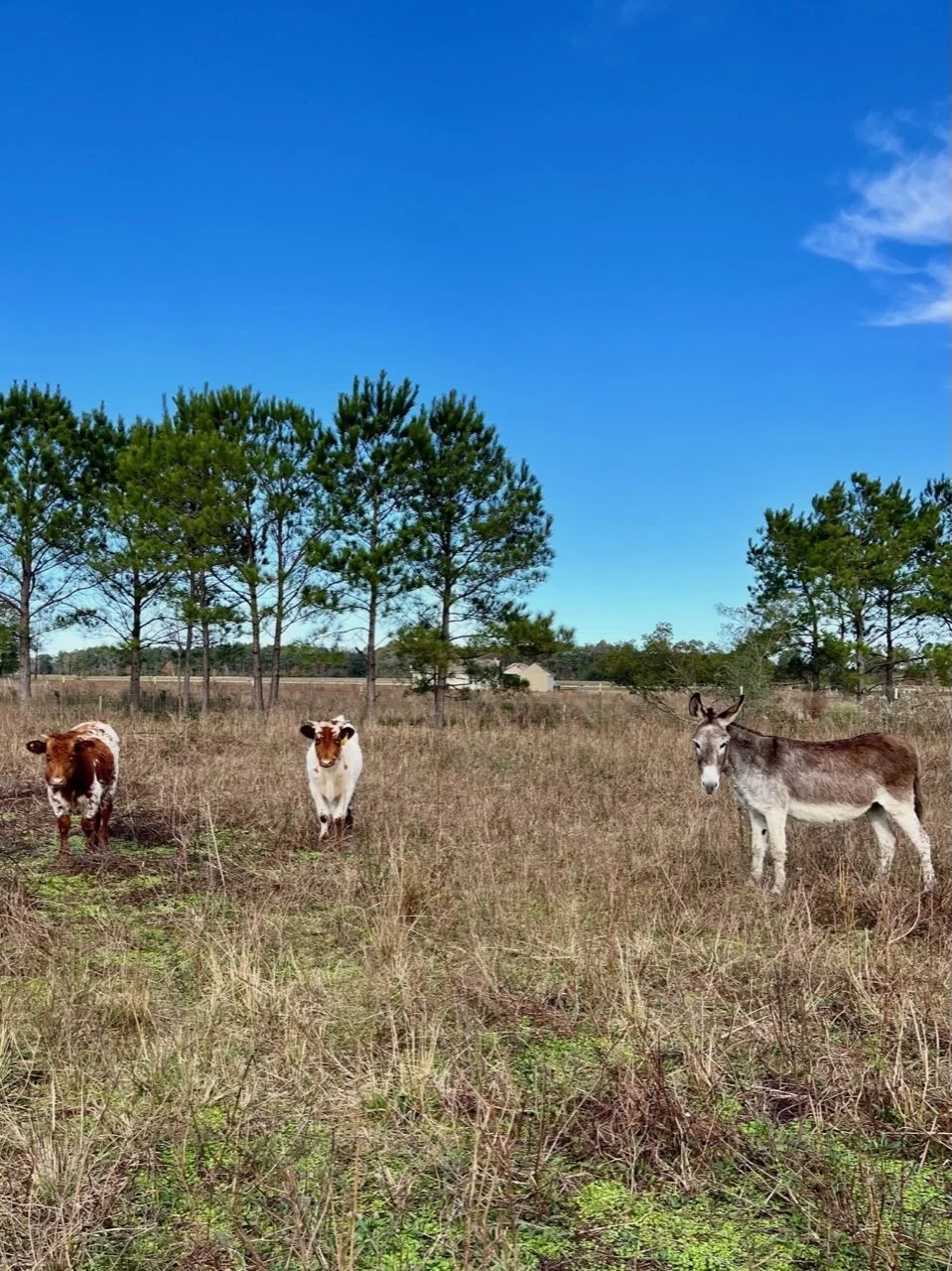
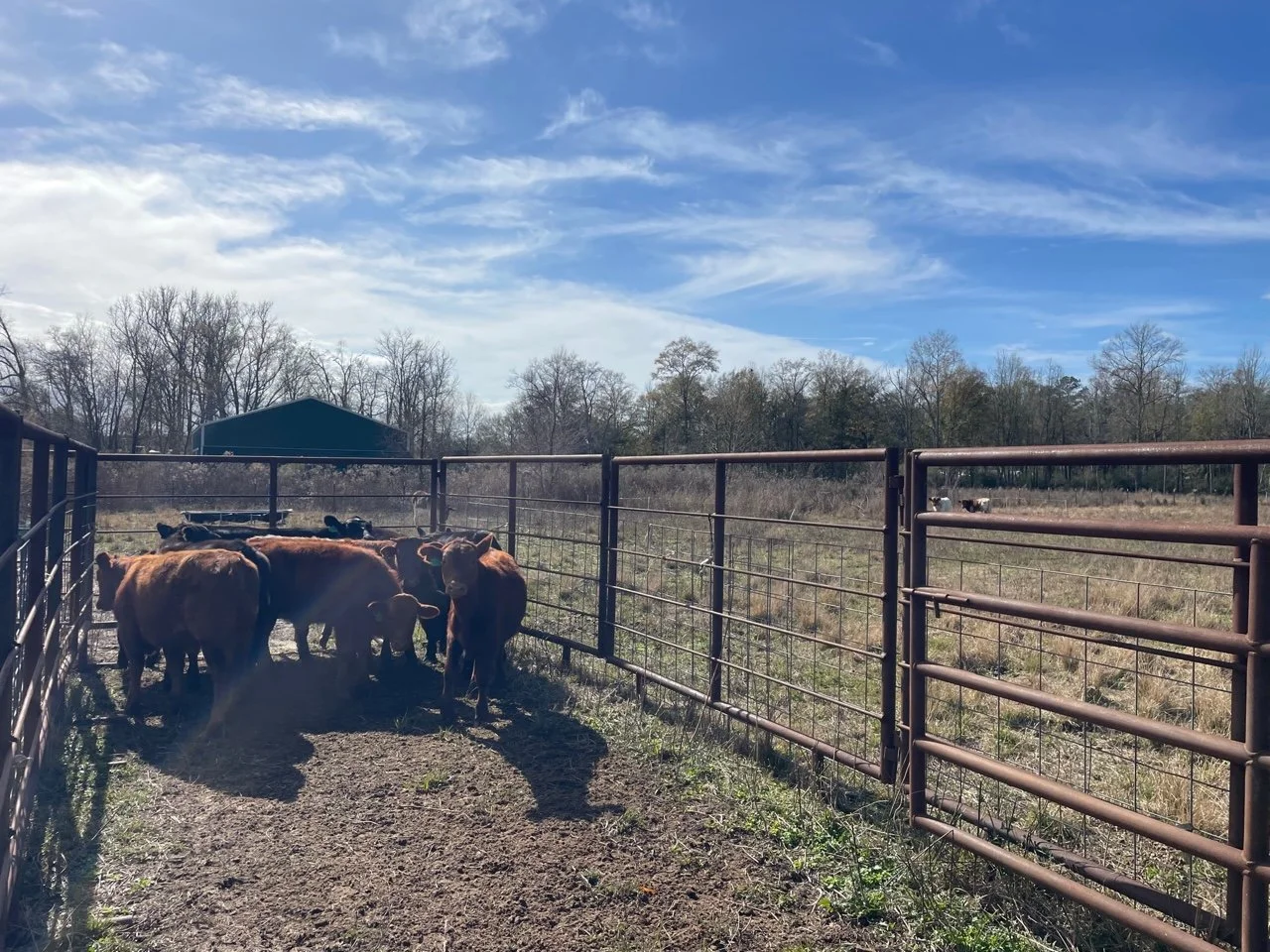
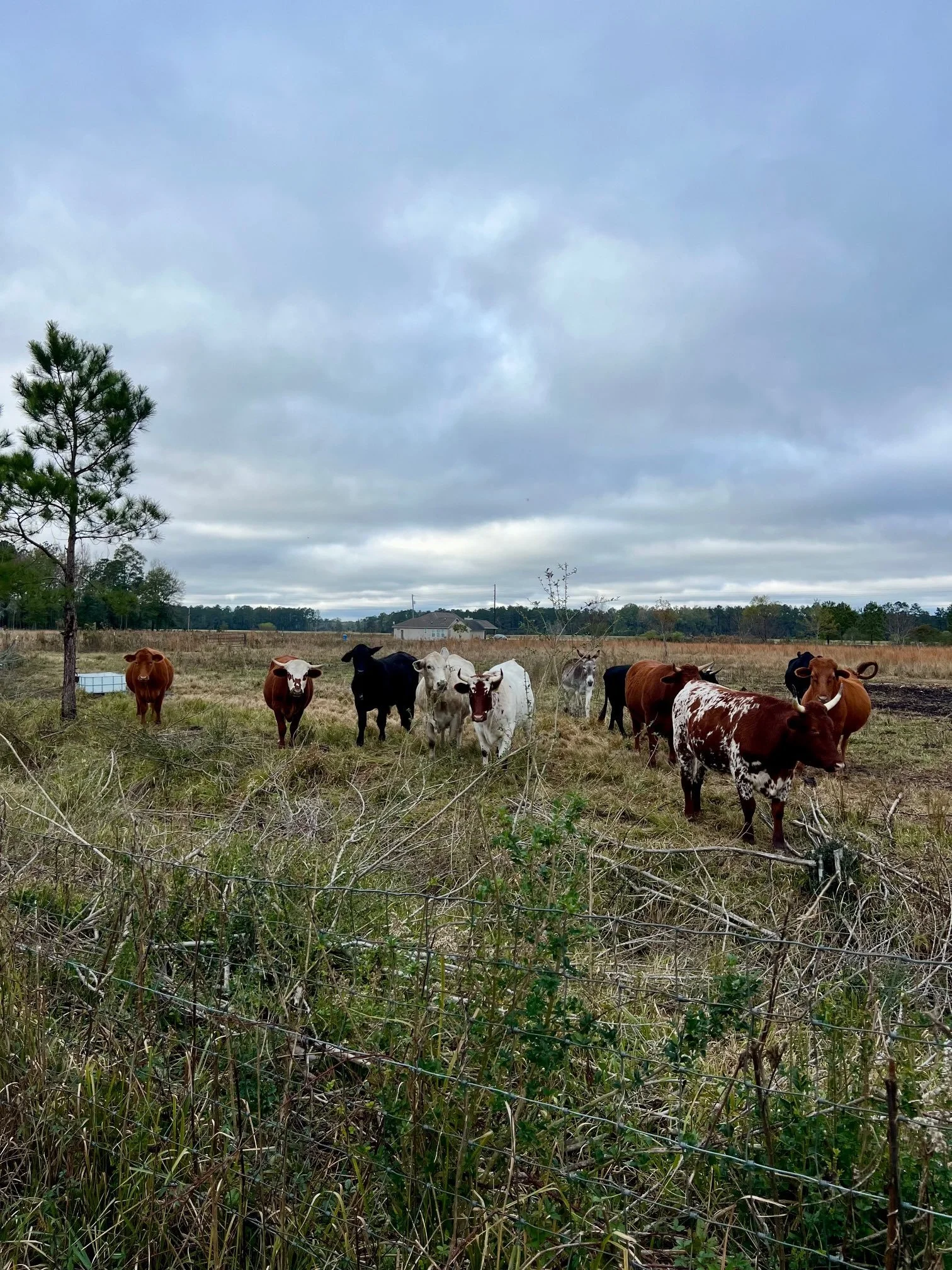
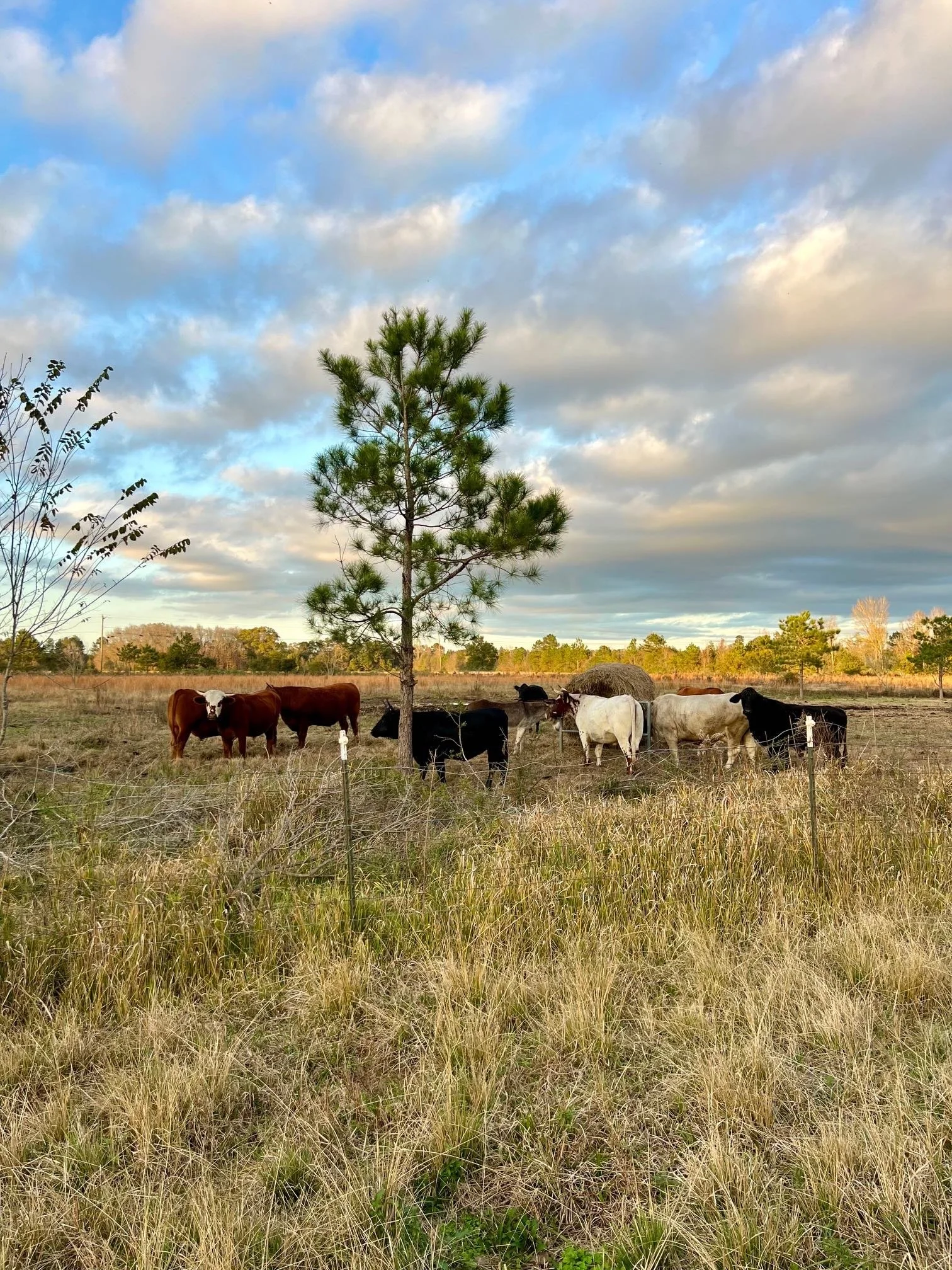
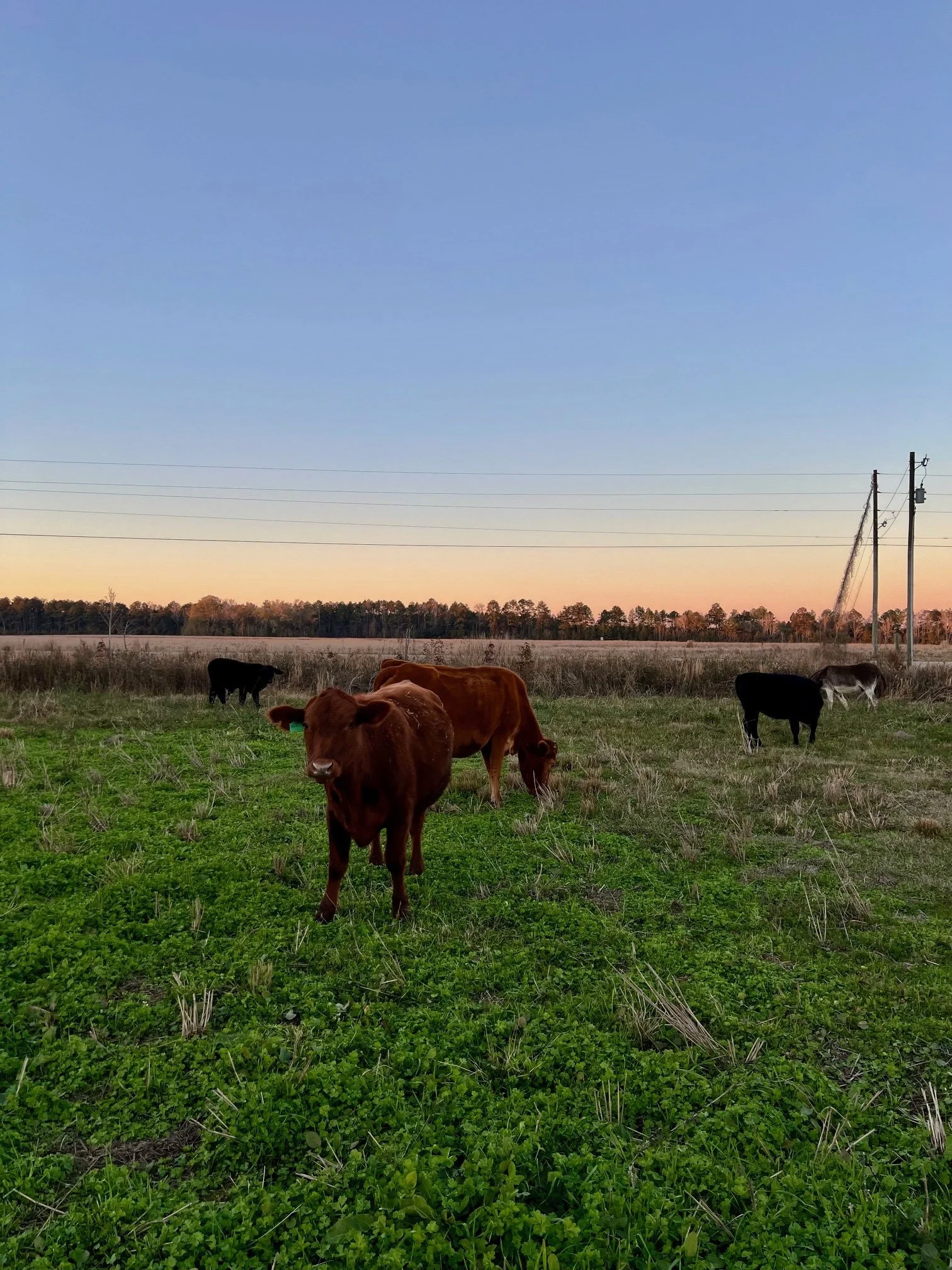
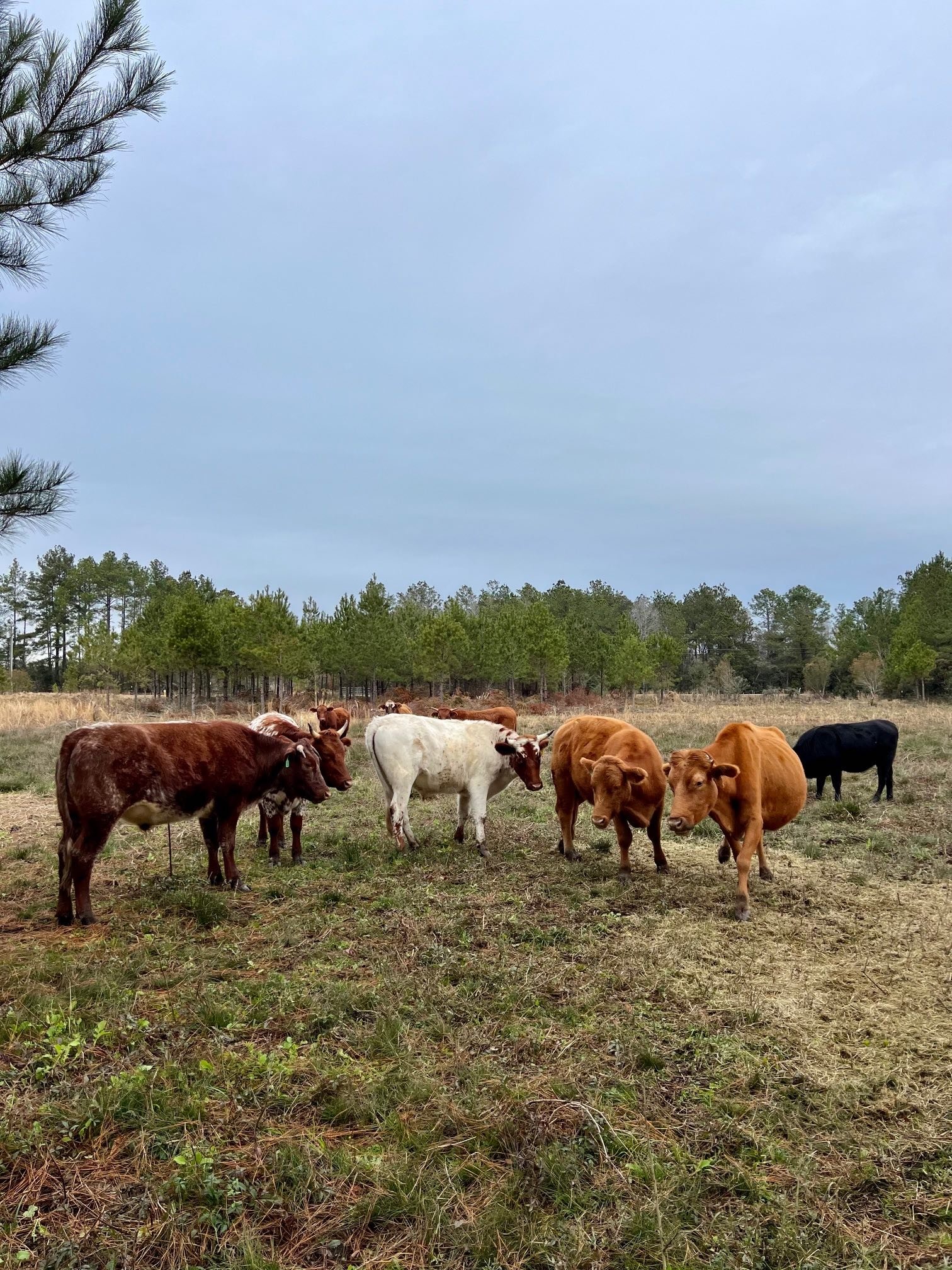
The first two photos above are the very first photos we took of these animals — the two Pinewoods steers on the day they arrived on December 10, 2023 and then the larger group of mostly steers and a heifer when they arrived on January 11, 2024.
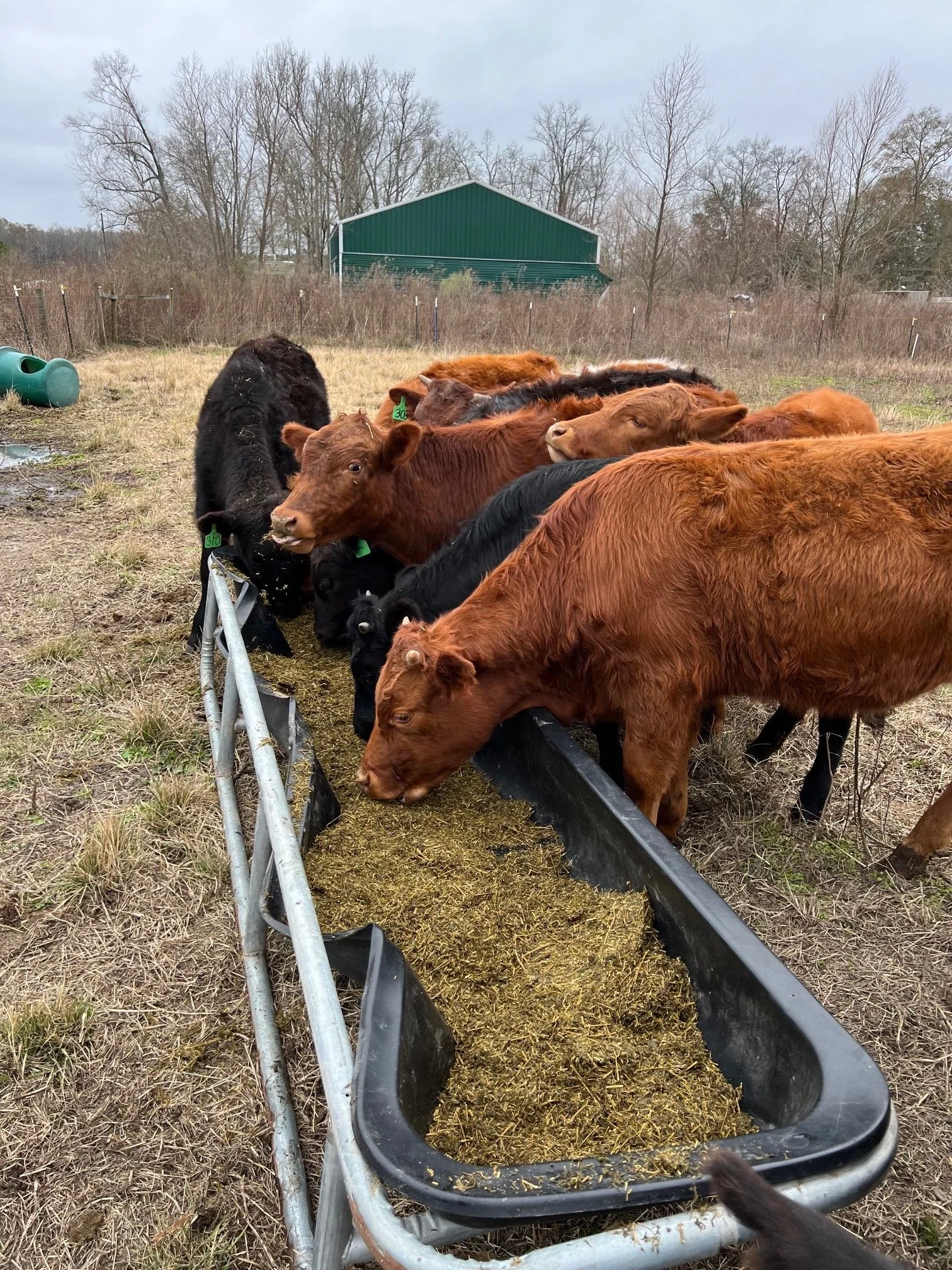
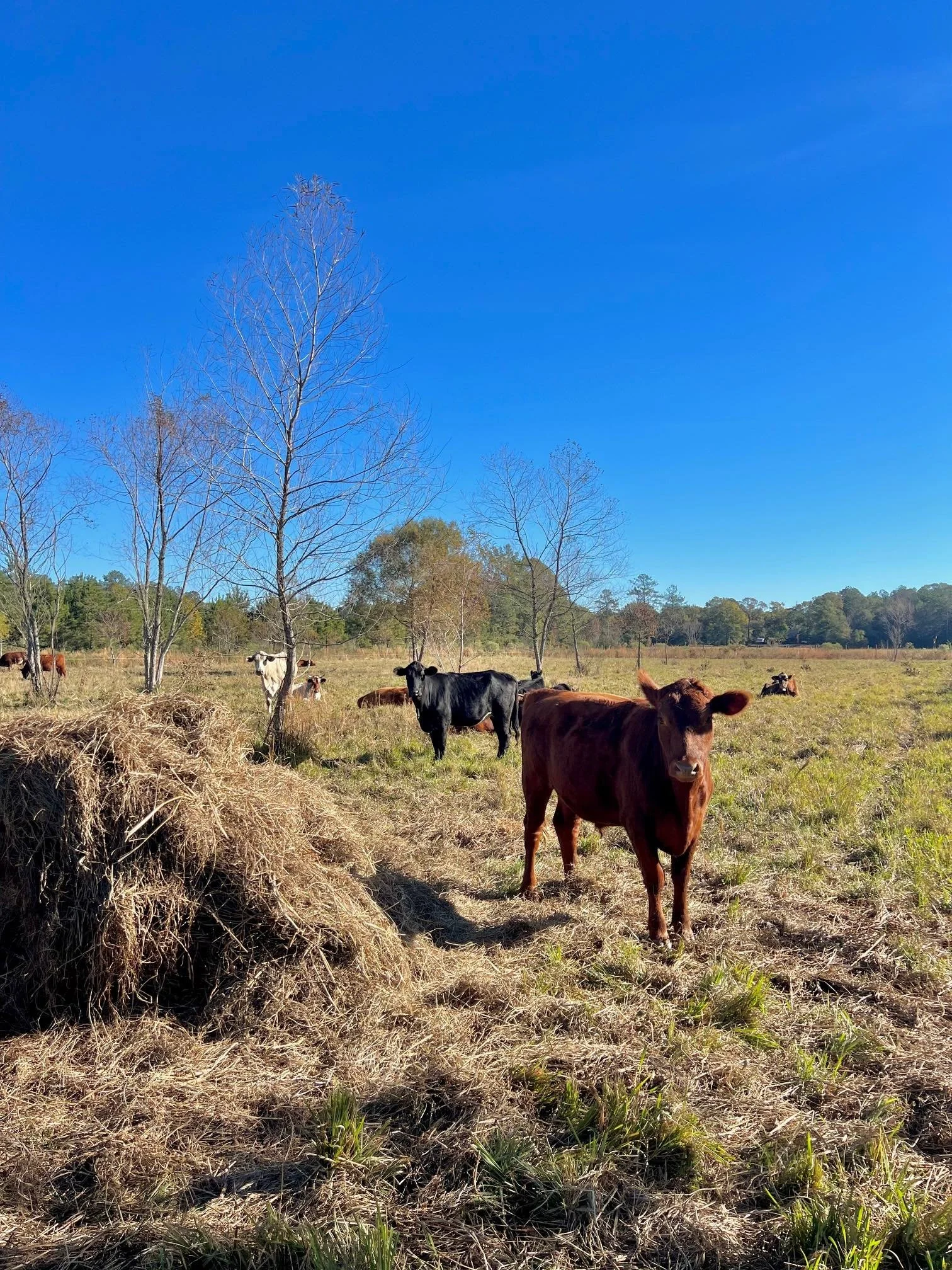
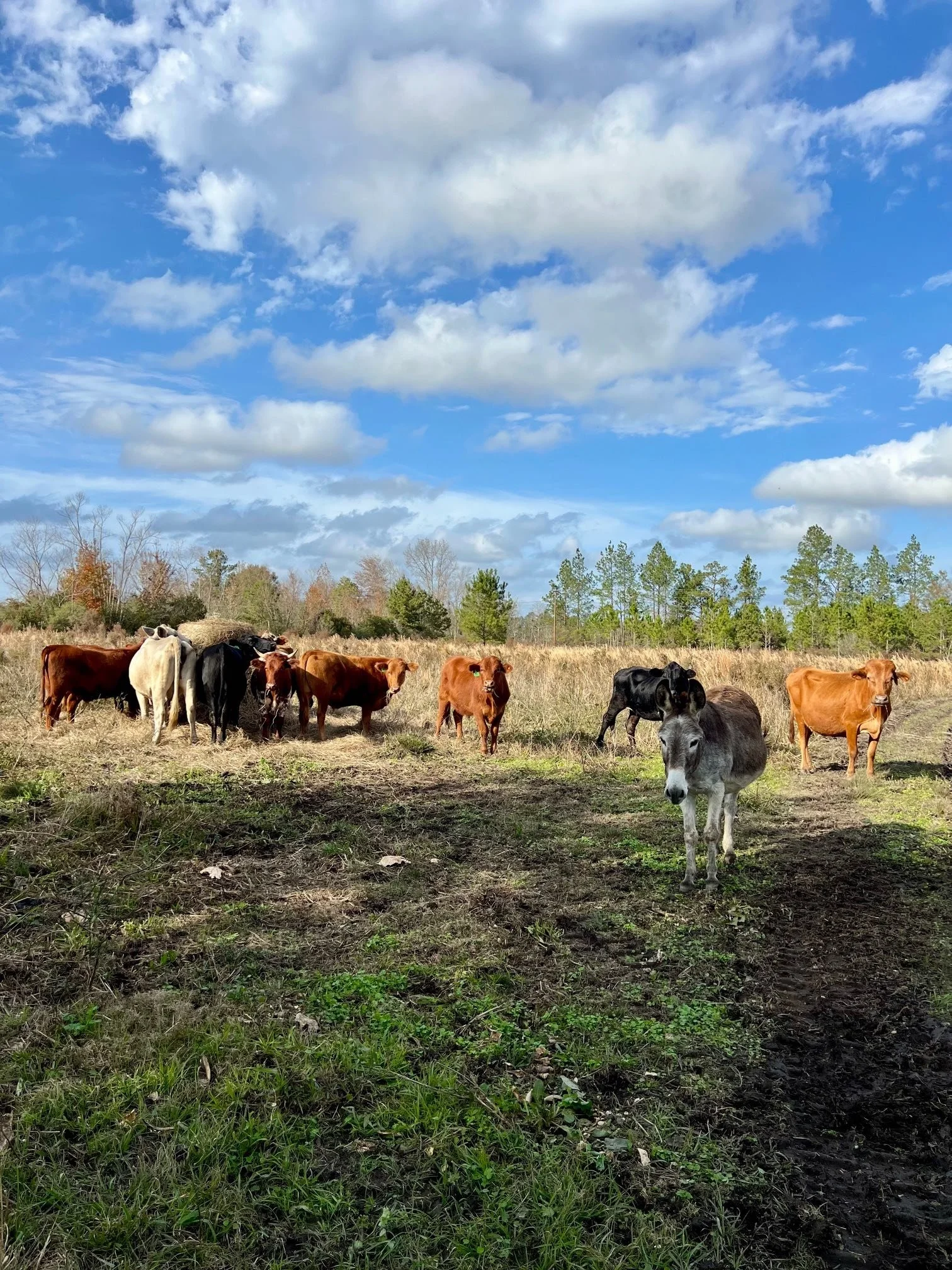
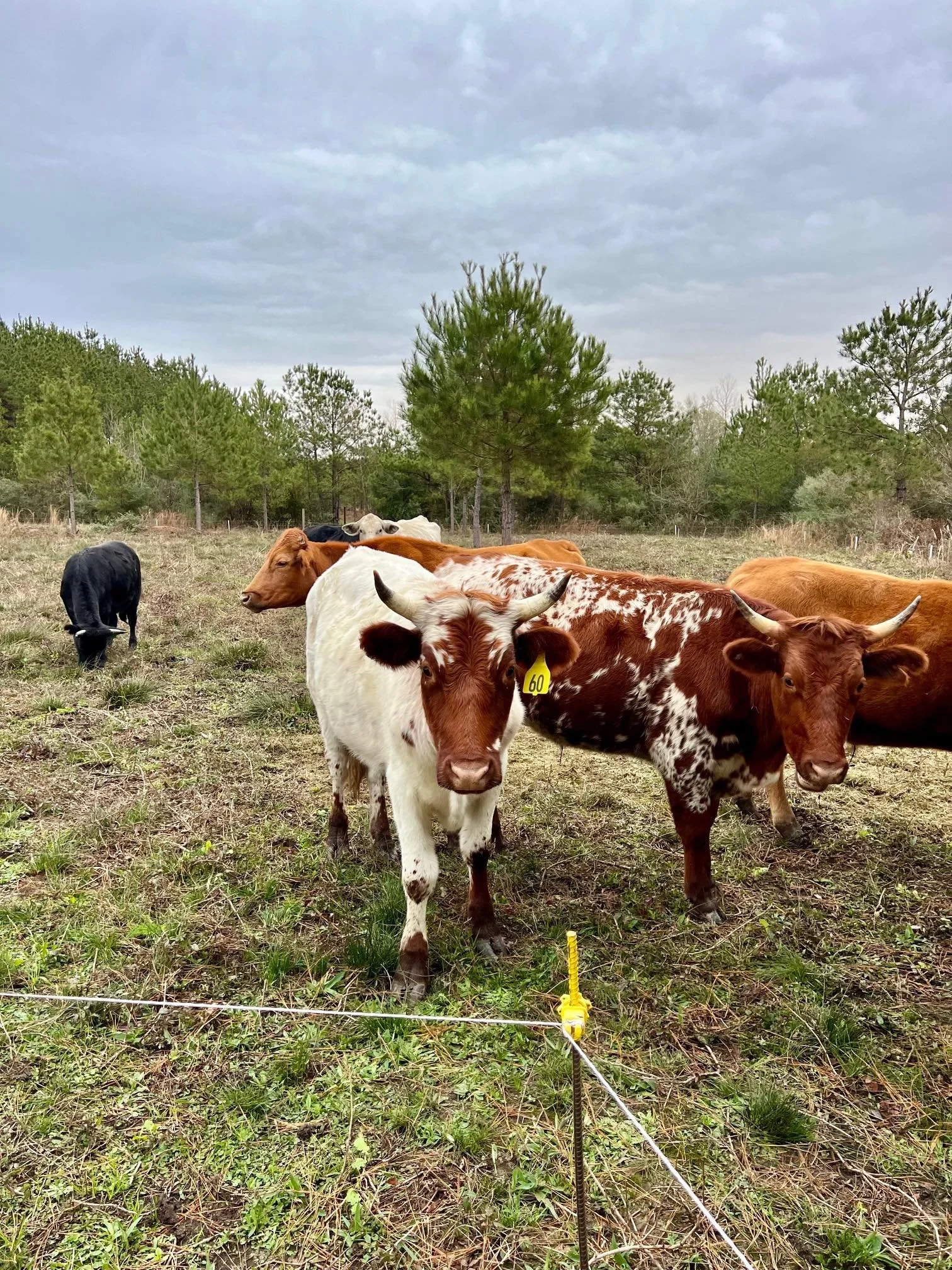
The next two photos are bale grazing a little over a week before harvest in December 2025. I thought the juxtaposition to see how much they grew was interesting! And it’s particularly telling to look at the Pinewoods steers’ size in comparison to our donkey in the first photo and the third photo.
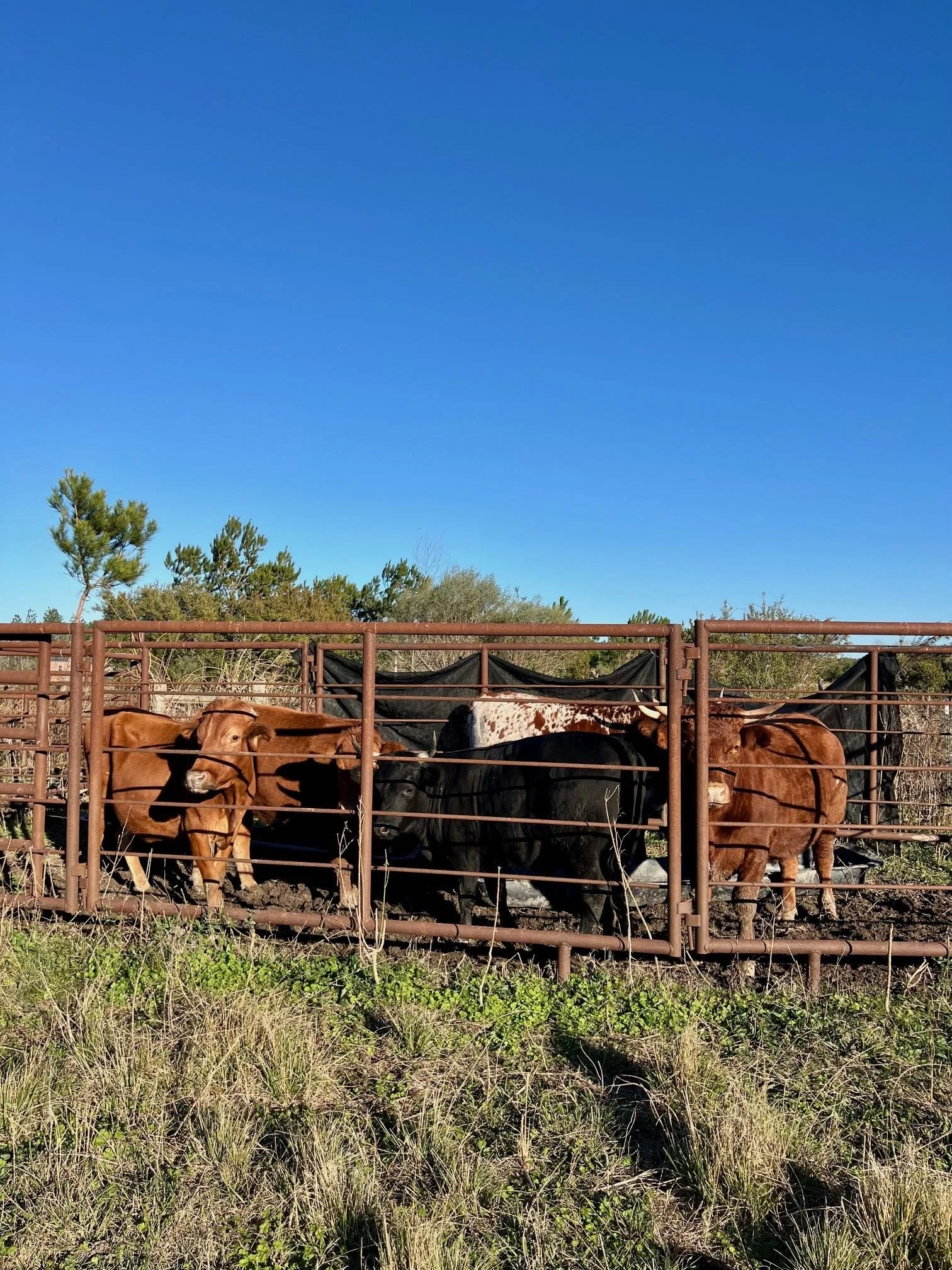
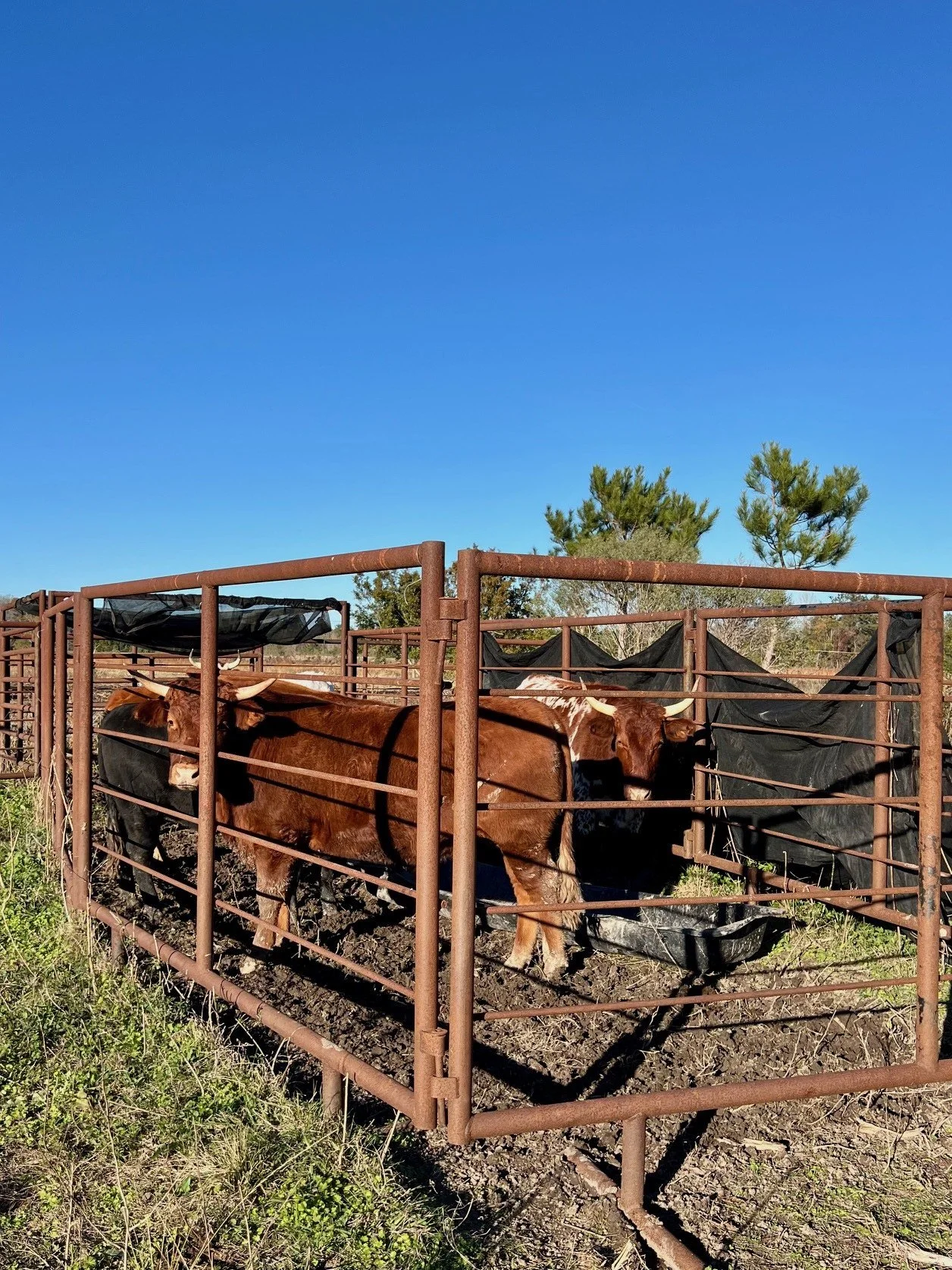
And the last two photos are six cattle we harvested in our drill stem pipe corral, the afternoon we loaded them on the trailer.
The biggest inputs for raising grass-finished beef are land and time. Below, you can scroll through and take a look at how much these cattle grew as we rotated them around our 60 acres for the past two years.
Cattle, like all ruminants, have the unique ability to digest highly fibrous plant matter and cellulose through their four-chambered digestive system. It’s really amazing to see them up cycle grasses that we humans cannot digest into muscle/meat that we can digest, essentially converting grass into protein!
We do supplement their diet with local grass hay, as well as alfalfa pellets and occasionally other fiber and feeds approved by the American Grassfed Association, particularly in winter or periods of drought. We also offer loose minerals year round.
We do not feed grain and therefore we do not need to medicate them to offset rumen imbalances. We also do not use any growth hormones, steroids or antibiotics (prophylactically or to treat anything specific with these animals).
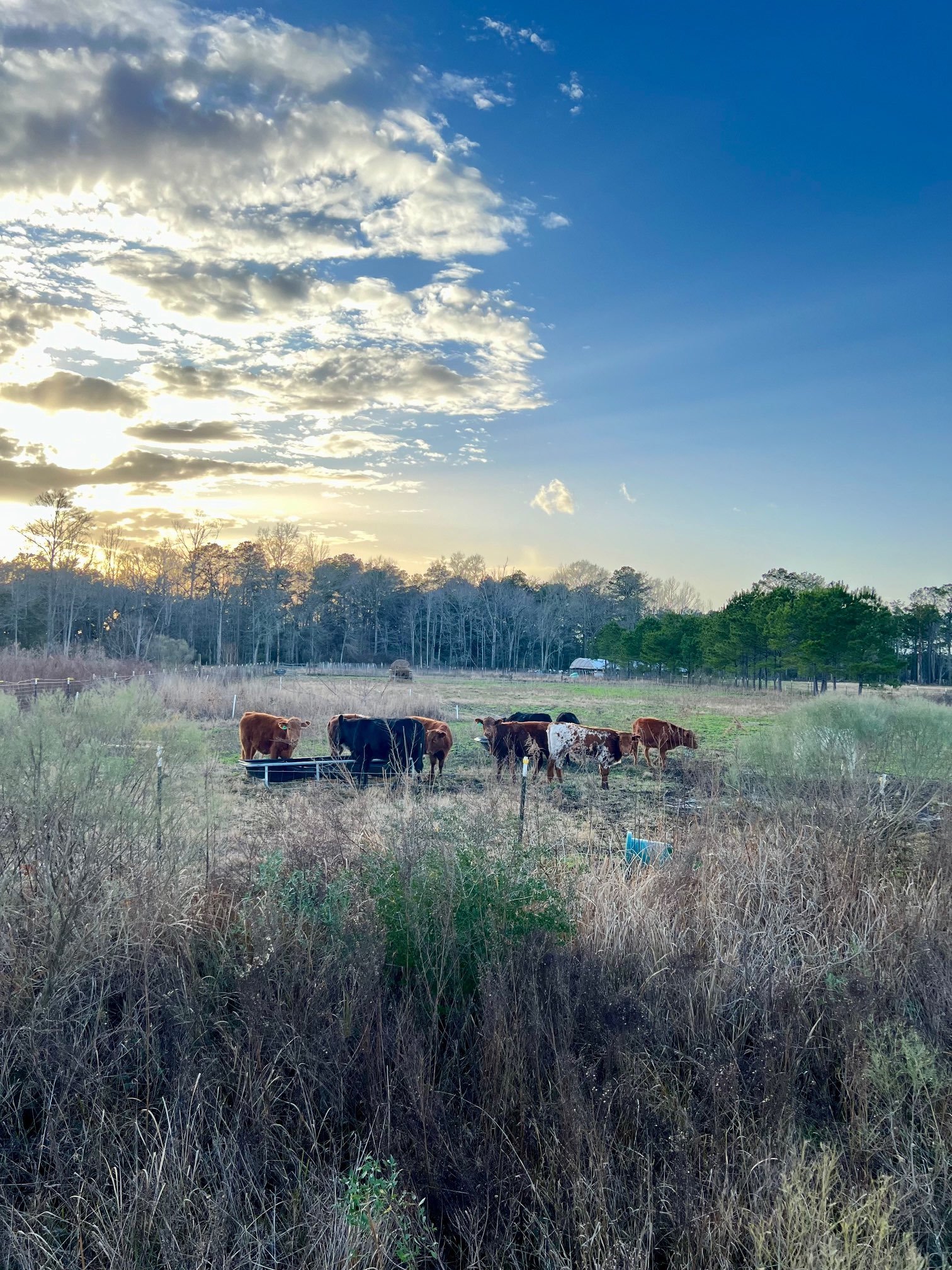
The rest of the photos below represent a few months at a time of the cattle as they rotated around the farm, often with daily moves in peak grazing season.
There’s some cattle in the 2024 and early 2025 photos that we did harvest in late 2024 and spring of 2025 and two calves born here that join the herd in that time, too!
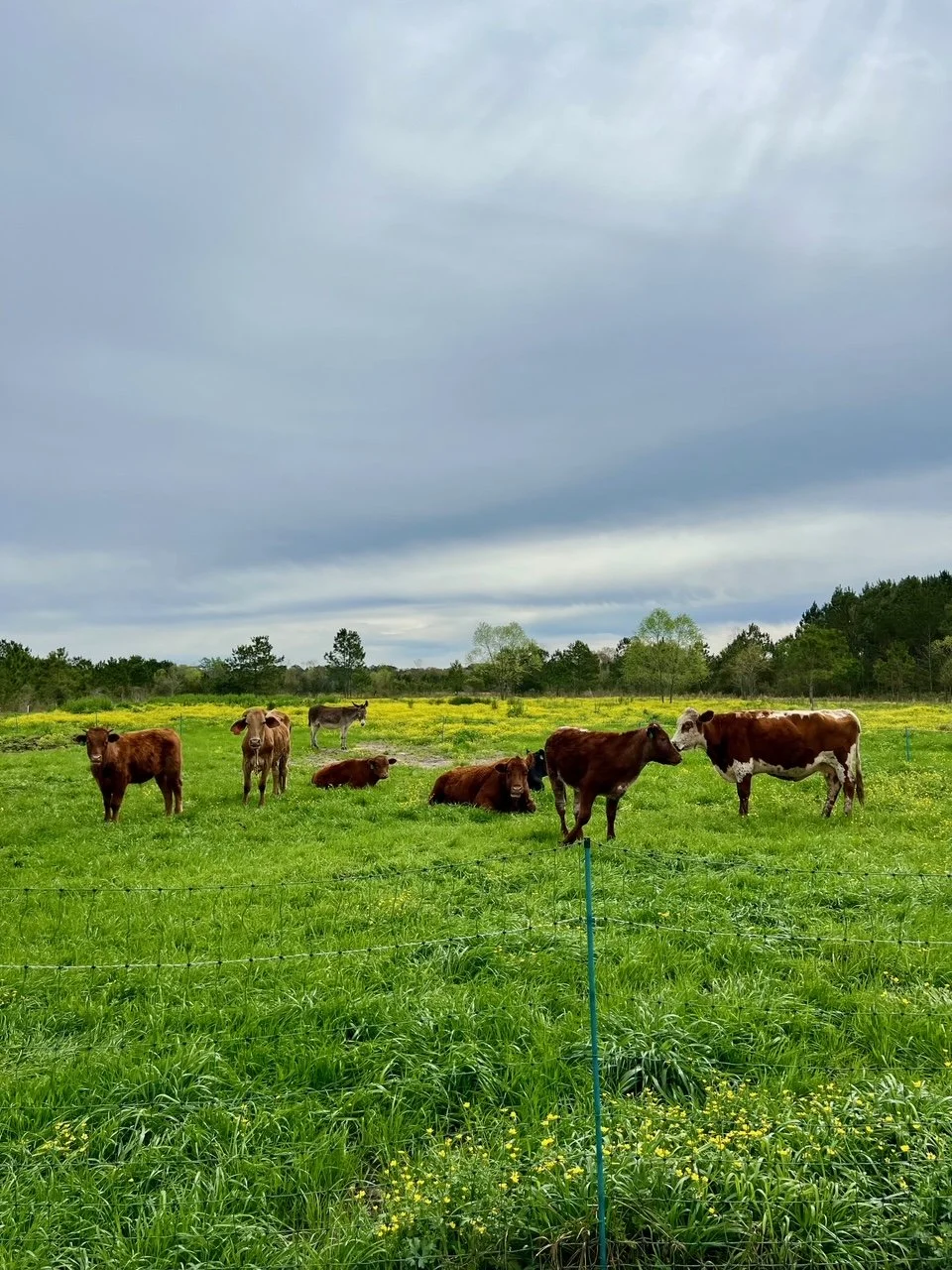
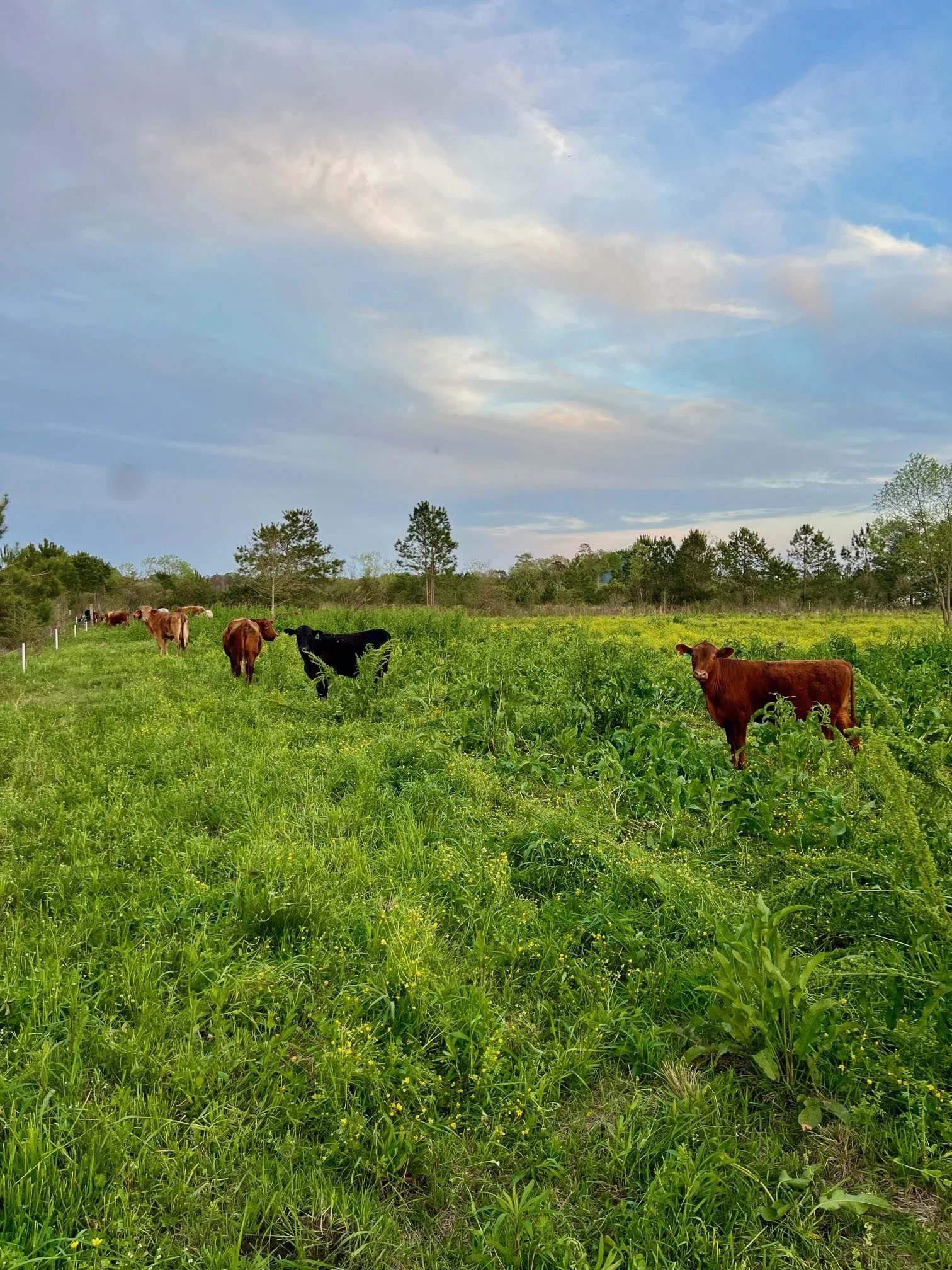
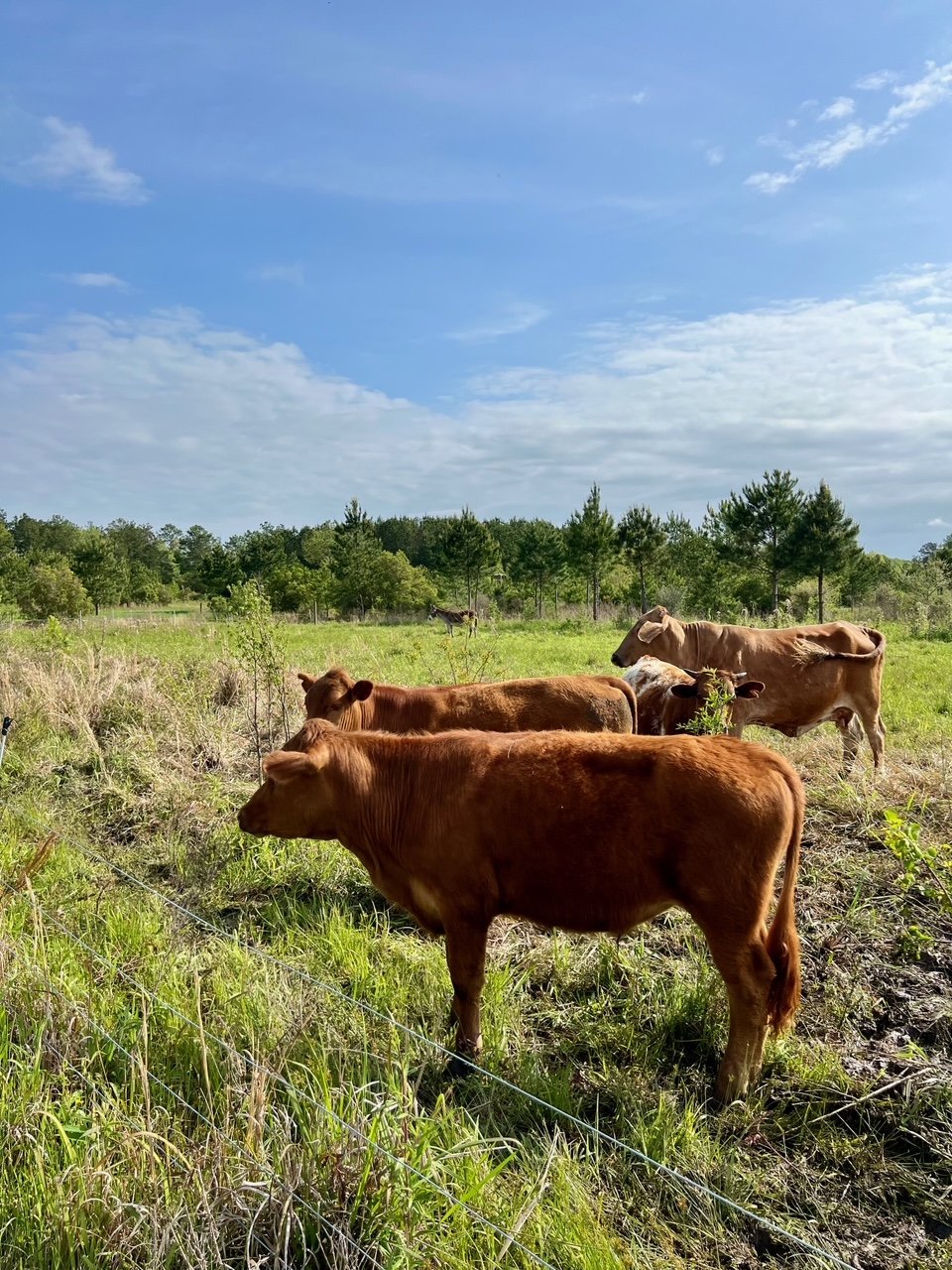
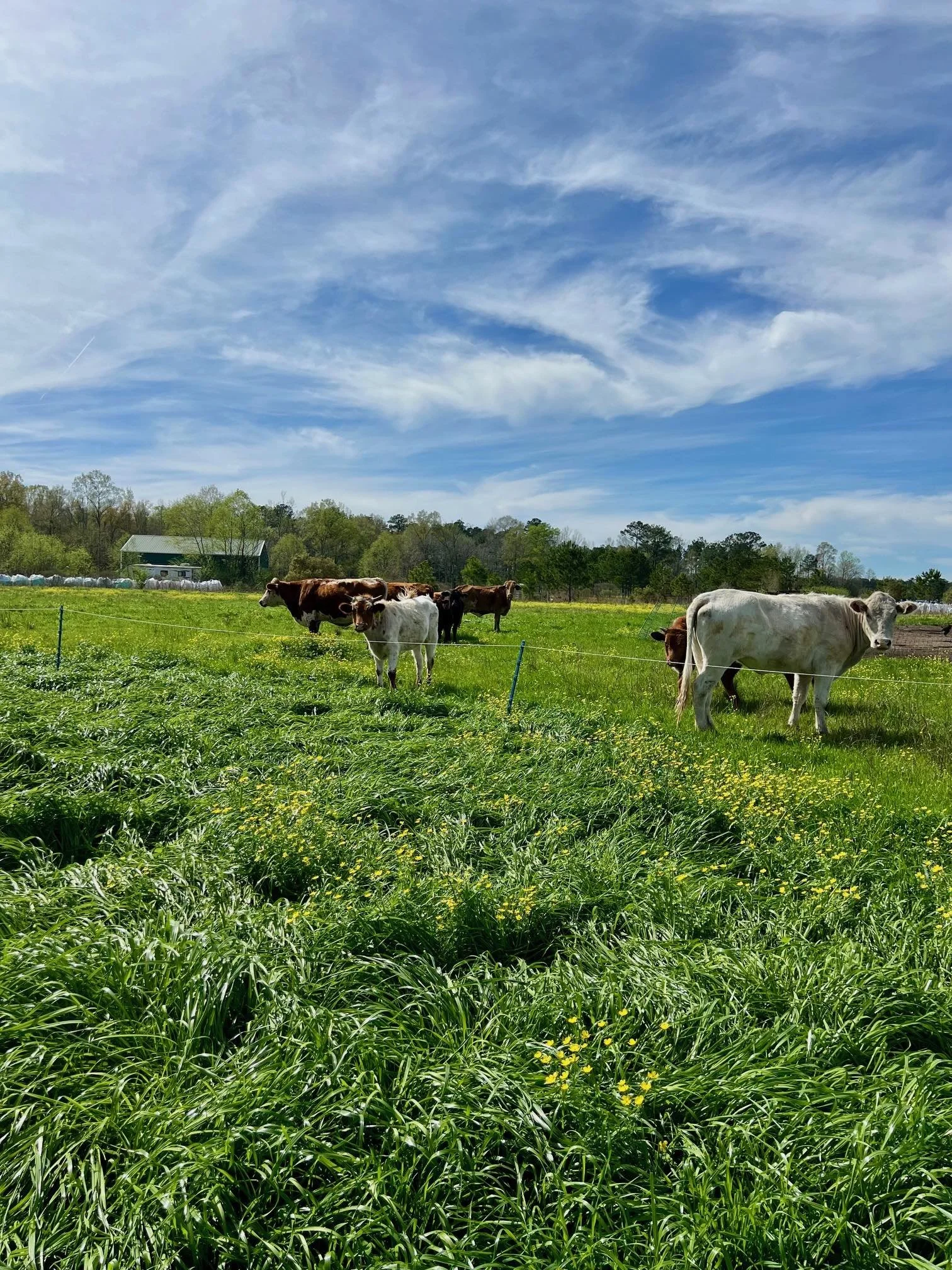
January - March 2024: Winter feeding included fermented alfalfa hay and then we started grazing on thick rye grass in March.
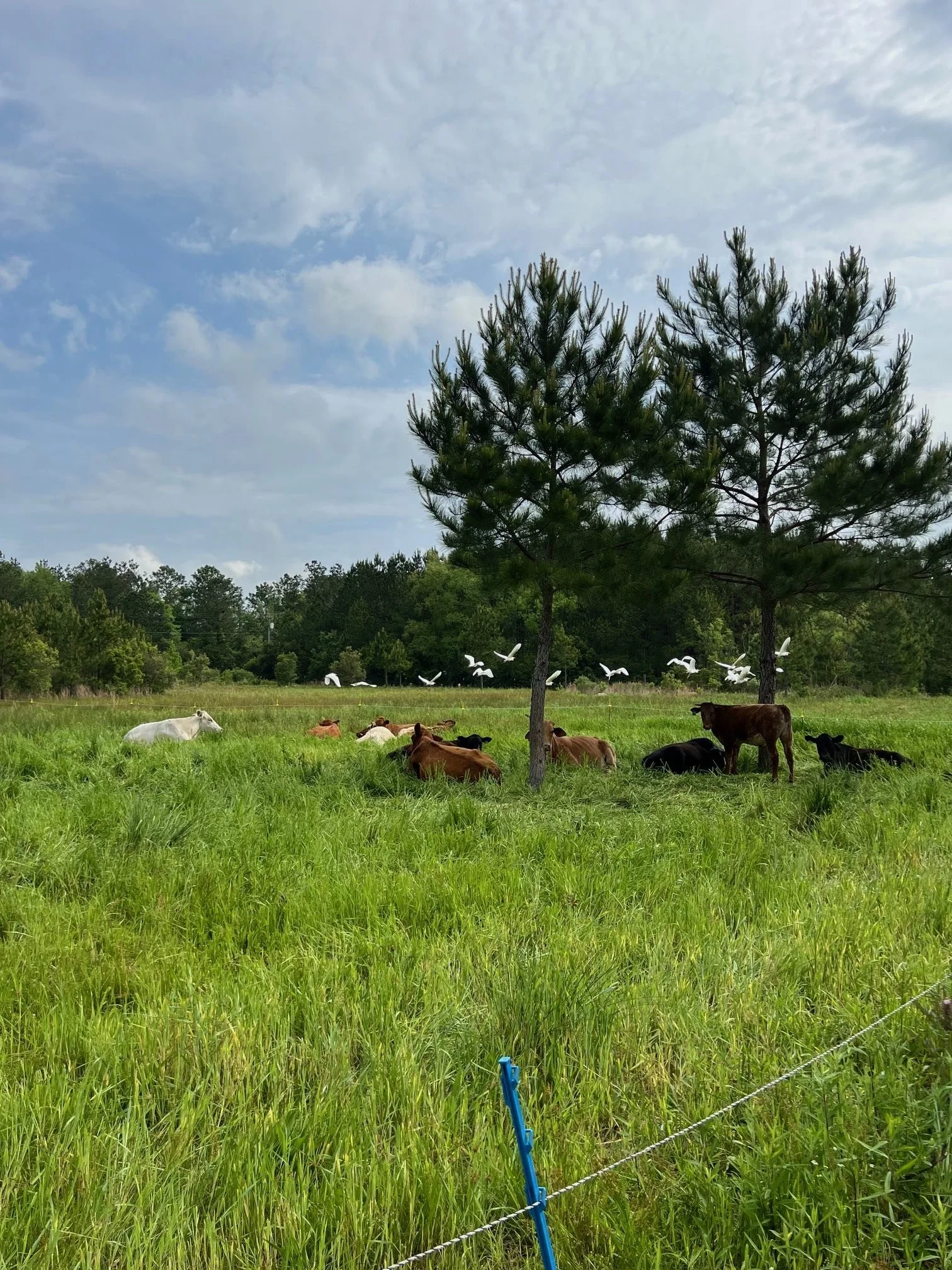
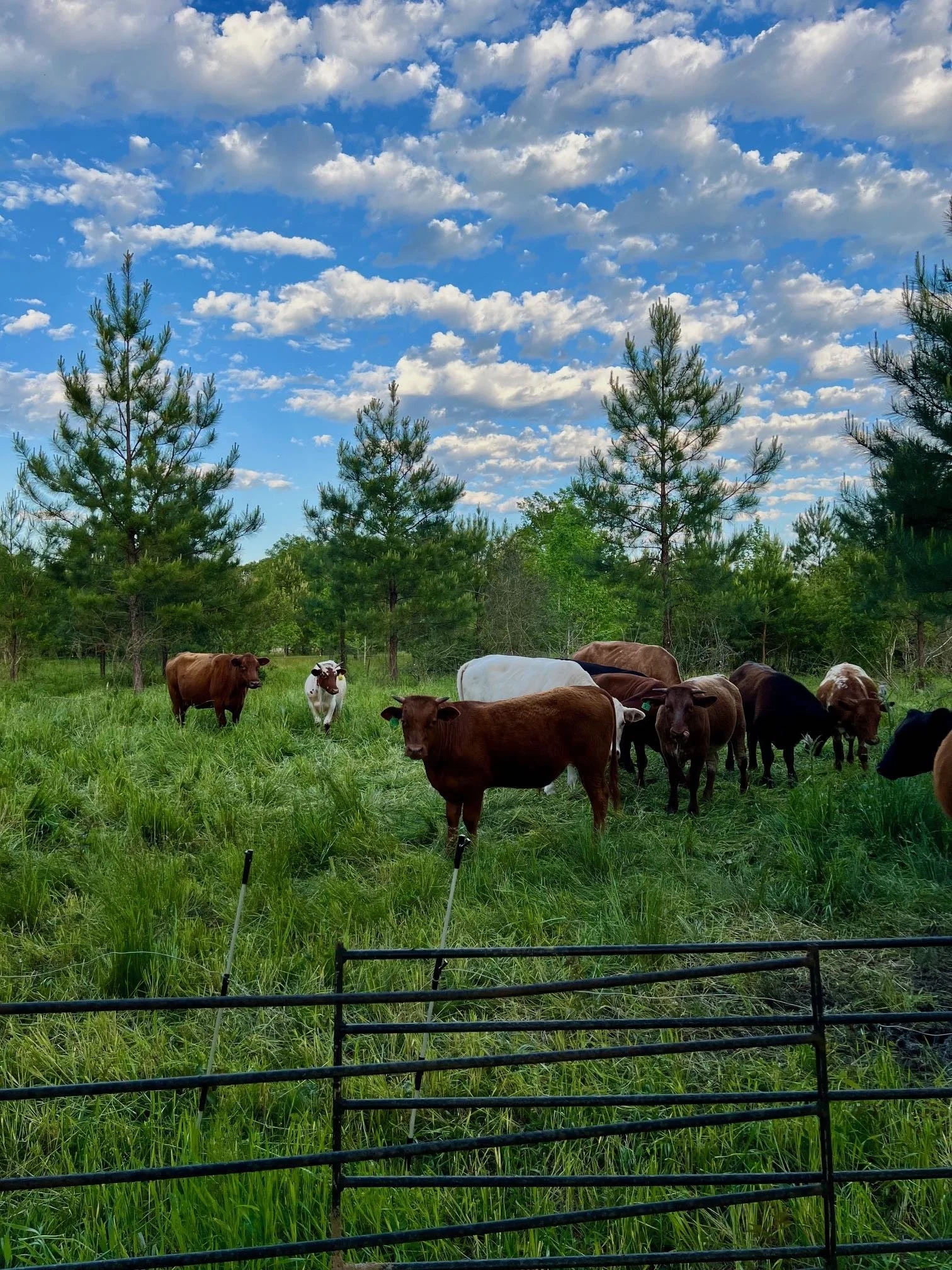
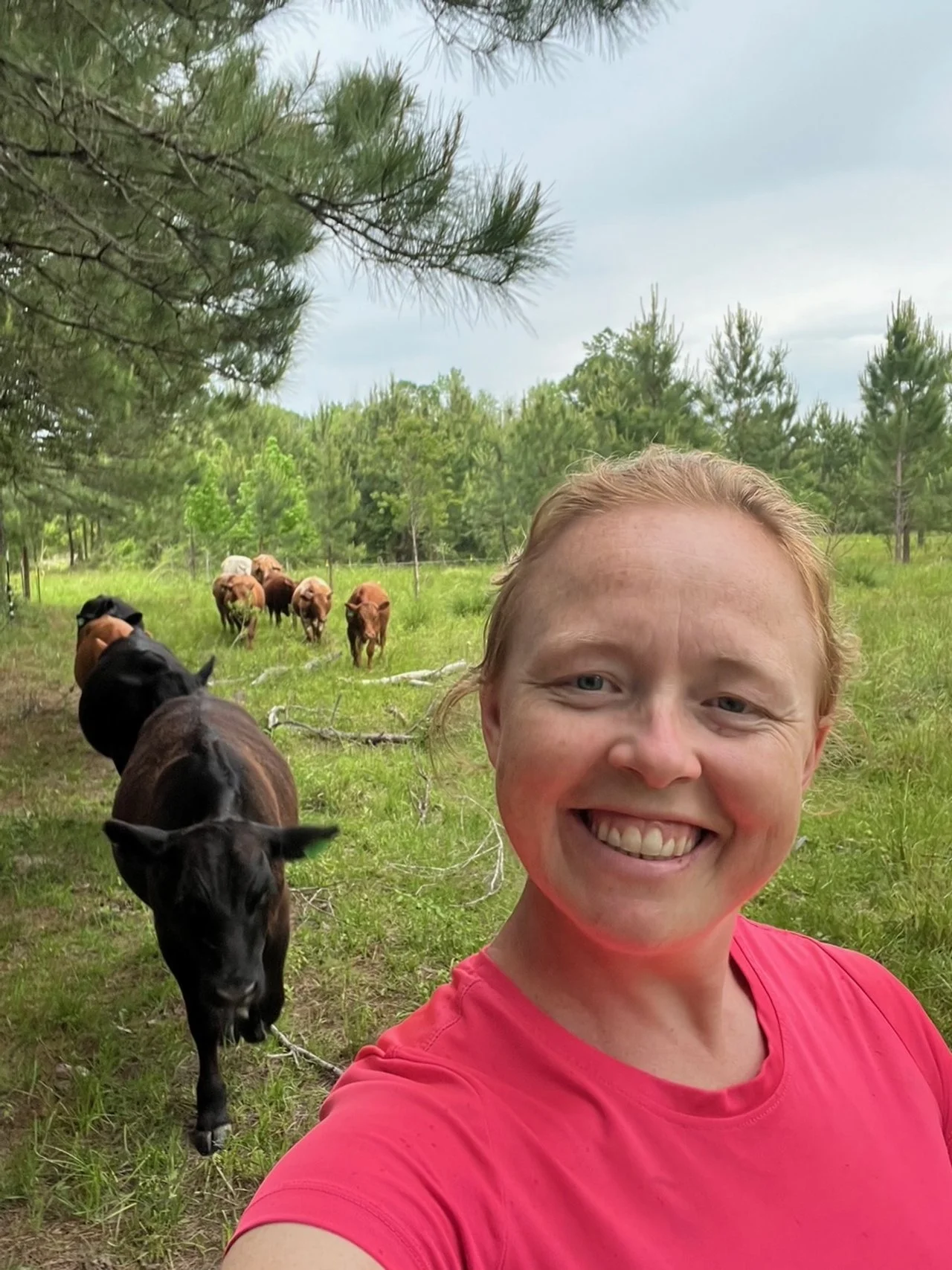
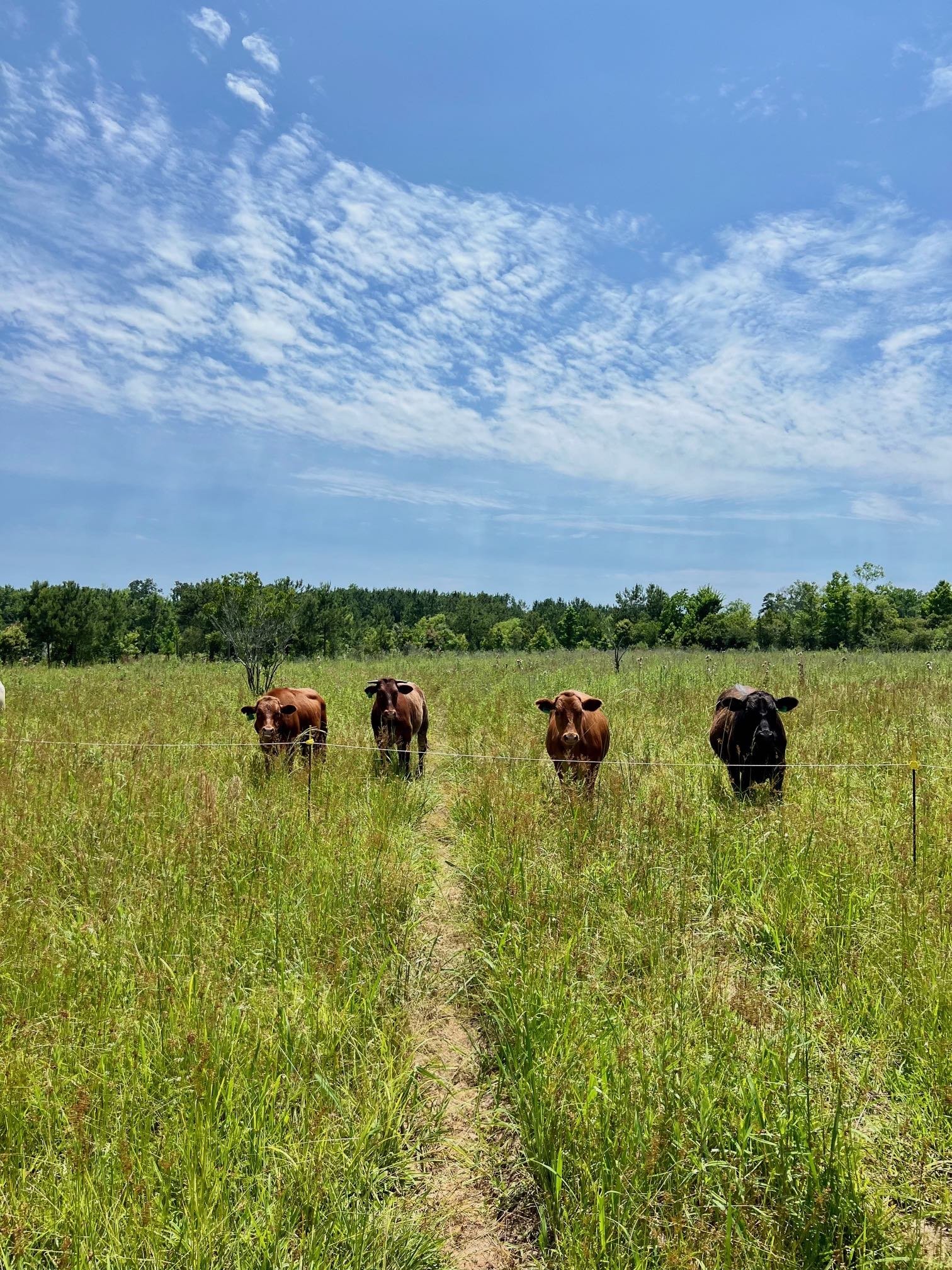
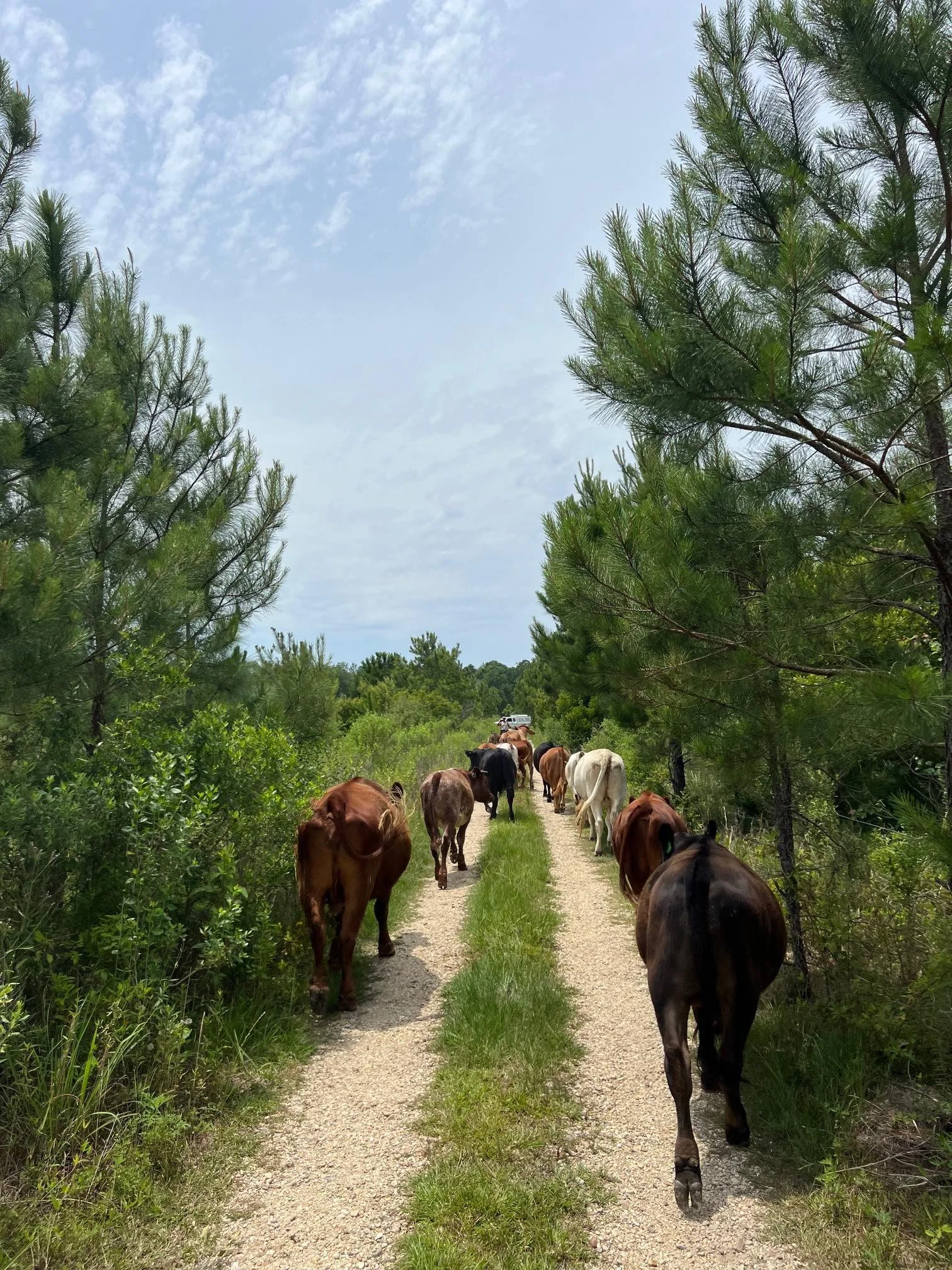
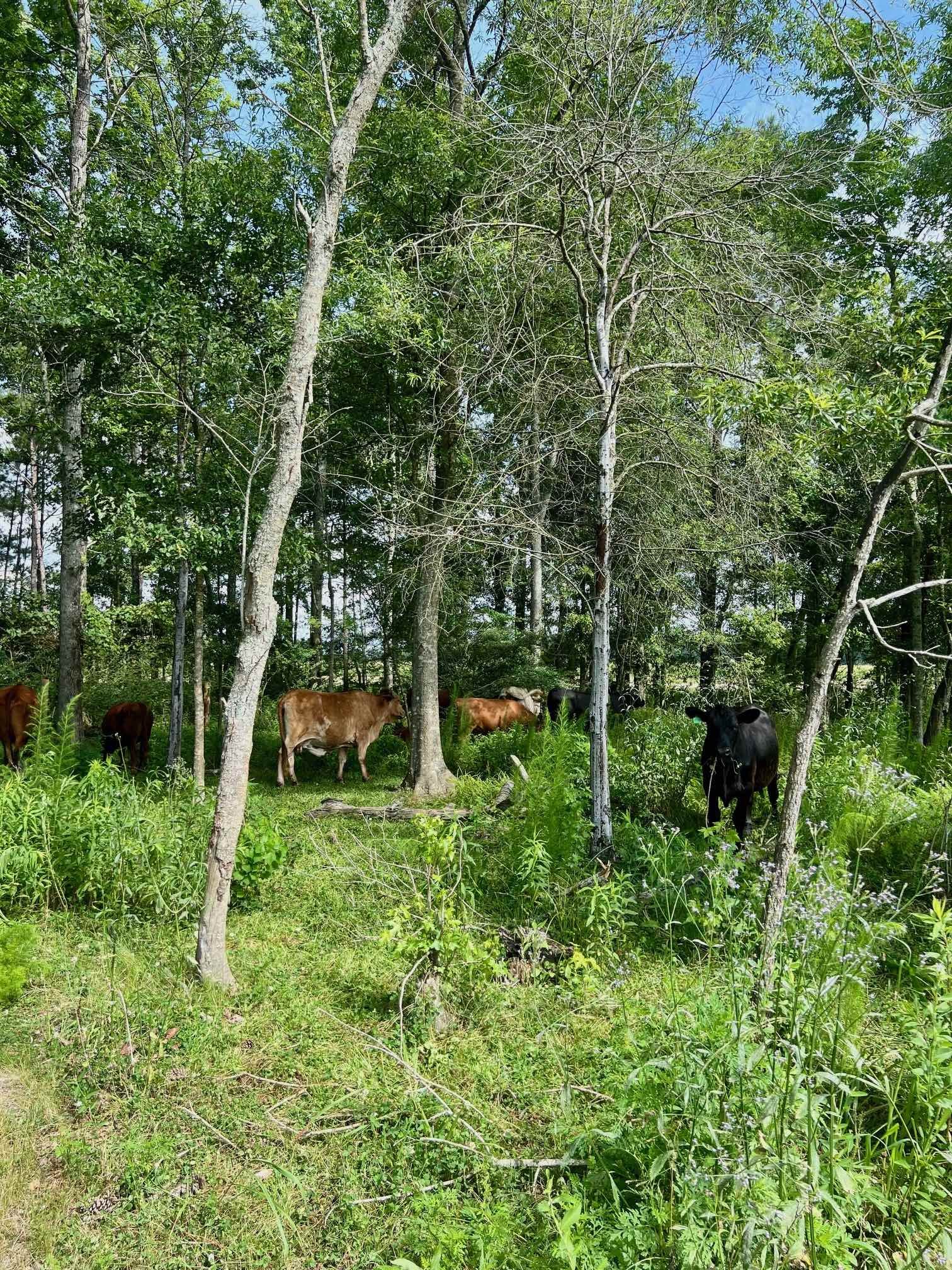
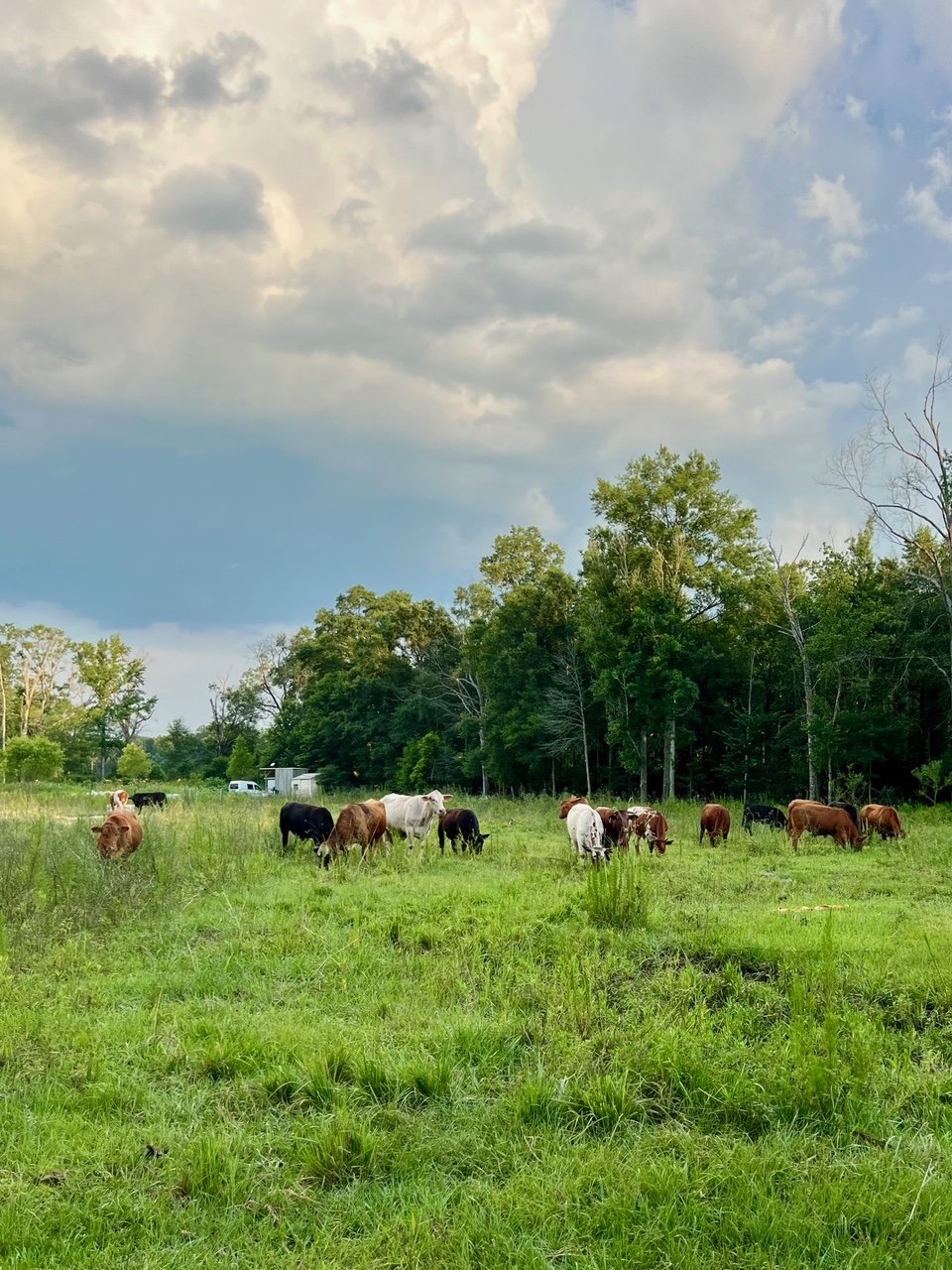
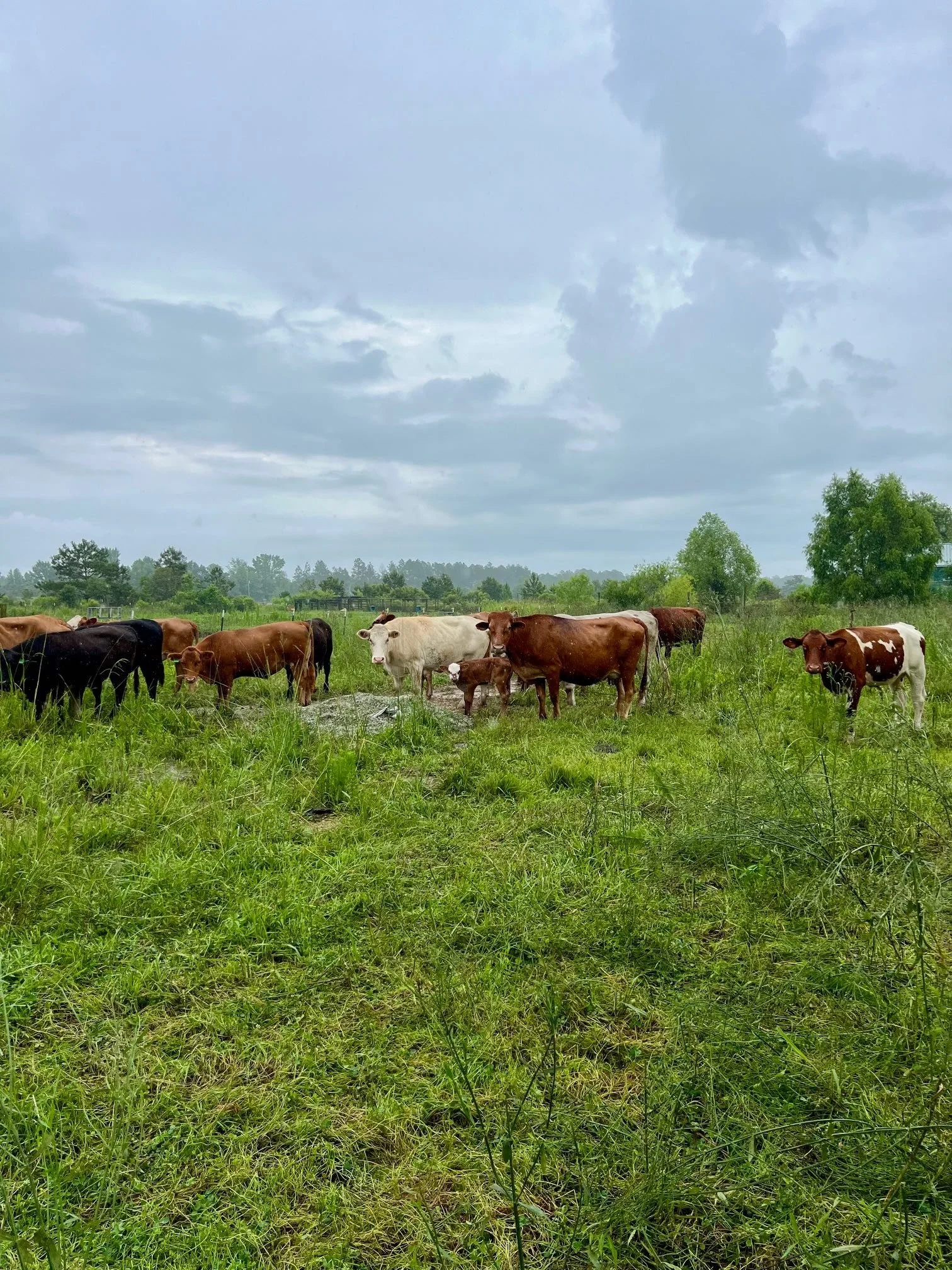
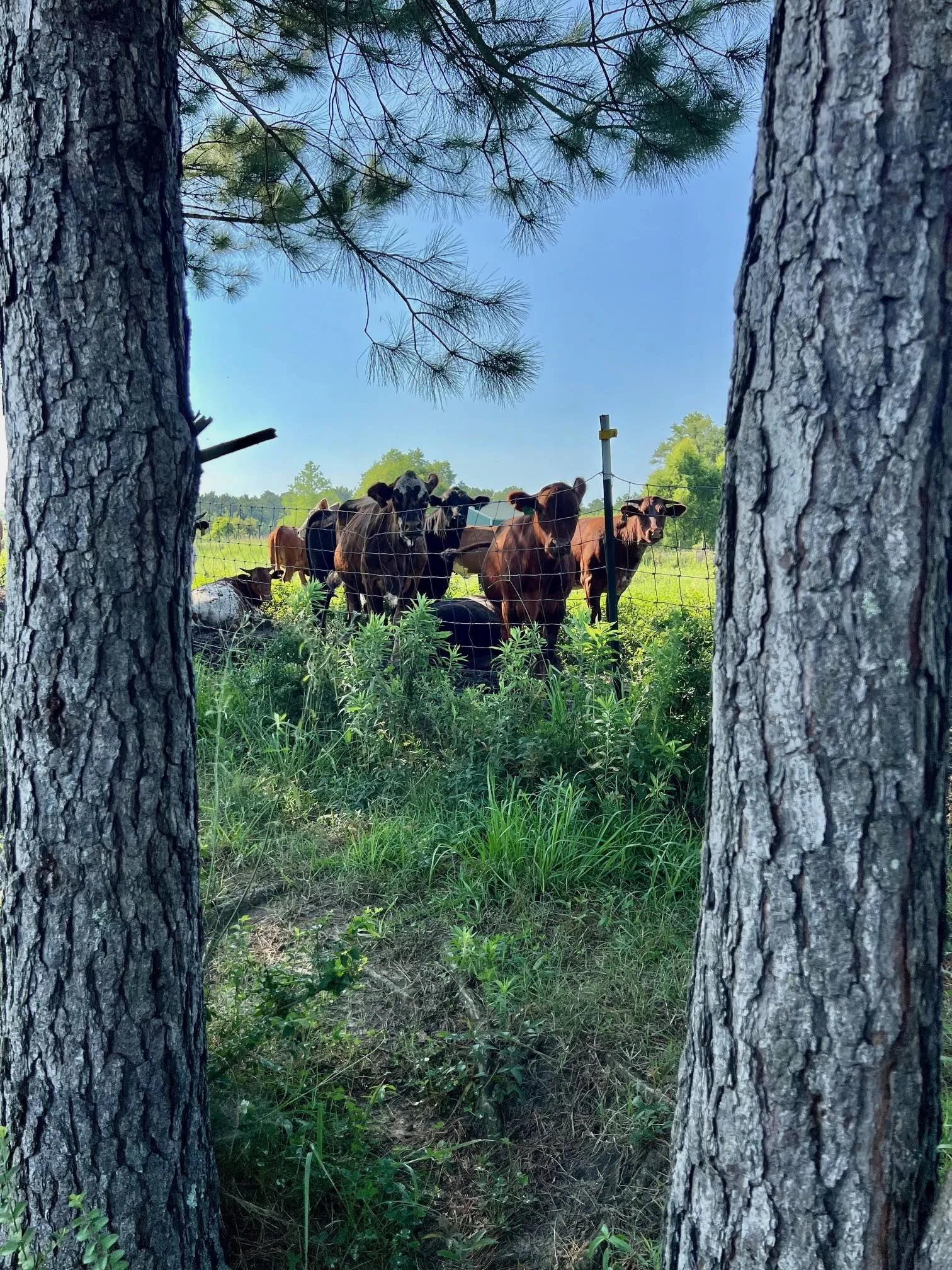
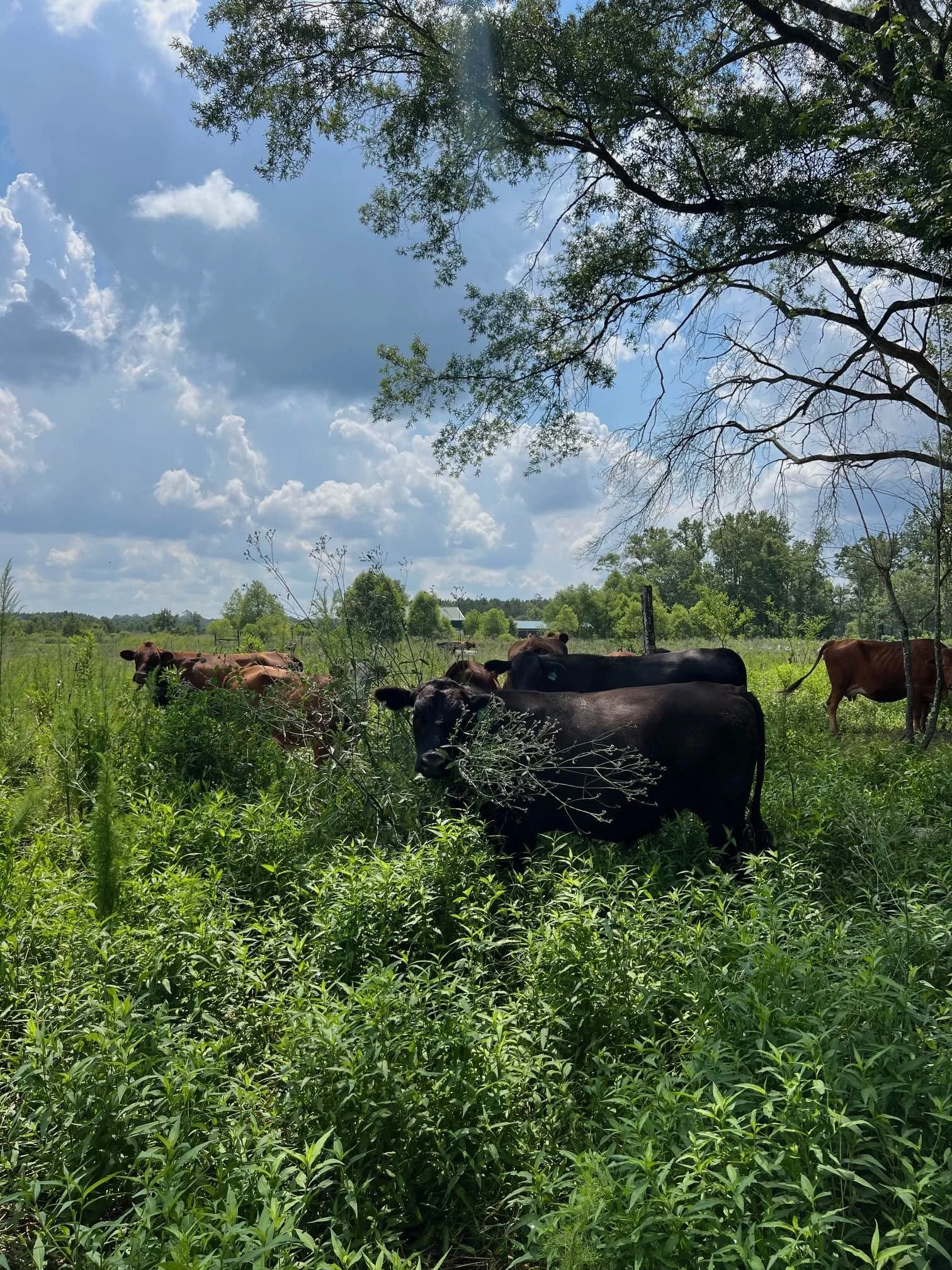
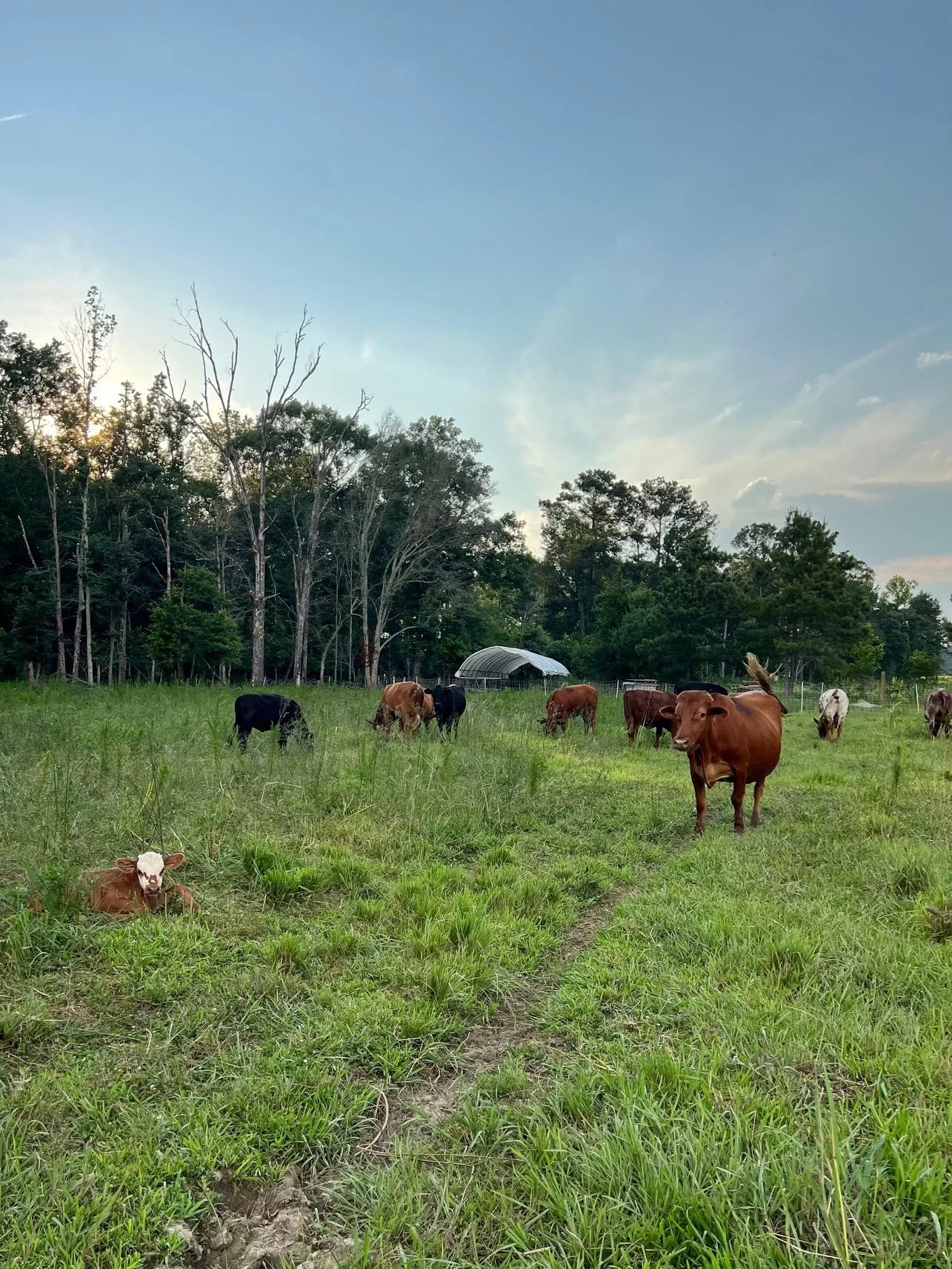
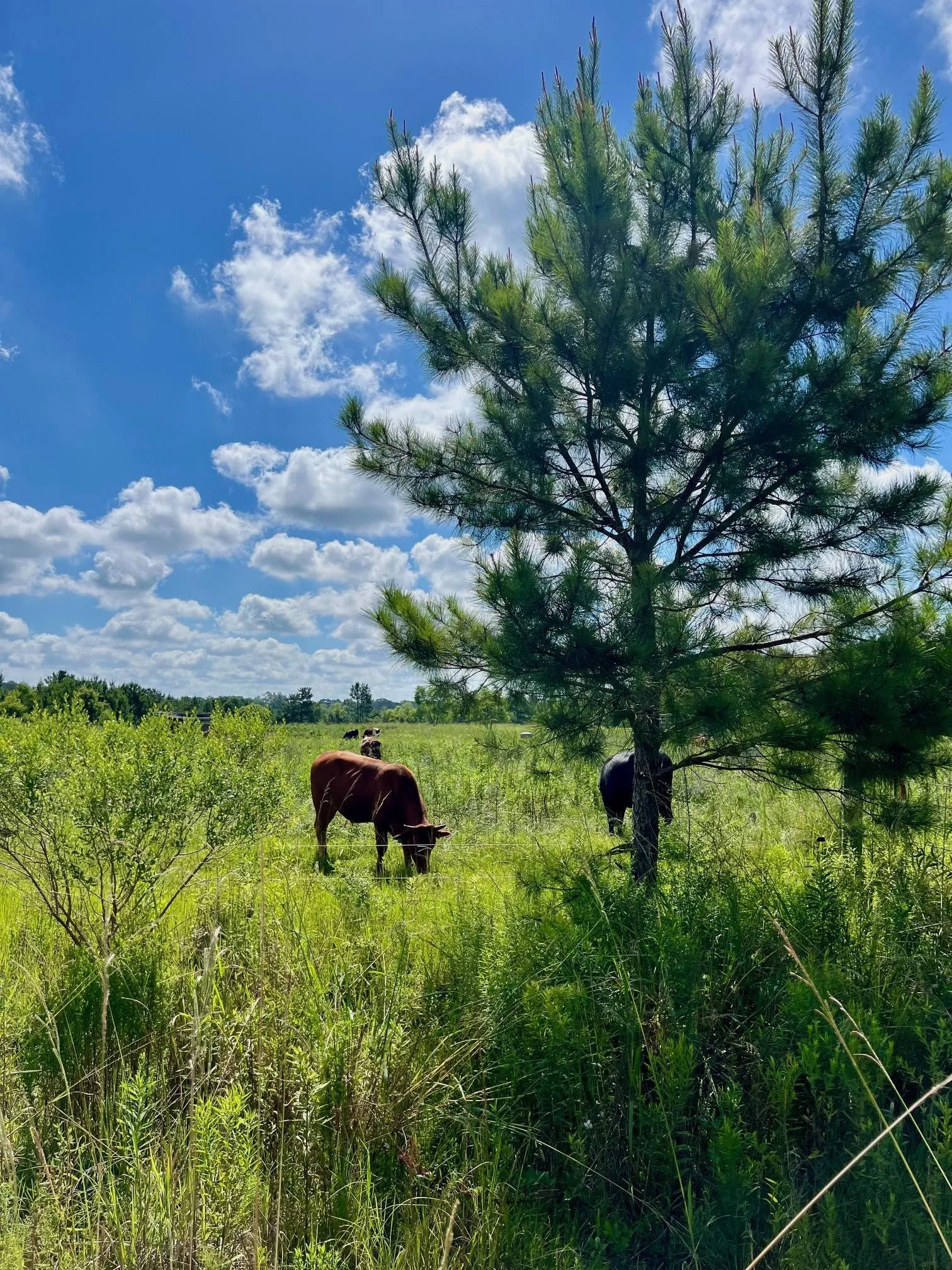
April - June 2024: More rye grass gave way to warm season annuals, including in our sections of fledging silvopasture and wooded areas. A very cute white faced bull calf was born in May!
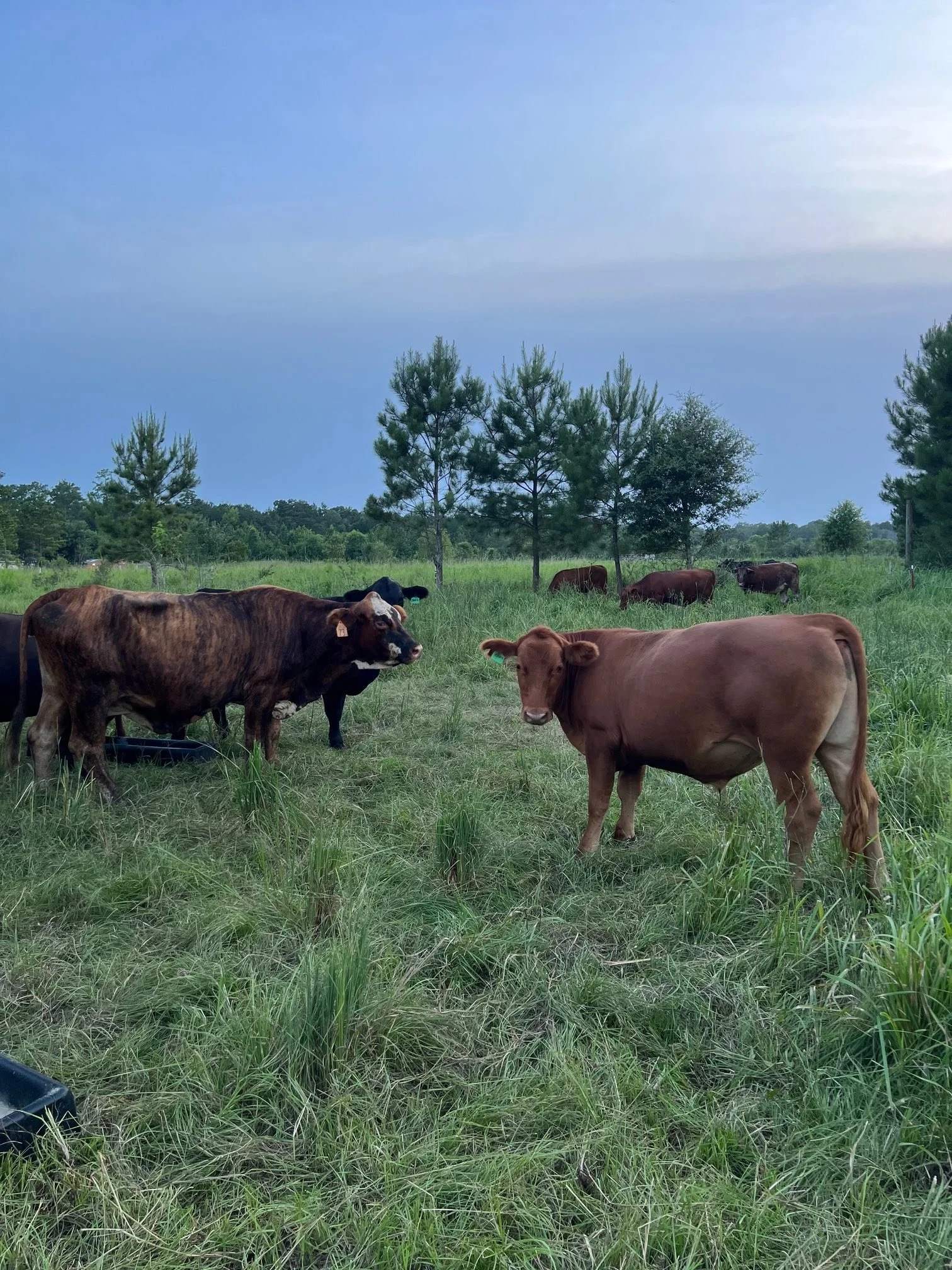
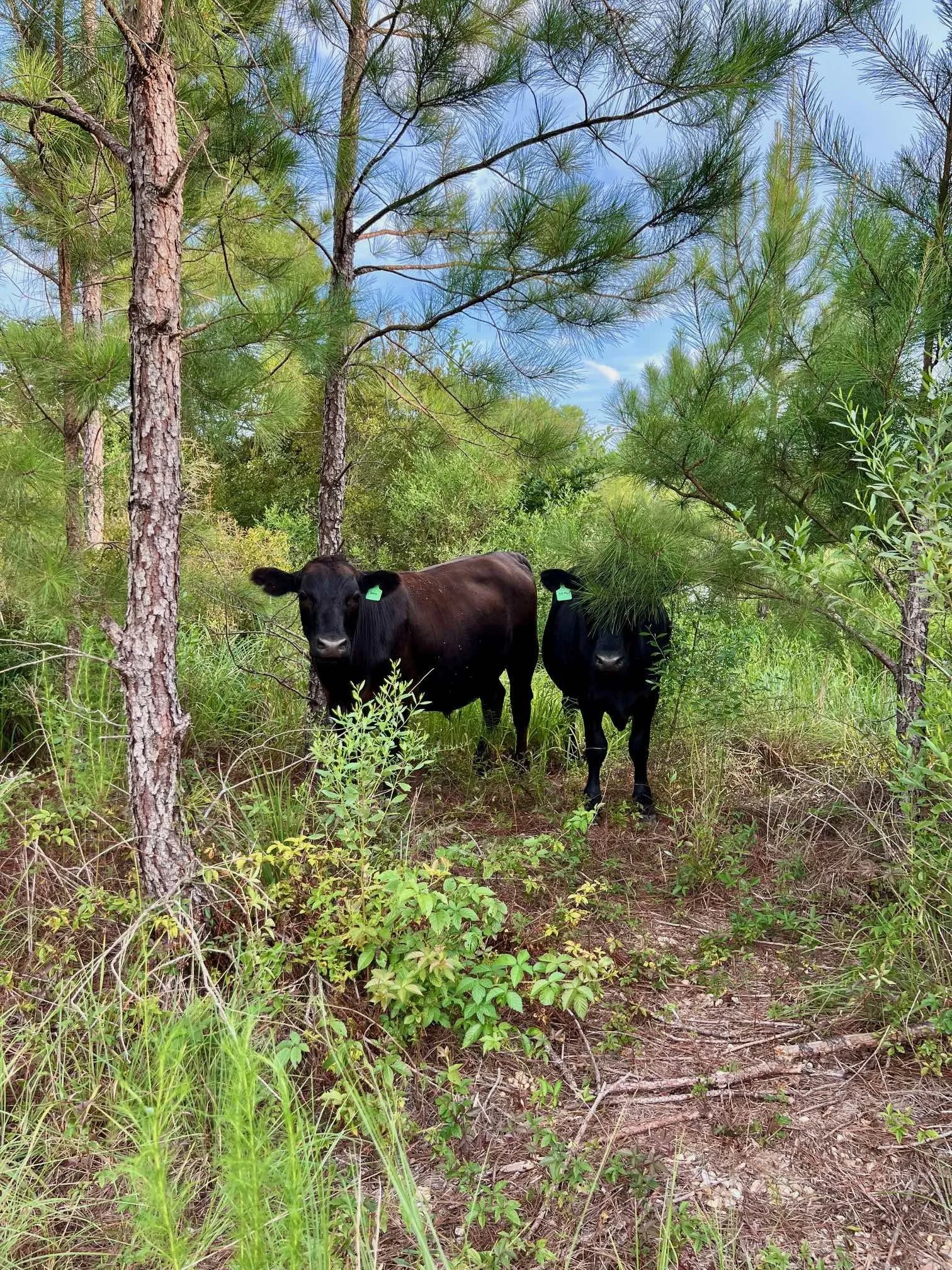
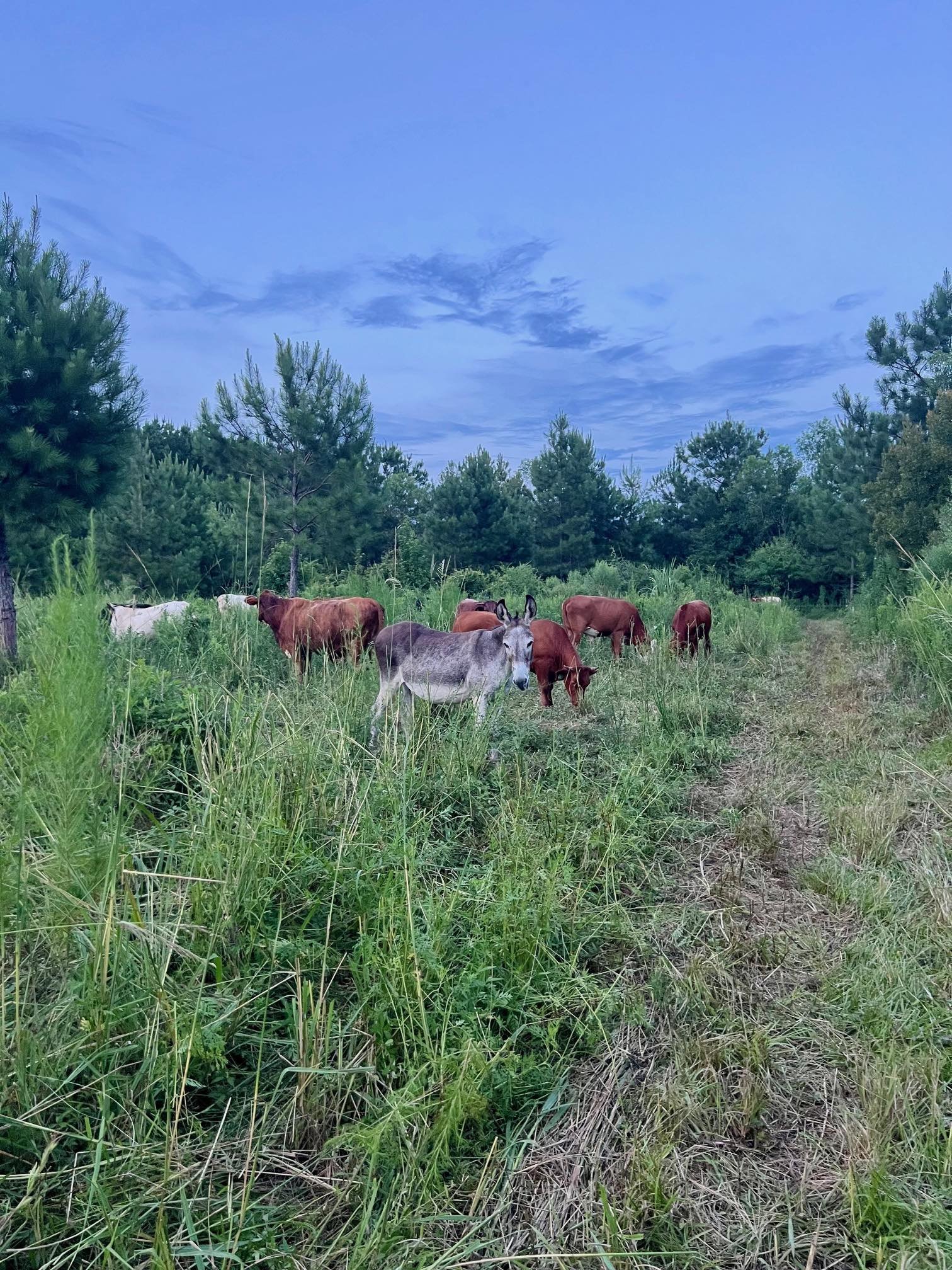
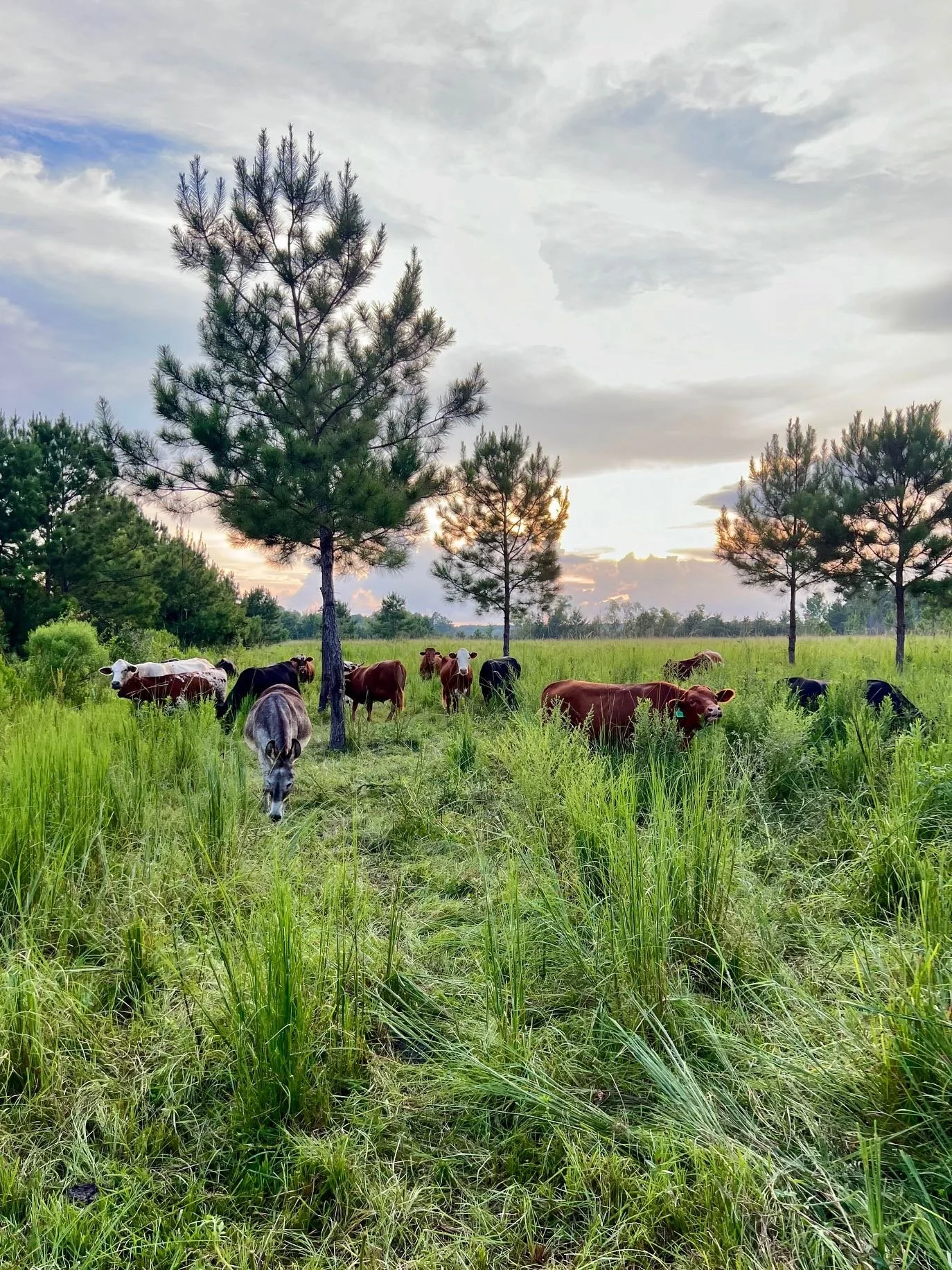
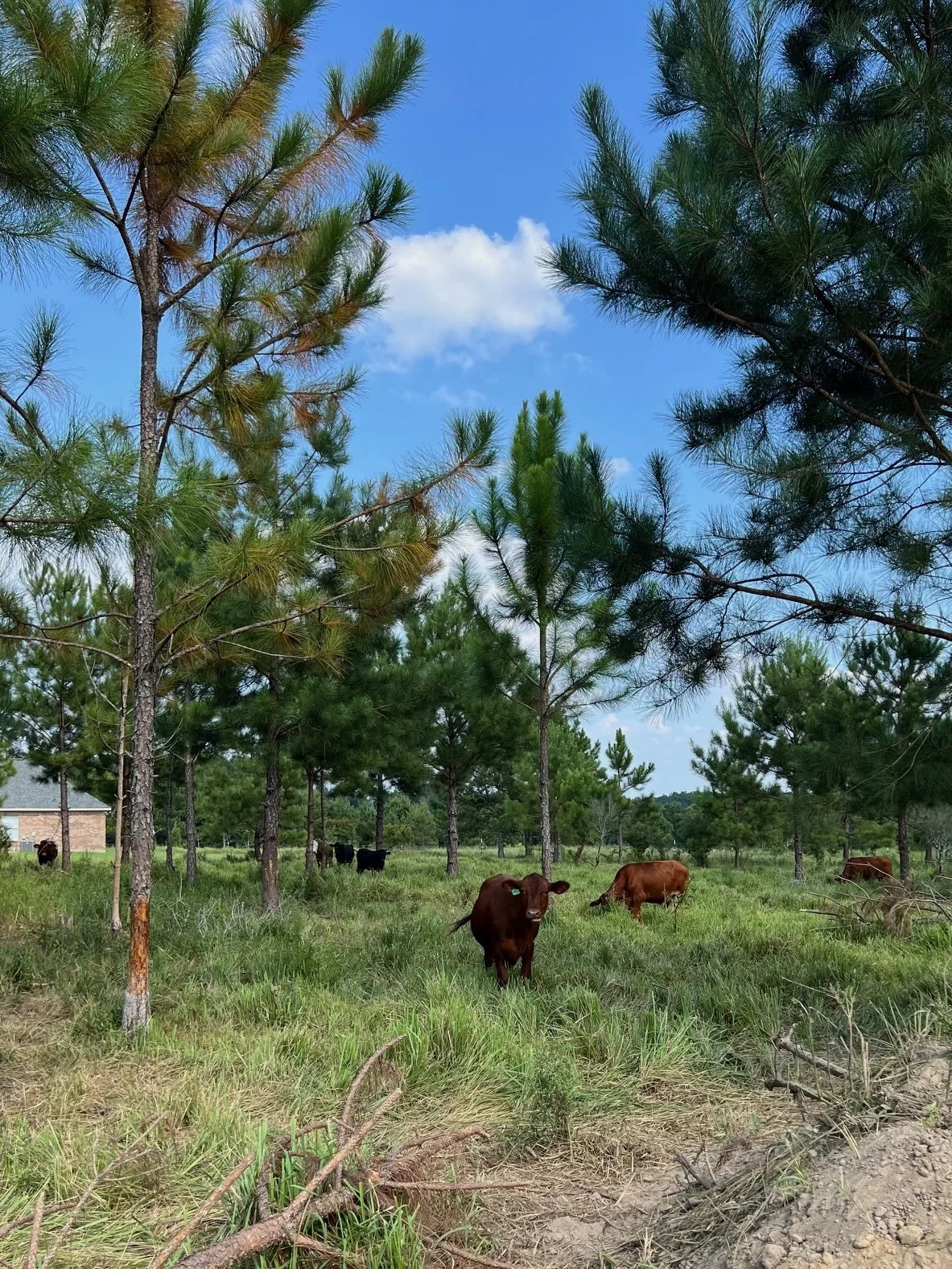
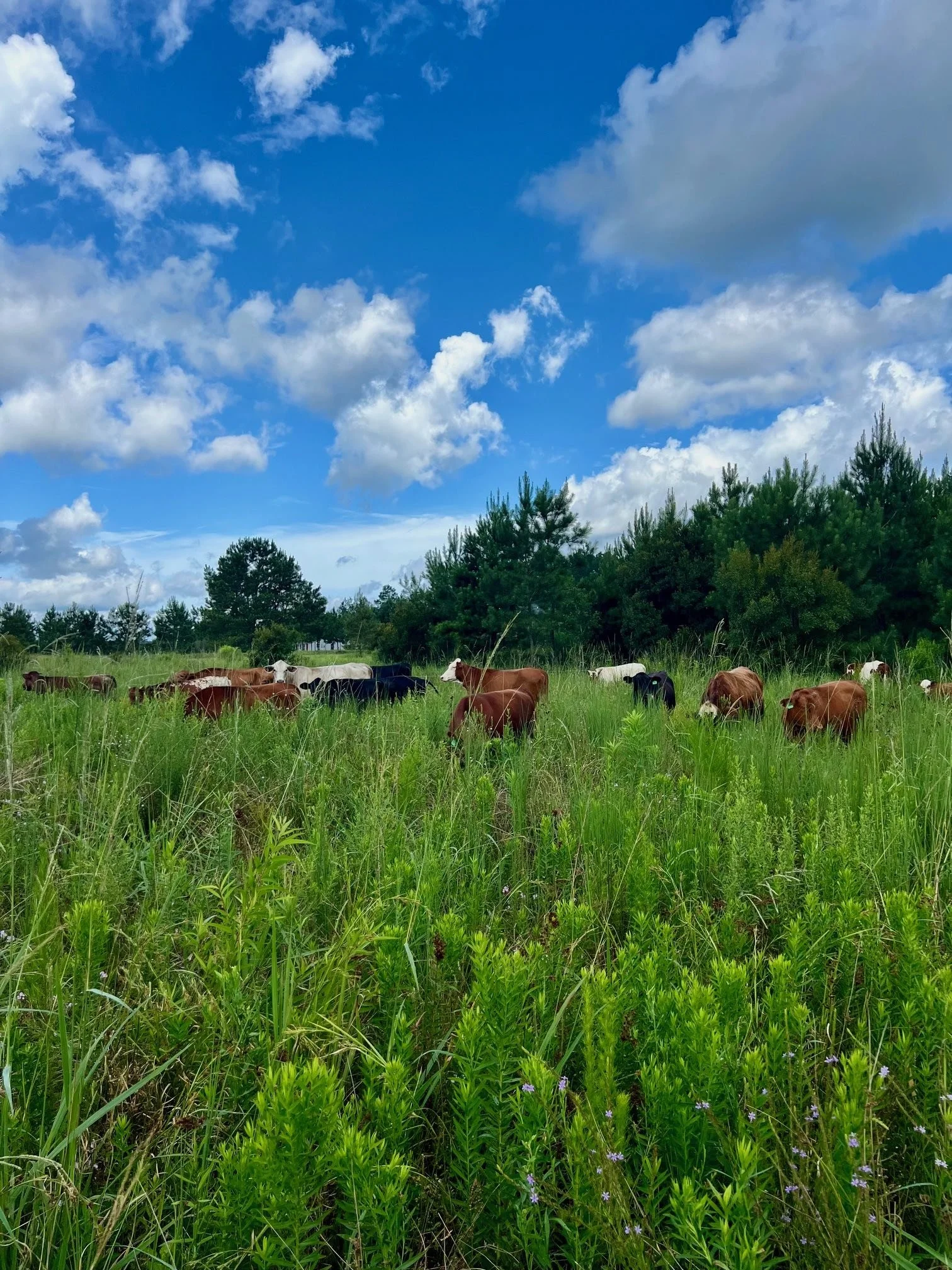
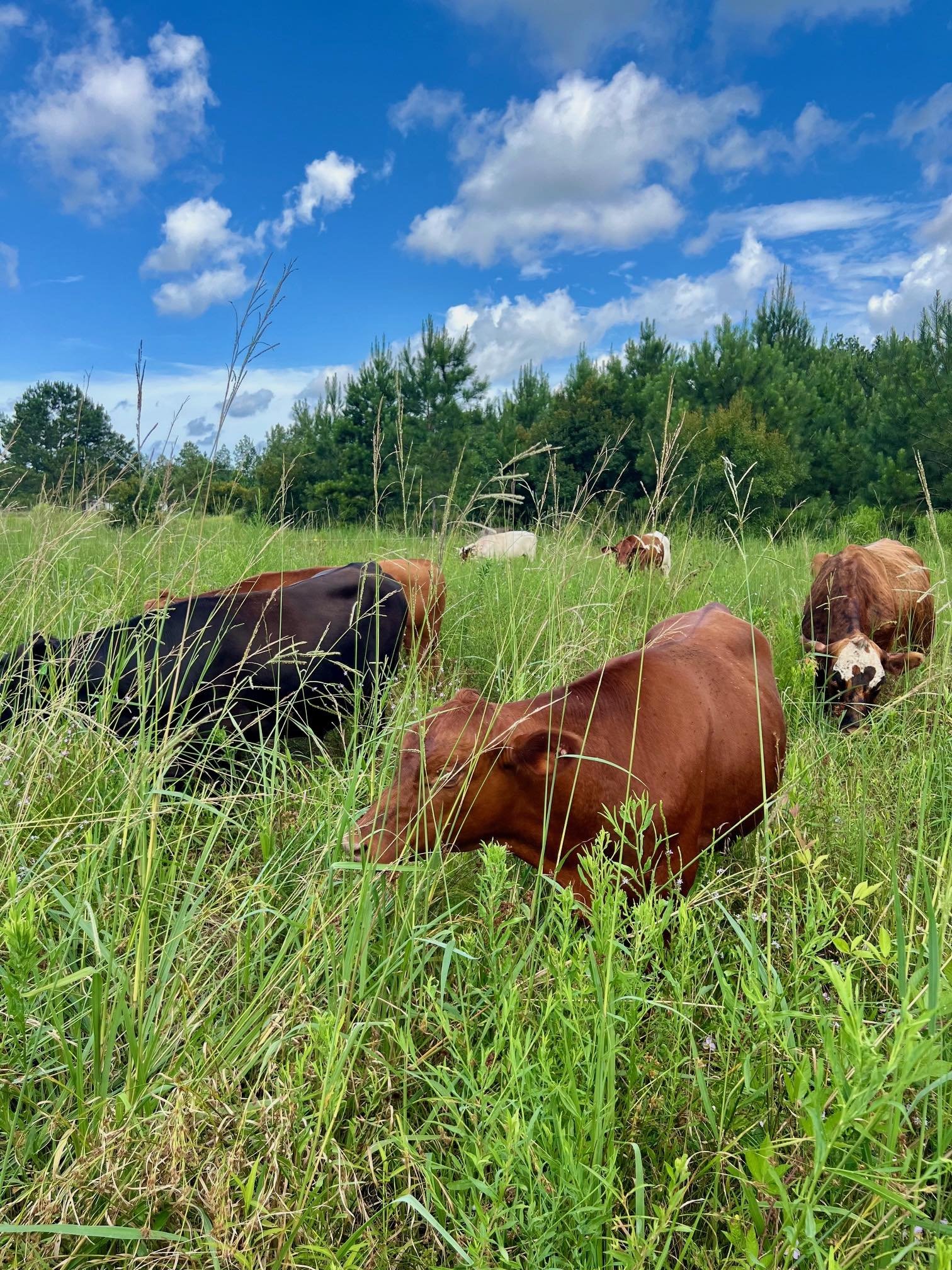
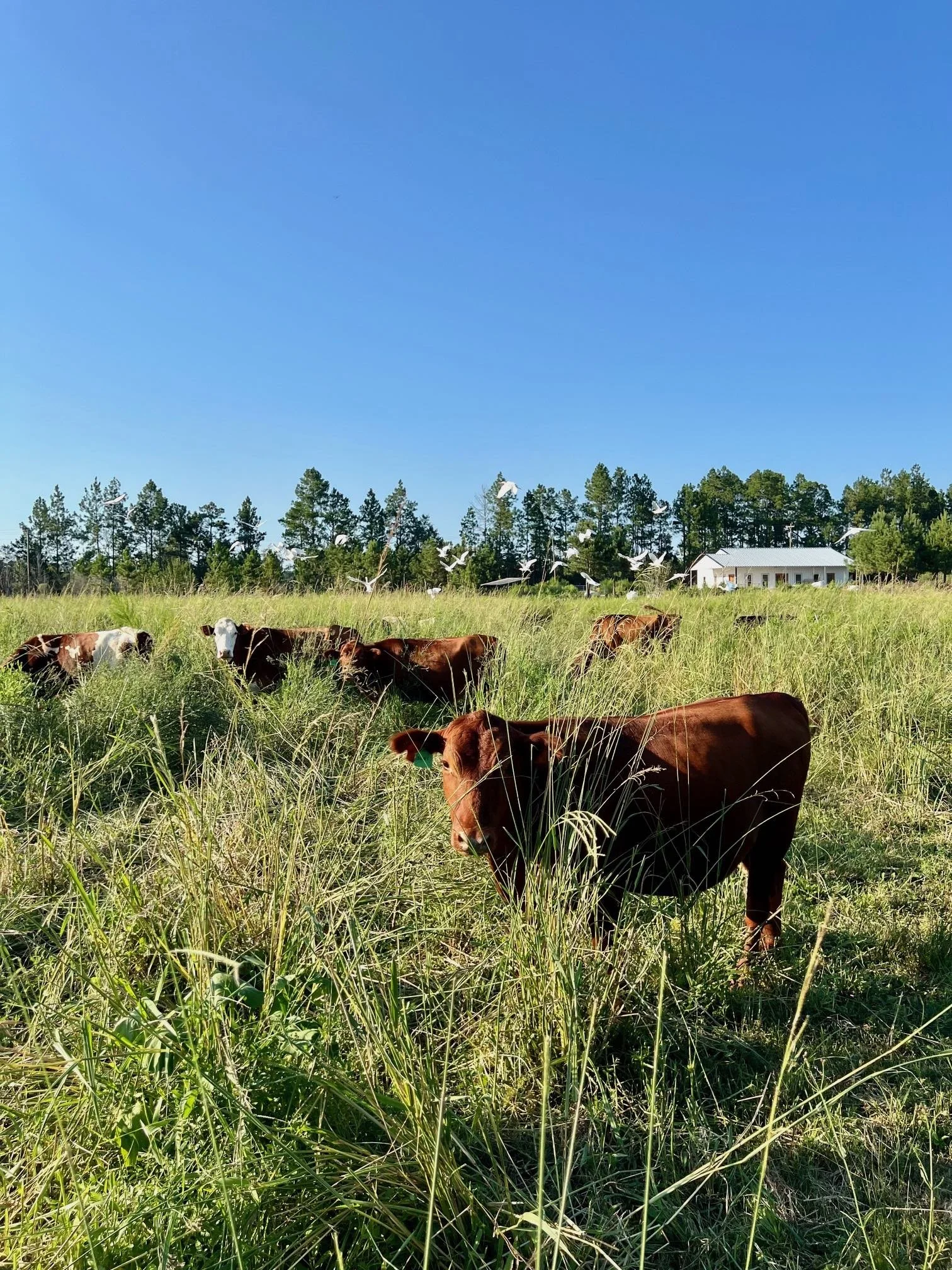
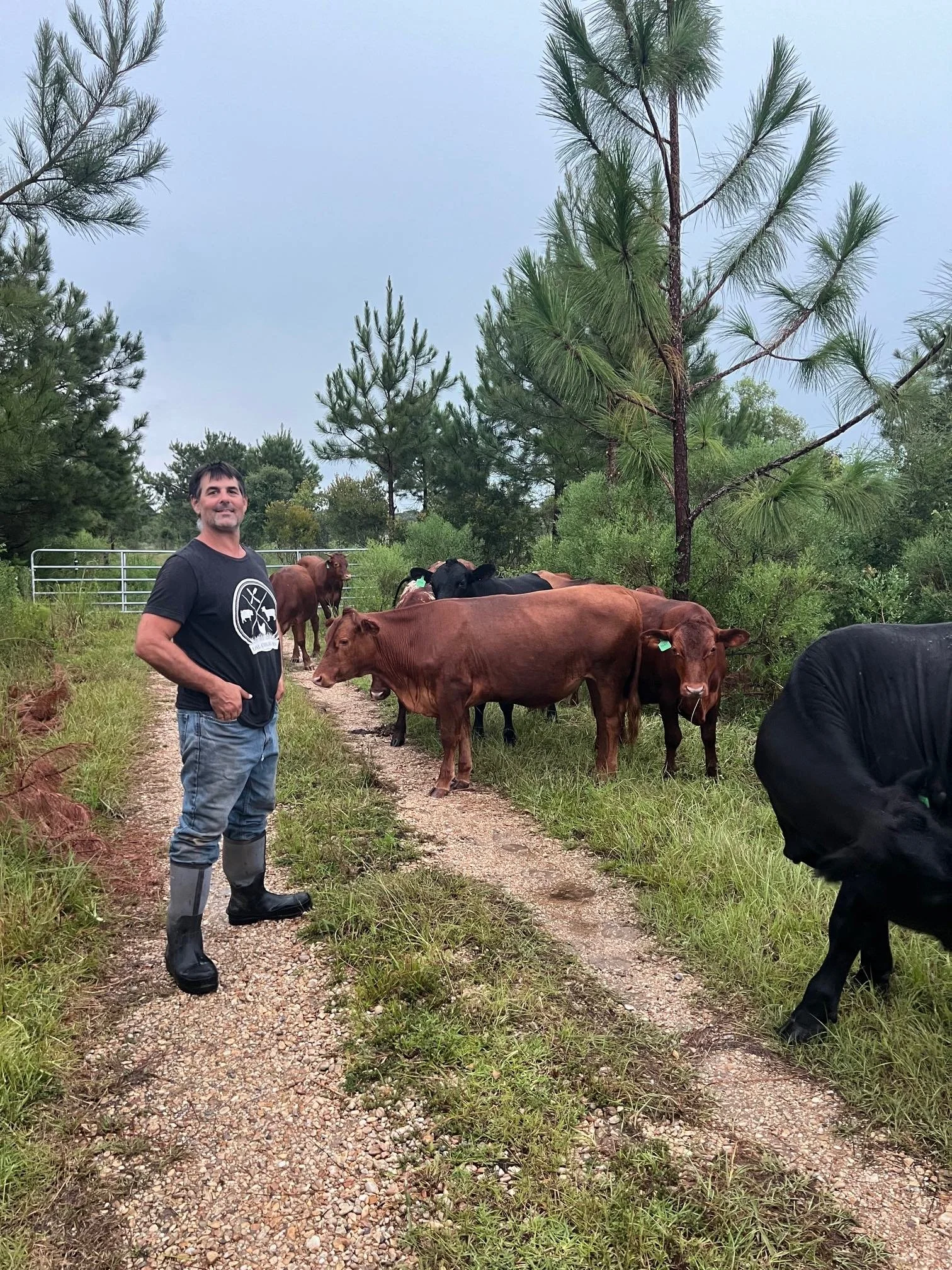
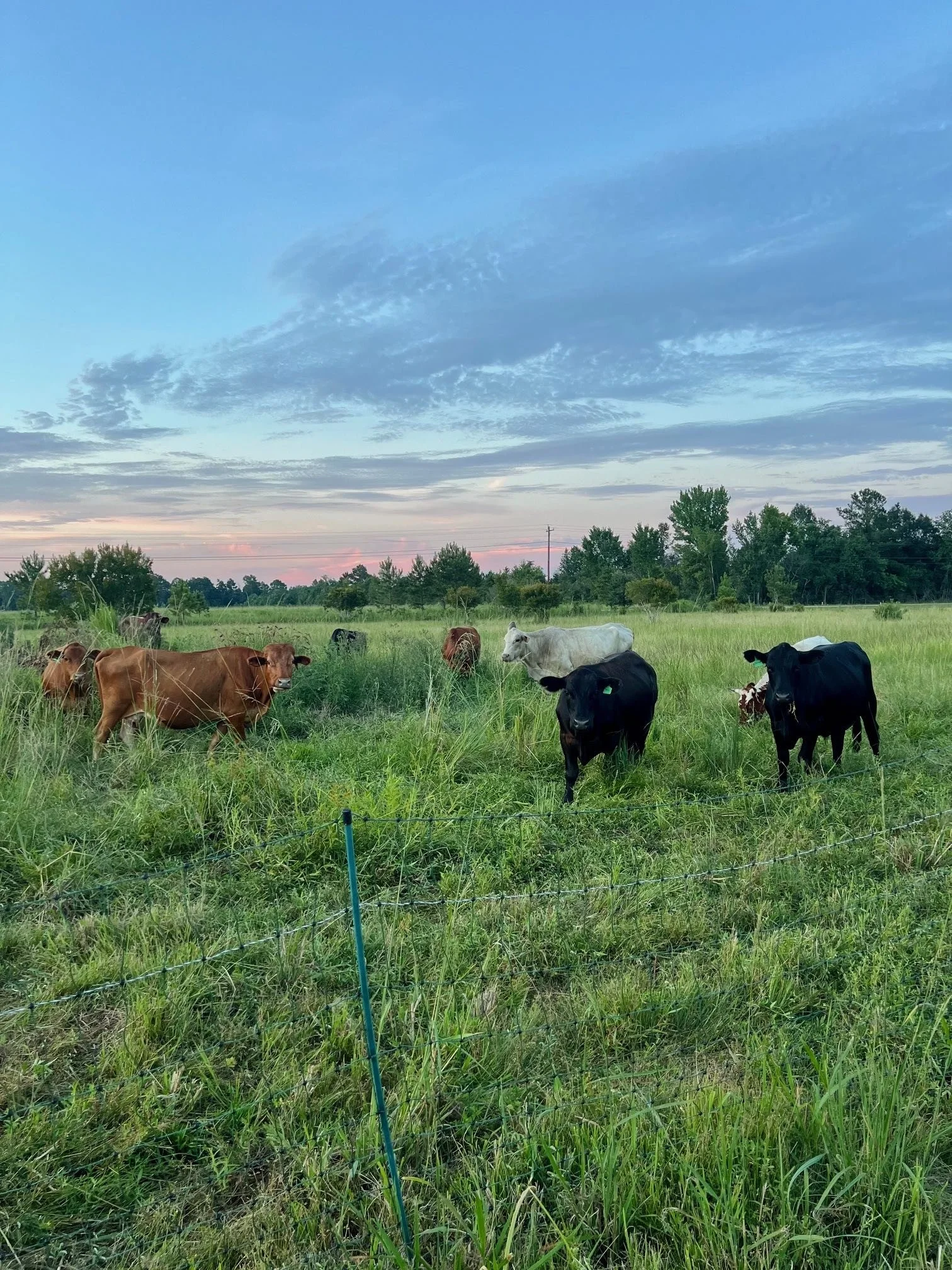
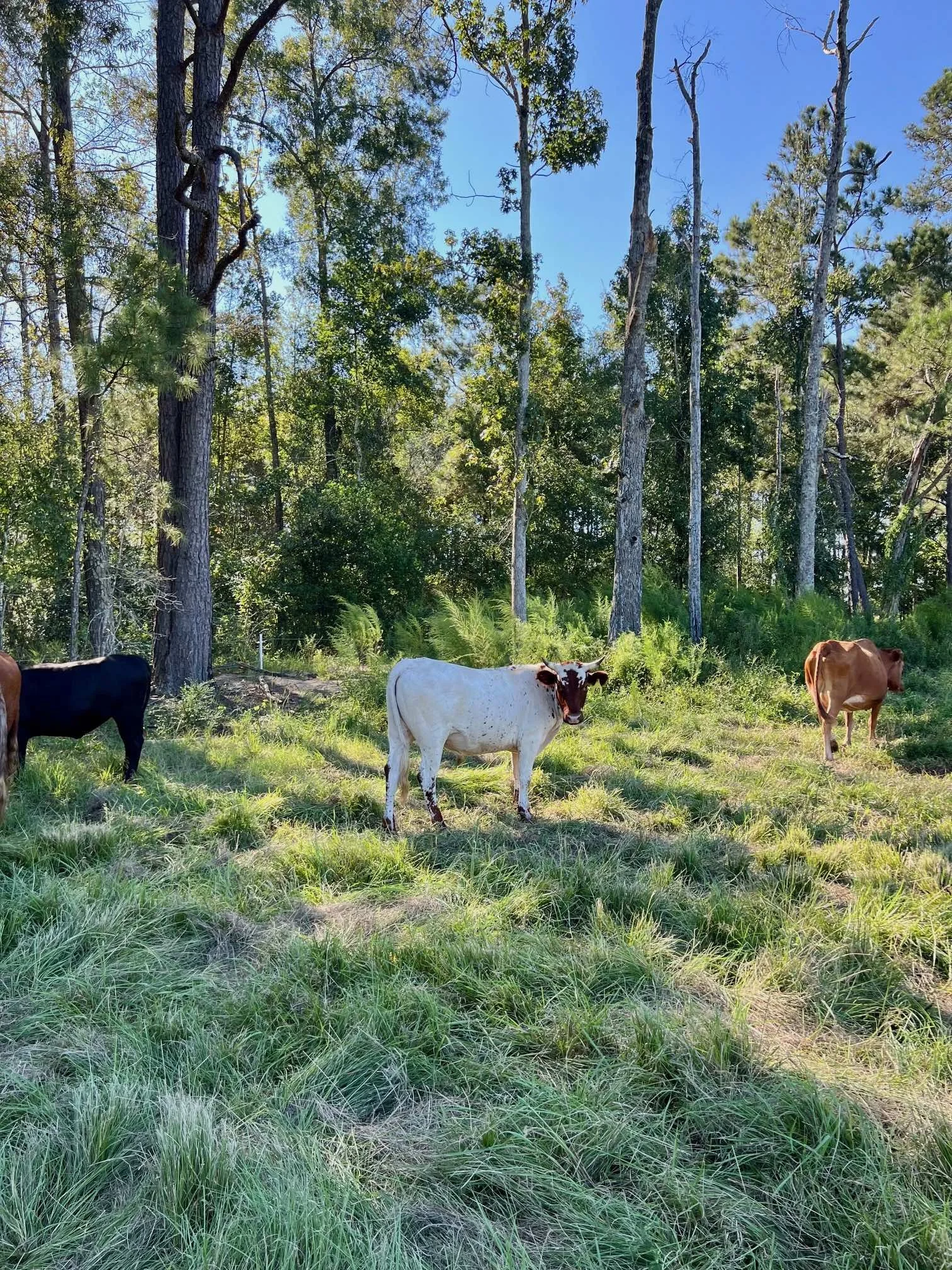
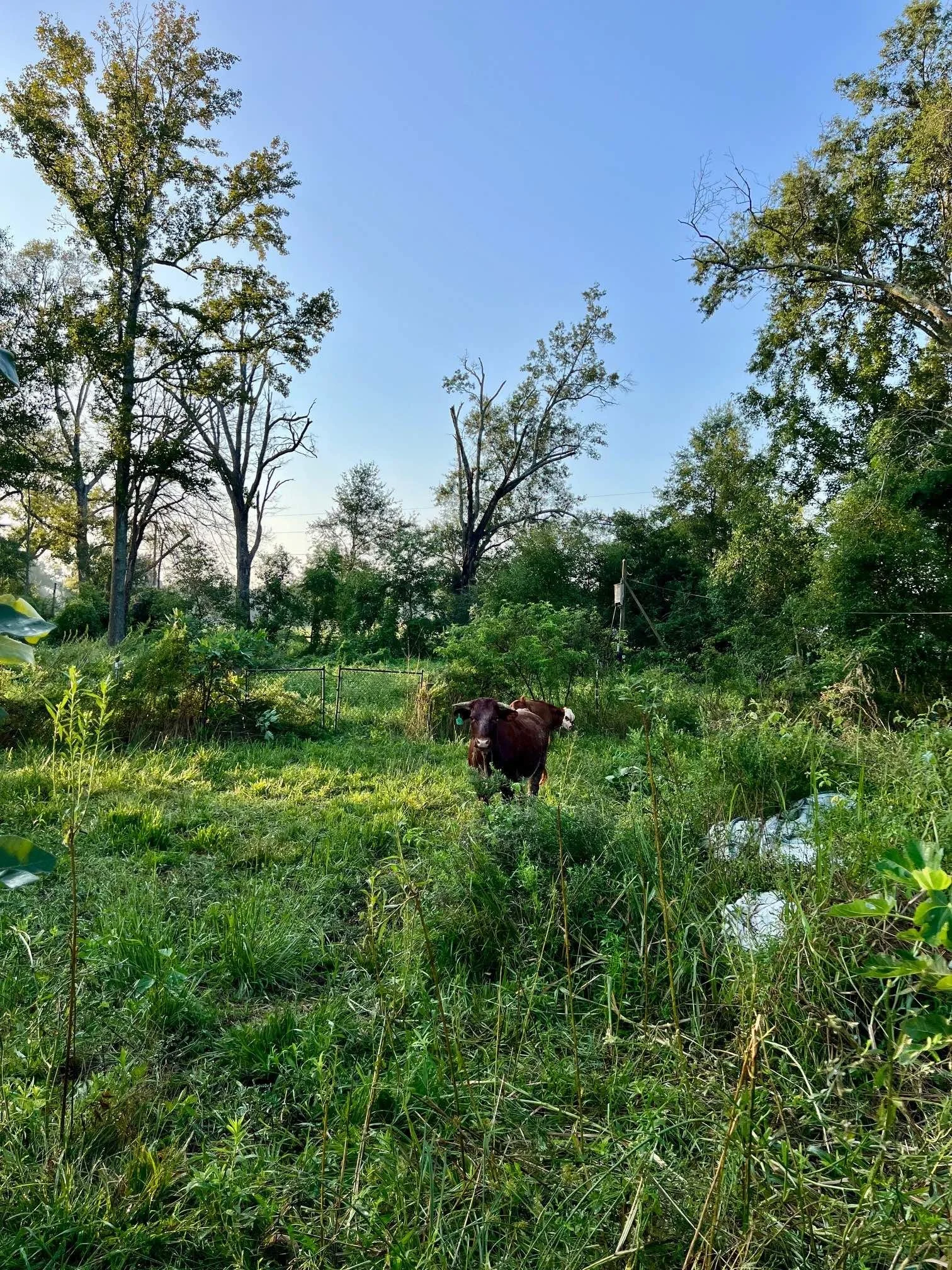
July - September 2024: The herd settled into quick rotations in the peak of summer, including periodically grazing our internal road and hedge rows to help encourage more grass growth among the pines, saplings and brush. A jet black Brahman cross calf was born to our white mama cow in August.
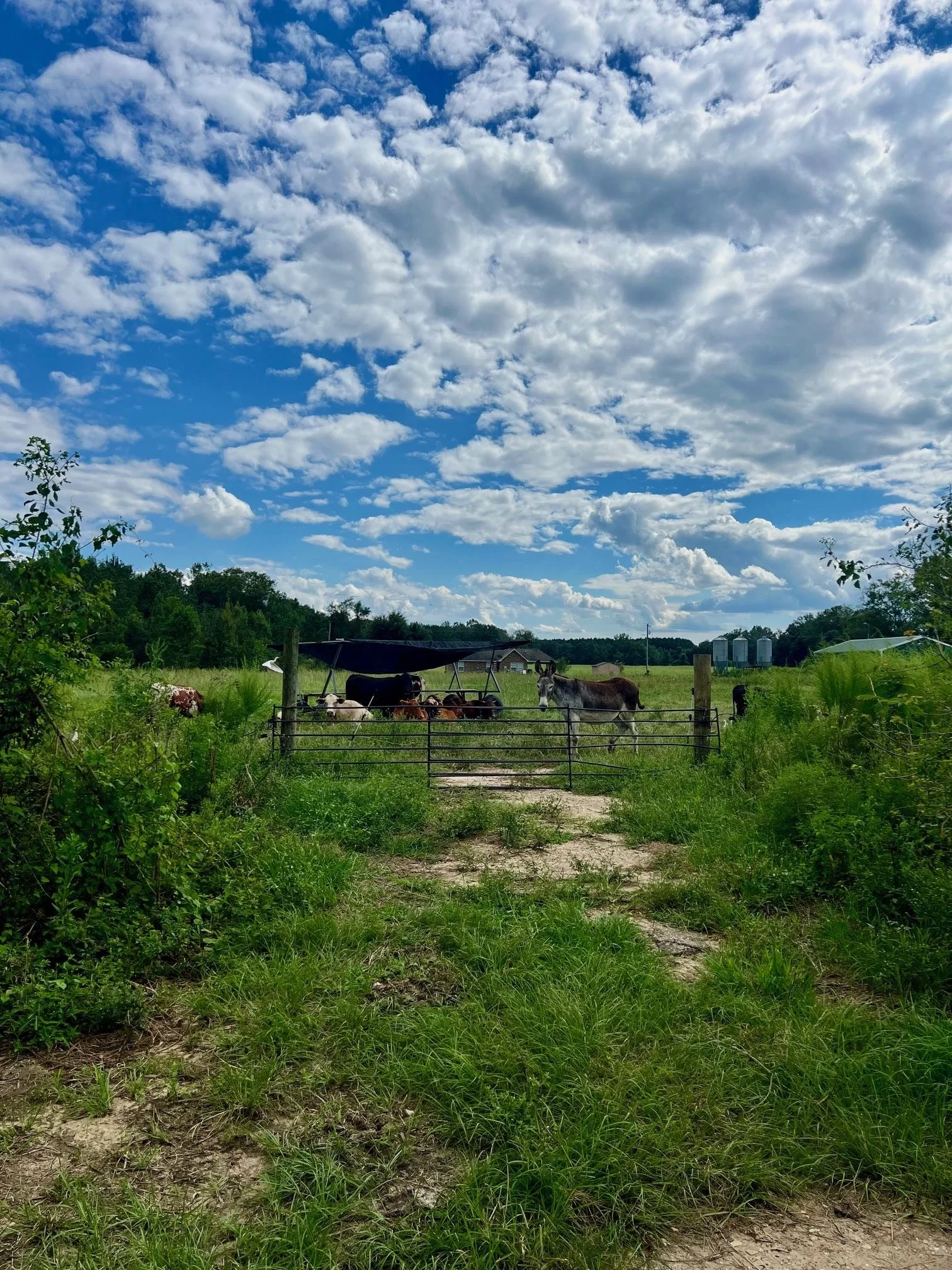
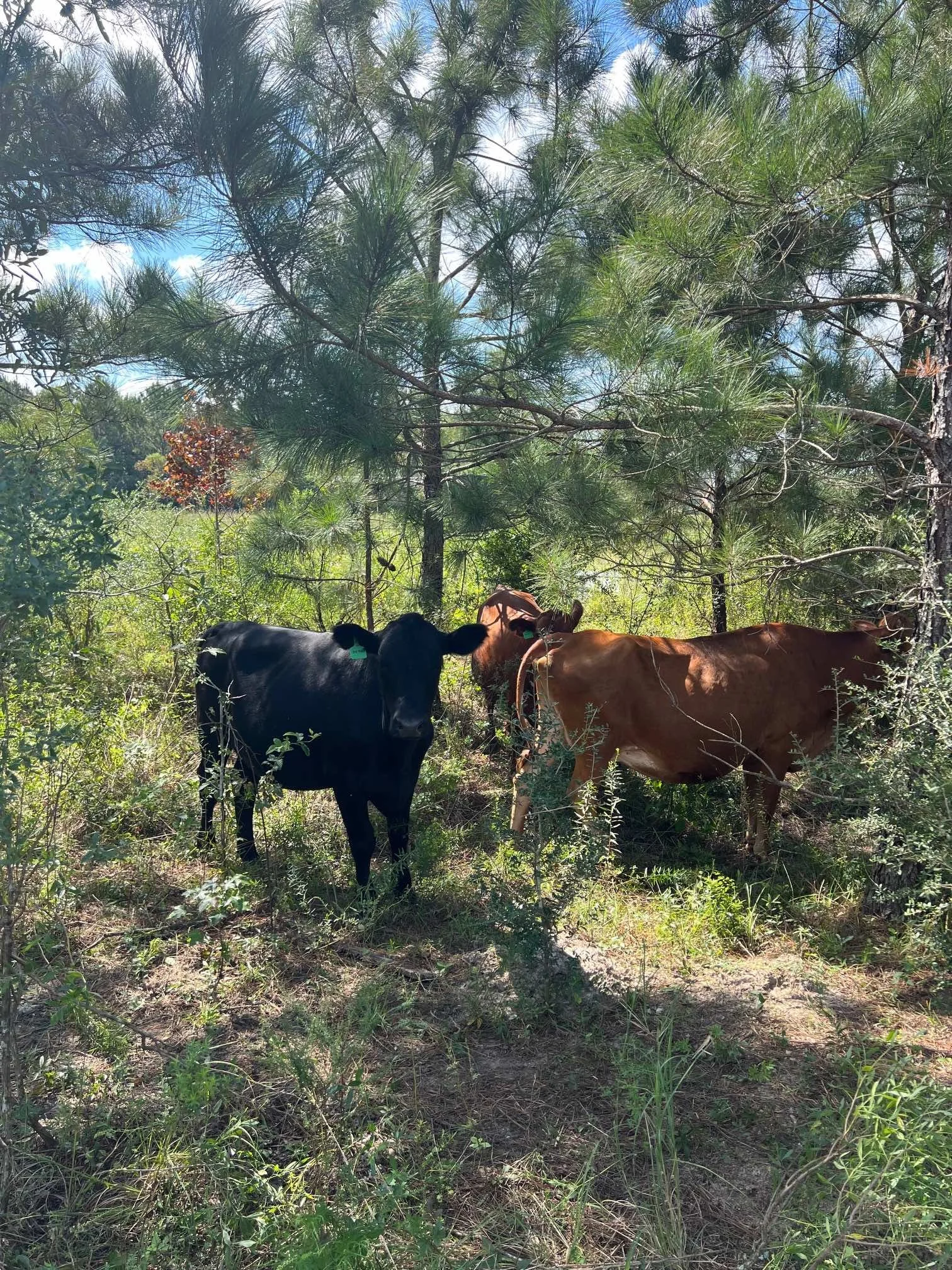
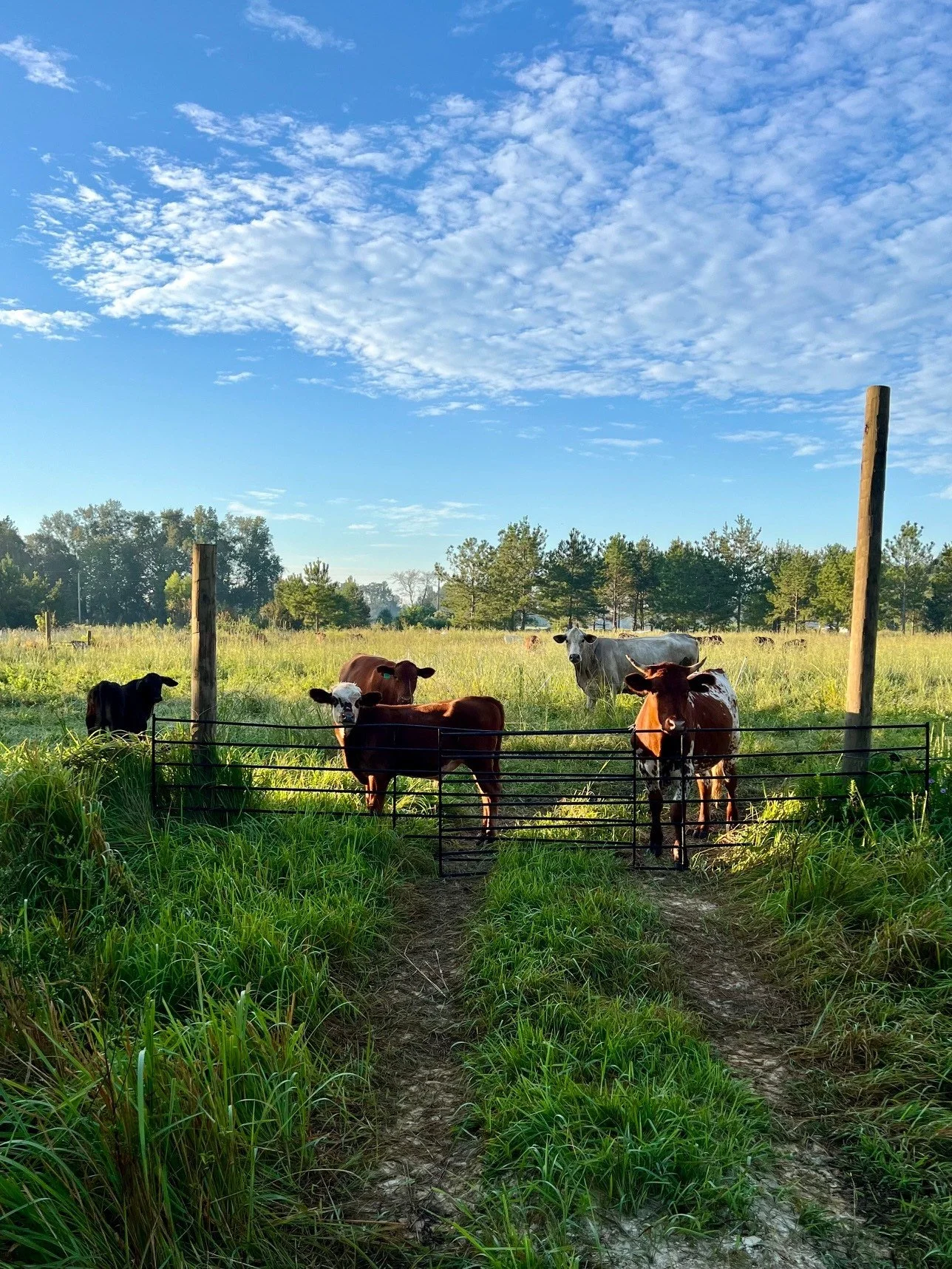
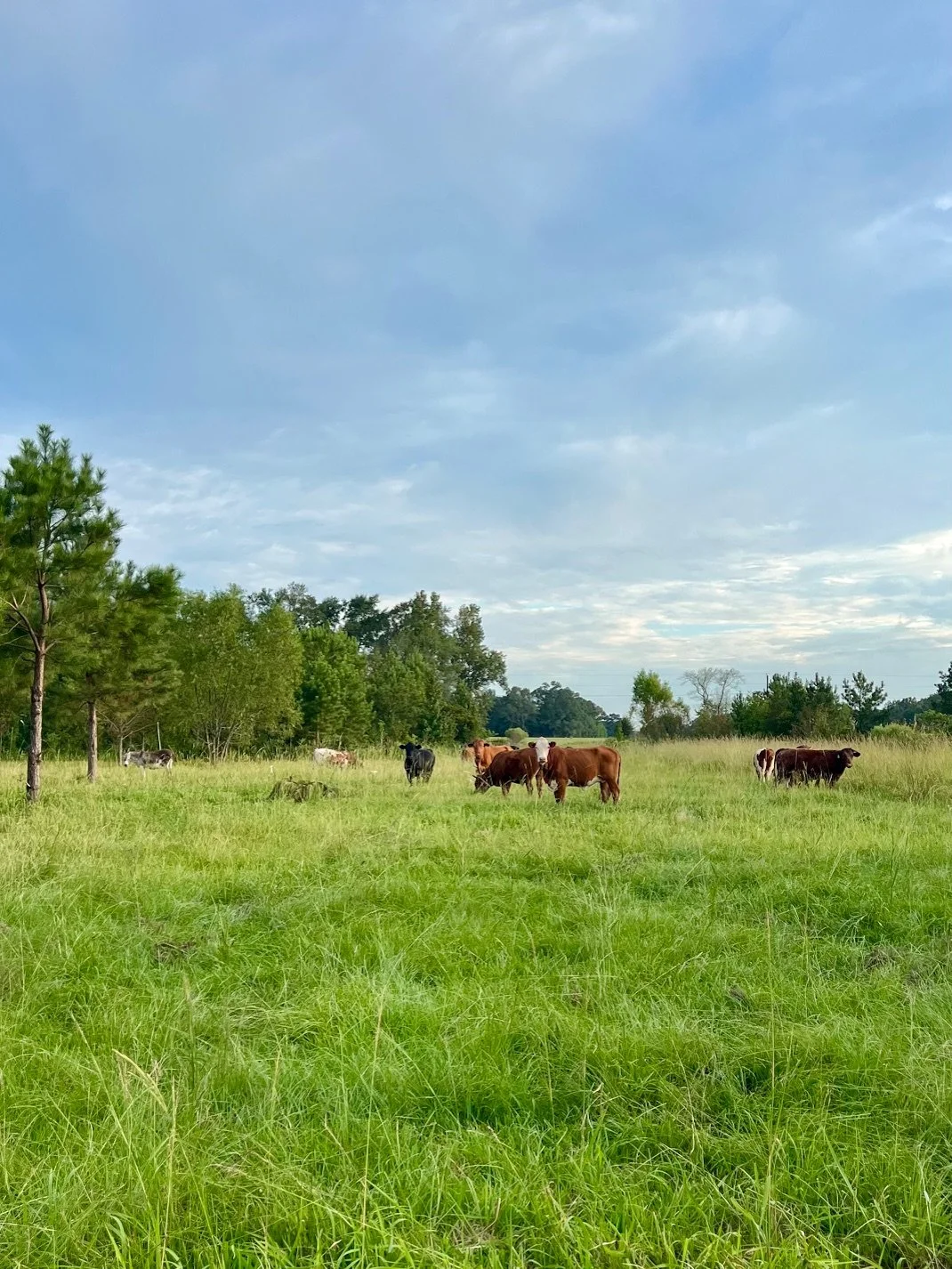
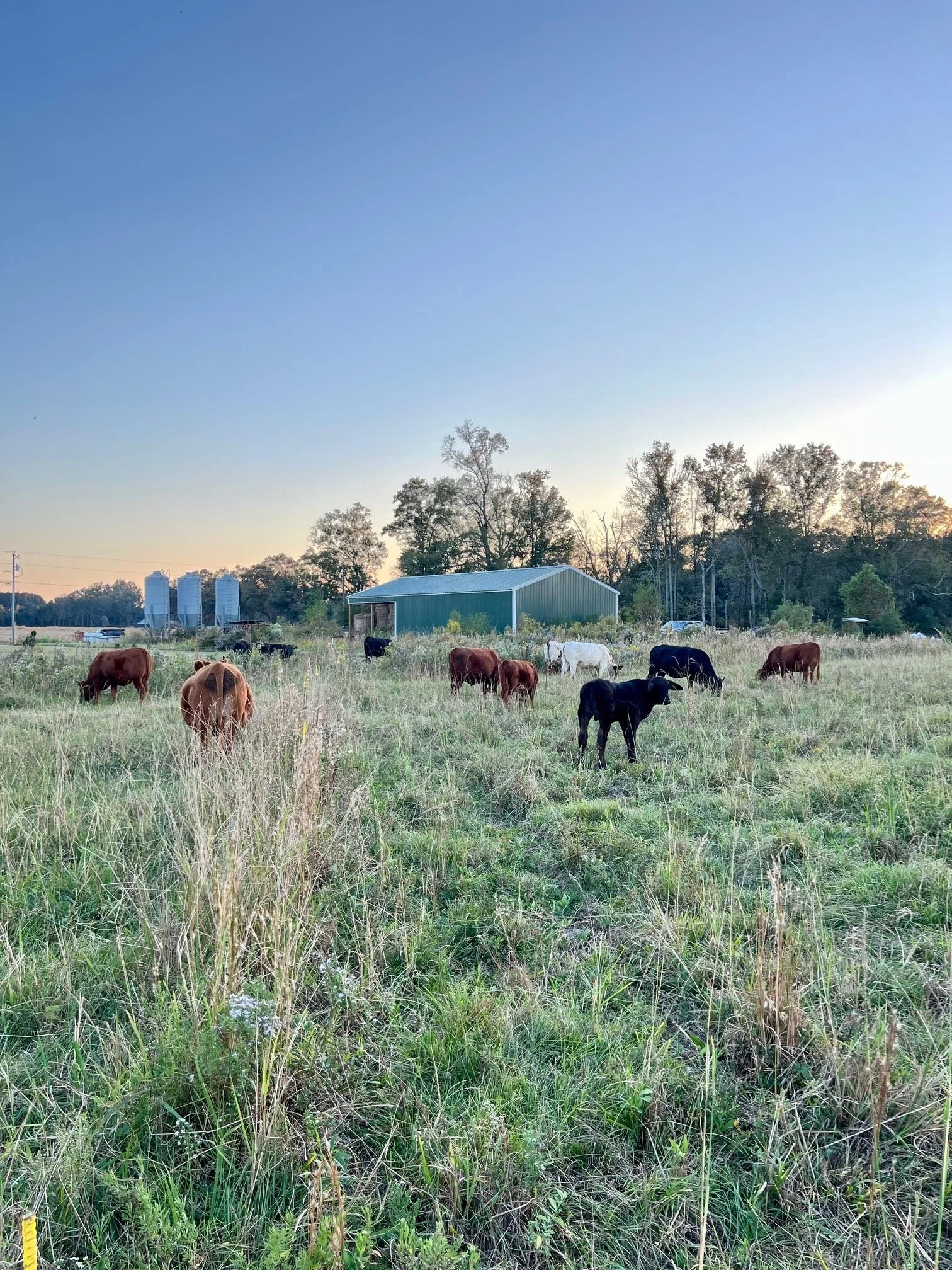
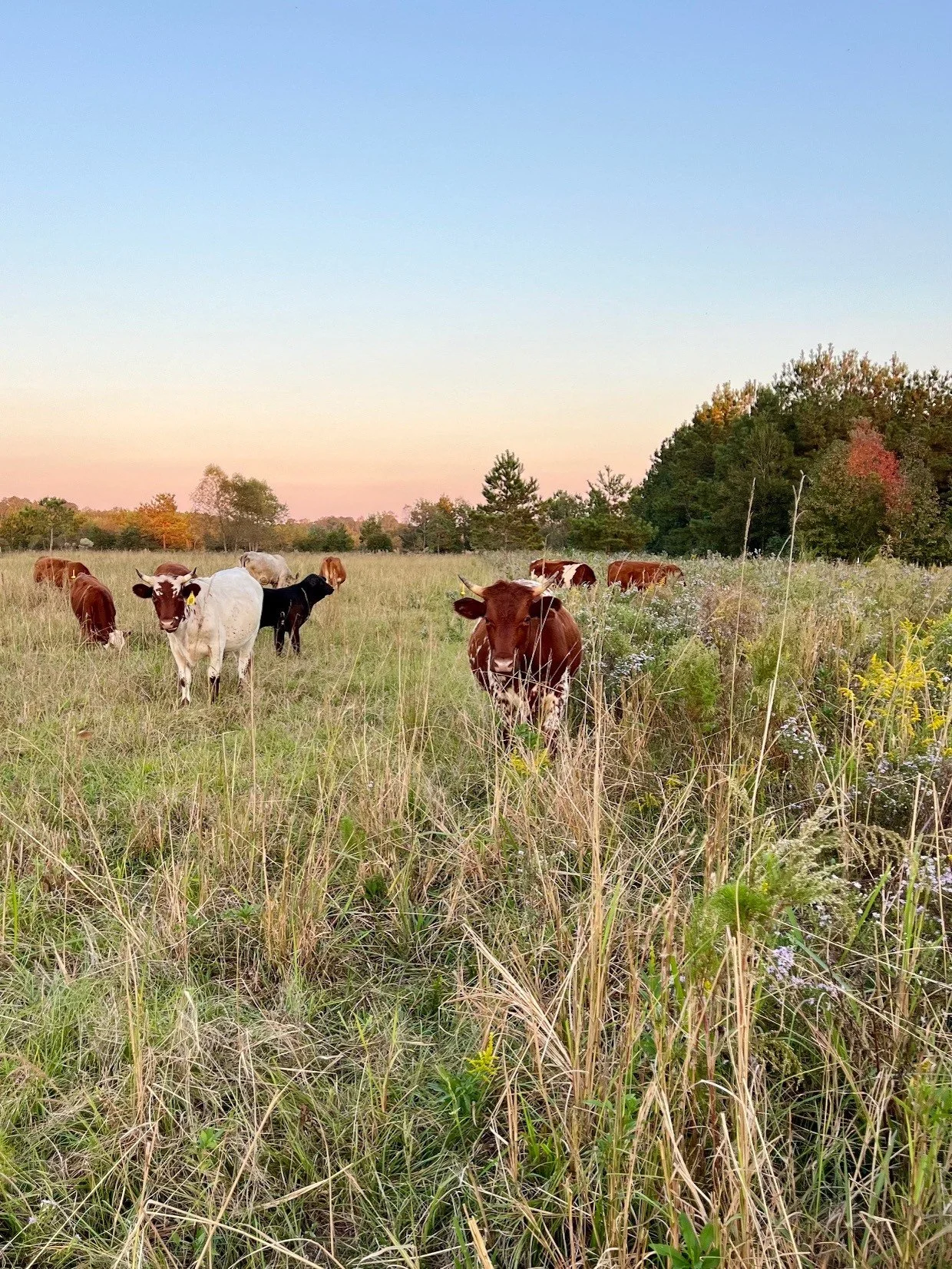
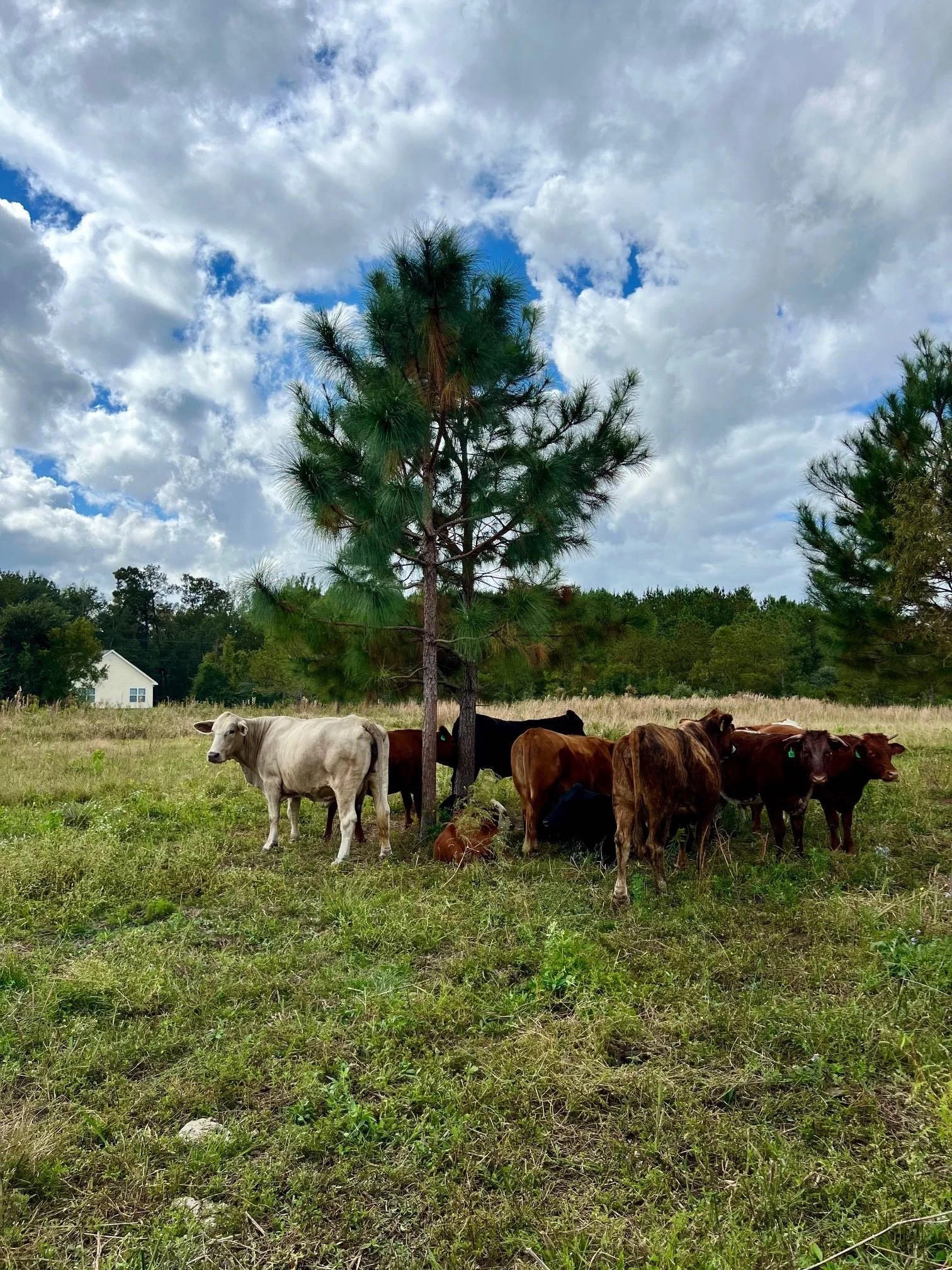
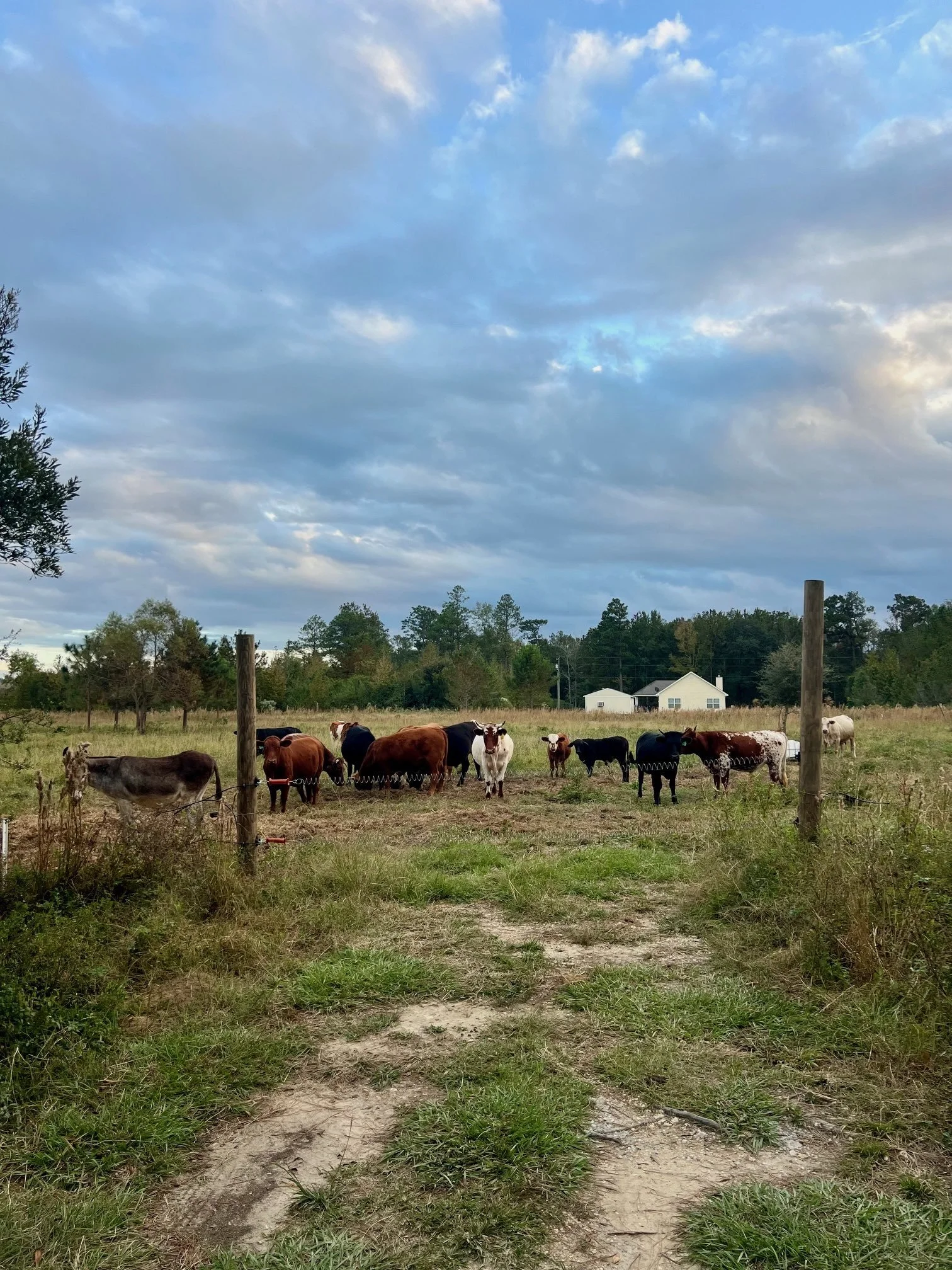
September - December 2024: Still lush warm season perennials started to peter out in October. It was a fairly dry fall, except for the 10 inches of rain we got the week of Hurricane Francine in September!

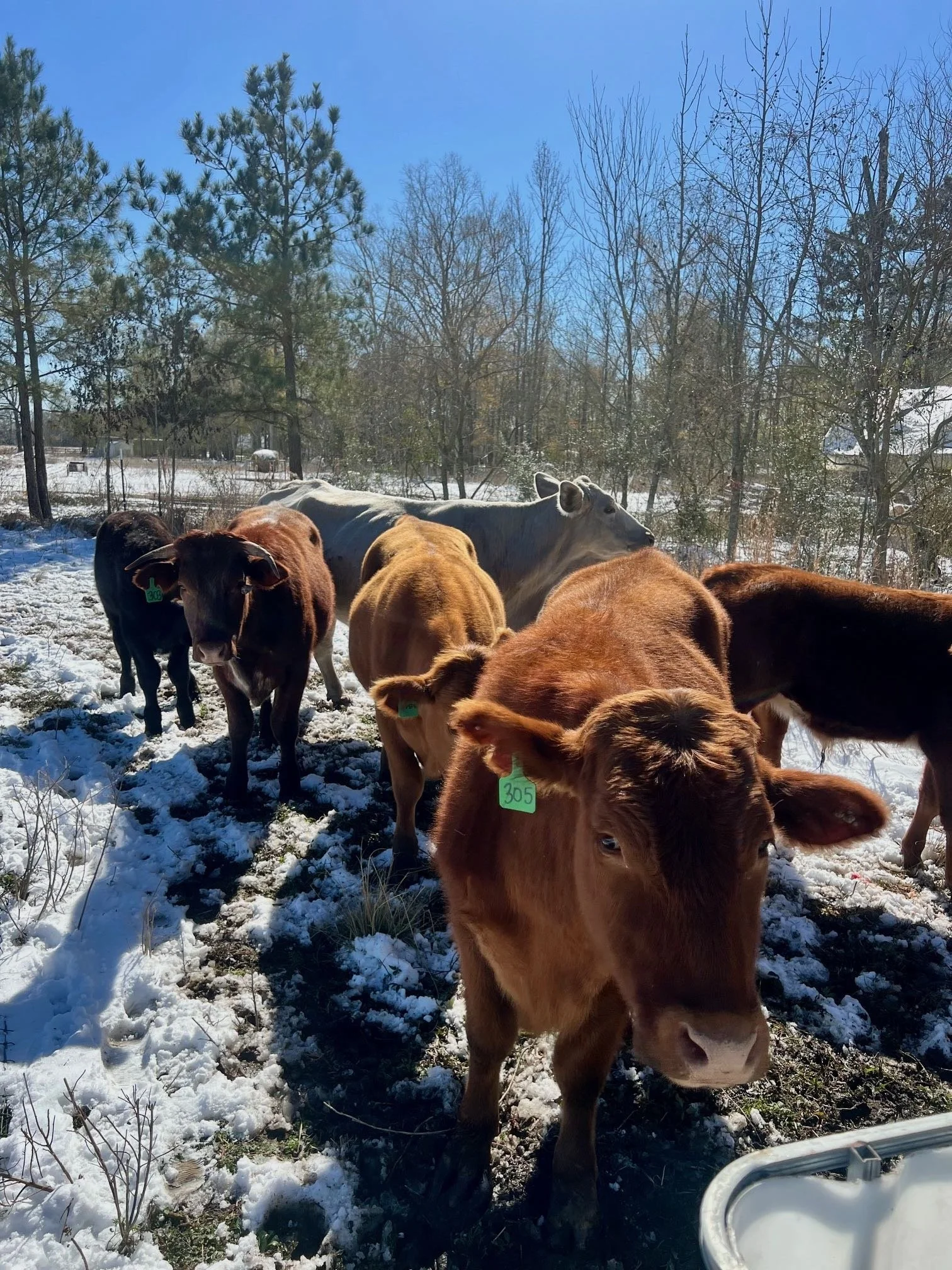
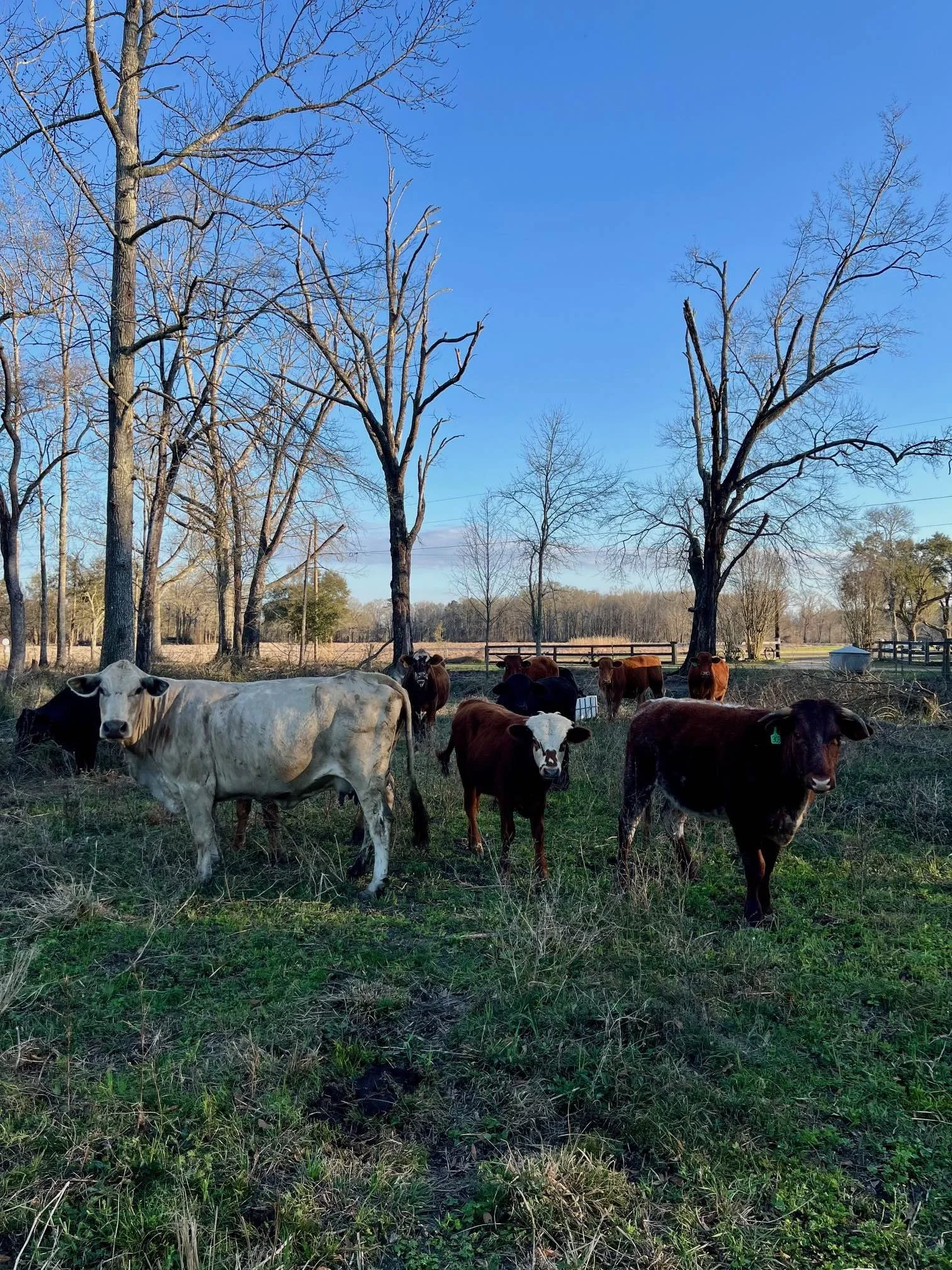
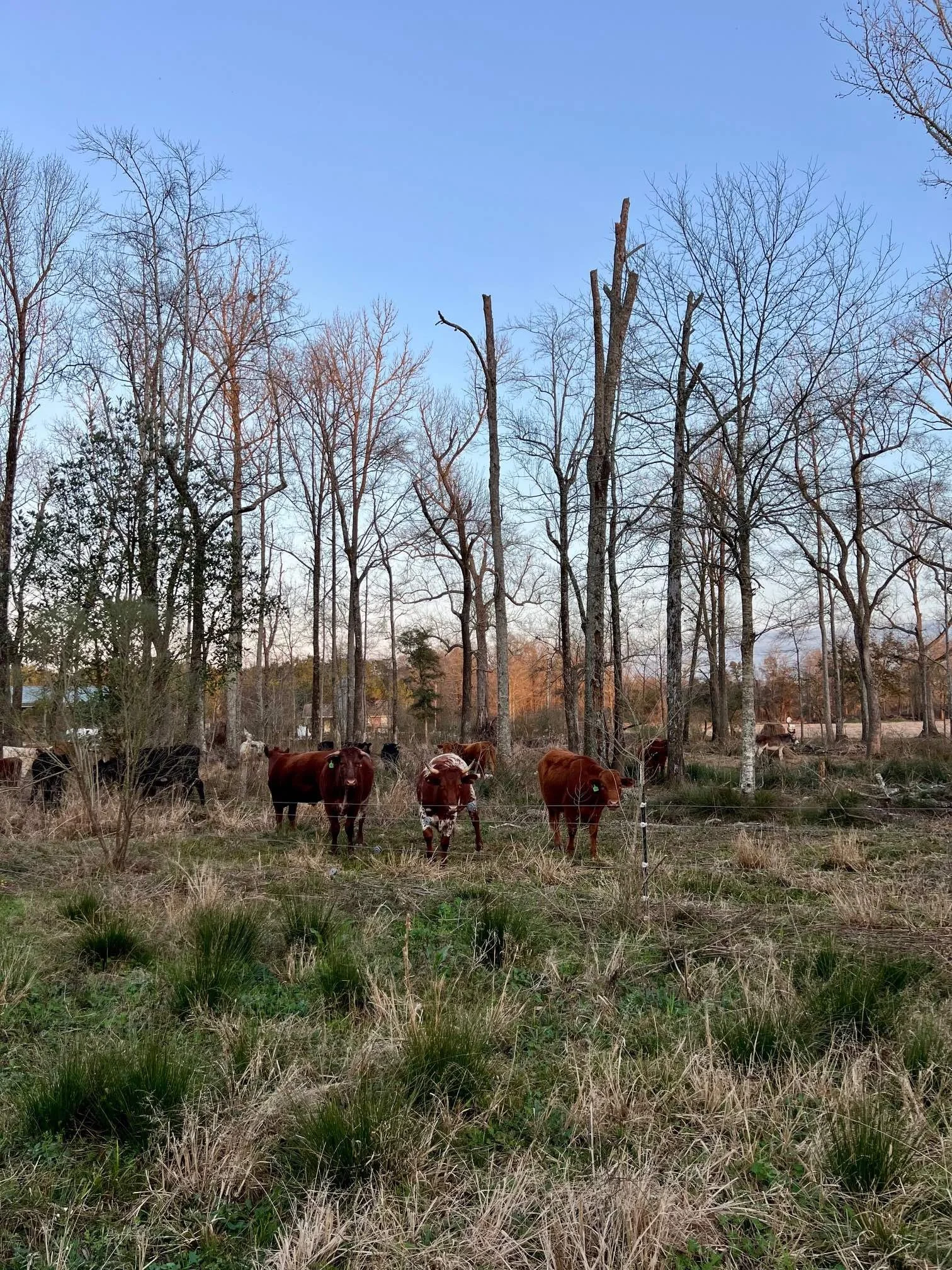
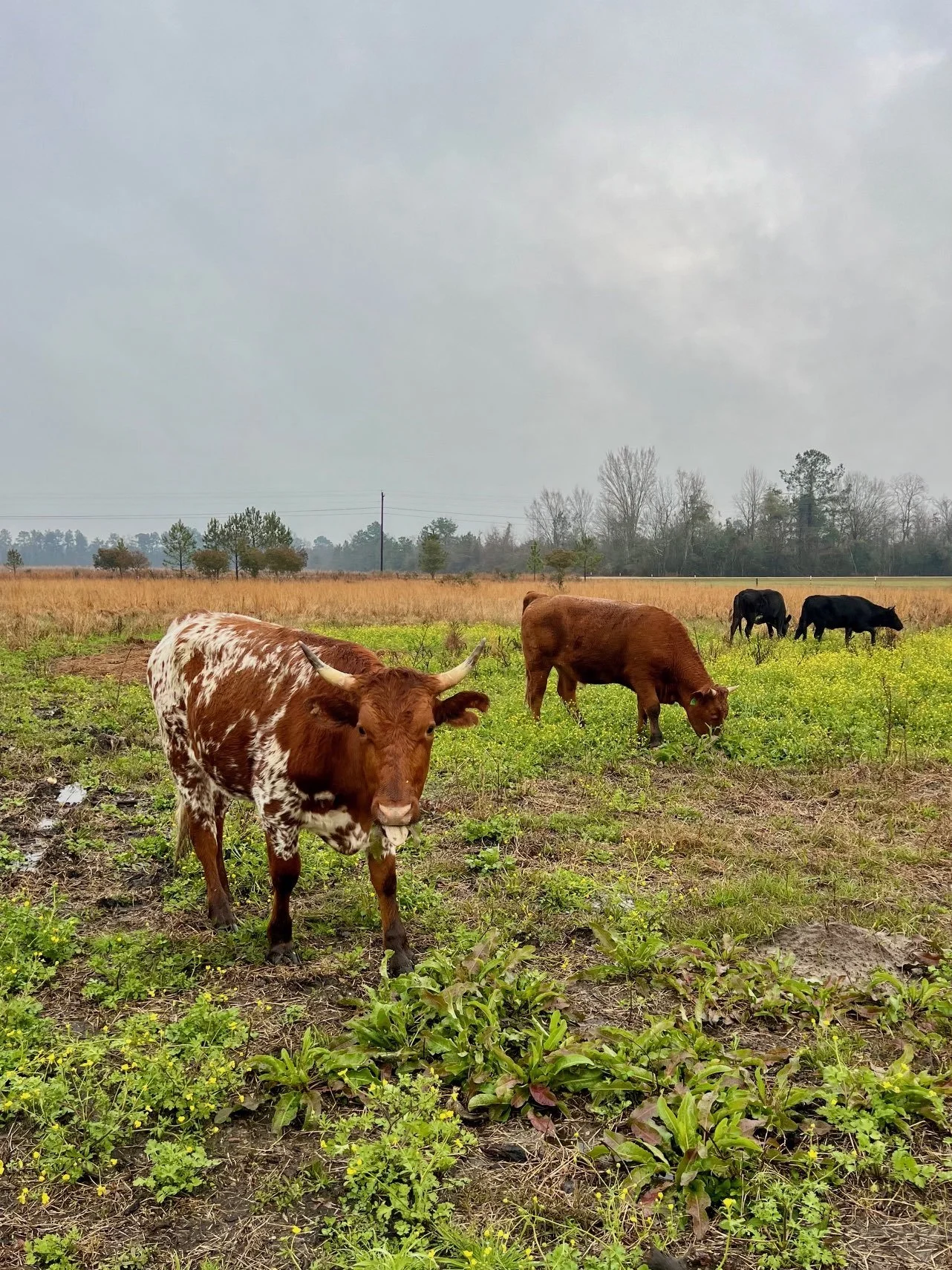
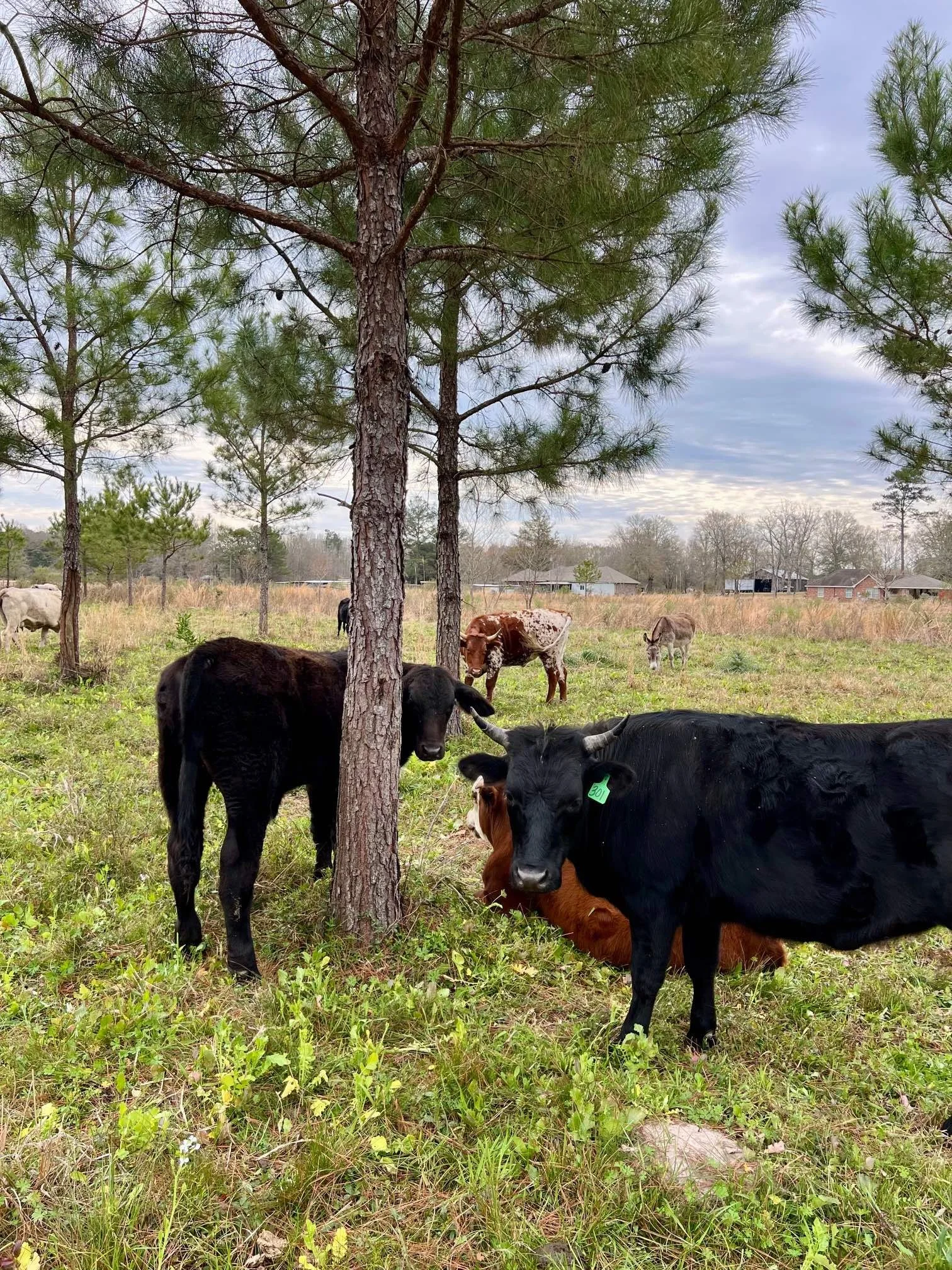
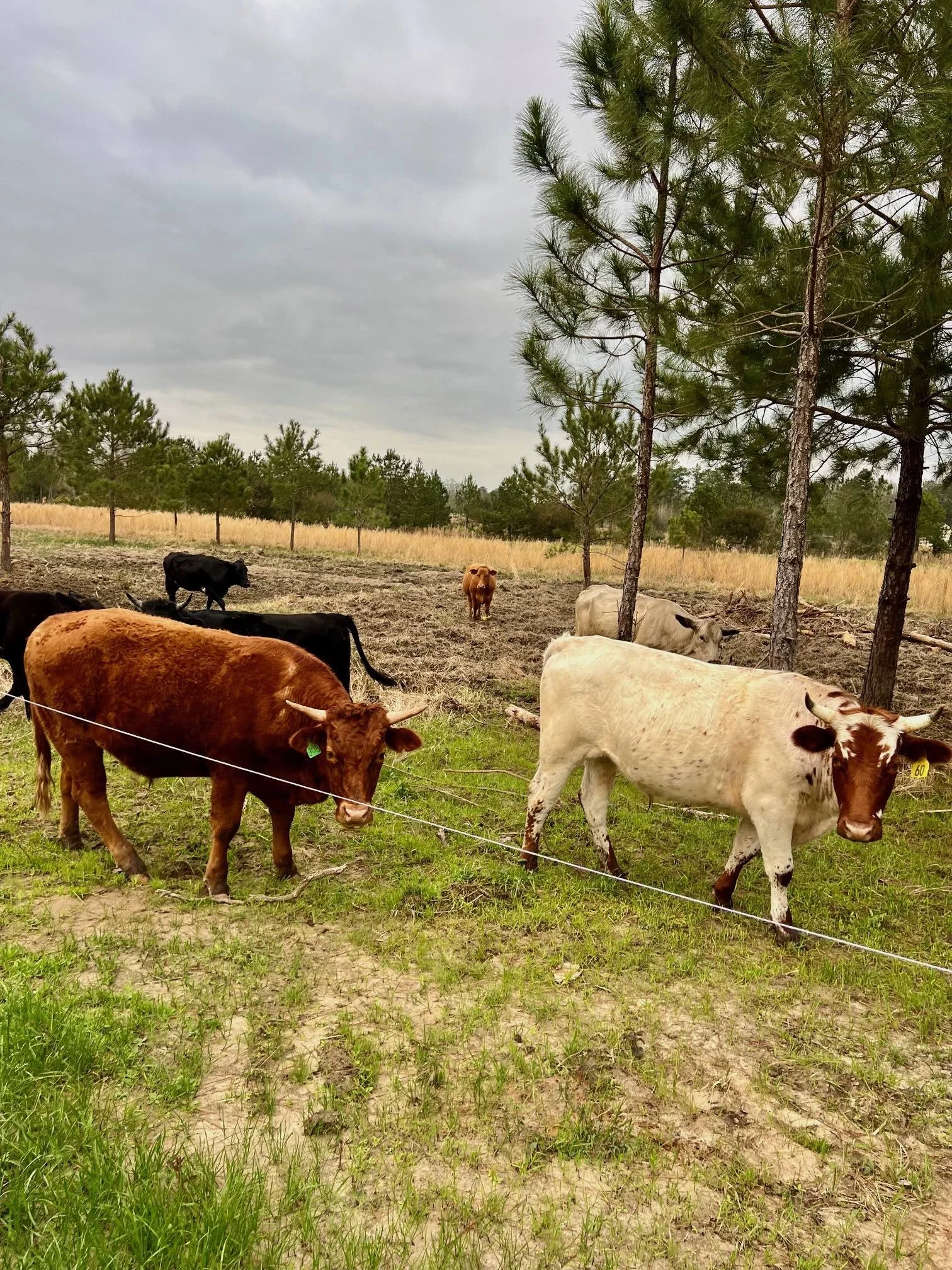
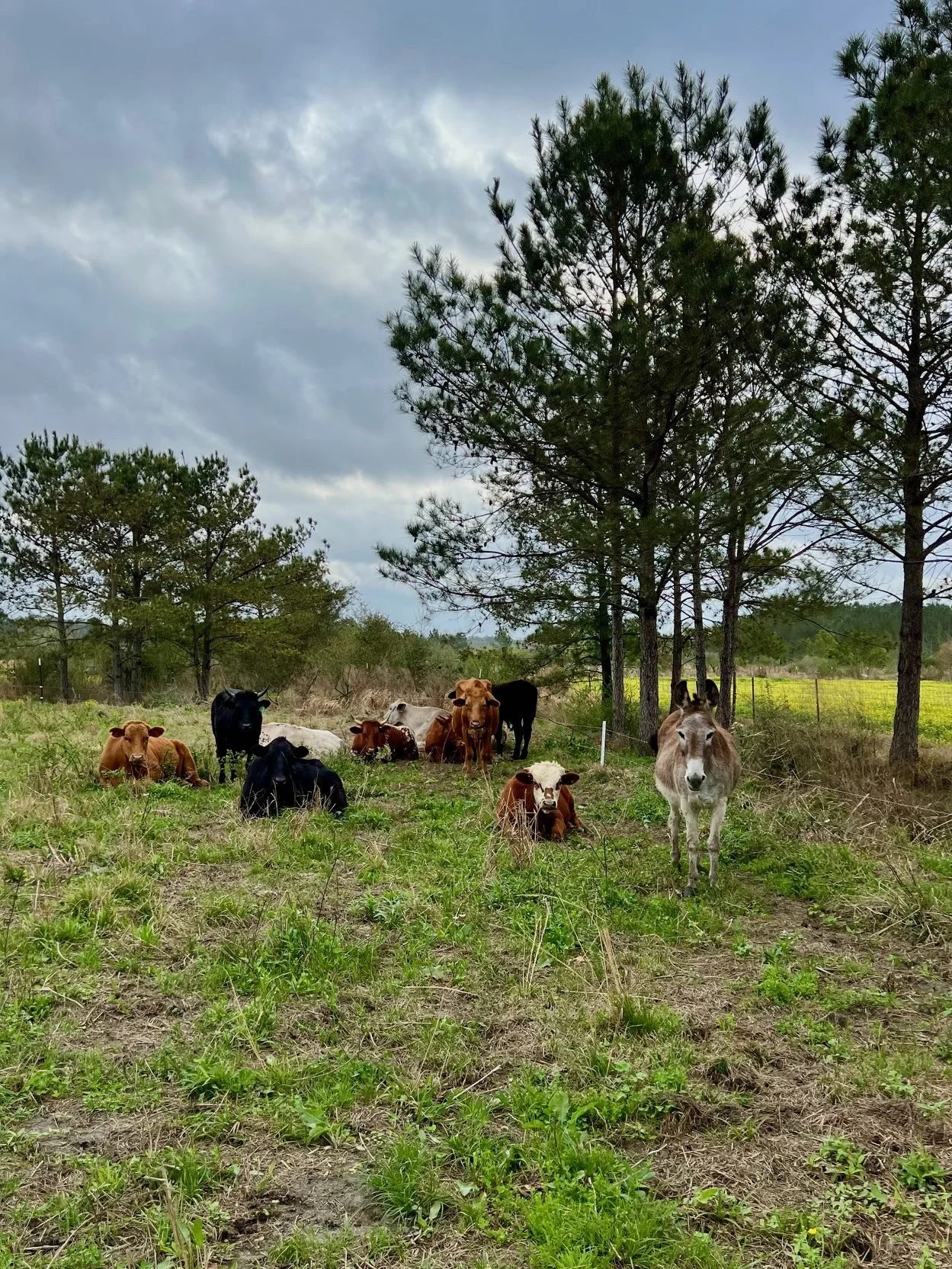
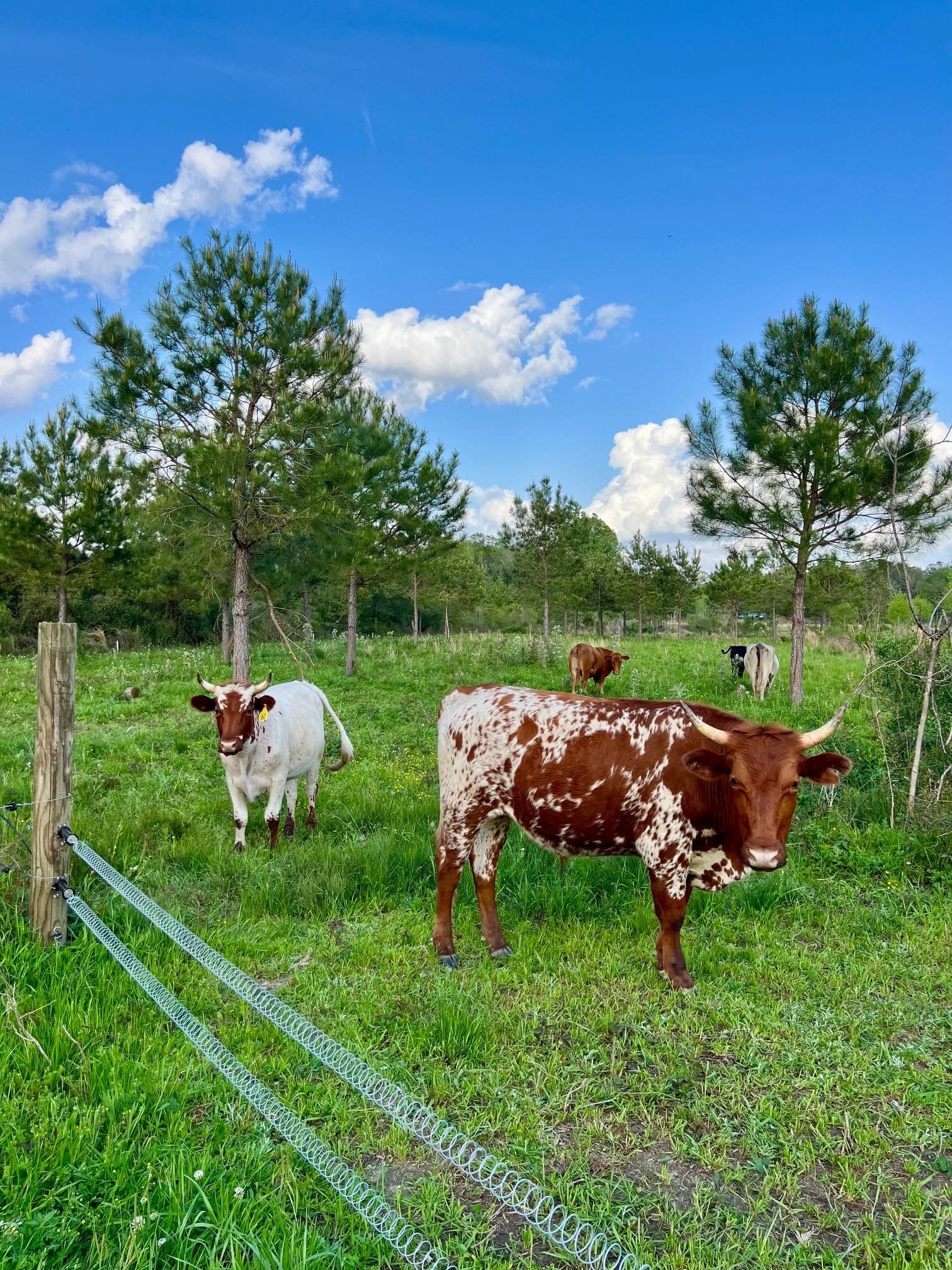
December 2024 - March 2025: We bale grazed through the winter and the cattle even seemed unfazed by our 5 inches of snow in January! We often aim to seed cover crop in October, but as we don’t have a no till drill and our fall is often dry, we often get delayed until there’s more rainfall to help the seed germinate. By March the herd was grazing some gorgeous rye grass again.
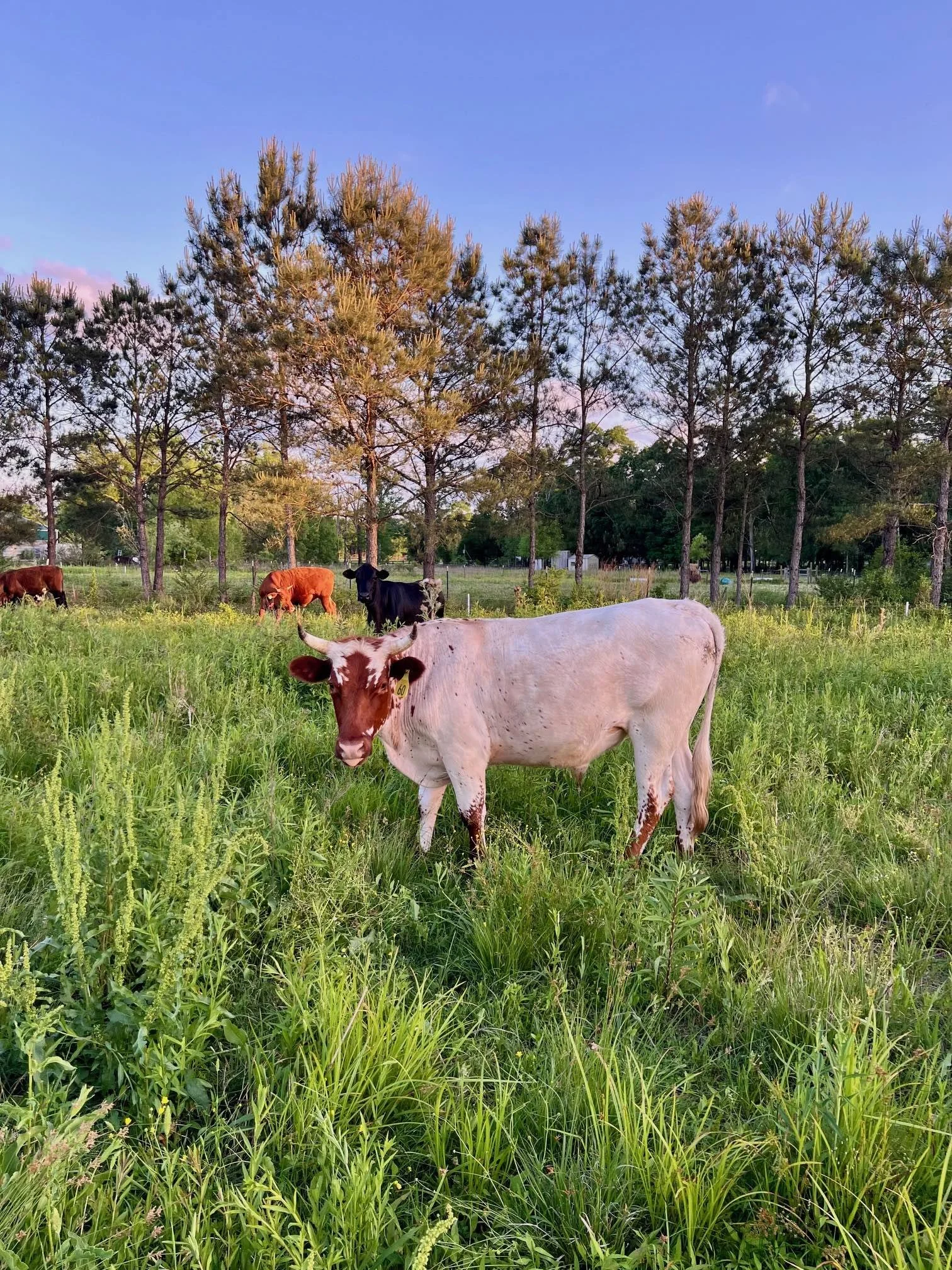
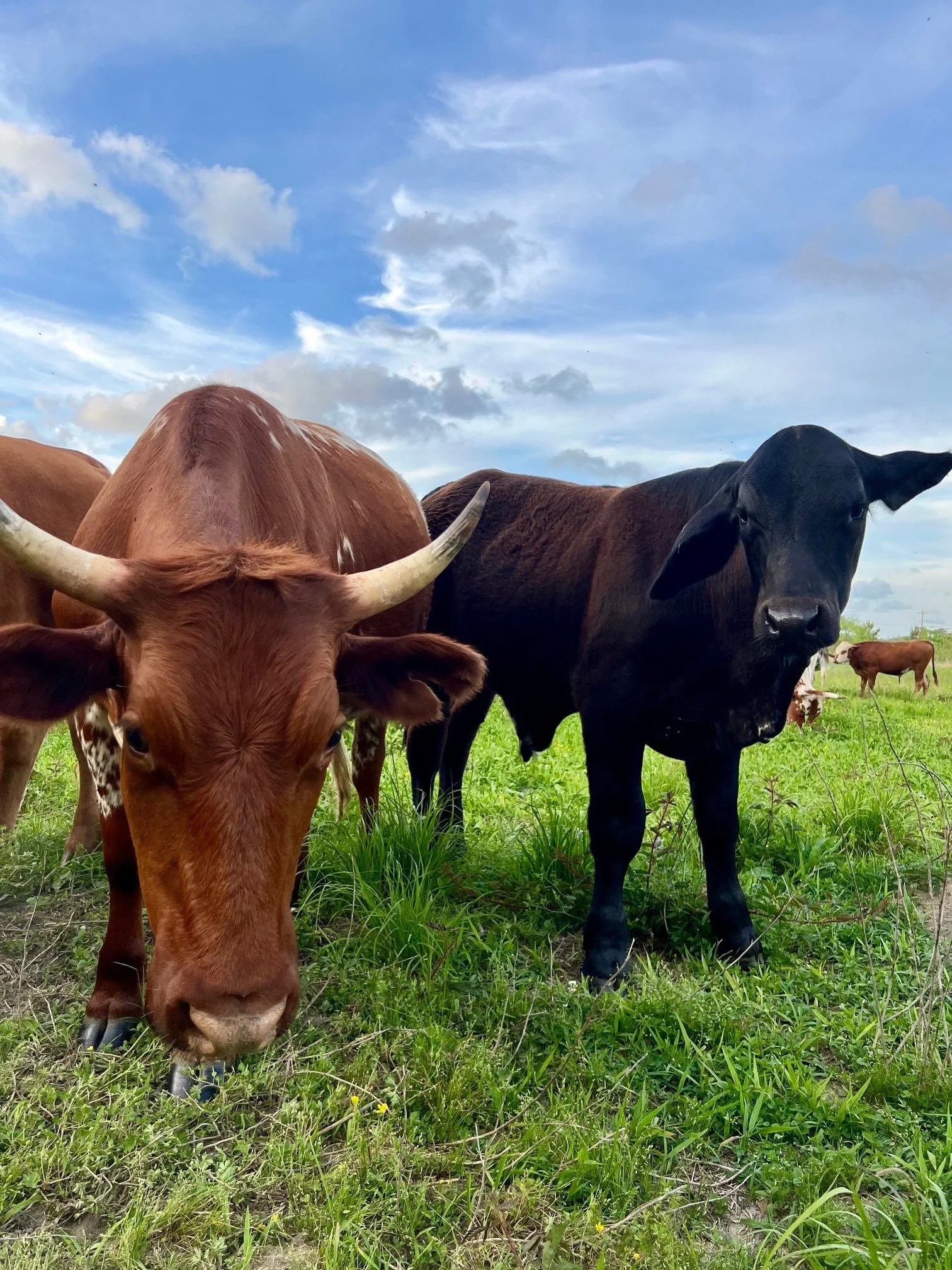
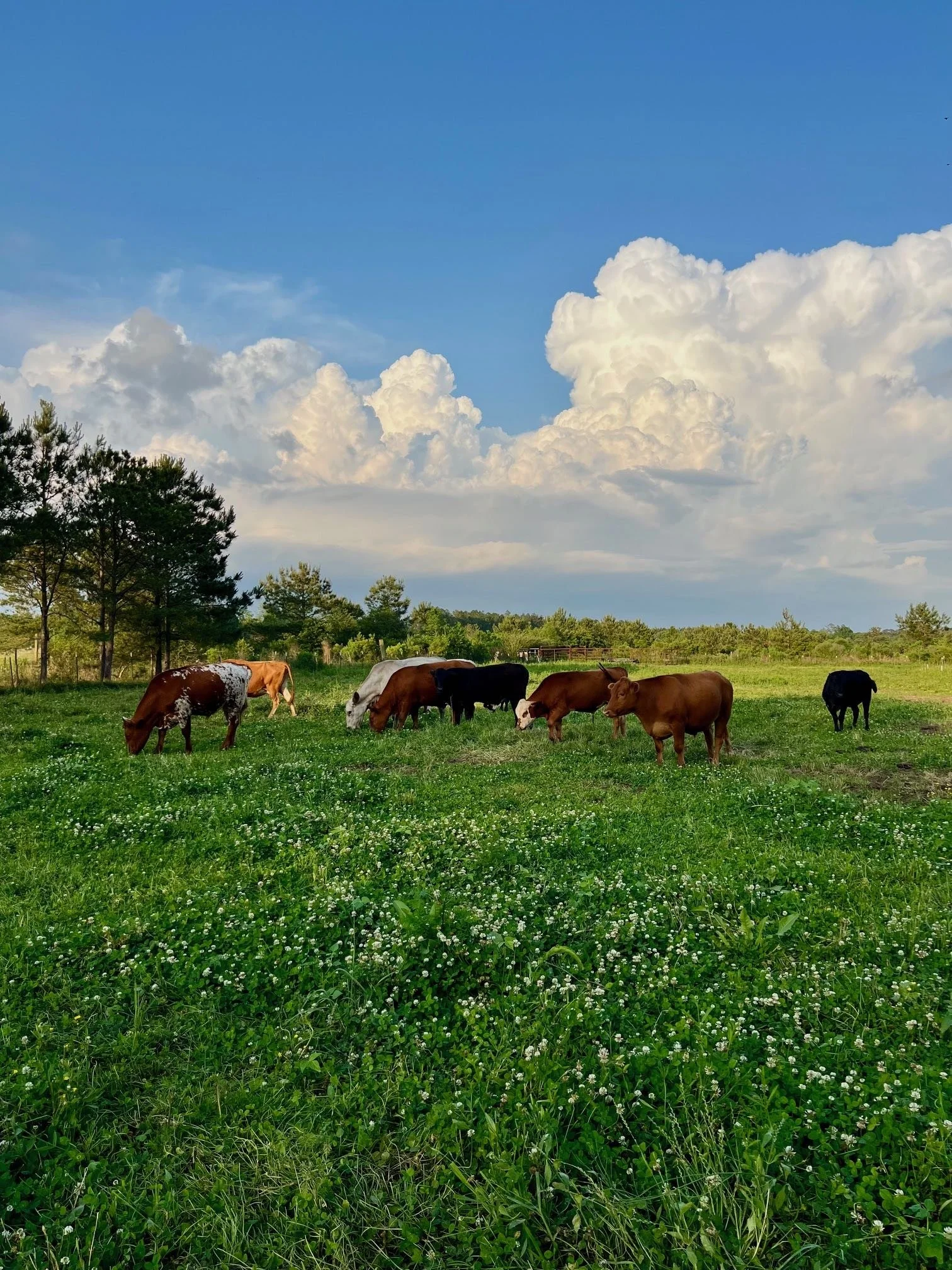
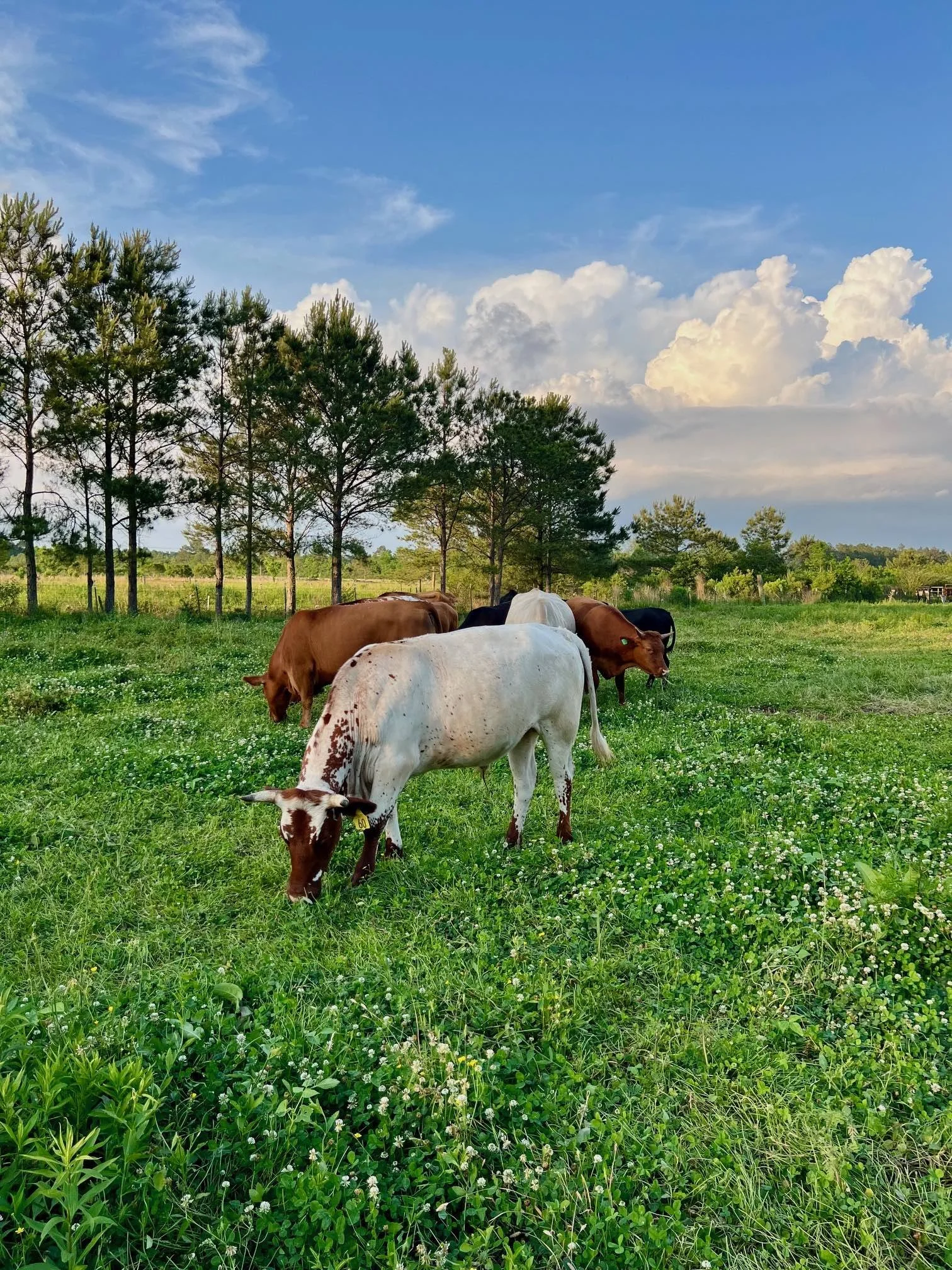
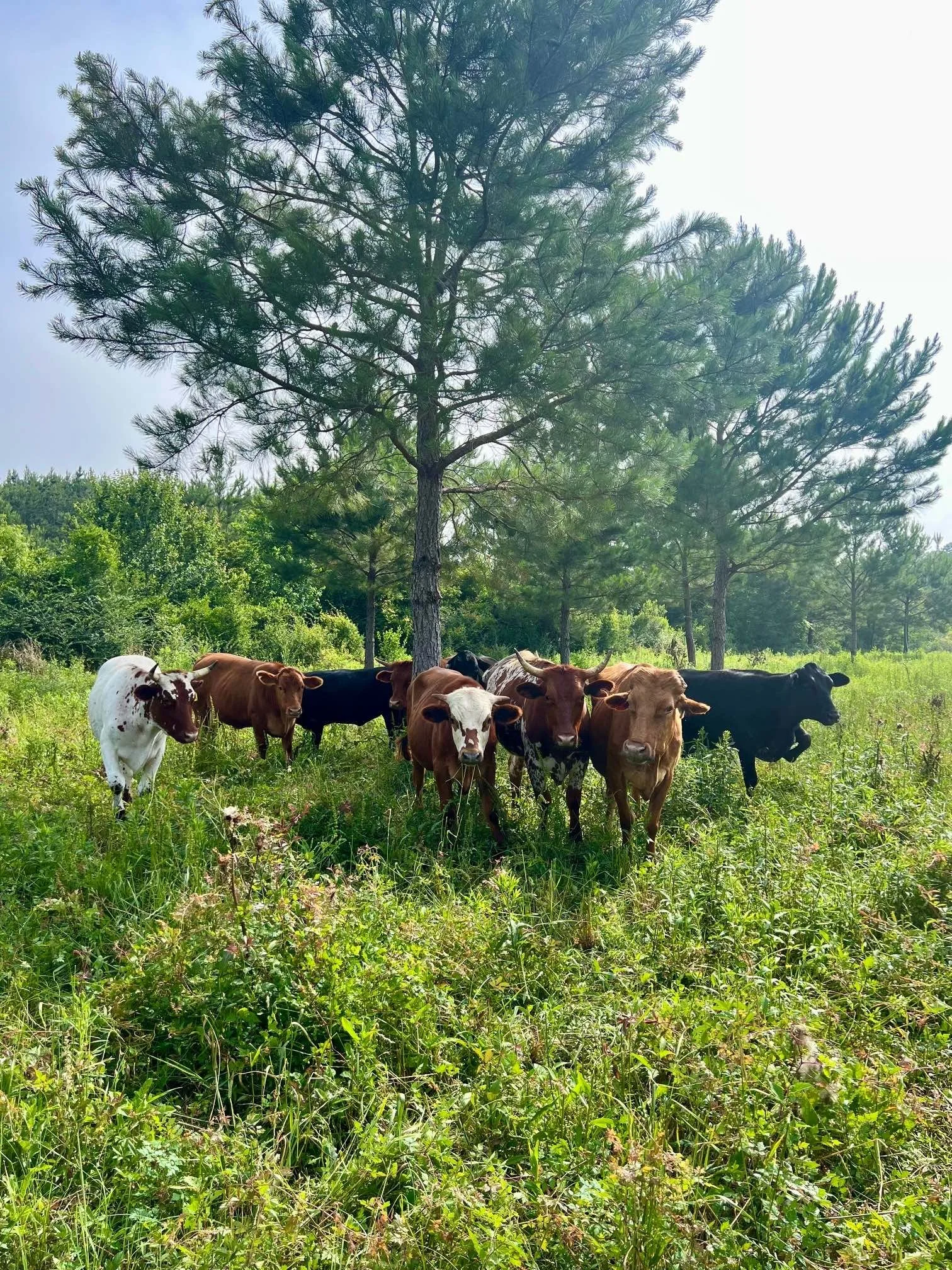
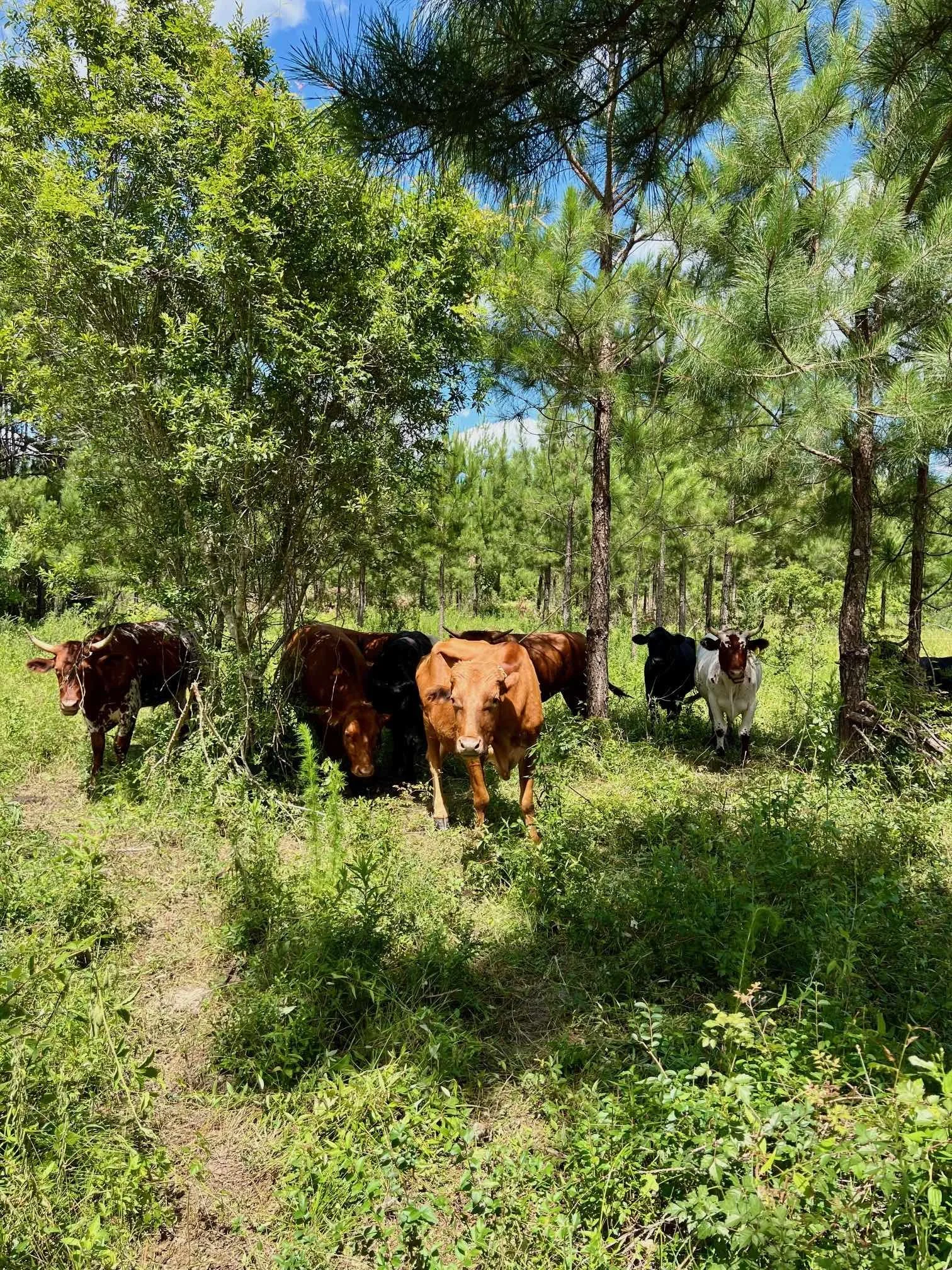
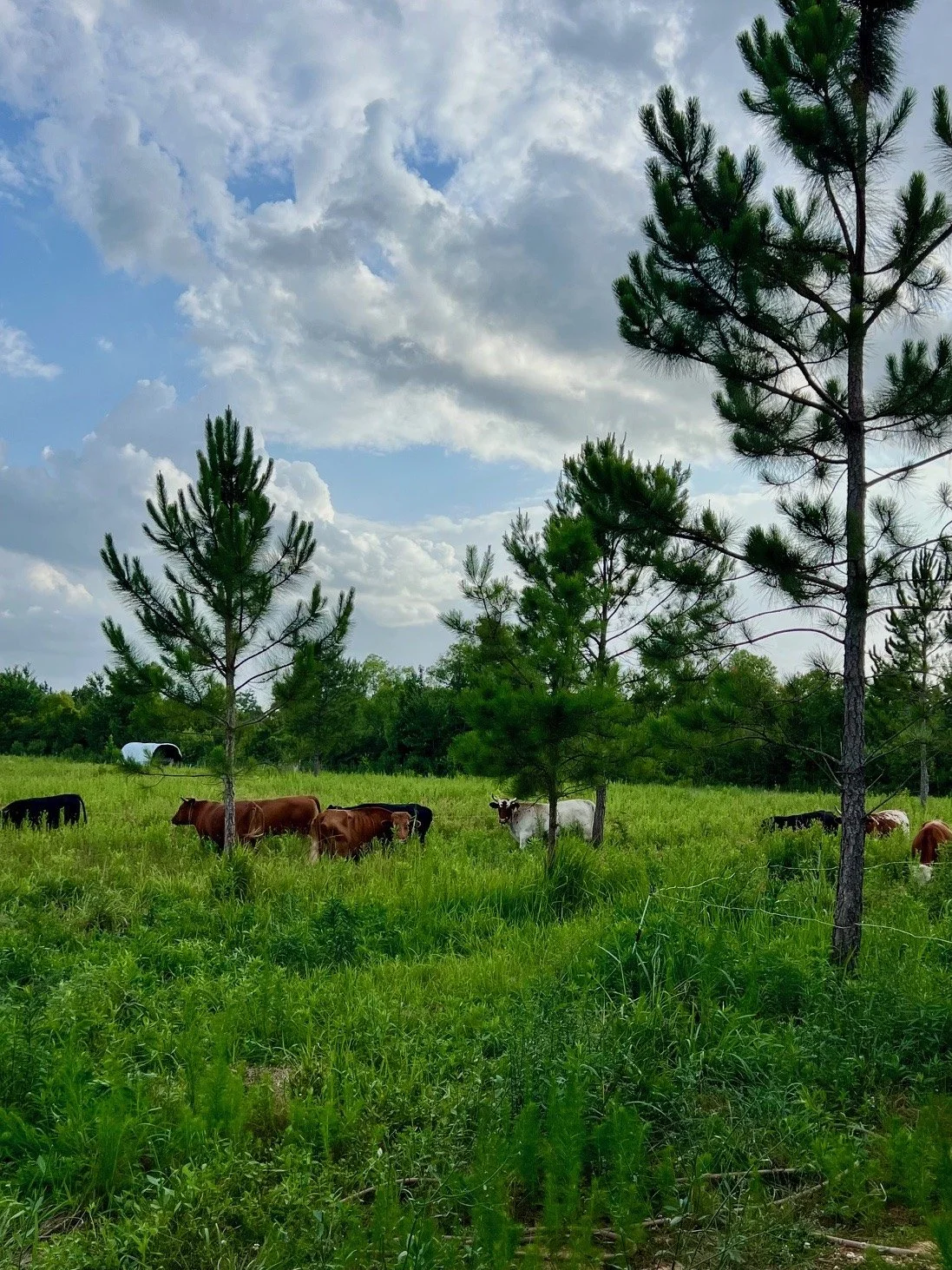
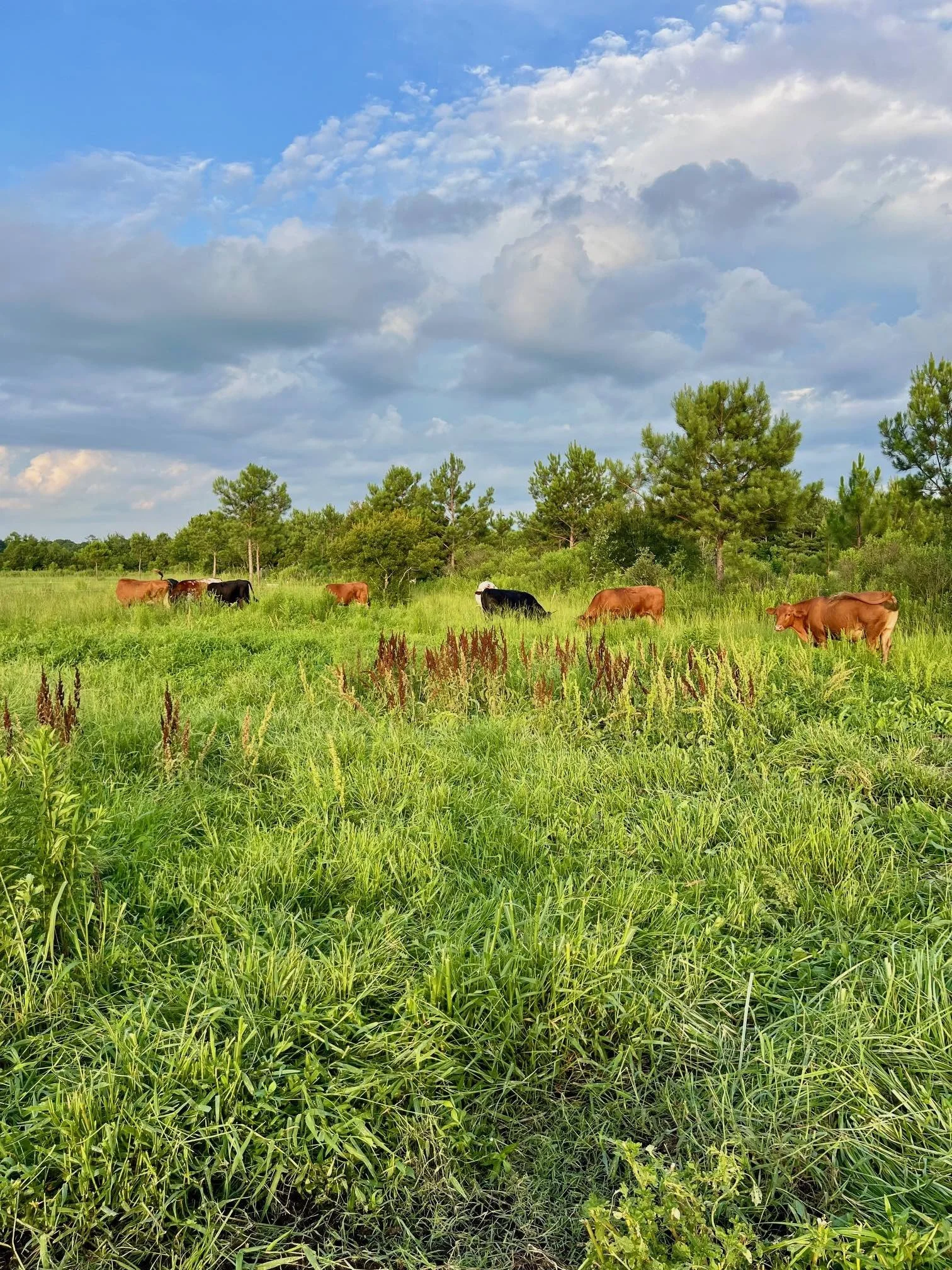
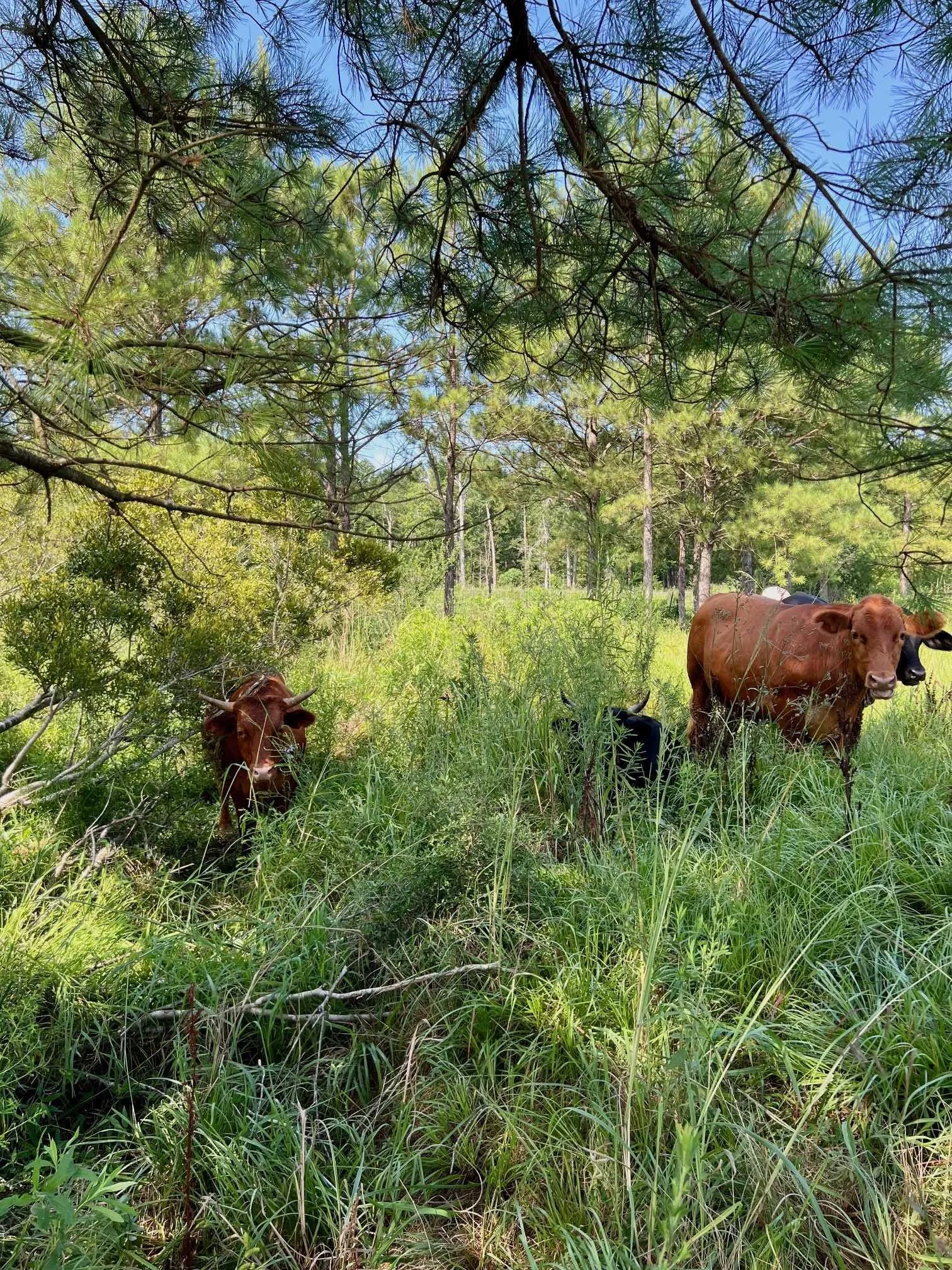
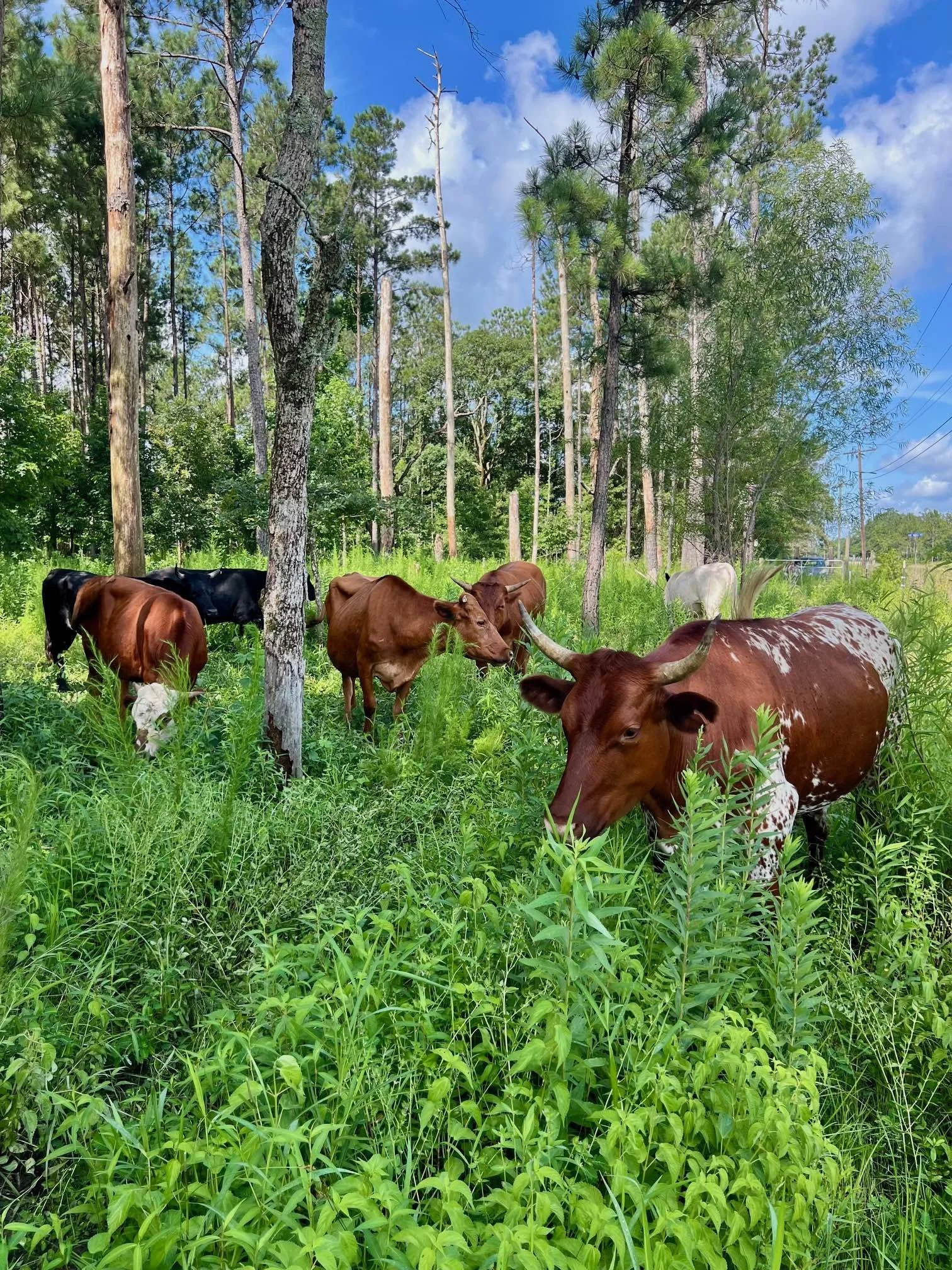
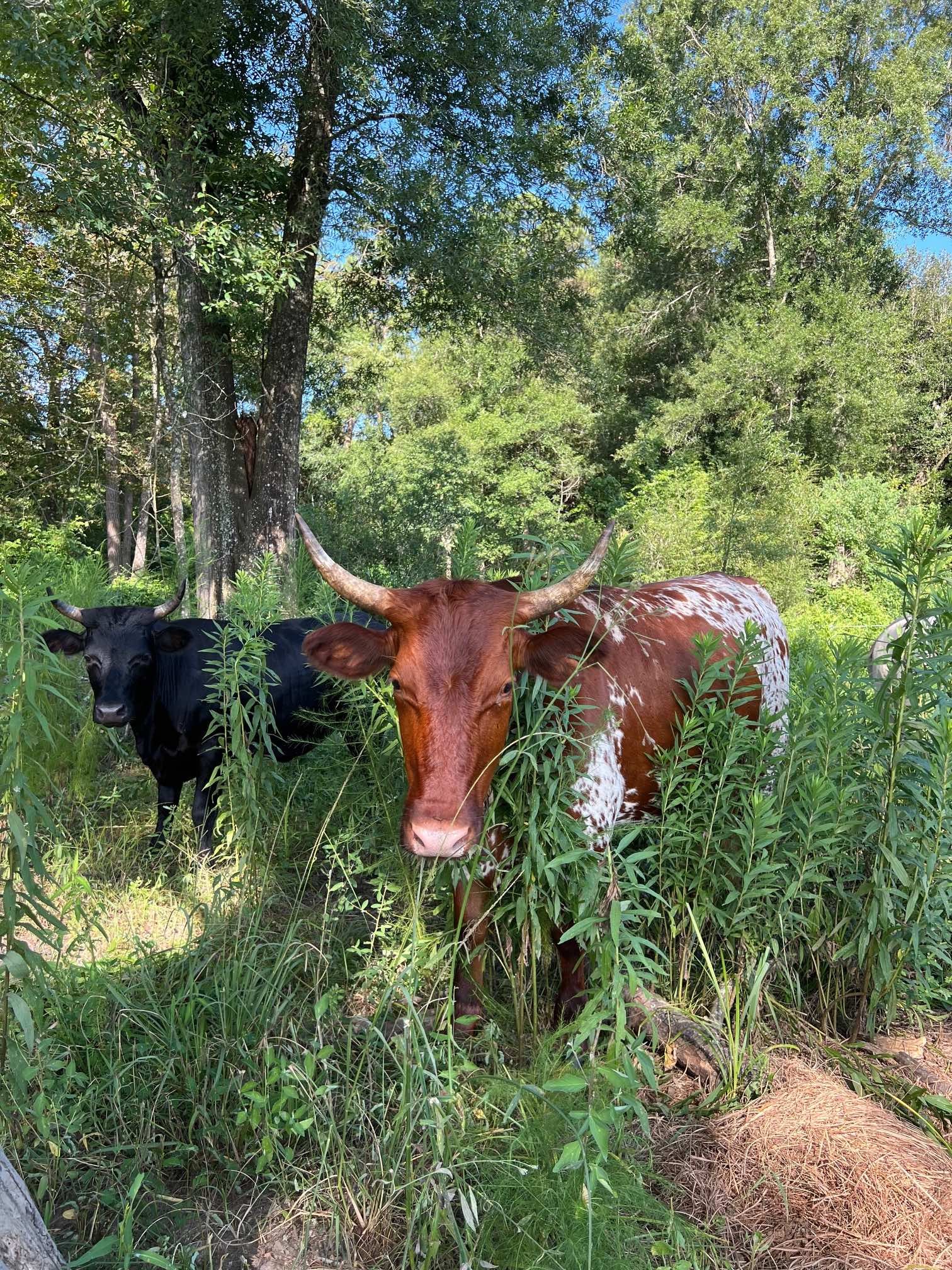
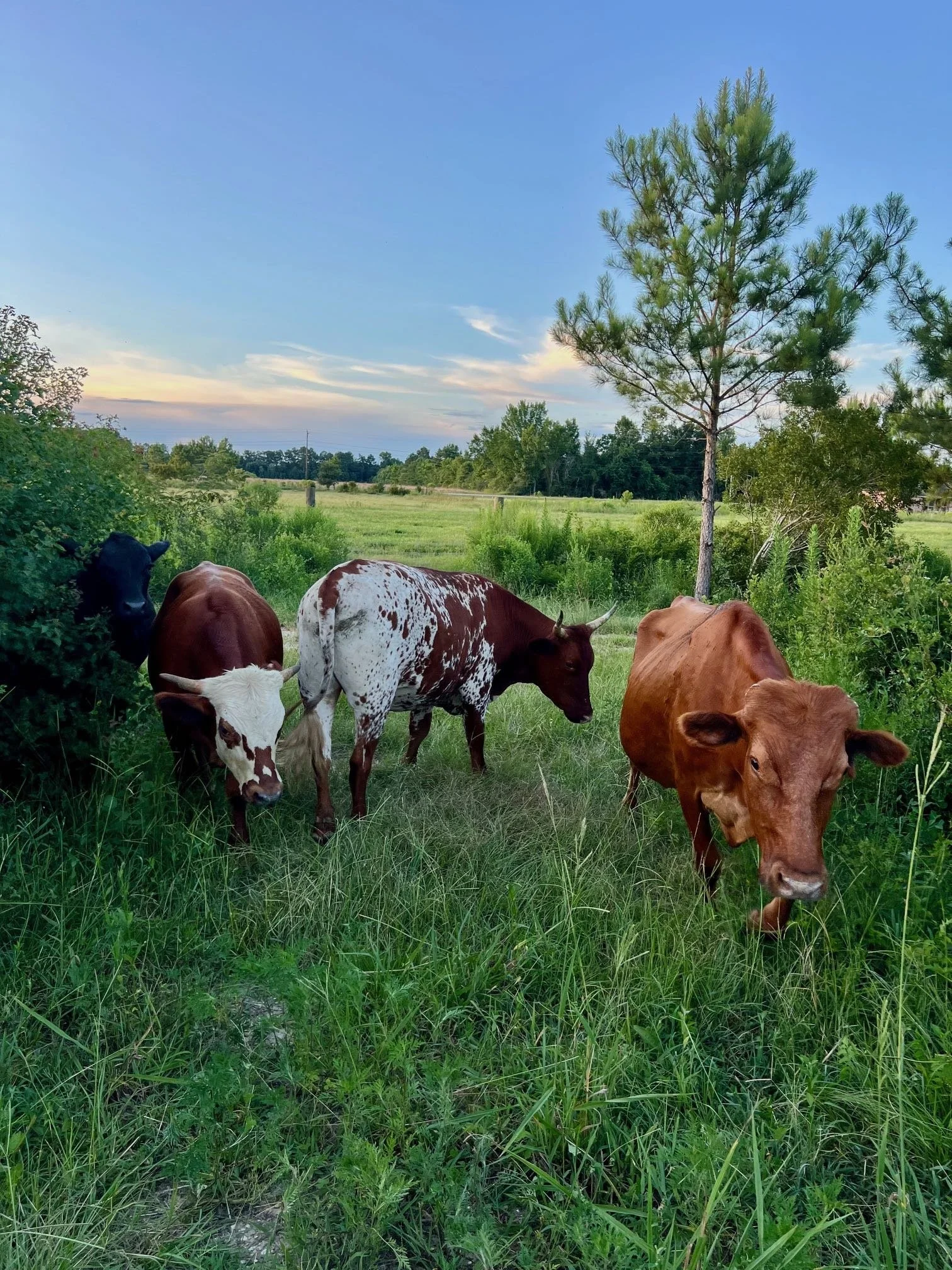
April 2025 - July 2025: There was lots of lush forage in the late spring and early summer and the last sections of pasture and woods we finished fencing in summer of 2022 showed really nice improvement in forage quality, though there is still room for growth (pun intended)!
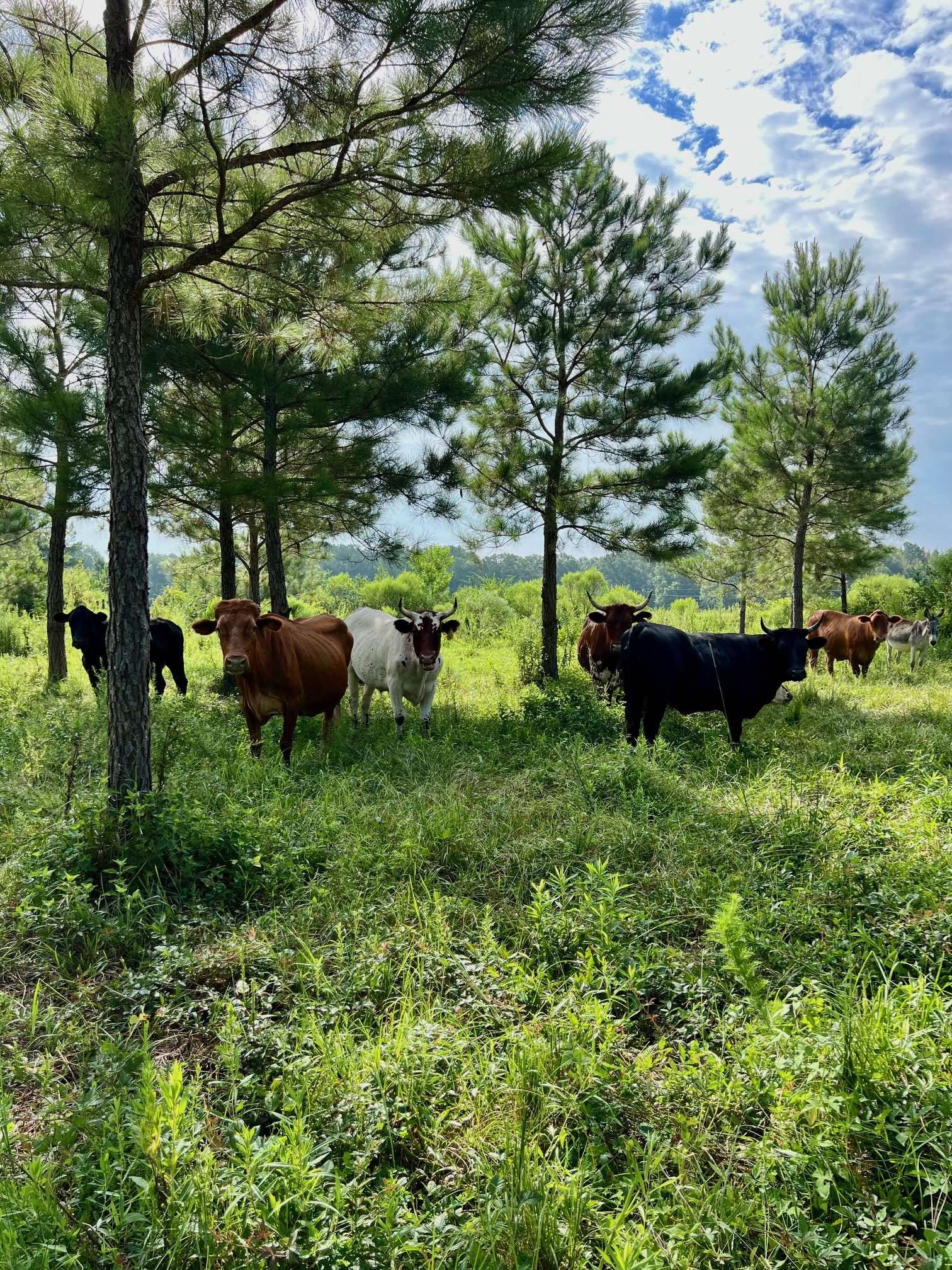
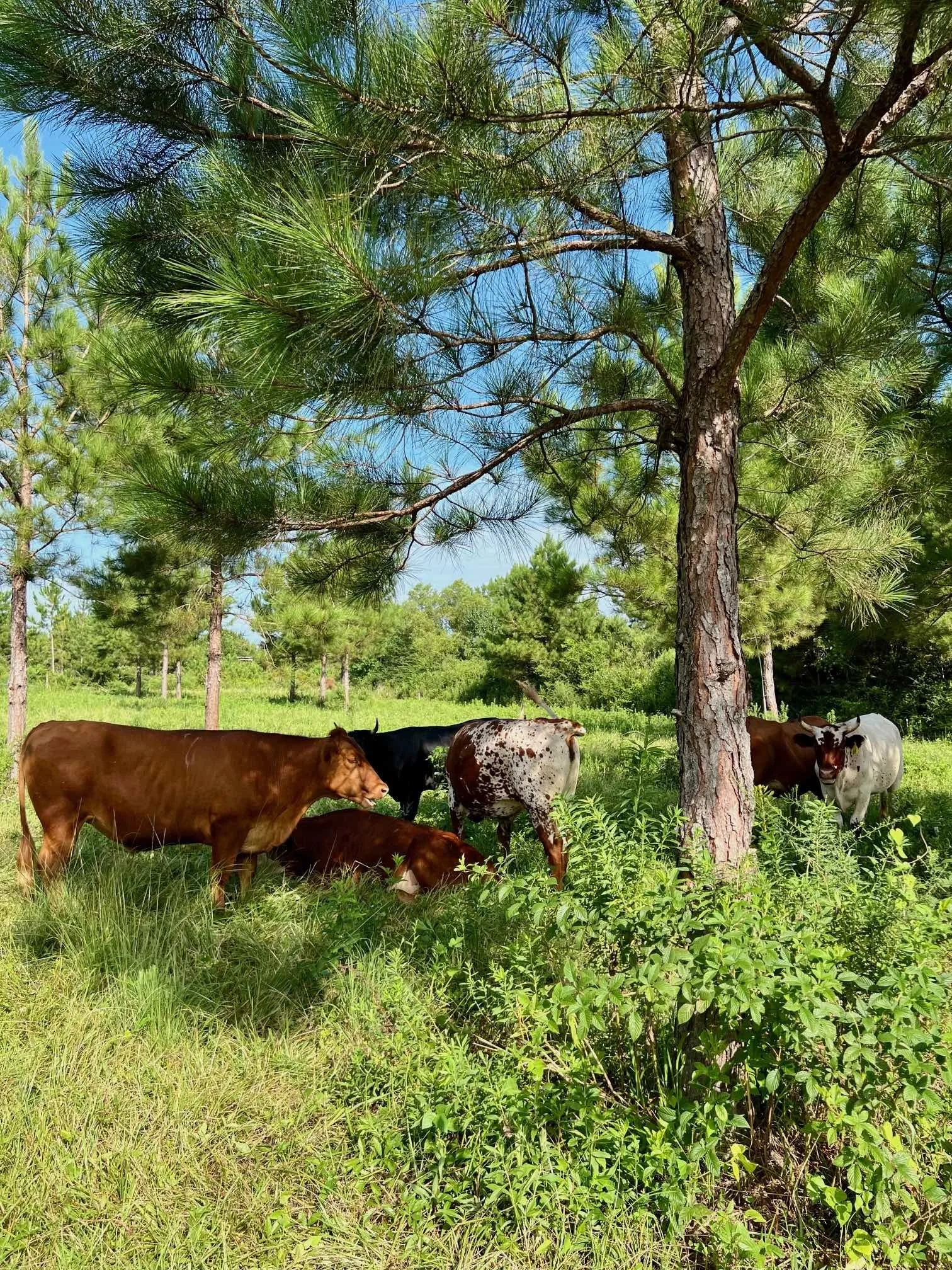
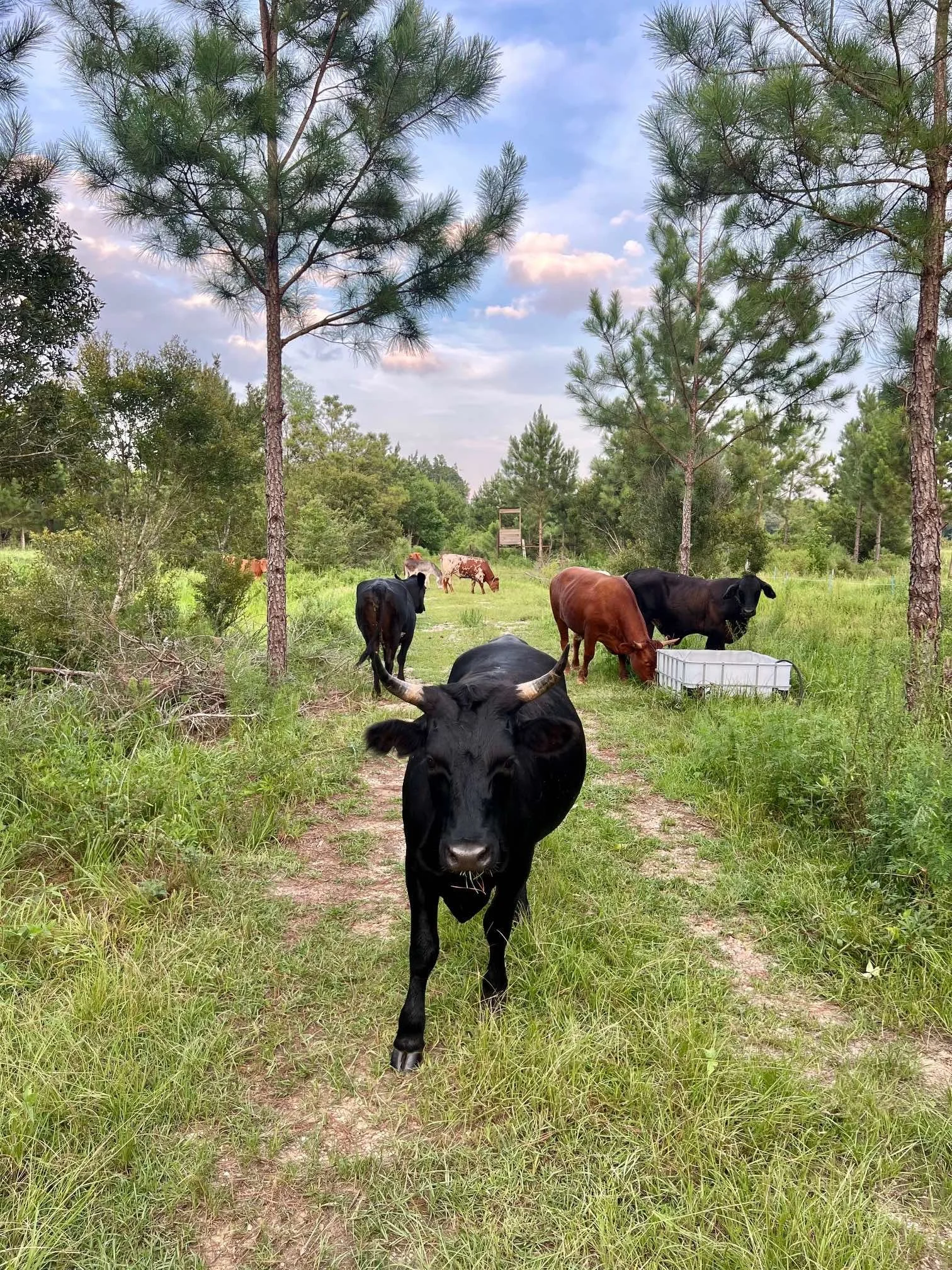
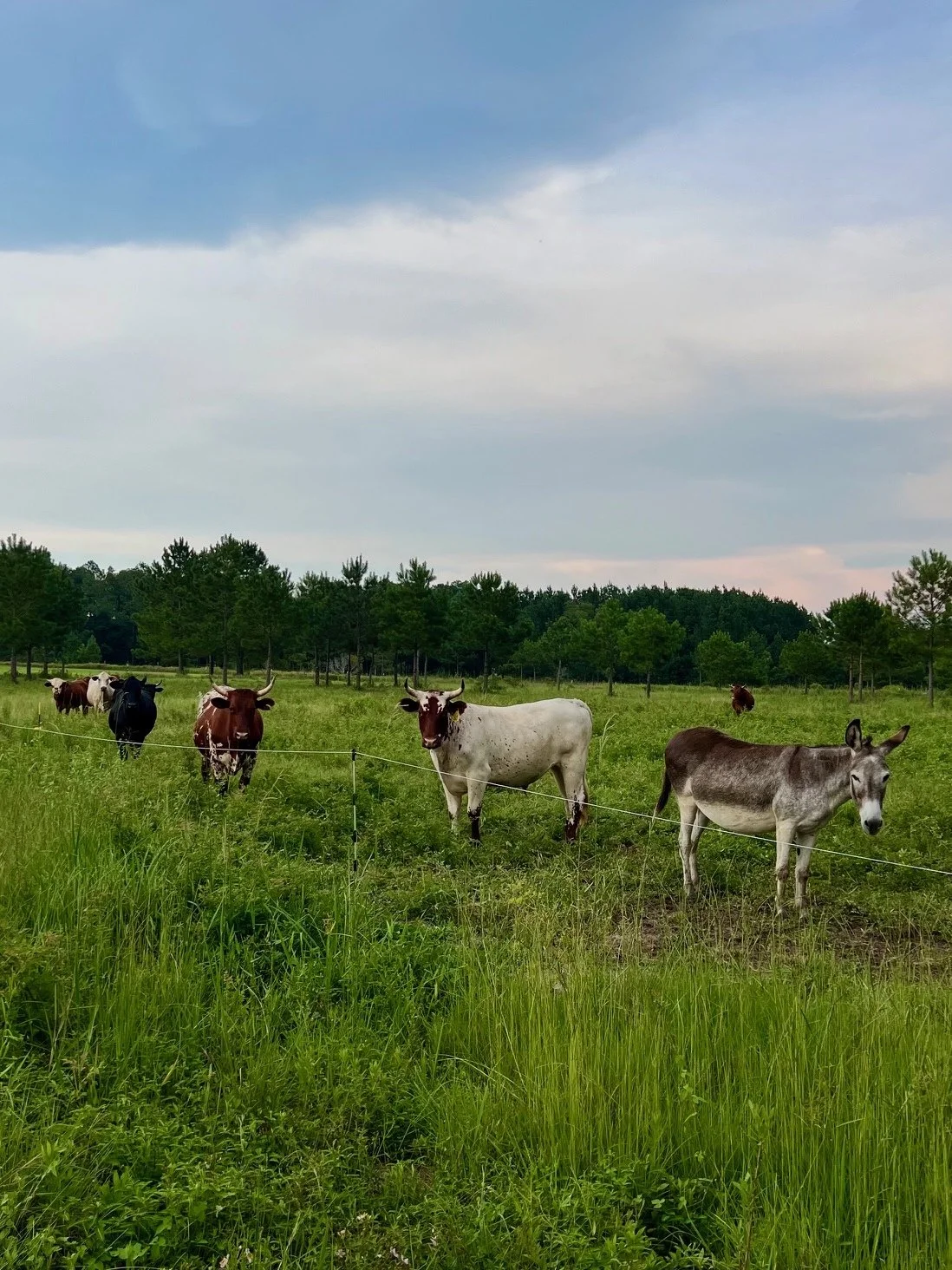
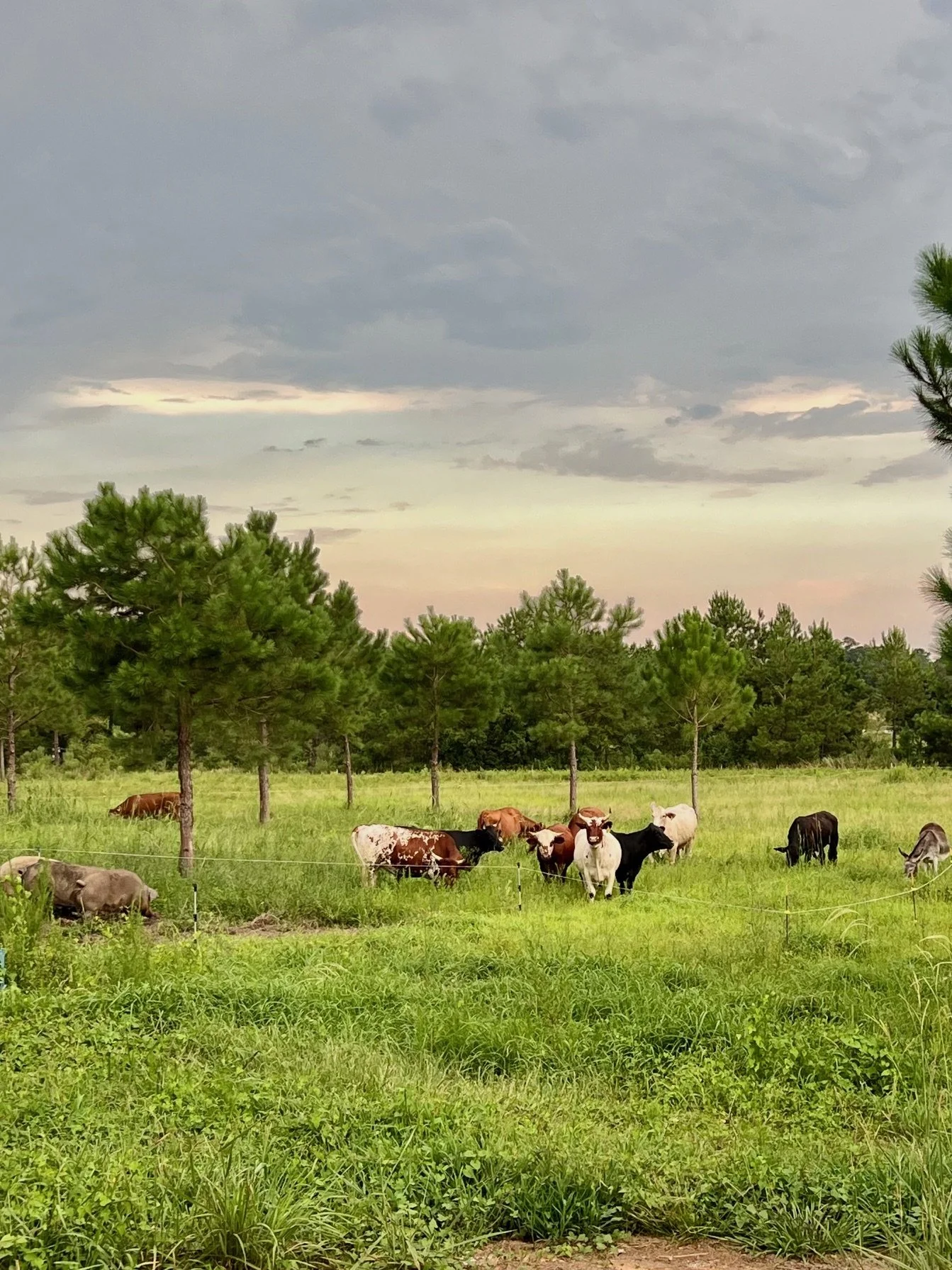
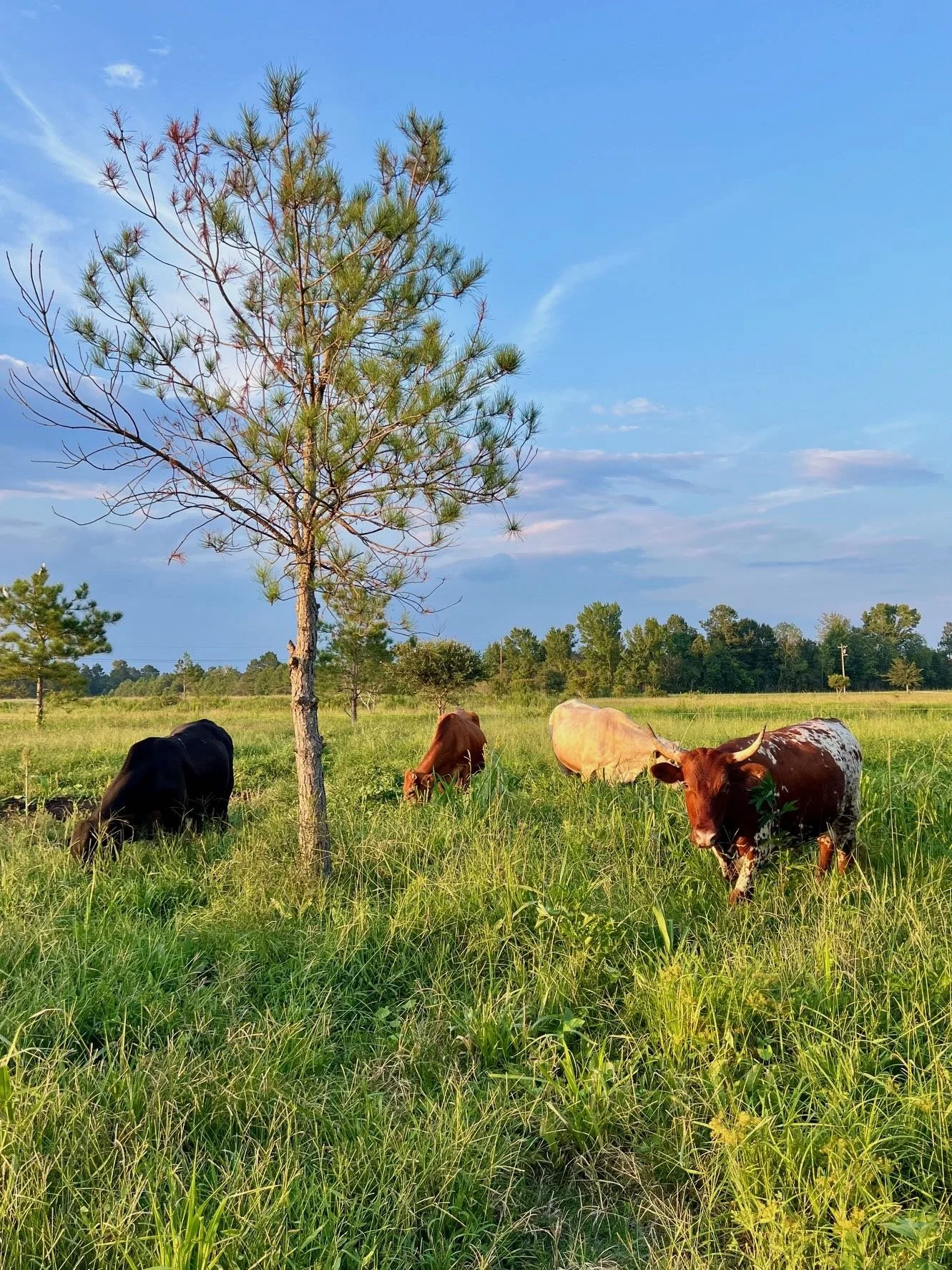
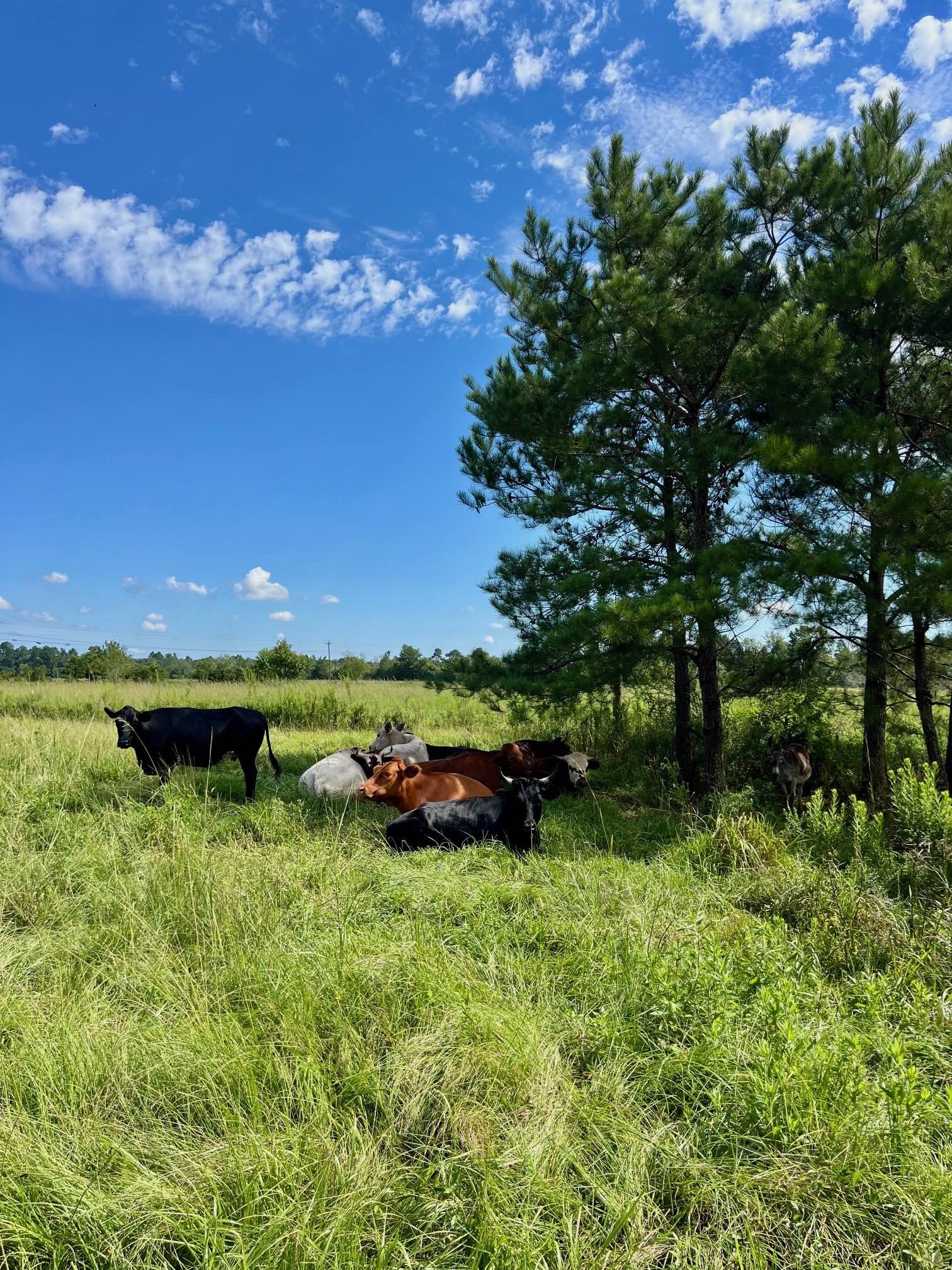
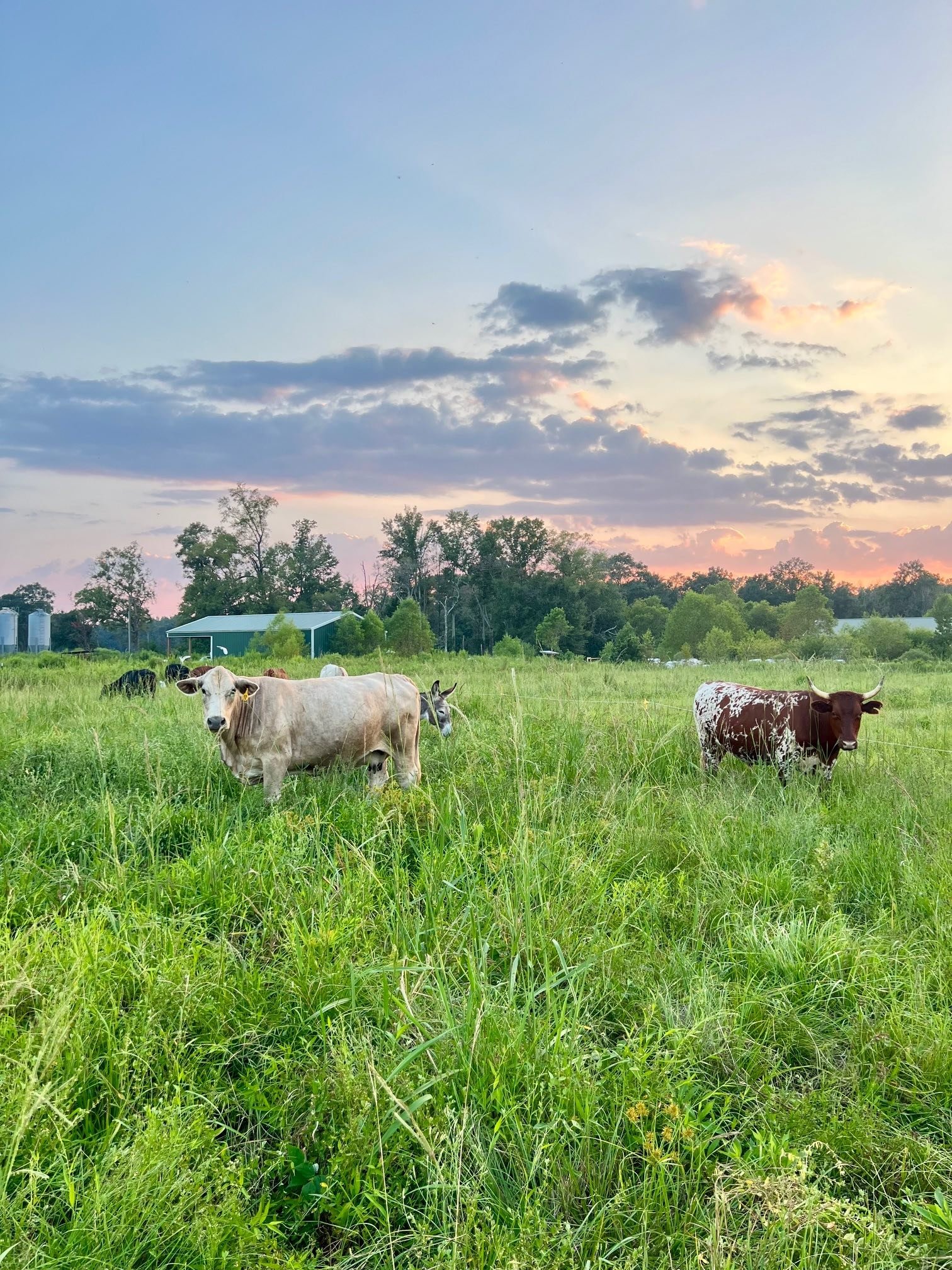
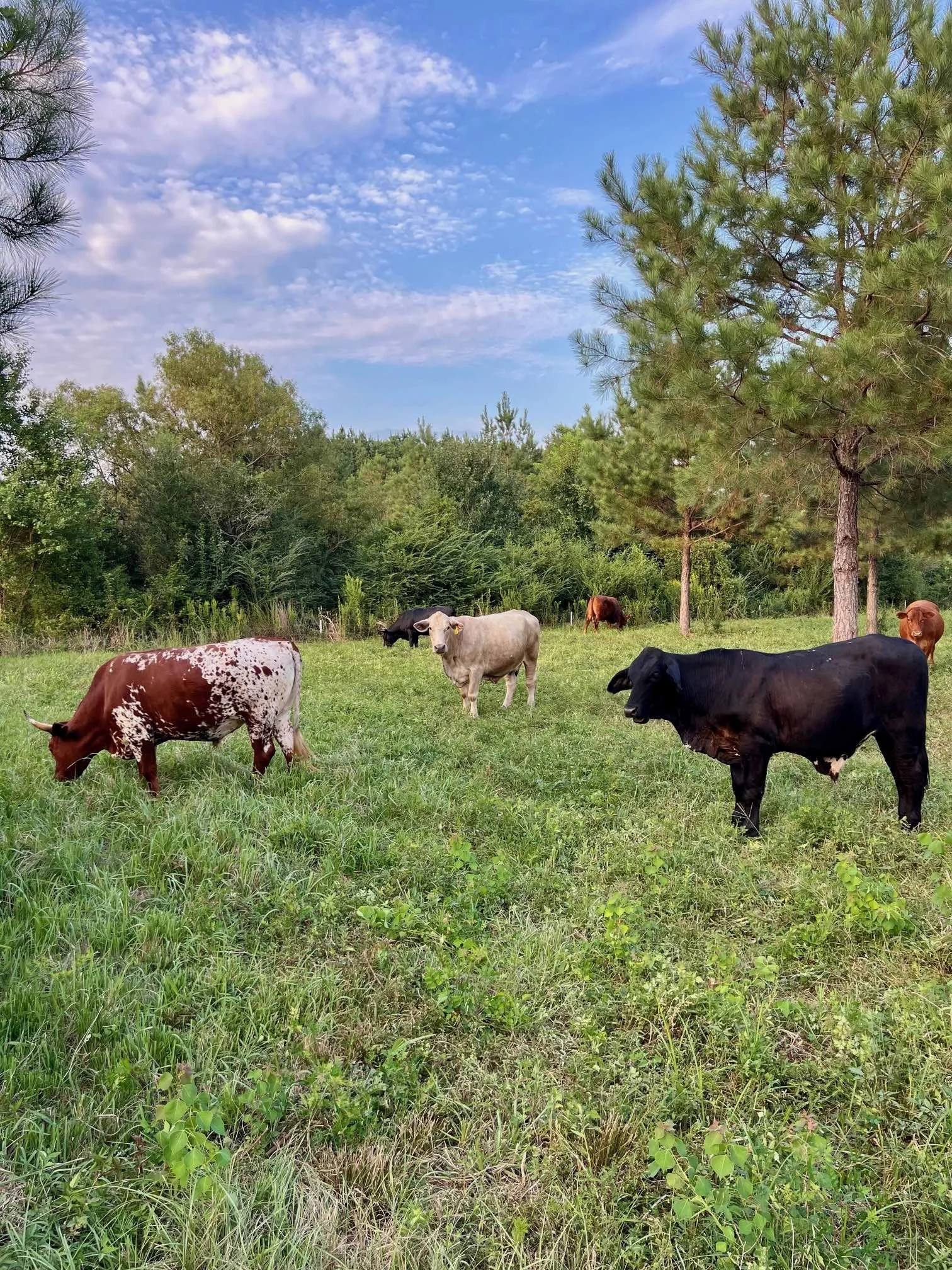
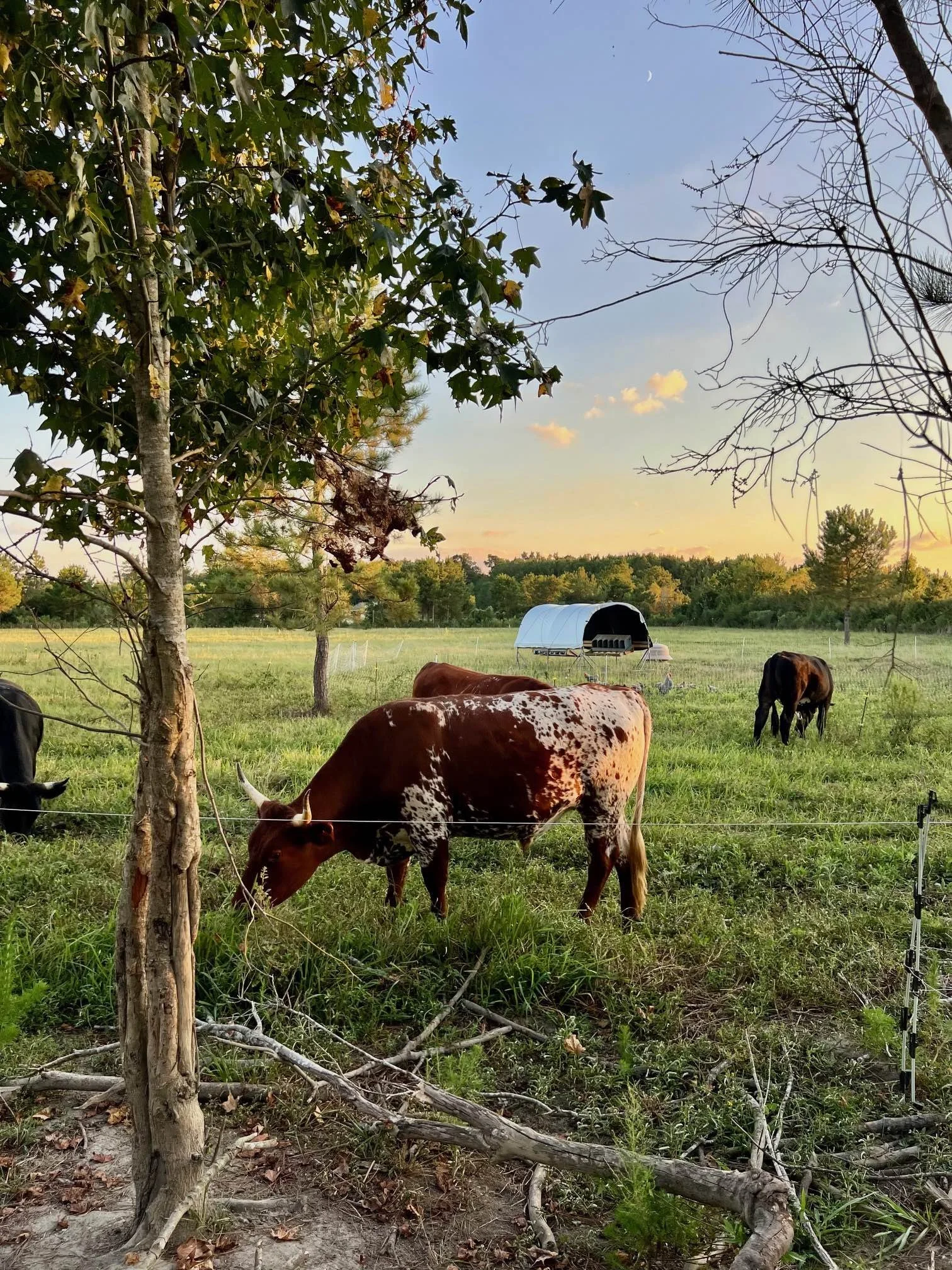
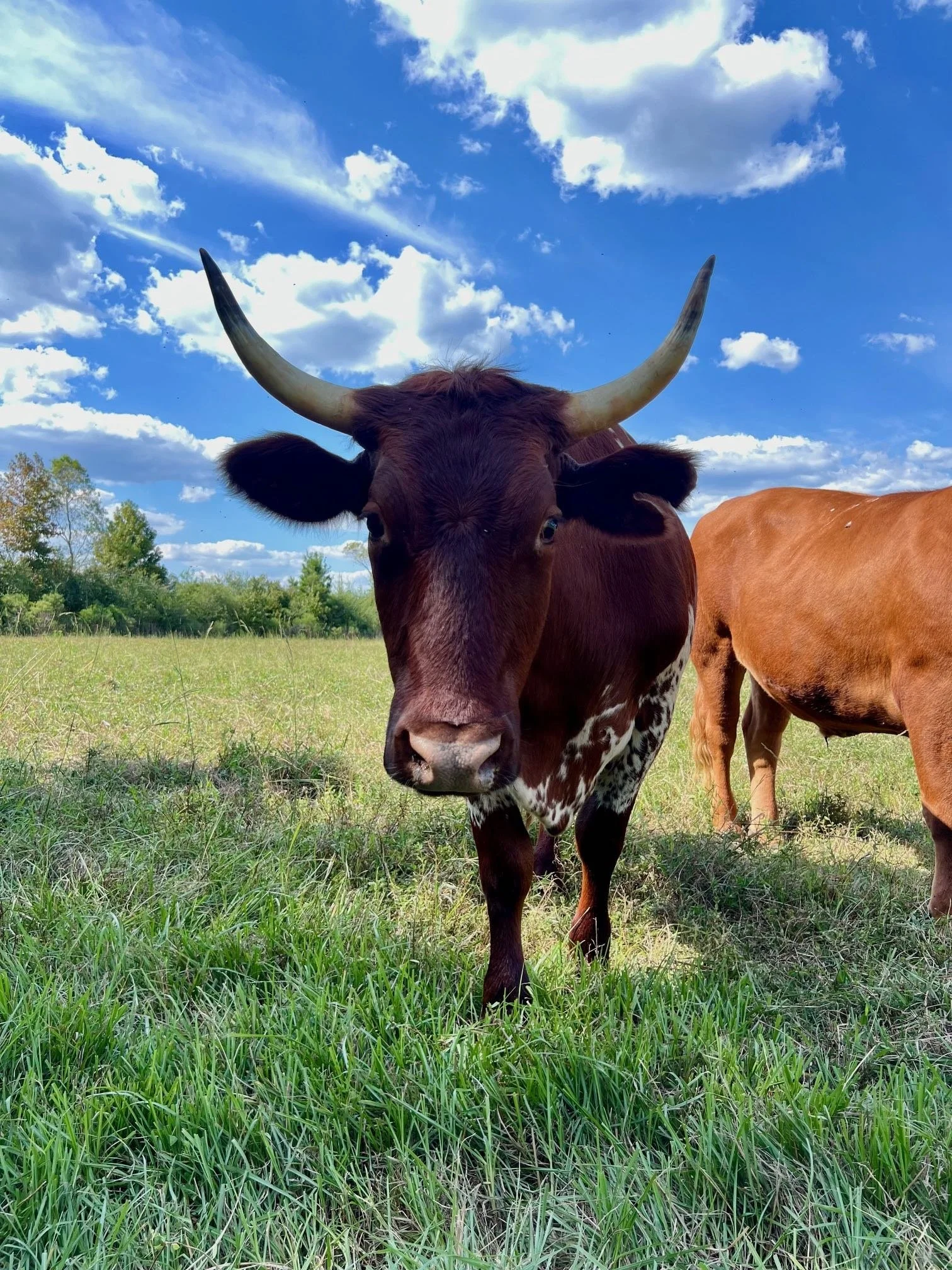
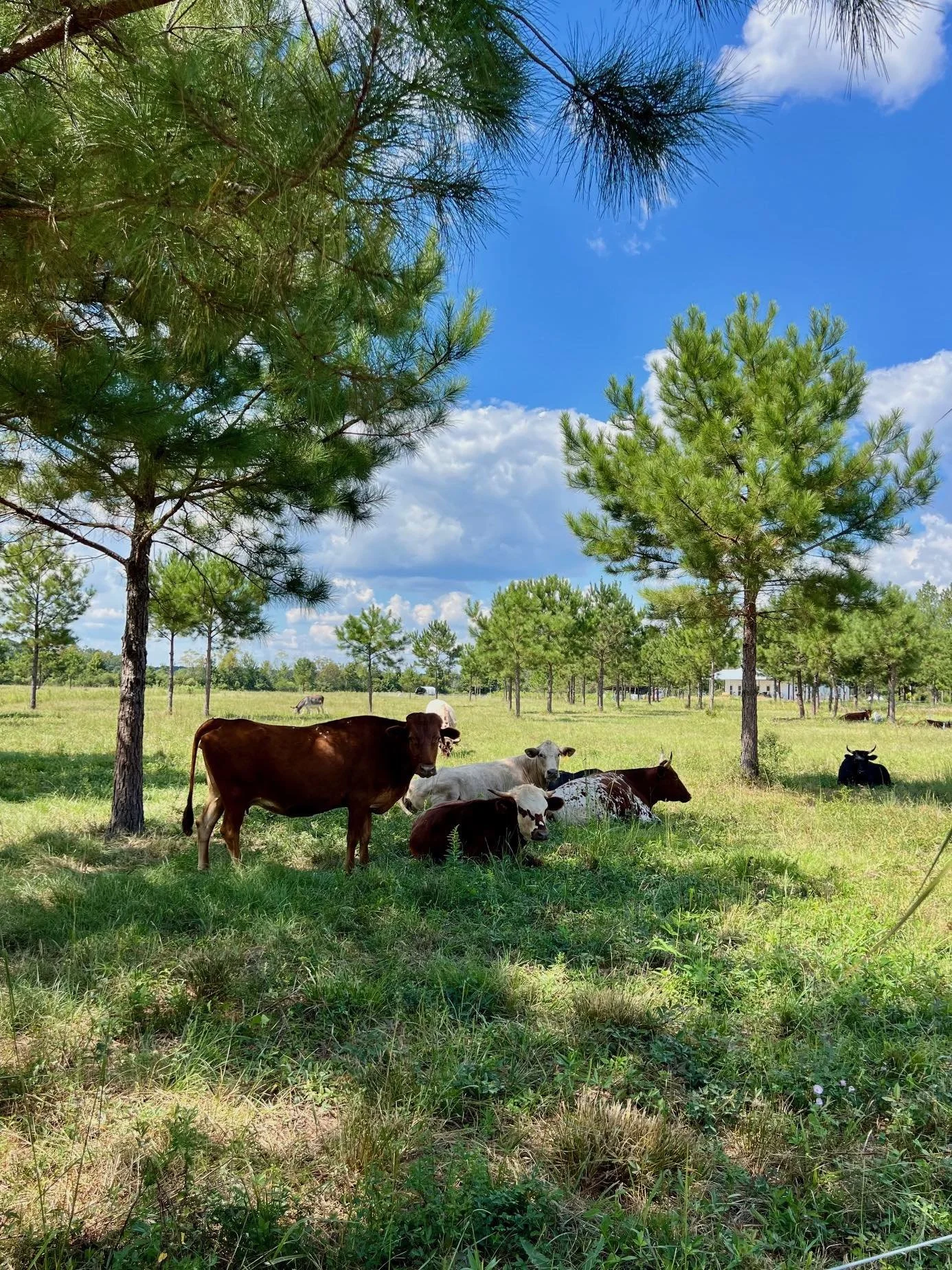
August - September 2025: This is the point where the steers especially really seemed to beef up and sleek up with glossy coats and filled out briskets! The summer forage and daily moves served them well.
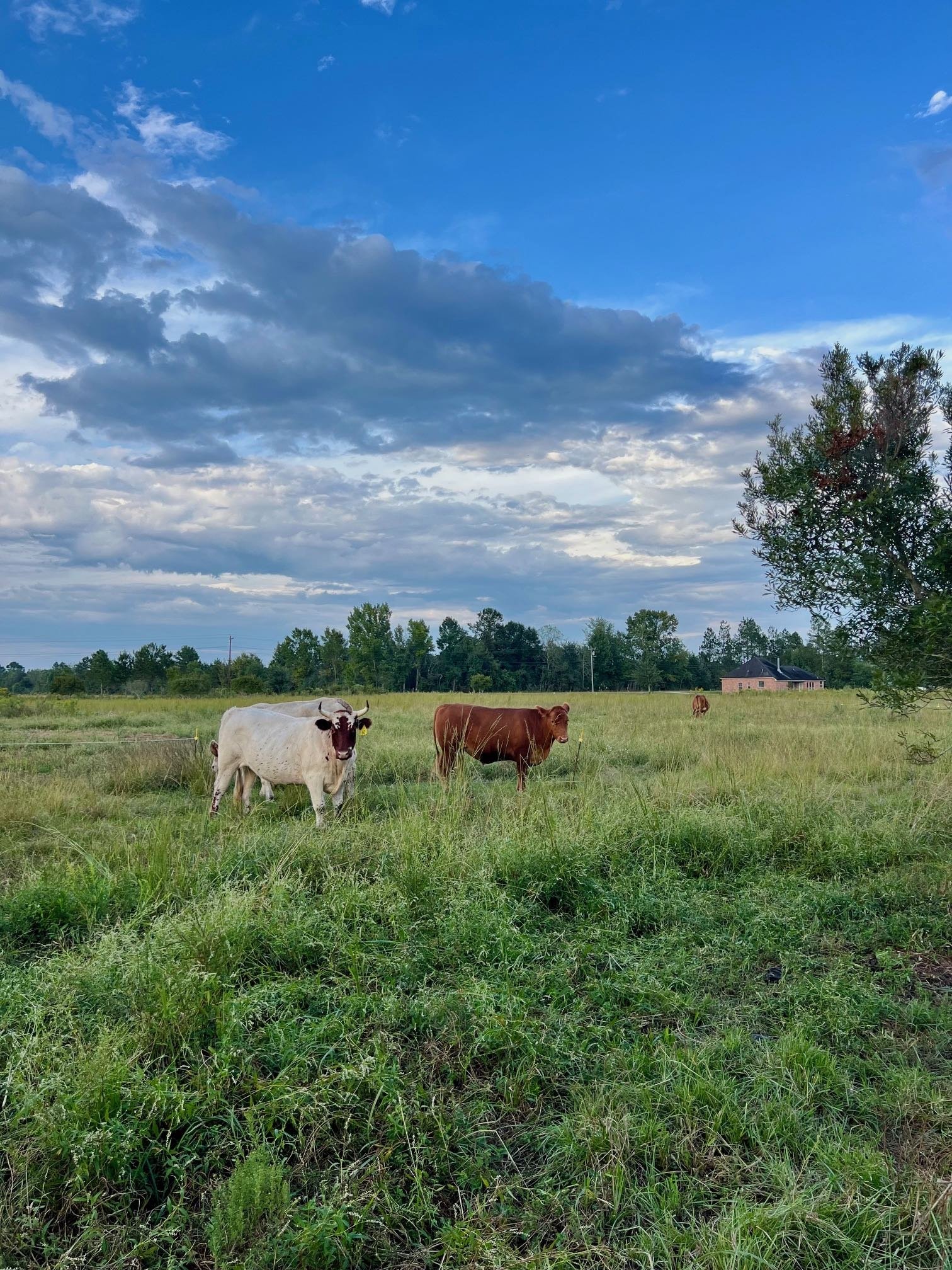
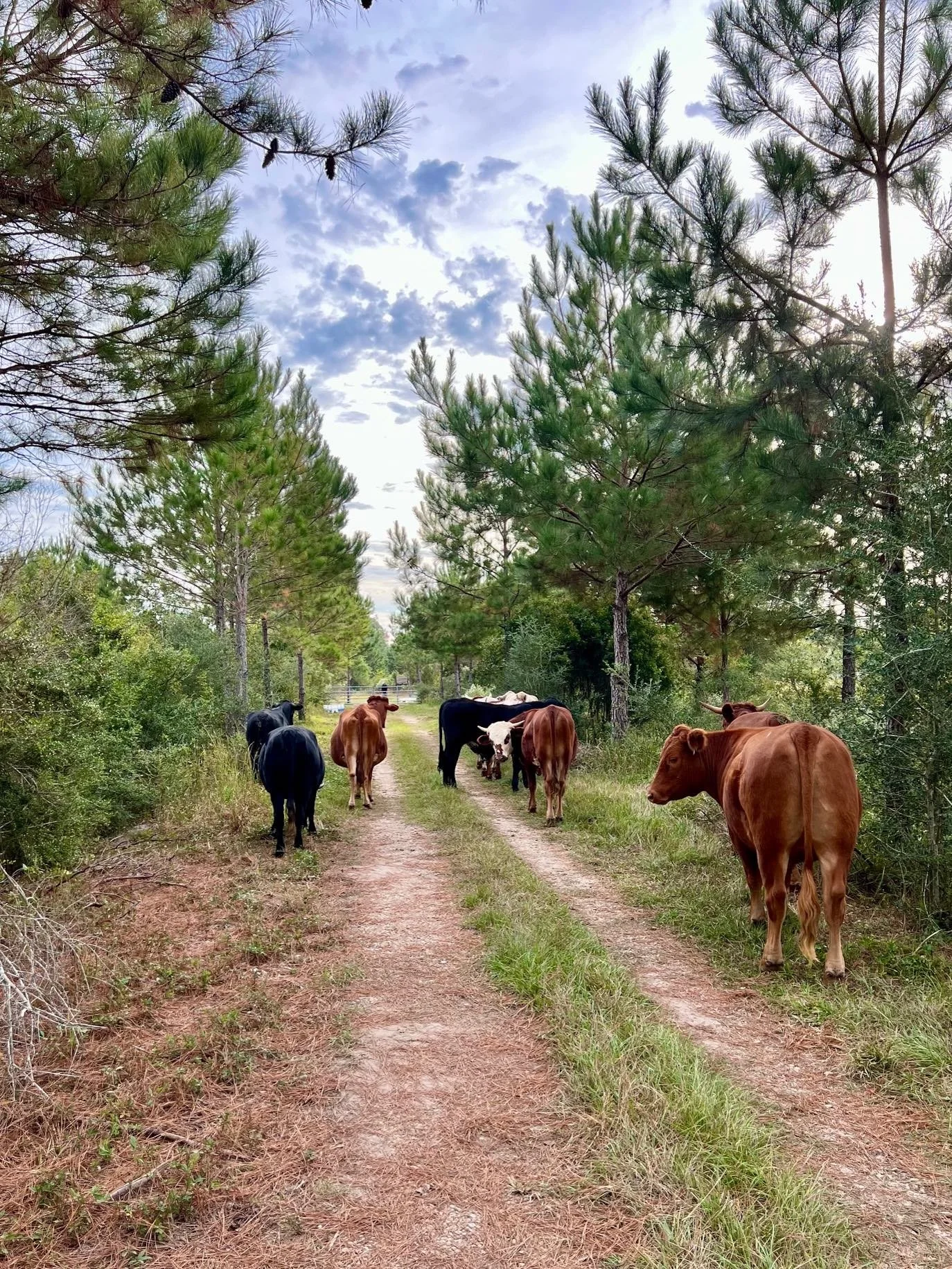
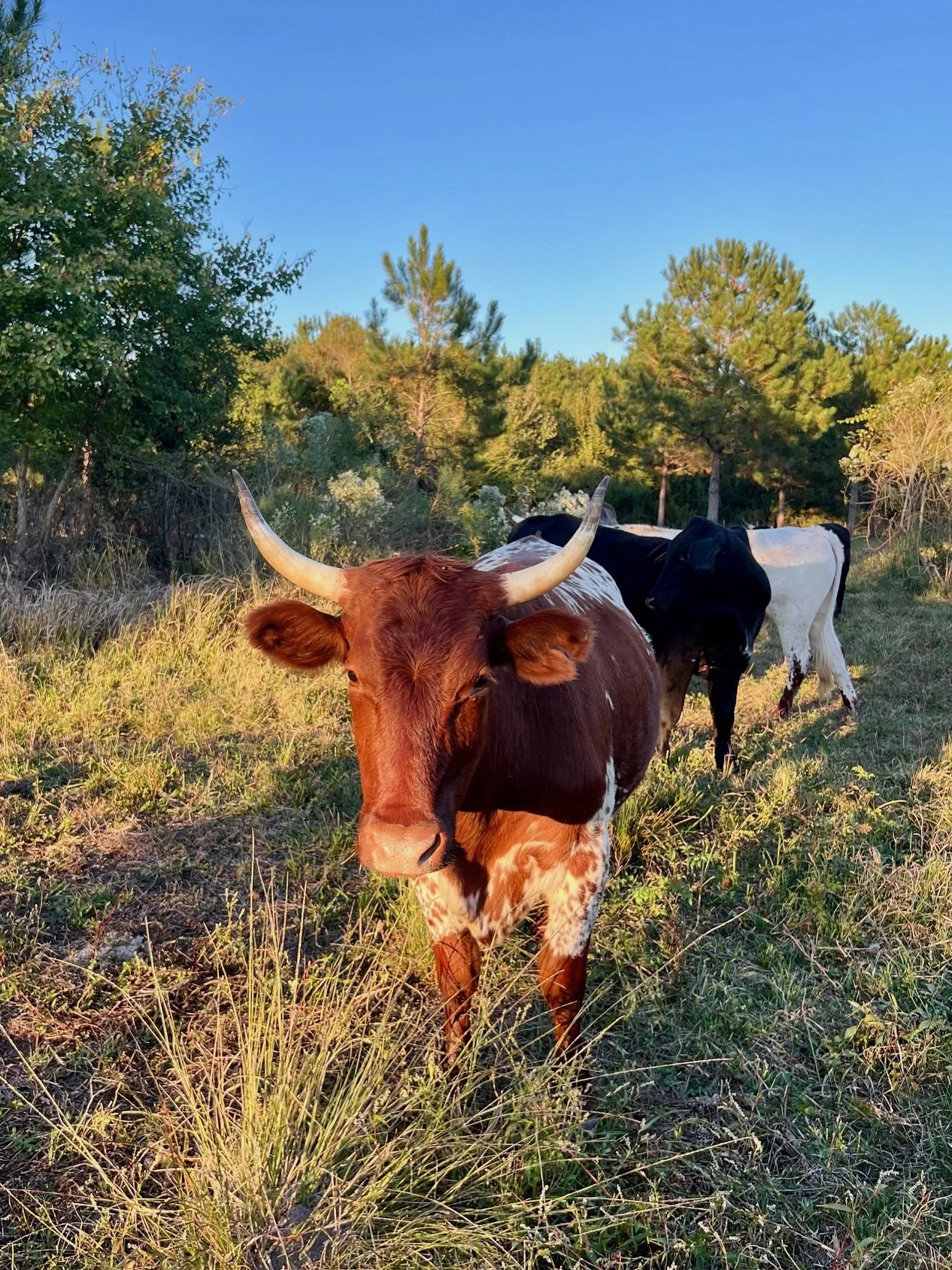
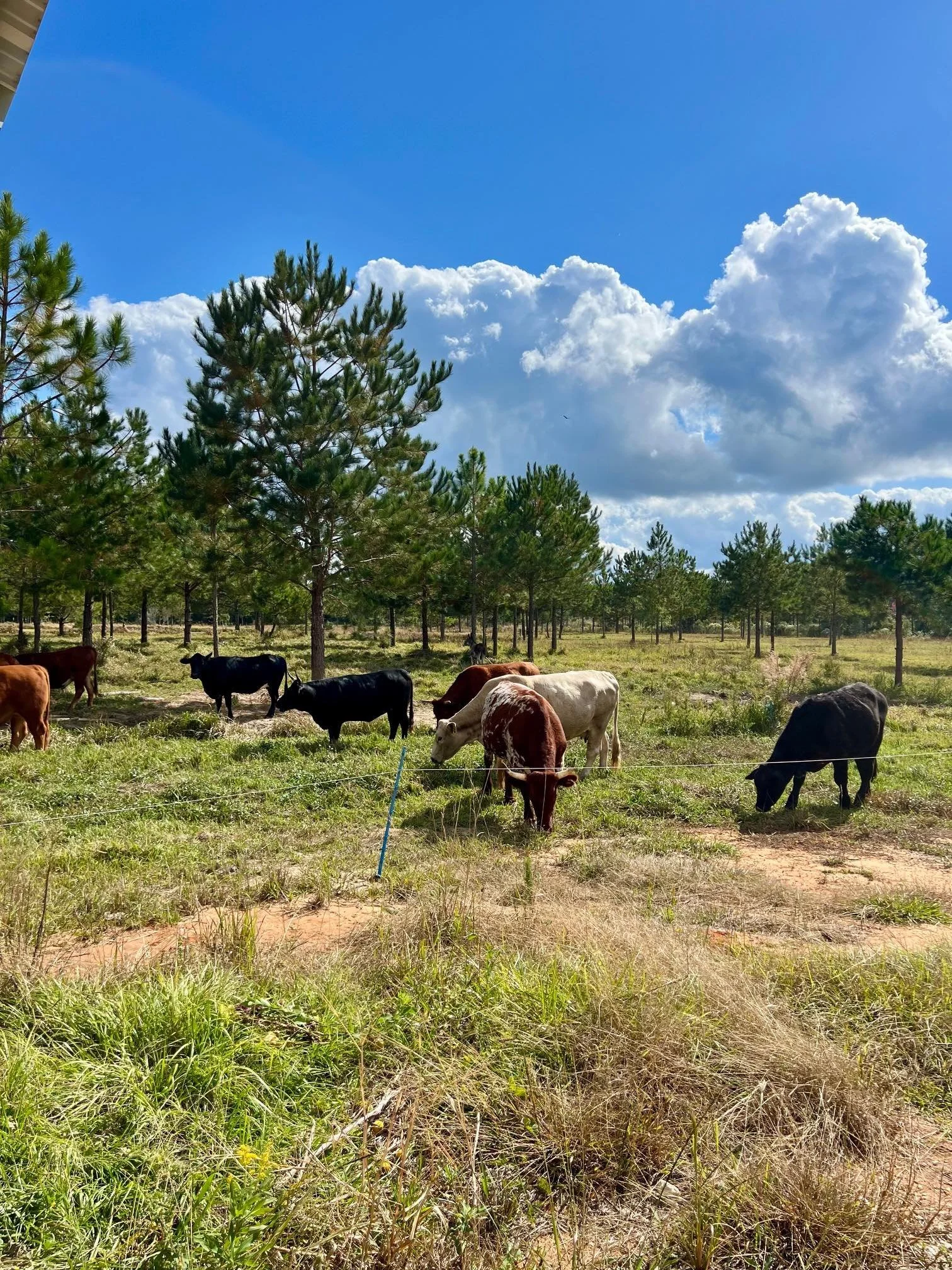
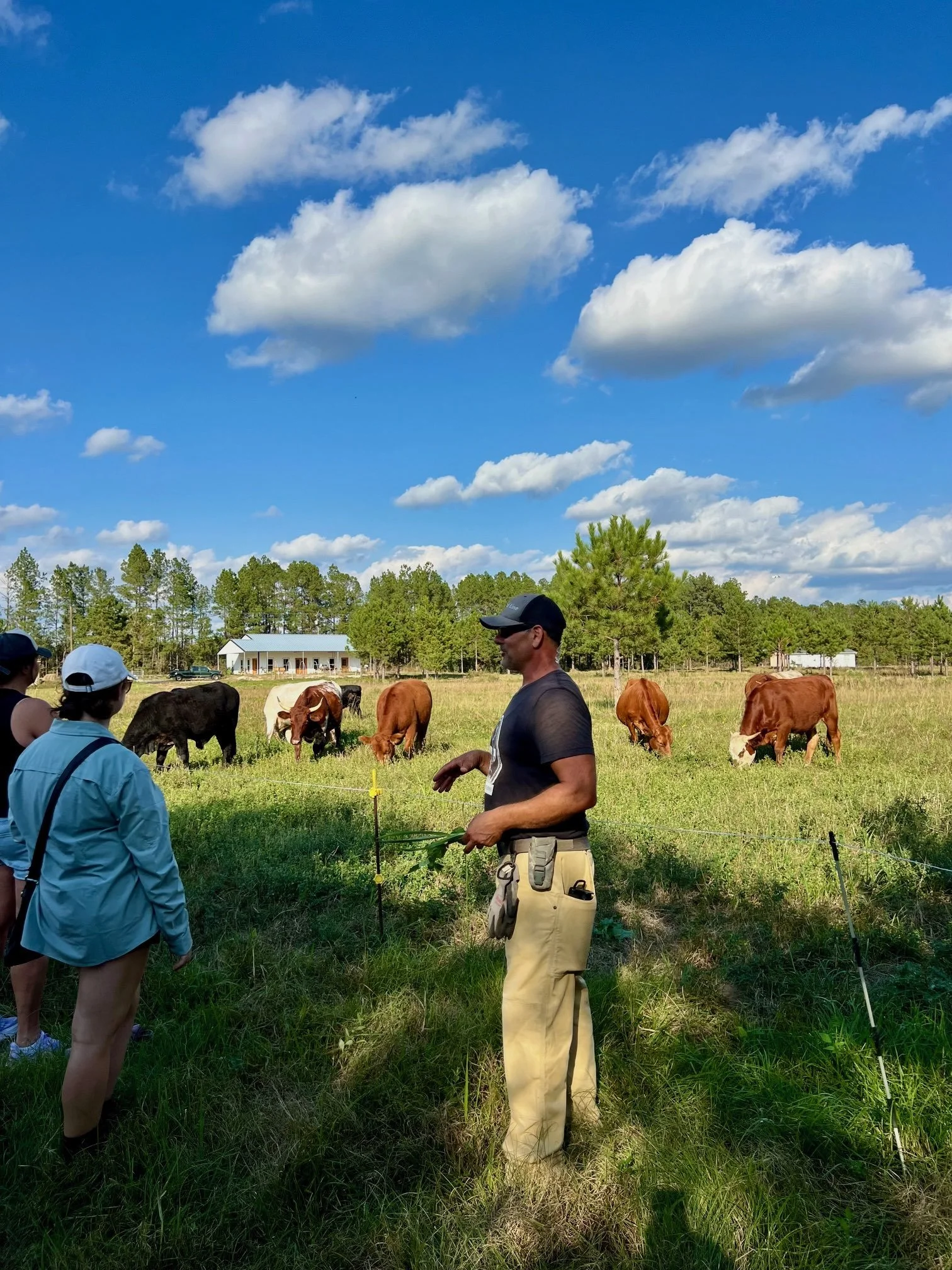
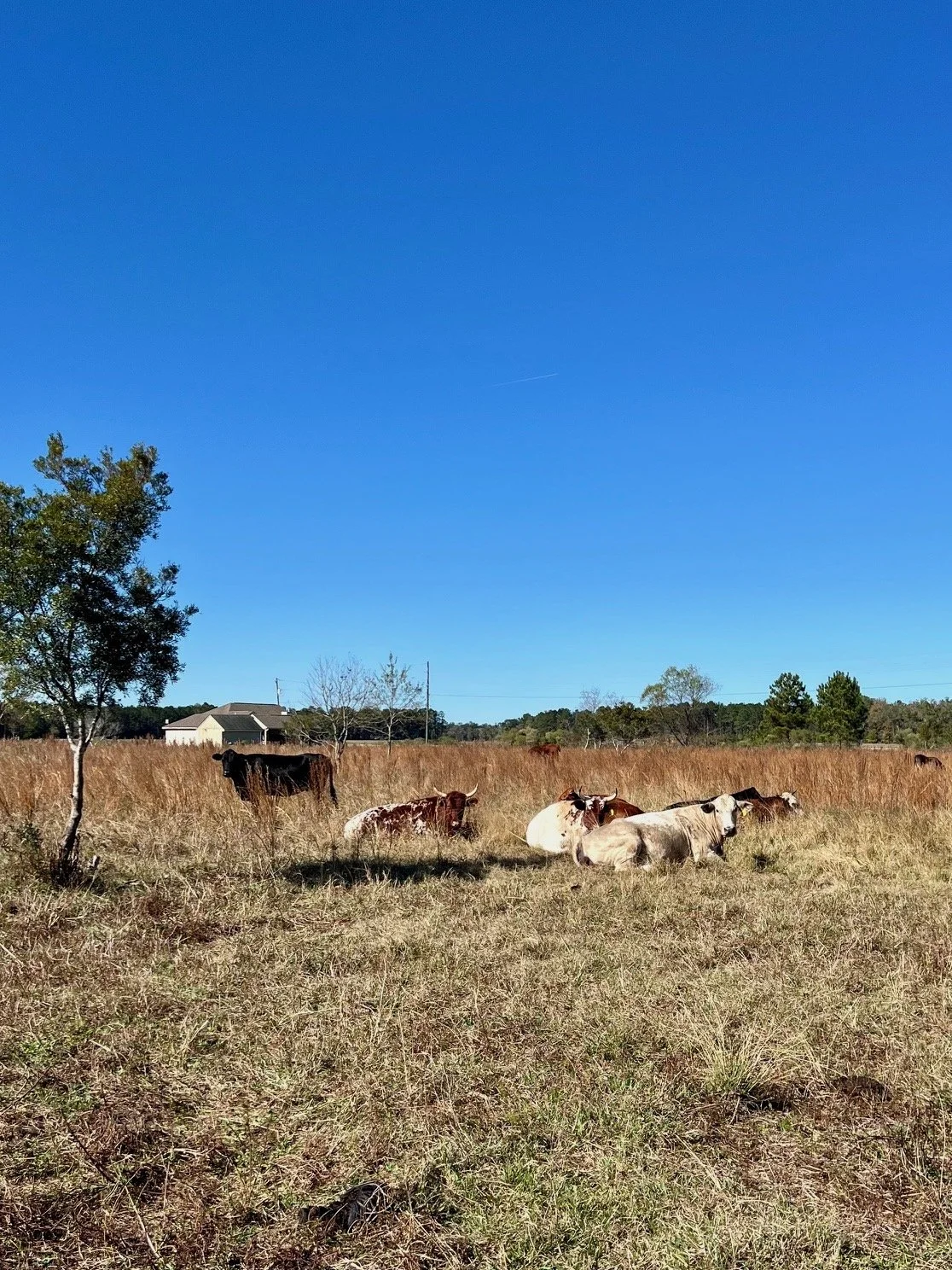
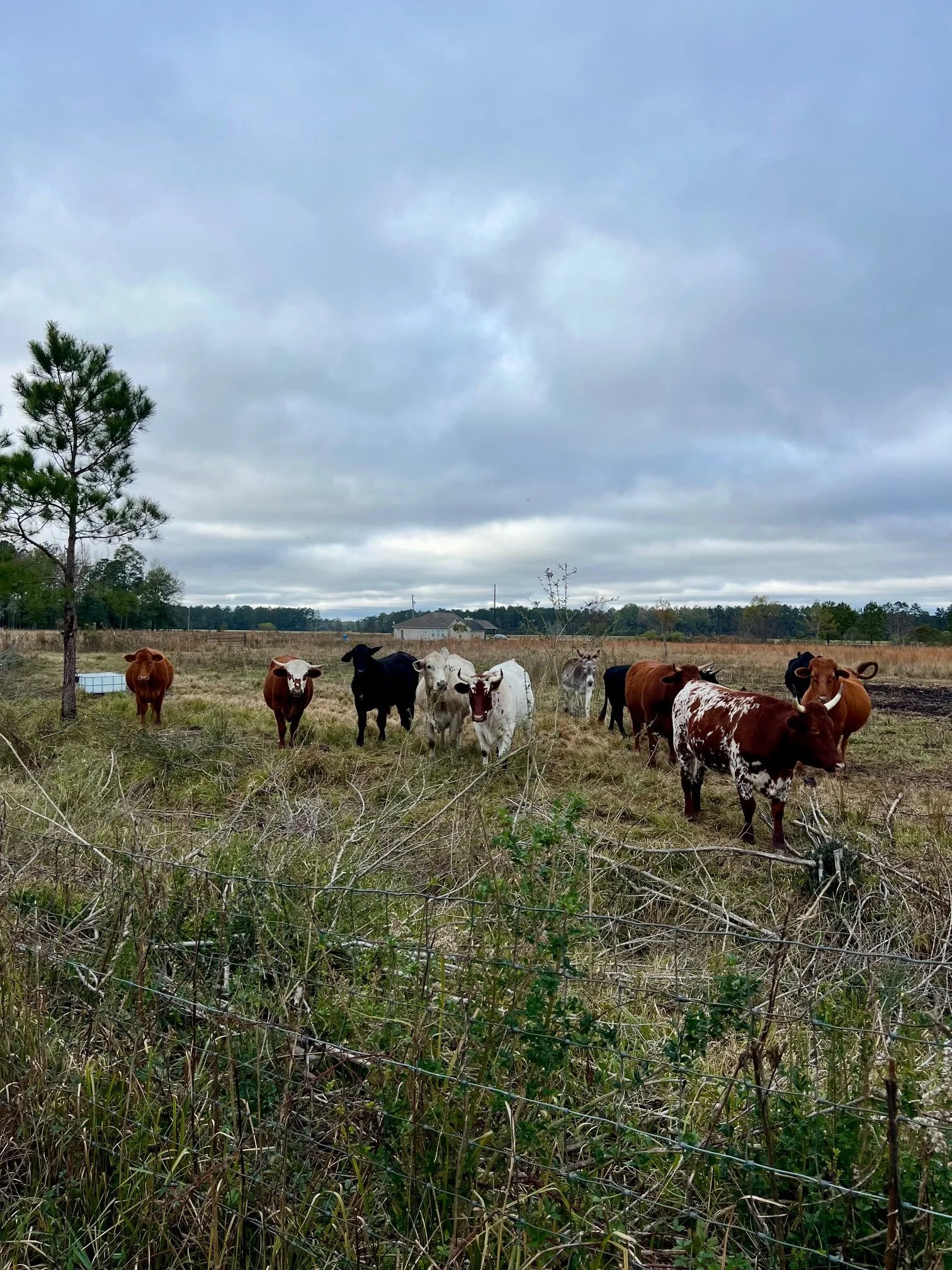
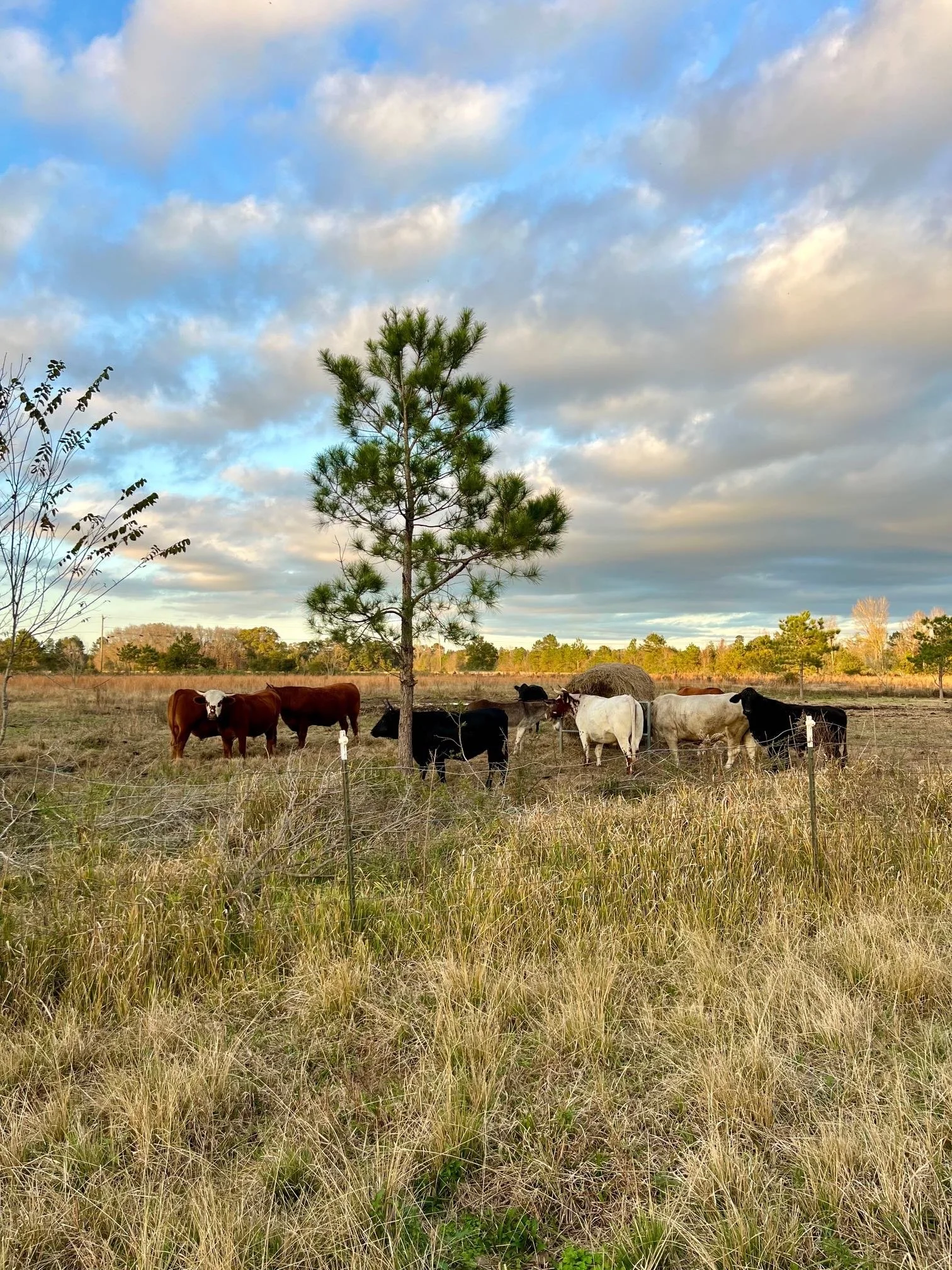
October - December 2025: The last chapter included some of our customers seeing the herd for themselves on our fall farm tours. I still can’t say enough how proud I am of this herd and all we’ve learned and improved in our grass-fed beef production over the years.